Marriage is built on love, trust, and intentional effort. While most wives deeply care for their husbands, certain habits, sometimes small and unintentional, can slowly make a man feel unseen, unappreciated, or unloved.
It’s rarely about grand gestures but more about daily words, attitudes, and actions that either strengthen or weaken the bond. Recognizing these habits doesn’t mean blame; it’s about awareness and growth.
By addressing them, couples can nurture a relationship where both partners feel secure, valued, and cherished.
Continuous criticism and correction

Pointing out mistakes, errors, or the way your husband would do things “better” can erode his confidence and feeling of appreciation within the marriage relationship over time.
What may be perceived as helpful suggestions is interpreted as judgment, leading husbands to feel like they can never meet expectations.
Invalidating his emotional states

Brushing aside your husband’s feelings, telling him to “toughen up,” or minimizing his emotional response can foster deep loneliness in the marriage. Men are generally encouraged to contain their feelings, and therefore, it is particularly vulnerable when they do open up.
This dismissal may be subtle, for example, by shifting attention when he expresses concerns, by suggesting solutions instead of sympathy, or by contrasting his challenges with those of others who “have it worse.”
Practice active listening by reflecting back what you hear: “It sounds like you’re really frustrated with the situation at work.” Validate his feelings before giving counsel, and ask, “Do you want me to listen, or would you like my input on this?” This little query shows respect for his emotional process.
Making unilateral decisions

Making major decisions about your money, kids, social affairs, or home without discussing them with your husband will make him feel like a roommate rather than a partner.
This act undermines the very partnership aspect of marriage and suggests that he shouldn’t have any say or opinion. Even what may appear to be small decisions can be extremely emotionally charged when made alone.
Prioritizing everyone else’s needs

Keeping kids, parents, friends, or work a constant priority ahead of your husband can lead him to believe he is always the last one on your agenda. This behavior usually accumulates over time as life becomes busier and other relationships seem more pressing or higher priority.
Make a routine of setting aside regular one-on-one time, even if it’s just 15 minutes of unbroken conversation per day. Communicate your priorities through actions by occasionally saying no to other commitments to spend time with your husband.
Simple gestures like asking about his day before launching into your own concerns can demonstrate that he matters to you.
Rejecting physical affection

Consistently drawing back from hugs, denying intimacy, or avoiding accidental physical contact may be speaking rejection and worthiness to your husband. Physical touch is a prevalent love language among many people and is vital in maintaining emotional intimacy in marriage.
A study in the Archives of S3xual Behavior confirms a positive connection between affectionate and s3xual behaviors and relationship satisfaction. This rejection is not always because one does not love the person, but rather due to stress, tiredness, hormonal imbalances, or simply different levels of comfort with physical touch.
Discuss openly your needs and boundaries, and also attempt to find ways to remain physically close while still being comfortable. This might involve scheduling romantic time when you feel less nervous or finding alternative ways to show physical affection when you’re not in a romantic mood.
Employing the silent treatment

Withdrawing communication and presenting your husband with the cold shoulder during disagreements or letdowns creates emotional distance and thwarts the resolution of issues.
The silent treatment is a type of emotional withholding that can be extremely painful and disorienting to the recipient. This behavior is more likely to occur as a mechanism of avoidance, allowing individuals to avoid discussing difficult things or expressing anger without conflict.
Instead of remaining quiet, try expressing yourself openly: “I am hurt right now and need some space to get things straight before we continue talking about this. Can we talk later, after dinner?” This communicates that you require space while still being open and invested in resolution.
Comparing him to other men

Regarding other husbands, former girlfriends, fathers, or male friends, comparisons are piercingly painful and foster resentment and feelings of inadequacy. Even comparisons made with the intention of motivating positive change seem to boomerang by causing husbands to feel as though they are constantly under evaluation.
Emphasize your husband’s strengths and what you need from him, as opposed to what others offer. Rather than “Sarah’s husband does all the dishes,” say “I would greatly appreciate an assist with cleanup after dinner. It would mean a lot to me.”
Ignoring his contributions

Not noticing or valuing your husband’s contributions around the house, with the kids, or in caring for the family will make him feel invisible and unvalued. It mostly occurs when efforts become routine and are expected rather than cherished.
Men tend to express love through acts of service and giving, and recognition of these behaviors is particularly vital to their emotional well-being. Make an effort to deliberately notice and verbally communicate your gratitude to your husband for his actions, whether large or small.
Save this article
Interrupting and not listening

Cutting off your husband in mid-sentence, multitasking during his speaking, or jumping in right away with solutions before he even finishes discussing the issue conveys that his ideas and feelings aren’t worthy enough of consideration to be listened to attentively.
This behavior typically sets in during chaotic moments or when conversations become repetitive, but it can create a significant emotional gap over time. Practice putting devices away, maintaining eye contact, and repeating back what you heard before responding.
Ask questions to clarify and avoid jumping to problem-solving unless specifically asked for advice. This shows respect for his internal world and deepens your emotional connection.
Public embarrassment or humiliation

Mocking your husband, sharing his failures or embarrassing experiences, or disagreeing with him in public can cause intense shame and erode trust in your marriage.
Humiliation in public can harm a person’s dignity and leave lasting resentment and emotional distance. This attitude sometimes comes up as a way to get a laugh, let off steam, or get a handle on things, but it sends messages of disrespect and infidelity to your husband.
Practice being your husband’s defender in public, even when you disagree with him in private. Save criticism and correction for private conversations and work on praising him instead of criticizing him in social settings.
If you’ve done something wrong, apologize privately and, if necessary, publicly.
Managing his time and activities

Informing your husband what to do with his free time, limiting his friendships, or requiring him to check in constantly will make him feel trapped and controlled, not loved and trusted.
This is typically based on fearfulness, past hurt, or differing expectations regarding marriage, but may lead him into resentment and a need to escape you. Control can manifest as guilt trips about spending time with friends, calendar planning his entire weekend, or making solo decisions about his commitments.
Offer support for his personal interests and friendships, and then express your desire for quality time spent together. Create a balance that honors both your connection and his independence.
“I’d love to spend Saturday morning with you, and I know you wanted to golf with Tom in the afternoon, can we figure out how to make both happen?”
Bringing up past mistakes repeatedly

Continually referencing your husband’s past mistakes, disappointments, or ill decisions during current altercations halts healing and growth in the relationship. This cycle leaves old wounds raw and informs the other individual that forgiveness is temporary and conditional.
This is a pattern that tends to develop when deep hurt hasn’t been processed or when trust is in the process of being rebuilt. But it creates a cycle where your husband never feels like he can ever fix things or move on.
Work through old resentments either with your partner or a therapist, and practice staying focused on the present while confronting them. When old habits come up, talk to them directly rather than using them as ammunition for battles that have nothing to do with them.
Key takeaways

Emotional Safety Brings Couples Together: Attacking character patterns, invalidating feelings, or causing shame pushes couples apart, but practices that create safety and respect pull couples together.
Communication Patterns Are Significant: How we express our frustrations and needs significantly impacts our partner’s emotional well-being. Direct but respectful communication preserves dignity while still expressing concerns.
Appreciation Secures Love: Expressing ongoing gratitude for efforts, contributions, and strengths keeps partners feeling valued and motivated to continue the relationship.
Partnership Requires Inclusion: Making decisions together, keeping the marriage relationship central, and maintaining personal autonomy lead to balanced unity and independence in relationships.
Small Steps, Big Payoff: Often, small adjustments to daily interactions, such as encouraging individuals to set their phones aside while speaking or simply saying ‘thank you’, can significantly improve relationship satisfaction.
Remember that these tendencies have a cumulative effect over time and can be reversed with awareness, willpower, and practice. Perfection isn’t the goal, but rather creating a relationship in which both people feel loved, respected, and valued for who they are.
Disclaimer – This list is solely the author’s opinion based on research and publicly available information. It is not intended to be professional advice.
16 grocery staples to stock up on before prices spike again
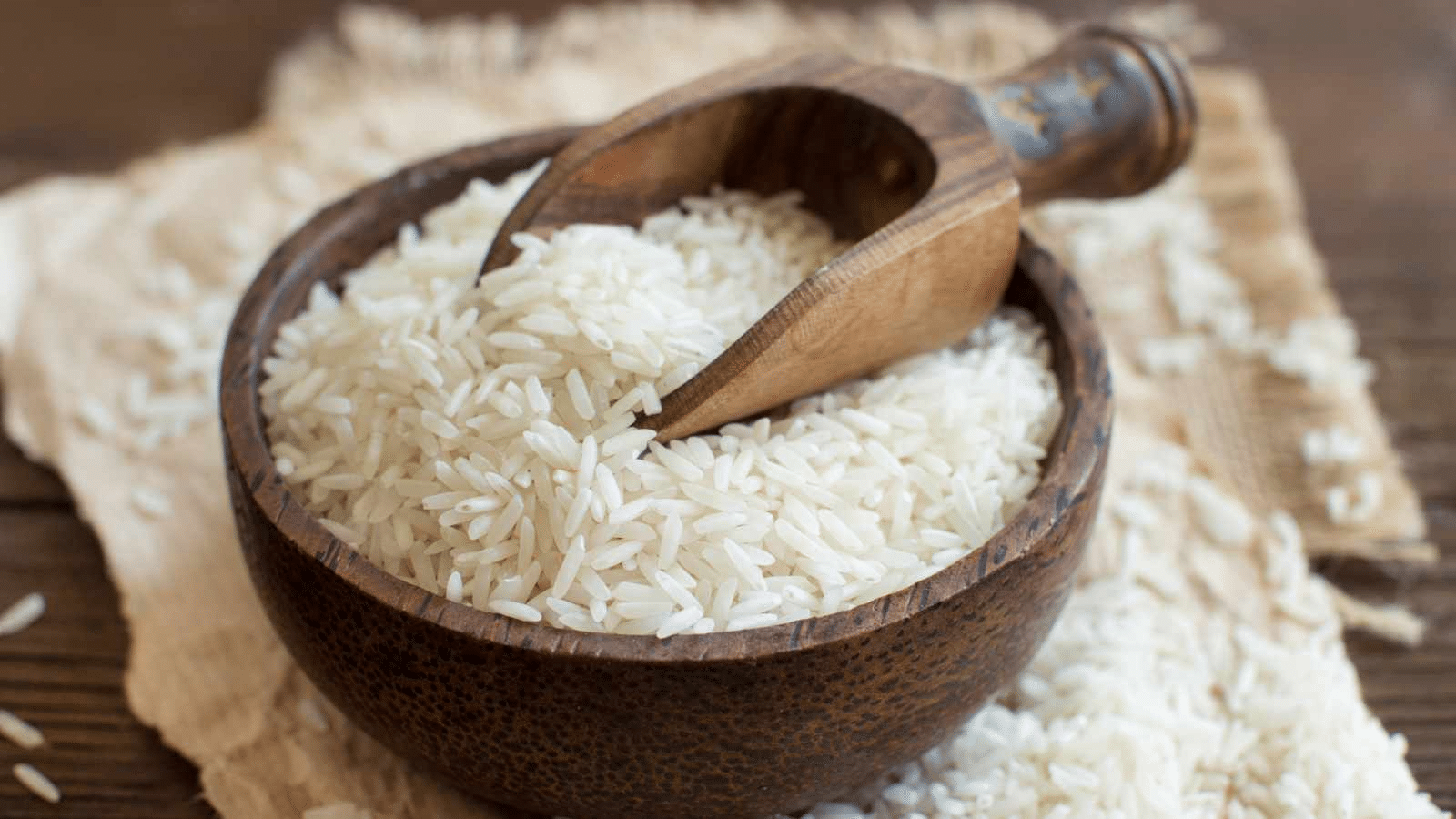
16 Grocery Staples to Stock Up On Before Prices Spike Again
I was in the grocery store the other day, and it hit me—I’m buying the same things I always do, but my bill keeps getting higher. Like, I swear I just blinked, and suddenly eggs are a luxury item. What’s going on?
Inflation, supply-chain delays, and erratic weather conditions have modestly (or, let’s face it, dramatically) pushed the prices of staples ever higher. The USDA reports that food prices climbed an additional 2.9% year over year in May 2025—and that’s after the inflation storm of 2022–2023.
So, if you’ve got room in a pantry, freezer, or even a couple of extra shelves, now might be a good moment to stock up on these staple groceries—before the prices rise later.
6 gas station chains with food so good it’s worth driving out of your way for

6 Gas Station Chains With Food So Good It’s Worth Driving Out Of Your Way For
We scoured the Internet to see what people had to say about gas station food. If you think the only things available are wrinkled hot dogs of indeterminate age and day-glow slushies, we’ve got great, tasty news for you. Whether it becomes part of a routine or your only resource on a long car trip, we have the food information you need.
Let’s look at six gas stations that folks can’t get enough of and see what they have to offer for you to eat.