

You can’t scroll through social media or turn on the news without hearing about Ozempic. It’s the drug on everyone’s lips. In fact, about three-quarters of Americans are now aware of it, according to a new Pew Research Center survey. However, with all the hype comes a great deal of confusion.
Is it a miracle weight-loss shot? A risky diabetes drug? Something in between? The buzz is deafening, and the numbers are wild. Prescriptions for Ozempic and similar drugs for weight management exploded by over 2,000% between 2019 and 2022, as reported by Komodo Health.
So, let’s cut through the noise. Here’s the real story, backed by data and what the experts are actually saying.
It’s not actually a weight-loss drug (officially, anyway)

This is the first thing you have to understand. The U.S. Food and Drug Administration (FDA) has not approved Ozempic for weight loss.
Its official, on-the-label purpose is for adults with type 2 diabetes. The FDA gave it the green light for two main reasons:
- To help control blood sugar, along with diet and exercise.
- To lower the risk of major cardiovascular events like a heart attack or stroke in people who have both type 2 diabetes and known heart disease.
The weight loss that made it famous? That’s technically a side effect.
So, how is everyone using it to slim down? They’re getting it “off-label.” This is when a doctor prescribes a drug for a reason other than its FDA-approved one. This practice has become so widespread that it has created a massive cultural phenomenon, but it’s also led to a serious real-world problem: drug shortages that left many diabetes patients scrambling to find their essential medication.
Here’s how it actually works to trigger weight loss

So, how does this diabetes medication cause people to lose weight? It’s all about mimicking a hormone your body already makes.
The active ingredient in Ozempic is called semaglutide. It’s what’s known as a GLP-1 receptor agonist. In simple terms, it copies the actions of a gut hormone called glucagon-like peptide-1 (GLP-1), which your body naturally releases after you eat.
When Ozempic is on board, it does three main things:
- It tells your pancreas to release more insulin when your blood sugar is high, which helps your cells use glucose for energy.
- It signals your liver to slow down the production and release of extra sugar.
- And here’s the big one for weight loss: it slows down how quickly your stomach empties after a meal.
This last part is the secret sauce. Because food hangs around in your stomach longer, you feel physically full for a much longer time. Additionally, it also works on the hunger centers in your brain, telling you that you’re not hungry and dialing down food cravings. It’s a powerful one-two punch that makes eating less feel almost effortless.
The weight loss results from studies are seriously impressive

The data from clinical trials is pretty jaw-dropping, and it’s what really put this drug on the map. In a landmark 68-week study published in the New England Journal of Medicine, researchers examined individuals with obesity who did not have diabetes. They were given a higher dose of semaglutide (the same active ingredient in Ozempic, but branded as Wegovy for weight loss).
The results were stunning. The group taking the drug lost an average of 14.9% of their body weight. For comparison, the group taking a placebo lost only 2.4%. Let that sink in. We’re talking about an average weight loss of 34 pounds for someone starting at 230 pounds. These are results that were previously almost unheard of without surgery.
But the common side effects can be pretty rough

This is the part of the story that often gets left out of the glossy “before and after” posts. The side effects are very real, and for some people, they’re a dealbreaker.
The most common issues are all related to your digestive system. Think nausea, vomiting, diarrhea, stomach pain, and constipation.
Nausea is the number one complaint. In clinical trials, about 1 in 5 people experienced it, though some data suggest the number could be as high as 37%. These problems are usually at their worst when you first start the drug or when your doctor increases your dose, and they often get better as your body adjusts.
But “better” doesn’t always mean “gone.” And for some, the side effects are severe enough to make them stop treatment. In trials, approximately 3% to 4% of people who took Ozempic discontinued it due to these stomach issues.
And you need to know about the serious health risks

Beyond the common stomach troubles, there are some serious risks you absolutely must be aware of.
First and foremost, Ozempic has an FDA Black Box Warning—the most serious kind. It’s for a potential risk of thyroid C-cell tumors, including a rare type of thyroid cancer called medullary thyroid carcinoma (MTC). This risk was seen in studies with rodents.
While it’s unknown if this happens in humans, it’s why the drug is a no-go for anyone with a personal or family history of MTC or a rare condition called Multiple Endocrine Neoplasia syndrome type 2 (MEN 2).
Other serious, though less common, potential risks include:
- Pancreatitis: A painful inflammation of the pancreas.
- Gallbladder problems: Including gallstones and inflammation.
- Kidney problems: This can include acute kidney injury, especially if you become severely dehydrated from all the vomiting and diarrhea.
- Changes in vision: Particularly for people with a history of diabetic retinopathy.
- Serious allergic reactions: These are rare but can be life-threatening.
- Bowel obstruction: A rare but dangerous blockage of the intestines, also known as ileus, can happen because the drug slows down your whole digestive system.
Social media is fueling a massive prescription boom

The rise of Ozempic is a story about medicine, but it’s also a story about modern culture. The drug’s popularity didn’t come from doctors’ offices; it came from your phone.
The numbers are just staggering. The hashtag #Ozempic has garnered over 546 million views on TikTok. One analysis of 100 popular TikTok videos found that over half of them were about using the drug specifically for weight loss.
This viral, bottom-up demand from social media completely flipped the script on how drugs usually become popular. Instead of doctors telling patients about a new medication, patients started showing up to appointments asking for Ozempic by name.
According to Komodo Health, this social media frenzy is directly linked to the 2,082% surge in prescriptions for these drugs for weight management between 2019 and 2022. It created a level of demand that the manufacturer simply couldn’t keep up with, leading to the shortages that harmed the diabetic patients who needed it most.
It has some powerful benefits beyond weight loss

Save this article
While weight loss receives all the headlines, it’s crucial to remember what this drug was actually designed for—and it’s incredibly effective at its job.
For people with type 2 diabetes and established heart disease, Ozempic is proven to be a lifesaver. It’s FDA-approved to significantly lower the risk of heart attack, stroke, and death from cardiovascular causes.
And the benefits don’t stop there. A recent, major clinical trial called FLOW delivered groundbreaking results for patients with both type 2 diabetes and chronic kidney disease. In this high-risk group, Ozempic:
- Cut the risk of major kidney events (like kidney failure) by 24%.
- Cut the risk of death from cardiovascular causes by 29%.
- Cut the risk of death from any cause by 20%.
These are profoundly important findings. They show that Ozempic isn’t just a weight-loss or blood-sugar drug; it’s a powerful medication that can protect vital organs and extend lives in specific, vulnerable patient populations.
Getting your hands on it is expensive

Let’s talk money, because the price tag on Ozempic can be a shock. The official list price for a one-month supply is just under $1,000. Without any insurance or discounts, that adds up to about $12,000 a year.
The high cost effectively makes this revolutionary treatment a luxury good. This creates a tough situation where the people who could benefit most from the drug—as obesity and type 2 diabetes disproportionately affect lower-income communities—are often the least able to afford it.
There is some good news. The manufacturer, Novo Nordisk, recently launched a program that allows uninsured patients to get Ozempic for a cash price of $499 per month through a specific online pharmacy. It’s a significant discount, but still a major monthly expense for most people.
Your insurance probably won’t cover it for weight loss

This is the biggest hurdle for most people interested in Ozempic for weight loss. Insurance plans, including Medicare, will often cover Ozempic when it’s prescribed for its FDA-approved indication: type 2 diabetes.
But if you’re hoping to get it covered for off-label weight loss? You’re probably out of luck. Most insurance companies still classify obesity treatments as lifestyle or “vanity” drugs and refuse to pay for them.
In 2023, less than 1% of people paid for their Ozempic prescription entirely out-of-pocket, as reported by JAMA Health Forum. The vast majority—over 99%—had coverage through commercial insurance or Medicare. This strongly suggests that most of the people currently taking the drug have a type 2 diabetes diagnosis, which is their ticket to getting it covered.
Stopping the drug often means the weight comes back
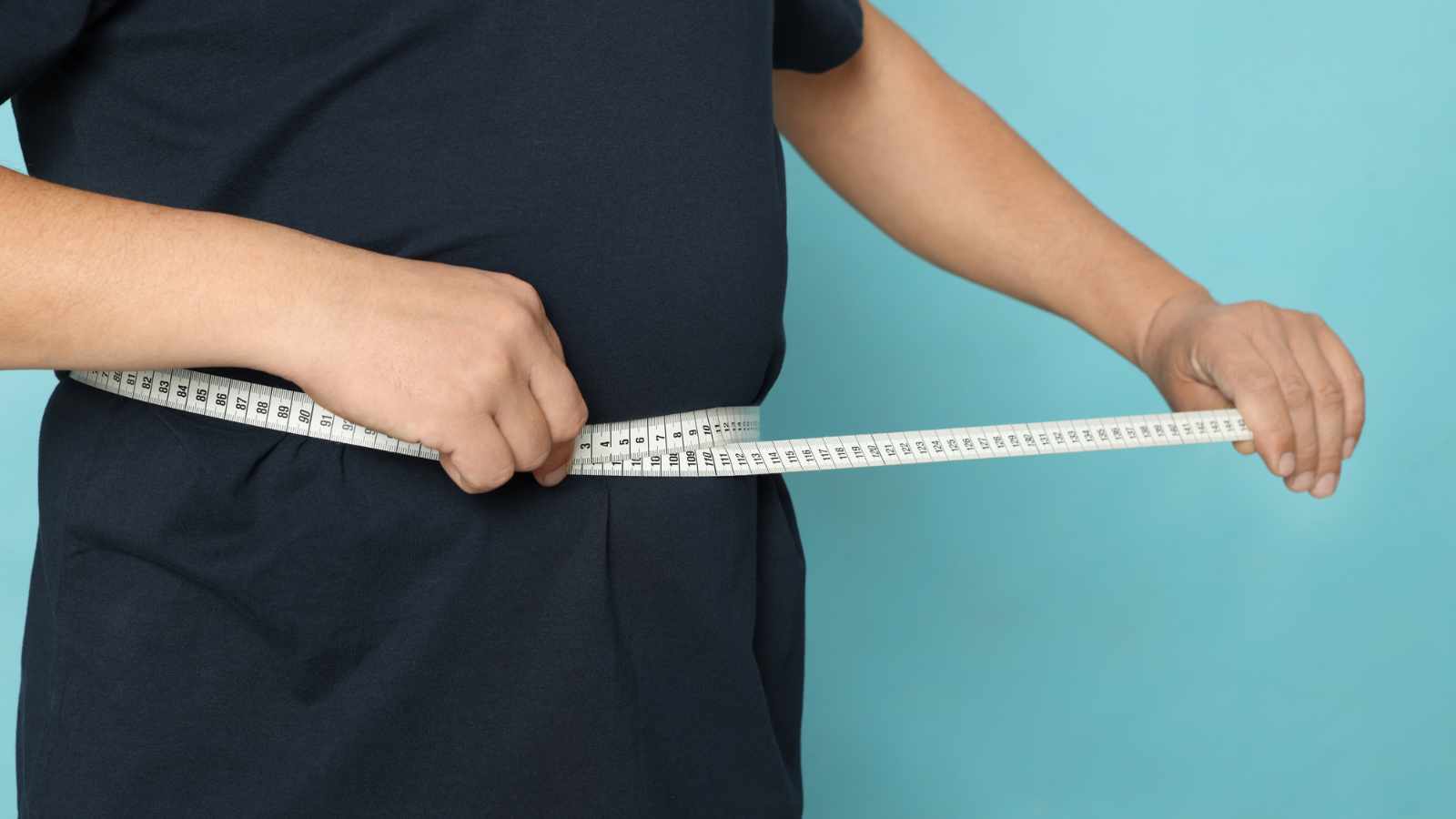
This might be the single most important thing to understand about Ozempic: it is not a cure. It is a treatment. And when the treatment stops, its effects stop, too.
The biological mechanisms that cause weight loss—the slowed digestion and suppressed appetite—are only active while the drug is in your system. Once you stop your weekly injection, your appetite returns to its baseline, and so does your weight.
This isn’t just a theory; it’s been proven in studies. One major trial reported by the National Institutes of Health found that within a year of stopping semaglutide, people regained, on average, two-thirds of the weight they had lost.
This “Ozempic rebound” occurs even when you attempt to maintain the healthy diet and exercise habits you’ve developed. This reality reframes the drug entirely. It’s not a short-term diet aid; it’s a long-term management tool for a chronic condition, much like medication for high blood pressure or cholesterol. To maintain the benefits, you likely need to continue taking it indefinitely.
Experts warn it’s a tool, not a total cure

The experts who study obesity for a living are quick to pump the brakes on the “miracle drug” narrative. They see Ozempic as a powerful new tool, but just one piece of a much larger puzzle.
As psychology professor Dr. Joseph Trunzo puts it, “Anytime a treatment is viewed as a cure-all for a phenomenon as complex as obesity, you want to be careful.”
He points out that the drug is great at handling the physical side of hunger, but it does nothing to address the complex emotional and behavioral reasons people eat—like stress, boredom, or habit. If you don’t work on those underlying issues while you’re on the drug, you “compromise the overall effectiveness of the medicine.”
The expert consensus is clear: these medications work best when they’re part of a “holistic approach” that includes sustainable lifestyle changes in diet, exercise, and mental health.
Key takeaway

So, what’s the bottom line? Ozempic is a potent and important drug for type 2 diabetes that has become a cultural phenomenon because of its significant weight-loss side effect. The clinical results are undeniable, often leading to a 15% reduction in body weight, as reported in the New England Journal of Medicine.
But it’s no magic bullet. It comes with a high likelihood of disruptive digestive side effects, carries some serious health warnings, is incredibly expensive, and is rarely covered by insurance for weight loss alone. And perhaps most importantly, if you stop taking it, the weight almost certainly comes back. Experts are clear: it’s a long-term management tool for a chronic disease, not a quick fix.
Disclaimer – This list is solely the author’s opinion based on research and publicly available information. It is not intended to be professional advice.
16 grocery staples to stock up on before prices spike again

16 Grocery Staples to Stock Up On Before Prices Spike Again
I was in the grocery store the other day, and it hit me—I’m buying the exact same things I always do, but my bill just keeps getting higher. Like, I swear I just blinked, and suddenly eggs are a luxury item. What’s going on?
Inflation, supply-chain delays, and erratic weather conditions have modestly (or, let’s face it, dramatically) pushed the prices of staples ever higher. The USDA reports that food prices climbed an additional 2.9% year over year in May 2025—and that’s after the inflation storm of 2022–2023.
So, if you’ve got room in a pantry, freezer, or even a couple of extra shelves, now might be a good moment to stock up on these staple groceries—before the prices rise later.
6 gas station chains with food so good it’s worth driving out of your way for
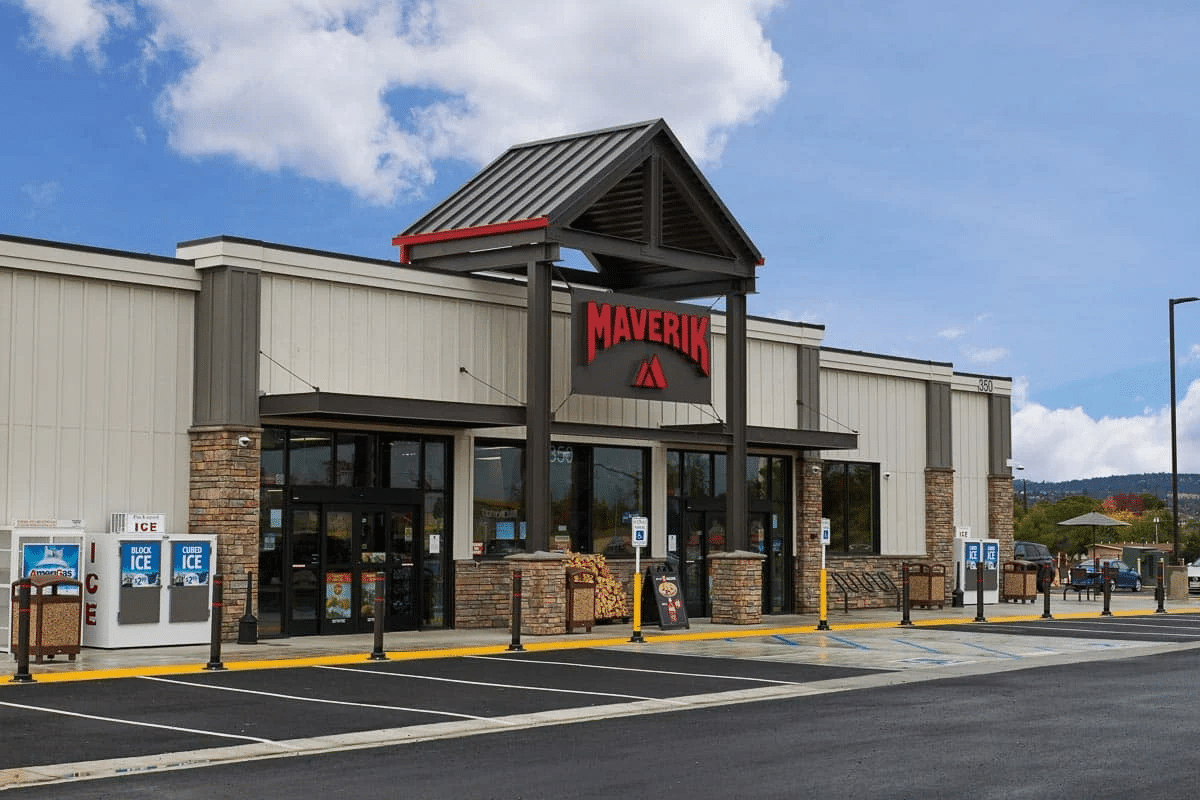
6 Gas Station Chains With Food So Good It’s Worth Driving Out Of Your Way For
We scoured the Internet to see what people had to say about gas station food. If you think the only things available are wrinkled hot dogs of indeterminate age and day-glow slushies, we’ve got great, tasty news for you. Whether it ends up being part of a regular routine or your only resource on a long car trip, we have the food info you need.
Let’s look at 6 gas stations that folks can’t get enough of and see what they have for you to eat.





