

Etiquette has become a dynamic and often contentious topic, particularly between Baby Boomers and Generation Z. A study by McCrindle Research reveals that Baby Boomers (born 1946–1964) adhere more to traditional etiquette, such as punctuality, courteous driving, returning shopping trolleys, and avoiding public swearing. They are also more likely to remove earphones during conversations and put phones away during meals.
In contrast, younger generations, including Generation Z (born 1997–2012), prioritize dietary considerations and prefer texting before calling for a heads-up. These younger groups are more accustomed to integrating modern phone etiquette in their daily interactions.
Never before has there been such a significant gulf between generations as there is now in social expectations. What seems entirely reasonable to younger people often has older generations scratching their heads.
Texting Beats Phone Calls Every Time

Unexpected phone calls are up there with surprise visits from the I.R.S. as far as most young people are concerned. They’d prefer to get a root canal than answer an unknown number on the spur of the moment. That change actually makes a lot of sense, if you think about it. Texts give people time to think, respond thoughtfully, and avoid any awkward silences.
Picture explaining to your 70-year-old neighbor why you waited three hours to like their over-filtered selfie. They will likely assume you have lost your marbles. Still, you are simply abiding by the new rules of digital communication.
Ghosting Became an Acceptable Way Out

It was once considered rude to drop out of a conversation without explanation. Now, it’s more of a dating world survival trait.
Ghosting is all too common. Thriving Center of Psychology’s 2023 poll found that 89% have been ghosted at least once, and 64% are guilty of ghosting someone else. Seen as protecting their mental health by the young rather than being cruel.
Email Etiquette Lost It During the Break

Dear Sir or Madam, now feels as antiquated as asking for directions instead of checking the GPS. Contemporary workers do not begin with fancy greetings or end with adornments of the like. Based on a 2025 study of workplace communication by WriteMail.ai, 82% of people under the age of 35 start their work emails with “Hi [Name]” or just the recipient’s name, indicating a shift towards more informal and direct methods of communication. Baby Boomers, on the other hand, for whom “Dear [Name]” will always remain the more professional salutation for business communication.
RSVP Now Means Reply Right Now

Once upon a time, wedding invitations offered people weeks to respond. Now, event planners expect answers within 24 hours via text. Consider hosting a dinner party and receiving RSVPs via a group text.
Parents might find this rush ridiculous, but younger hosts like the quick feedback for planning. The faster pace of contemporary living has accelerated social norms in every area.
Digital Thank-You Notes Rule Supreme

Handwritten thank you cards are as scarce as pay phones. Younger generations are more likely to fire off a quick text or Instagram DM to say thanks.
A quick message from a cellphone with a personal touch often beats the formal nature of handwritten notes. According to a compare-and-contrast essay on texting vs. calling, texting allows for quick exchanges without the need for prolonged conversations, which can feel more natural and less formal than traditional handwritten notes.
Venmo Requests Take the Awkward Out of Money Talks

Divvying up restaurant checks was once a nightmare of complex arithmetic and awkward conversations about who ordered what. These days, someone will send a Venmo request before dessert even reaches the table.
Imagine a group dinner where everyone receives a $32.50 Venmo request before you even leave the restaurant, eliminating the need for cash counting or “I’ll get you next time” promises. Older diners might miss the tactile experience of handling actual money. Still, younger folks regard digital splitting as more accurate and less stressful.
Video Call Etiquette Became a Job Requirement

It was once regarded as excusable technical ignorance to attend a Zoom meeting without a proper background. Now it is as unprofessional as showing up to the office in pajamas.
Muting when not speaking has become as fundamental as saying “please” and “thank you.” Compare the chaos of early pandemic calls to today’s smooth virtual meetings, and it’s clear that humans have adapted quickly. Your grandpa might have a hard time with the technology, but your boss expects you to have flawless video call etiquette on day one.
Pet-Friendly Workplaces Divided Generations

It once meant immediate firing to bring Fluffy to the office. Now, a few have “paw-ternity leave” for new pet parents. Those under 35 are also three times more likely than their older peers to consider pet policies when making decisions about job seeking. Try explaining to your corporate, 9-to-5 boss why there is a golden retriever at the office with its own desk space and company email signature.
Save this article
Younger workers often consider pets to be stress relievers and family members. In contrast, older generations tend to view them as distractions in the workplace. The new policy is essentially an effort to ditch the culture of “live to work” seen in consulting and finance for one of “work to live,” as attitudes about work-life balance and what makes employees happy continue to evolve.
Pronouns and Names Became Non-Negotiable

Respecting and referring to someone according to their name and pronouns has evolved from an optional courtesy to an obligatory sign of respect. The Trevor Project’s 2023 research found that 25% of LGBTQ+ youth do not use the pronouns they were assigned at birth. Mistaking someone’s identity now is what deliberately mispronouncing a name used to be.
Corporations include pronoun options on email signatures and name tags as a best practice. Imagine how bizarre it would be in a work conference to introduce yourself as “Hi, I’m Alex, and my preferred pronouns are they/them.” Normal for a younger working generation, but likely to be utterly confusing to some in an older one. This shift parallels a burgeoning recognition of gender identity and individual expression.
Dress Codes Turned Into Suggestions Instead of Rules

Once upon a time, showing up to work in ripped jeans and sneakers would land you in the HR office. Today, “business casual” encompasses everything from hoodies to designer athleisure. Old-fashioned sectors continue to follow rigid guidelines, but the tech and creative industries allow for individuality to be expressed in dress.
Think of the culture shock as 22-year-old interns arrive on their first day with colored hair, visible tattoos, and designer sneakers, all of which are perfectly fine in today’s offices, but maybe scandalous to old-school managers.
Group Text Silence Became Golden

Once upon a time, sending a reply to every message in a group chat would have been a sign of engagement, of good manners. Now, incessant replies are seen as spam that clogs everyone’s phones. “Express Yourself with Reactions in GroupMe” confirmed that emoji reactions are indeed one of the top-most requested features.
Now users can double-tap or long-press any message to access the emoji list and reply with the appropriate emoji, resulting in a more expressive and personal chatting experience. “Like” or the thumbs-up emoji saves many seconds of typing “OK” or “Approved” hundreds of times.
Mind Your Own Space – Digital Detox Time Is Also Personal Boundaries

24/7 availability used to be a sign of commitment and dependability. Today, setting “do not disturb” hours and taking breaks from social media signals a certain self-awareness about what is good and not good for you. “Recharge time” and “digital detox” periods are commonly openly discussed by younger people without embarrassment.
That sounds reasonable to millennials, but stratospheric to more traditional managers. Imagine informing your ever-available boss that you will not be checking emails after 7 p.m. or responding to those texts during your one hour of meditation each day.
Key Takeaway

These etiquette changes demonstrate how technology and shifting social norms are reshaping human interaction. What may seem rude to one generation often embodies efficiency, authenticity, or self-care to another. Understanding these differences helps avoid the generation gap and promotes a more inclusive society.
And by choosing not to take a side, we might instead arrive at the understanding that manners are essentially a way of saying, “This is how people behave here,” and thus evolve with culture, with good intentions mattering more than following any specific rule book perfectly.
Disclaimer – This list is solely the author’s opinion based on research and publicly available information. It is not intended to be professional advice.
16 Grocery Staples to Stock Up On Before Prices Spike Again

16 Grocery Staples to Stock Up On Before Prices Spike Again
I was in the grocery store the other day, and it hit me—I’m buying the exact same things I always do, but my bill just keeps getting higher. Like, I swear I just blinked, and suddenly eggs are a luxury item. What’s going on?
Inflation, supply-chain delays, and erratic weather conditions have modestly (or, let’s face it, dramatically) pushed the prices of staples ever higher. The USDA reports that food prices climbed an additional 2.9% year over year in May 2025—and that’s after the inflation storm of 2022–2023.
So, if you’ve got room in a pantry, freezer, or even a couple of extra shelves, now might be a good moment to stock up on these staple groceries—before the prices rise later.
6 Gas Station Chains With Food So Good It’s Worth Driving Out Of Your Way For
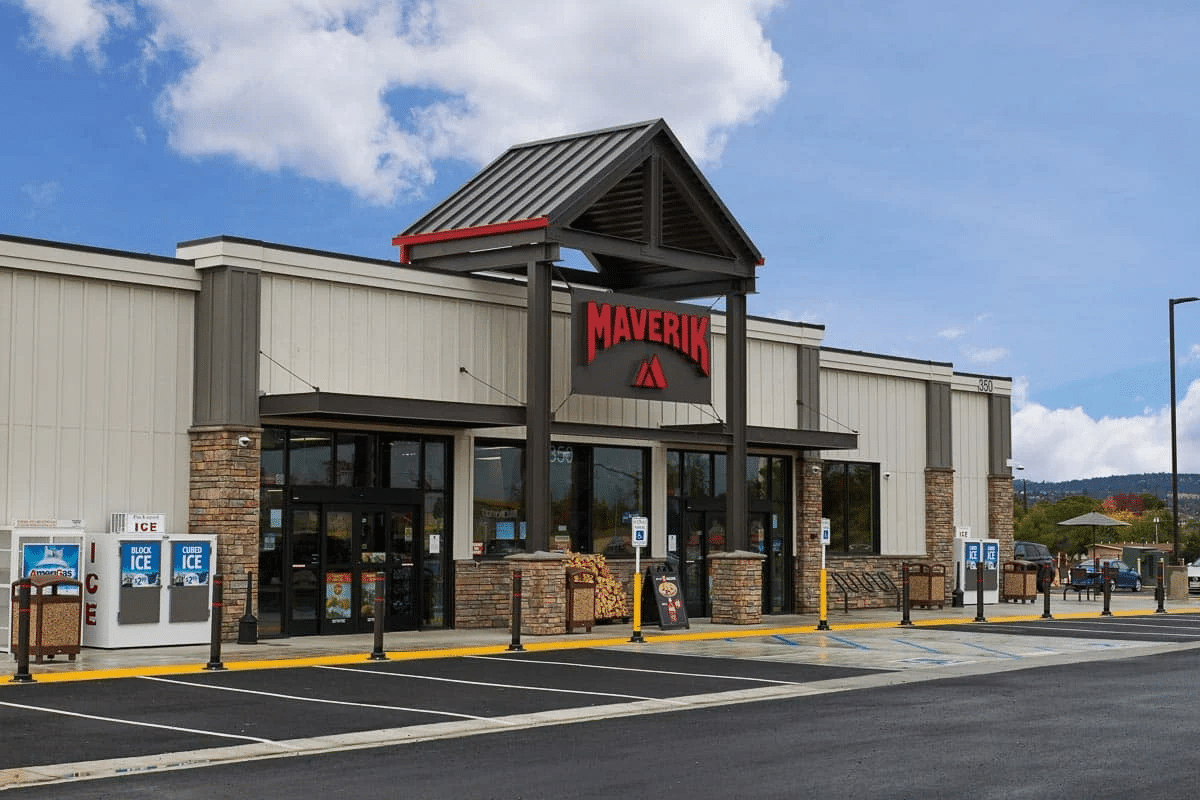
6 Gas Station Chains With Food So Good It’s Worth Driving Out Of Your Way For
We scoured the Internet to see what people had to say about gas station food. If you think the only things available are wrinkled hot dogs of indeterminate age and day-glow slushies, we’ve got great, tasty news for you. Whether it ends up being part of a regular routine or your only resource on a long car trip, we have the food info you need.
Let’s look at 6 gas stations that folks can’t get enough of and see what they have for you to eat.





