
Once trusted as kitchen gospel, many old-school cooking tips are now proven to strip flavor, waste nutrients, and even spread bacteria.
I grew up watching my mom and grandma cook, and, like many of us, I thought everything they did in the kitchen was gospel. It wasn’t until I started experimenting myself that I realized some of those “tried-and-true” tricks didn’t always deliver the best results. One example that I had been following religiously was boiling broccoli.
However, according to a 2004 study published in the Journal of Zhejiang University Science B, boiling broccoli can result in a loss of up to 50% of its vitamin C content. Times change, research evolves, and our taste buds have gotten a little more adventurous, too. So let’s break down some classic cooking habits that might be better left in the past.
Frying everything in lard
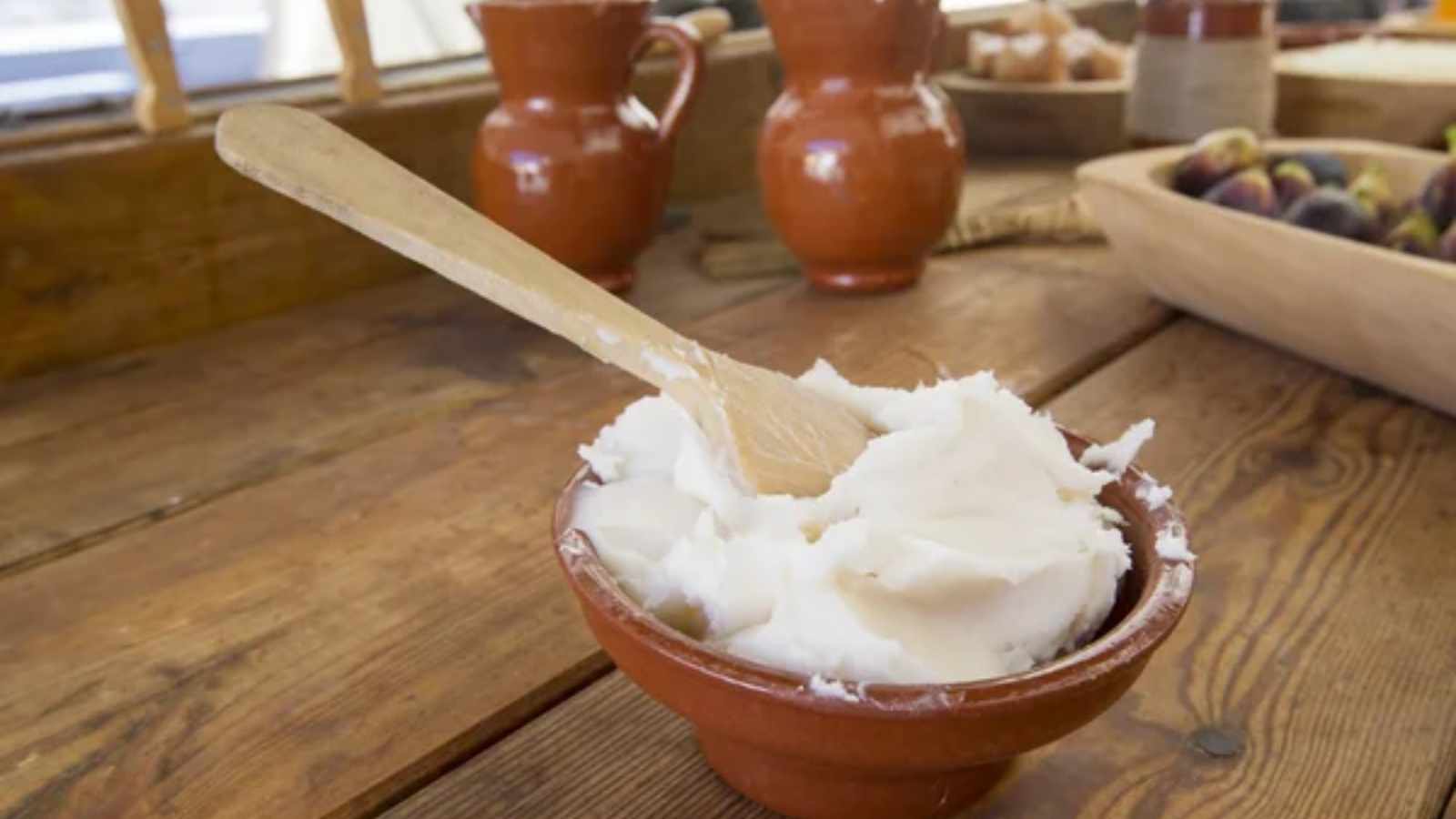
For a long time, lard was the fat of choice, especially in traditional cooking. It gives pie crusts a beautiful texture, sure, but frying everything in it isn’t the best move. Lard contains approximately 40% saturated fat, which is associated with elevated cholesterol levels.
While it’s fine for the occasional pastry, everyday cooking benefits from lighter oils, such as olive or canola. They give you flavor without as much of the long-term heart risk.
Boiling vegetables until they’re soft

We’ve all sat through dinners where the broccoli looked more like green mush than an actual vegetable. Old-school advice often leaned on boiling veggies until they were “tender,” but in reality, it stripped away flavor and nutrients.
A report from The New York Times highlights that boiling can cause a loss of up to 50% of vitamin C in vegetables. Steaming or roasting keeps both the texture and nutrients intact. Plus, crisp veggies just taste fresher and more satisfying on your plate.
Making everything well-done

Somewhere along the way, many households decided meat wasn’t safe unless it was cooked into shoe leather. The problem is that overcooking steals away flavor and leaves you chewing for a long time.
For beef, cooking past medium also means losing juices that make the meat tender. Today, food thermometers are the gold standard for ensuring safety, rather than just cooking everything until it’s dry. It’s a perfect balance of flavor and food safety.
Always rinsing raw meat
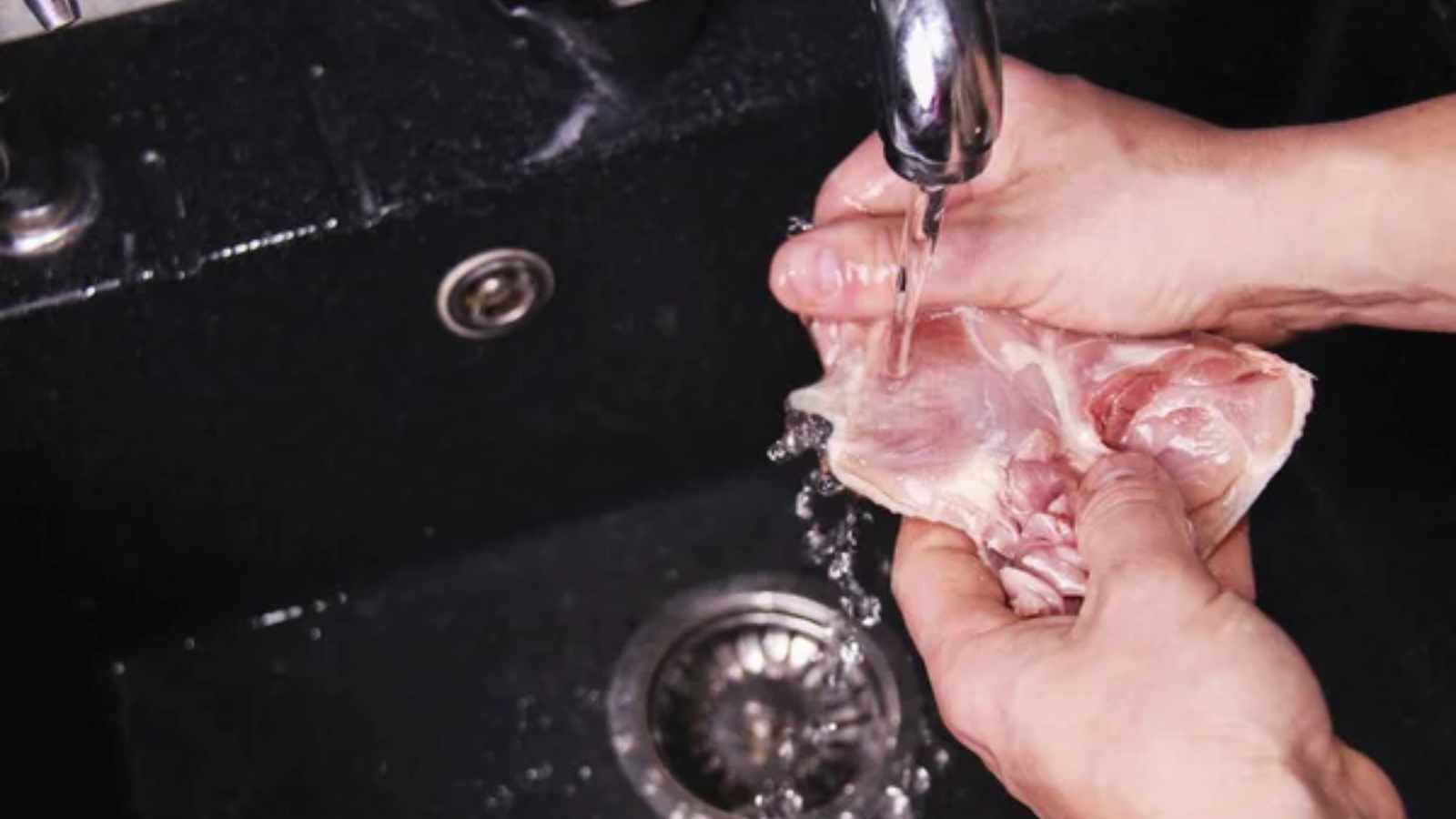
For years, rinsing chicken or beef under the faucet was considered a necessary step. However, food safety experts now strongly advise against it because splashing water spreads bacteria, such as Salmonella, across counters and sinks.
The USDA has emphasized that proper cooking to safe internal temperatures is the only reliable way to kill harmful bacteria. Old habits die hard, but skipping the rinse actually makes your kitchen cleaner. A good pat dry with a paper towel is all you really need.
Skipping seasoning until the end

Old cooking wisdom often advised seasoning “at the table,” leaving salt and pepper shakers to do the heavy lifting. But seasoning as you cook is what layers flavor into food. Waiting until the end often means the outside is salty while the inside tastes flat.
Modern chefs recommend seasoning in stages, using smaller amounts as you go. That way, the flavor develops naturally and evenly.
Using canned soup as a base for everything
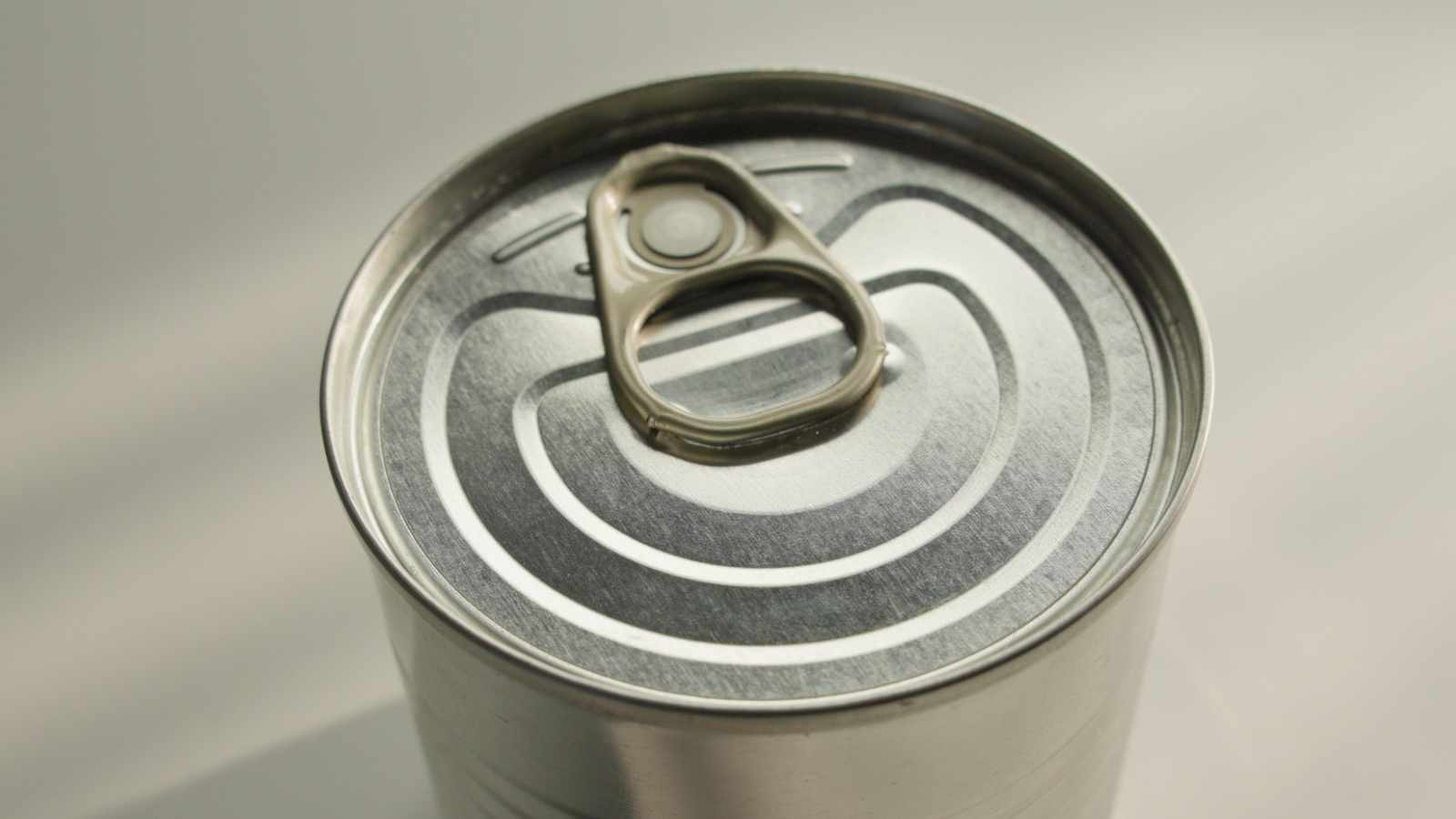
Casseroles and stews from decades past often leaned heavily on canned cream-of-something soups. Sure, it added thickness and flavor, but it also piled on sodium, preservatives, and a monotone taste.
Just one serving of condensed cream of mushroom soup can have more than 800 mg of sodium—that’s a third of the recommended daily limit. Today, making a simple roux or using stock and fresh ingredients adds depth without the heavy salt. Your dish ends up tasting homemade, not processed.
Thinking margarine is healthier than butter

There was a time when margarine was the golden child of “heart-healthy” eating. The problem? Many of those sticks were loaded with trans fats, which we now know increase the risk of heart disease.
While butter isn’t exactly a health food, real butter in moderation is less harmful than the old-school margarine that dominated kitchens for decades. Most nutritionists now recommend using olive oil or avocado oil as everyday go-tos. The butter-versus-margarine debate illustrates the significant evolution of nutrition advice.
Adding baking soda to green vegetables
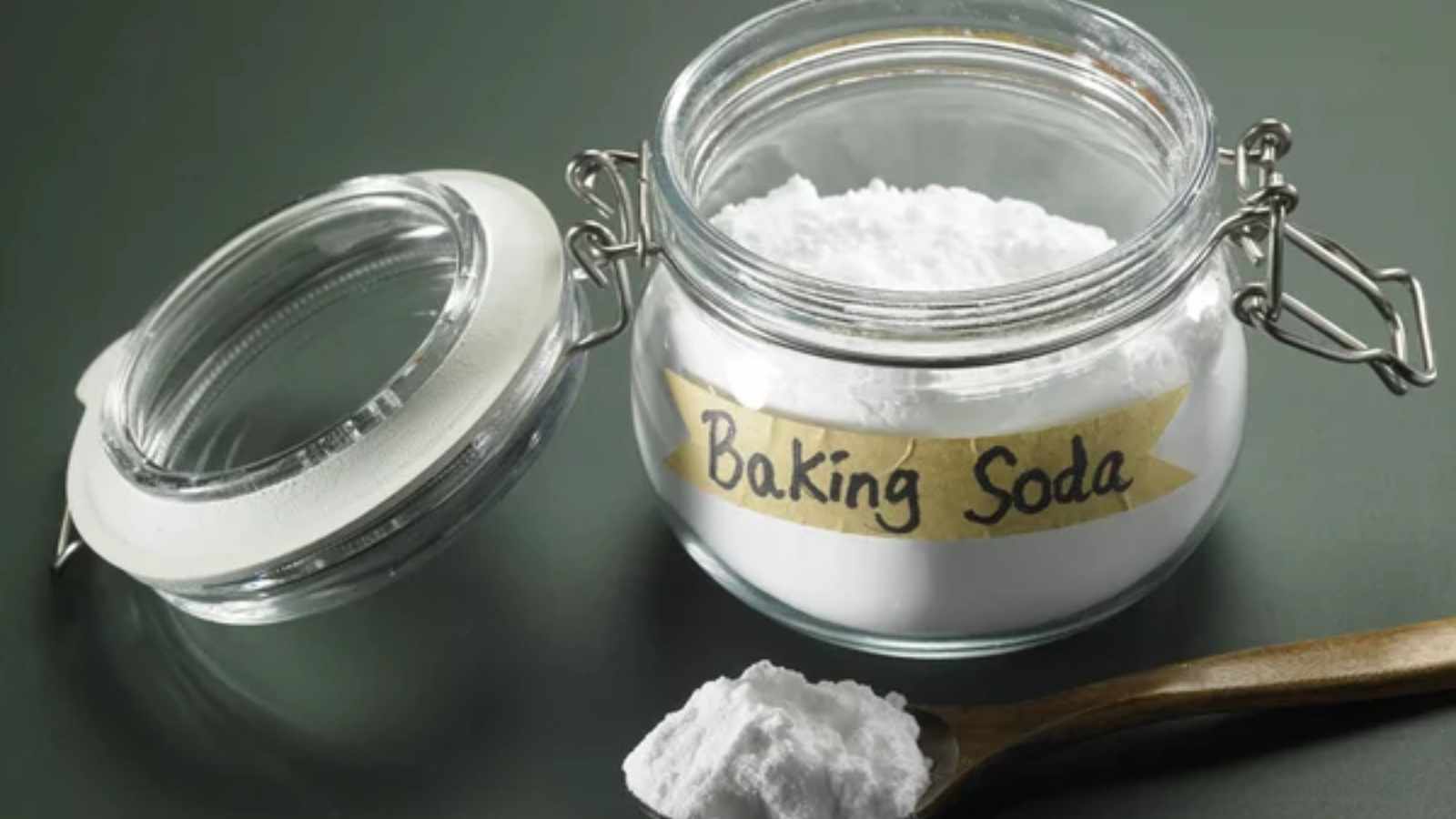
The idea behind this tip was to keep veggies bright and green. While it technically works, it also destroys texture and flavor. Baking soda softens cell walls, which can result in a limp texture and muted flavor.
Worse, it can destroy key nutrients, such as vitamin C, thiamine (B1), and riboflavin. A quick blanch in salted water does the job just fine without turning your side dish into mush.
Save this article
Thinking everything needs to be peeled
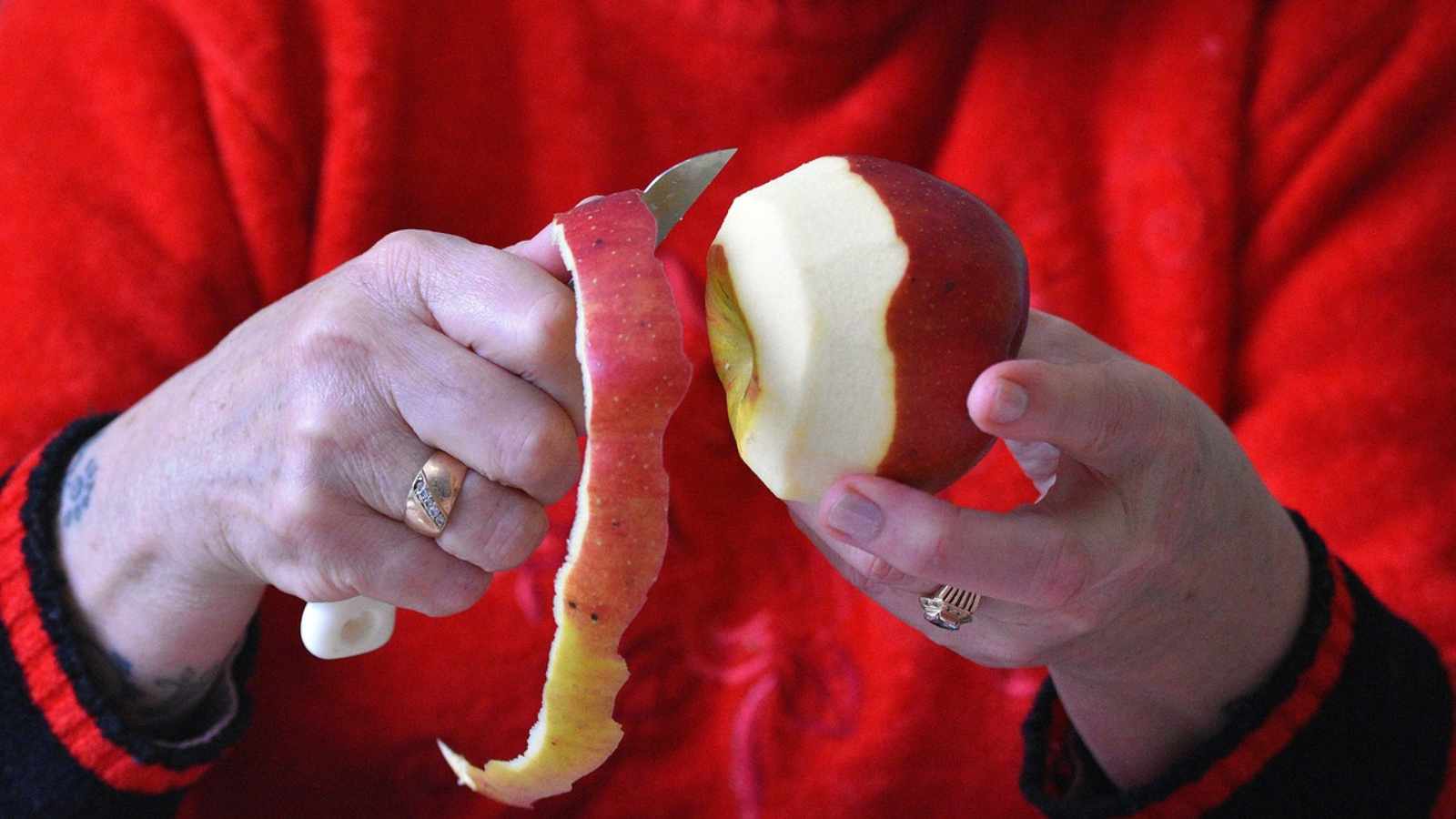
There was once an assumption that peeling fruits and veggies made them “cleaner” and easier to eat. But we now know that’s where much of the fiber and nutrients are.
Apples, potatoes, and cucumbers lose a significant portion of their nutritional benefits once the skin is removed. A medium apple with its skin has nearly twice the fiber compared to a peeled one. As long as you wash produce well, the skin usually does more good than harm.
Cooking pasta until it’s extra soft
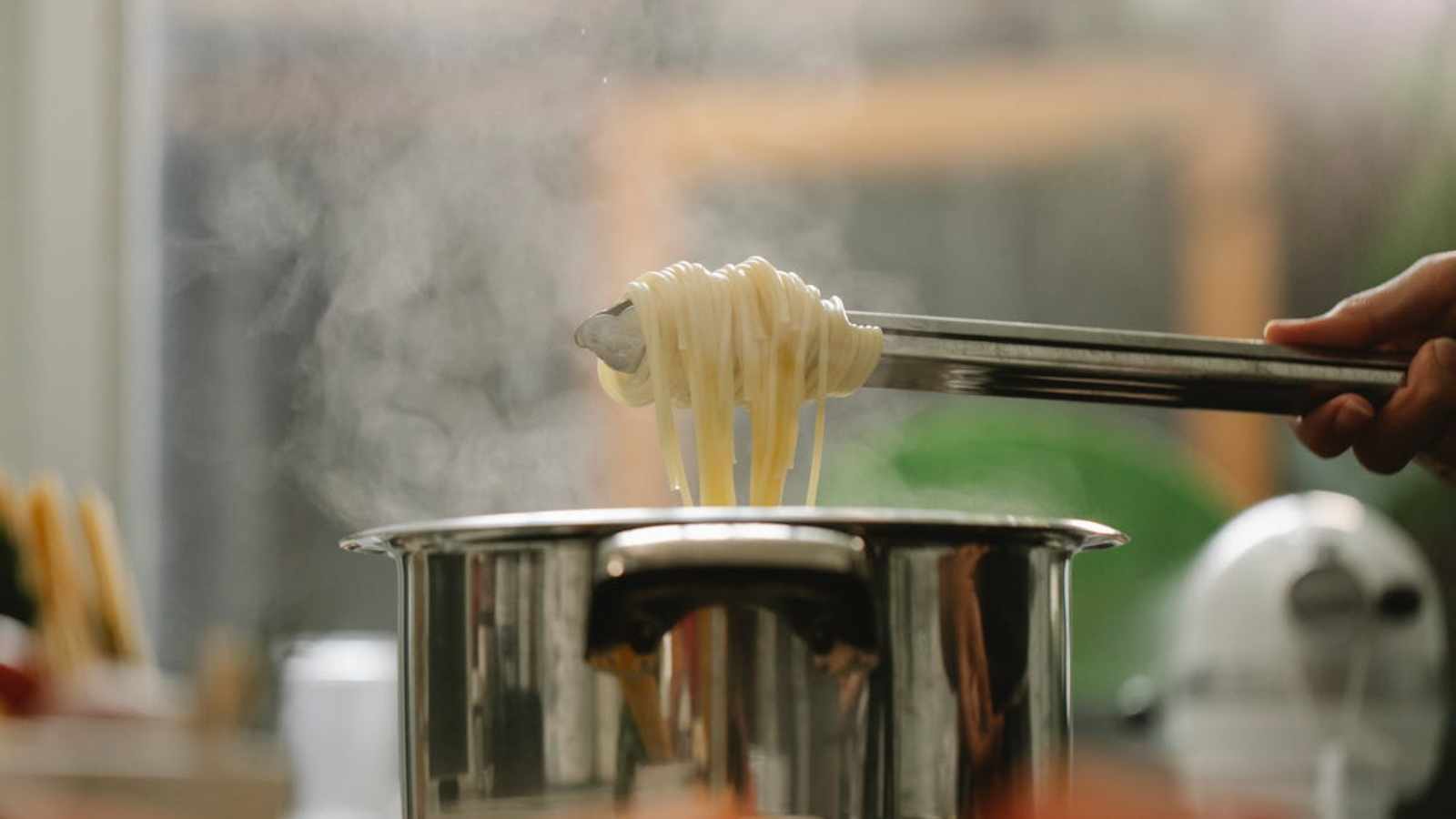
If you grew up being told pasta should be cooked “until it sticks to the wall,” you might have eaten more soggy noodles than you care to admit. Overcooked pasta doesn’t just ruin texture; it also raises its glycemic index, causing blood sugar to spike more quickly.
Perfectly cooked pasta has a GI of around 50–55, considered moderate. Overcooked pasta can push that number higher, edging toward the high GI range (above 70).
That’s especially important for people managing diabetes or blood pressure. Al dente pasta is tastier and healthier. Italians had the right idea all along—just maybe not our grandparents.
Thinking everything needs a can of Crisco
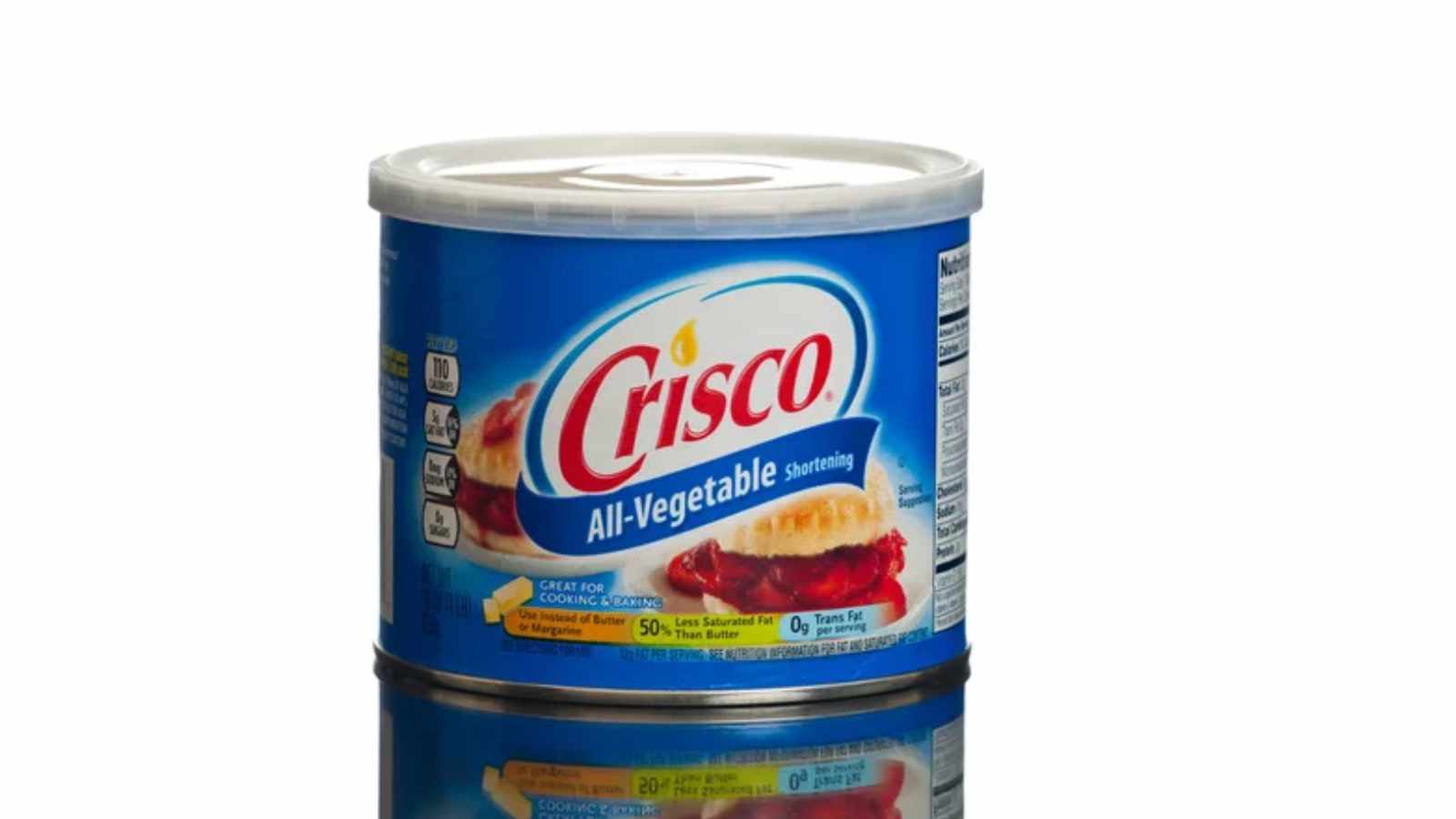
For decades, a tub of Crisco was a kitchen staple, finding its way into biscuits, pie crusts, and even frying pans. But Crisco is hydrogenated vegetable shortening, which means it used to contain high levels of trans fat.
Although it has been reformulated, it’s still not the healthiest choice. Butter or oils offer better flavor and fewer questionable ingredients. Many home bakers now skip it entirely, and their recipes are all the better for it.
Soaking potatoes to “remove starch” before frying
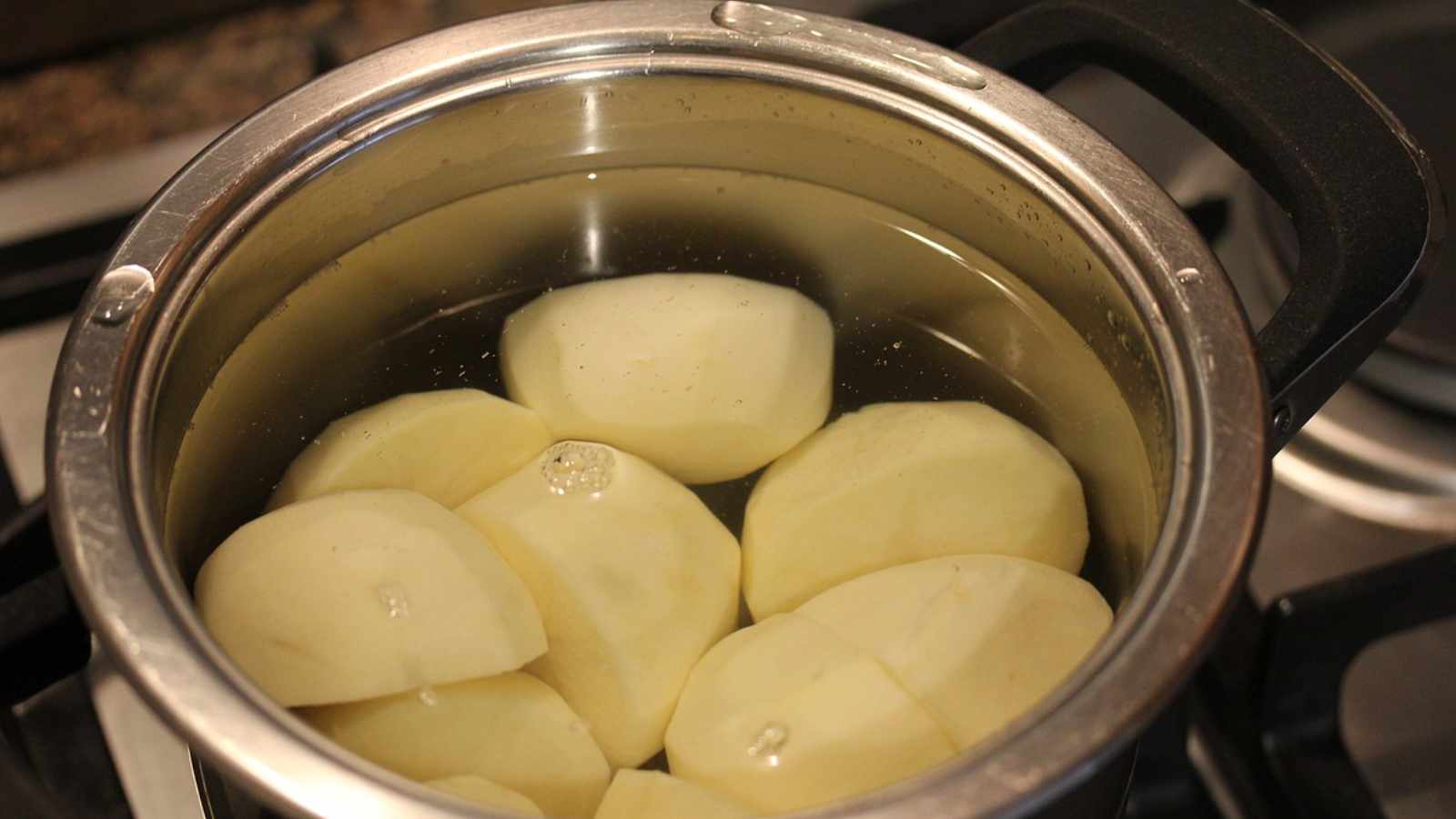
This old trick is still circulating, but it doesn’t actually achieve much beyond making potatoes watery. While soaking can reduce surface starch slightly, it’s not the miracle step many believed.
The key to achieving crisp fries is double-frying or baking at high temperatures. Leaving potatoes in water too long can also strip away flavor. Sometimes simpler is genuinely better.
Key takeaways

Outdated habits often strip away nutrition and flavor. Boiling vegetables to a mush, overcooking pasta, or adding baking soda to greens can leave the food bland, less nutritious, and unappetizing.
Food safety advice has evolved. Practices like rinsing raw meat or overcooking everything “just to be safe” are no longer recommended—proper cooking temperatures and handling are safer and tastier.
Old shortcuts came with hidden health risks. Heavy reliance on margarine, lard, canned soups, or Crisco added unnecessary trans fats, sodium, and preservatives that modern cooking now avoids.
Minor adjustments make meals fresher and healthier. Seasoning throughout, embracing whole ingredients, and keeping peels on produce help boost flavor, nutrition, and overall food quality.
Disclaimer – This list is solely the author’s opinion based on research and publicly available information. It is not intended to be professional advice.
16 grocery staples to stock up on before prices spike again
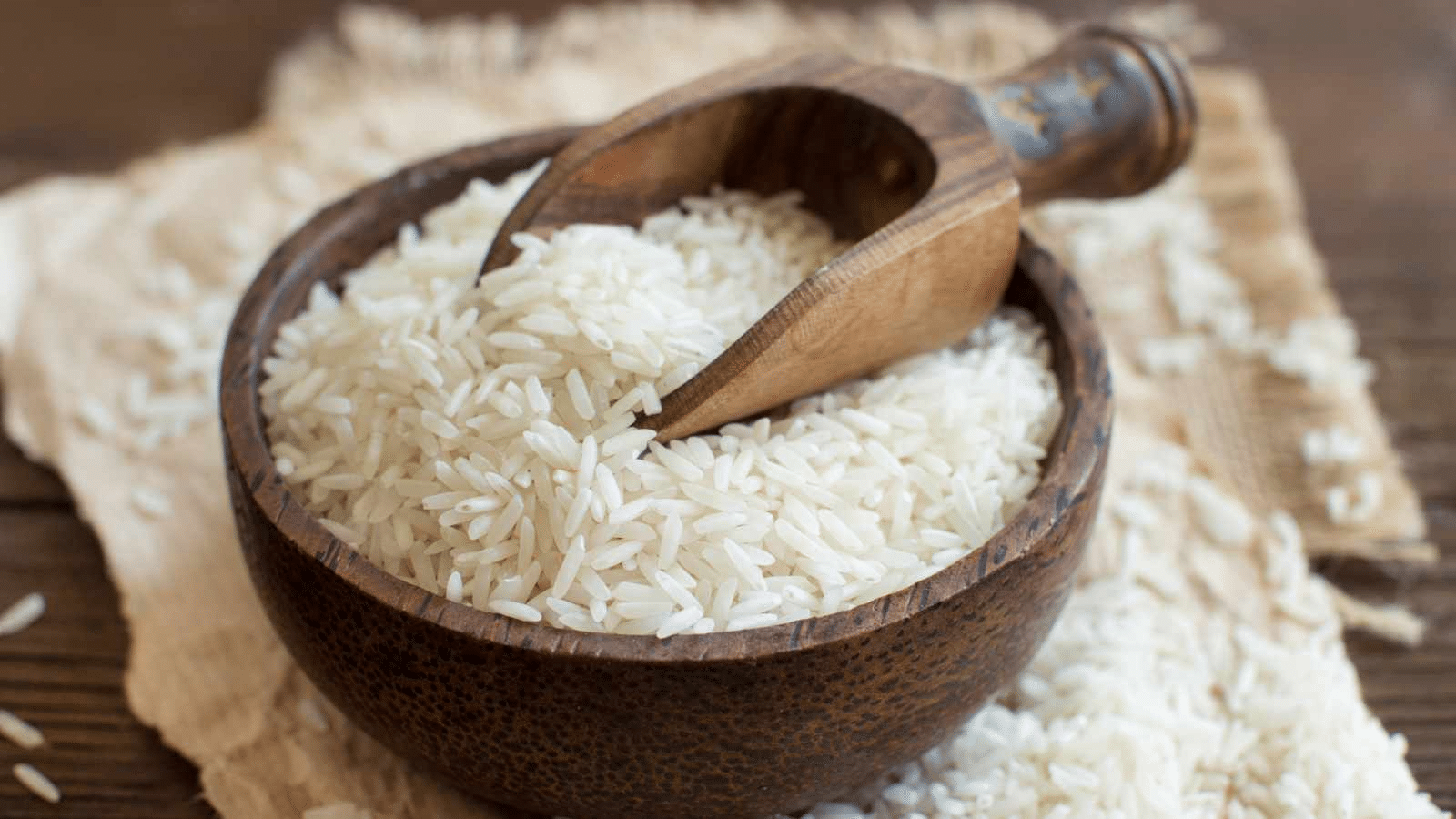
16 Grocery Staples to Stock Up On Before Prices Spike Again
I was in the grocery store the other day, and it hit me—I’m buying the same things I always do, but my bill just keeps getting higher. Like, I swear I just blinked, and suddenly eggs are a luxury item. What’s going on?
Inflation, supply-chain delays, and erratic weather conditions have modestly (or, let’s face it, dramatically) pushed the prices of staples ever higher. The USDA reports that food prices climbed an additional 2.9% year over year in May 2025—and that’s after the inflation storm of 2022–2023.
So, if you’ve got room in a pantry, freezer, or even a couple of extra shelves, now might be a good moment to stock up on these staple groceries—before the prices rise later.
6 gas station chains with food so good it’s worth driving out of your way for
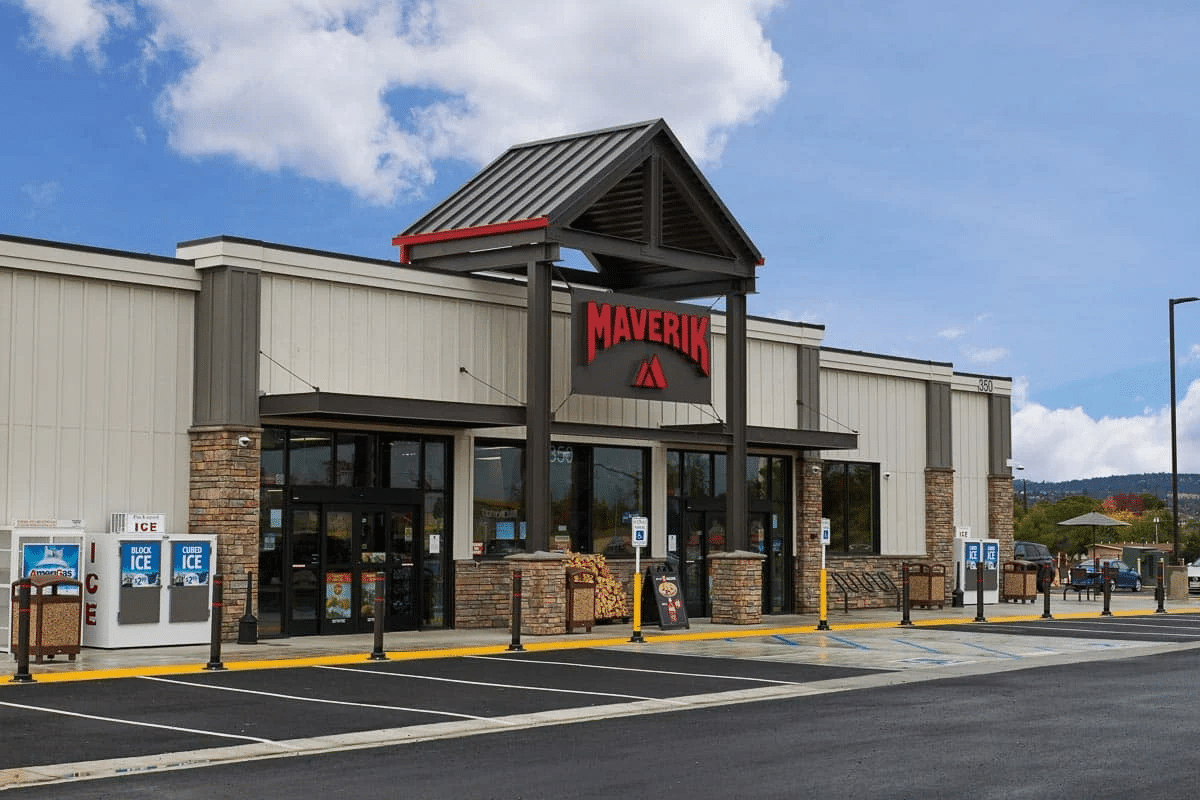
6 Gas Station Chains With Food So Good It’s Worth Driving Out Of Your Way For
We scoured the Internet to see what people had to say about gas station food. If you think the only things available are wrinkled hot dogs of indeterminate age and day-glow slushies, we’ve got great, tasty news for you. Whether it becomes part of a routine or your only resource on a long car trip, we have the food information you need.
Let’s look at six gas stations that folks can’t get enough of and see what they have for you to eat.