

More than 53 million Americans live with diabetes, and what lands in their grocery carts can mean the difference between balance and blood sugar chaos.
Diabetes isn’t just a statistic—it’s something millions of us bump up against every single day. As per The Global Statistics, about 15.8% of U.S. adults—roughly 53.1 million people—are living with it, which means chances are you or someone you love knows the grocery store shuffle all too well. I know I do. What looks like a harmless breakfast option or snack can turn out to be a sugar bomb once you flip the label.
The tricky part is that these foods don’t exactly announce themselves as trouble—they blend right in with the “healthy” choices. So buckle up that shopping cart, because we’re about to roll through the foods that seem friendly at first glance but definitely don’t make the cut for a diabetes-friendly aisle stroll.
White bread and bagels

It’s easy to grab a loaf of white bread or a pack of bagels when you’re in a rush, but these carbs are quick trouble. They’re made with refined flour, which your body processes fast, causing blood sugar spikes.
White bread has a glycemic index (GI) of approximately 90, which places it firmly in the high-GI category—that’s how quickly it hits your system. Whole-grain or sprouted breads are better because they contain fiber, which slows digestion and helps keep levels steadier. You still get your sandwich, just without the blood sugar rollercoaster.
Sugary breakfast cereals

Based on CivicScience, about 70% of U.S. households eat cereal, more than half have it at least once a week, while 12% eat it daily. The bright boxes and cartoon mascots make these cereals feel like harmless fun, but they’re loaded with added sugar.
Some have as much as 12 grams of sugar in a single small serving. That’s about three teaspoons before you even add milk.
Sugary cereals don’t just spike blood sugar; they also leave you hungrier sooner, which sets you up for overeating. Choosing oats or low-sugar whole-grain cereals keeps mornings filling instead of draining.
Flavored rice and pasta mixes

Those boxes of rice pilaf or cheesy pasta sides may look like time savers, but they’re often full of sodium, refined carbs, and added sugars. Some have more than 800 milligrams of sodium per serving. The refined carbs break down quickly, spiking blood sugar, while the salt stresses the heart.
Cooking plain brown rice or whole-grain pasta with your own spices allows you to achieve flavor and balance. It’s a swap that’s better for long-term health without losing convenience.
Sweetened yogurt

Yogurt has that healthy halo, but many of the flavored versions are closer to dessert. A single cup can contain 20 grams of sugar, equivalent to consuming approximately five sugar cubes.
Even fruit-on-the-bottom varieties are often sweetened more than you’d expect. Plain Greek yogurt with real fruit or a drizzle of cinnamon is a smarter pick. You still get the probiotics and protein, minus the sneaky sugar hit.
Canned fruit in syrup

Canned peaches or pears might seem like an easy shortcut to getting more fruit, but the syrup they swim in is the real problem. One serving can add 15 to 20 grams of added sugar, depending on the brand.
It turns what could have been a nutrient-rich snack into a blood sugar spike. Opting for fruit canned in water or its own juice is a simple shift that preserves the natural sweetness of the fruit. Plus, it still tastes just as good chilled on a hot day.
Soda and sweetened drinks

This one’s tough because it’s so common. A single can of soda contains about 39 grams of sugar—that’s nearly ten teaspoons. Liquid sugar absorbs fast, meaning your blood sugar rises quickly than with solid food.
Sugary sodas spike blood sugar levels, forcing the body to release large amounts of insulin. Over time, this can lead to insulin resistance, a key factor in the development of type 2 diabetes. Switching to water, sparkling water, or unsweetened iced tea still keeps things refreshing without that sugar load.
Flavored instant oatmeal

Oatmeal sounds healthy, but those little flavored packets are loaded with added sugar. Maple, apple cinnamon, or strawberries and cream often contain 10 to 15 grams of sugar per serving.
The problem is you think you’re making a “smart” breakfast choice when it’s actually spiking your glucose. Plain oats with fresh fruit or a sprinkle of nuts are much better. They give you fiber, protein, and long-lasting energy.
Flavored coffee drinks

That caramel latte or seasonal pumpkin drink might taste like a hug in a cup, but it often comes with as much sugar as a can of soda. A medium-sized flavored latte can contain over 40 grams of sugar.
The problem is it doesn’t feel like dessert—it feels like part of your morning routine. Cutting back or asking for fewer pumps of syrup makes a real difference. Alternatively, opting for coffee with a splash of milk can keep mornings satisfying without the crash.
Barbecue sauces and condiments

It’s easy to forget that sauces count, but many of them are basically sugar in disguise. Two tablespoons of barbecue sauce can carry 12 grams of sugar. Ketchup, sweet chili sauce, and even some salad dressings are culprits, too.
The tricky part is you don’t always measure them out—you pour until it looks right. Opting for mustard, vinegar-based dressings, or sugar-free versions allows you to enjoy the flavor without the hidden sugar.
Instant noodles

They’re cheap, quick, and admittedly comforting, but instant noodles are packed with refined carbs and sodium. A single serving can have more than 800 milligrams of sodium, which is almost half the daily recommended limit.
Save this article
For people with diabetes, that combination can stress blood pressure and blood sugar at the same time. Plus, the lack of fiber means they leave you hungry soon after. Better to swap them for whole-grain noodles or a quick veggie stir-fry.
Pastries and donuts

Donuts, muffins, and croissants are morning favorites, but they’re a double hit of sugar and refined carbs. A glazed donut has around 11 grams of sugar and nearly 300 calories, yet it doesn’t keep you full. It’s basically a blood sugar spike waiting to happen.
The tricky part is that they’re often part of social routines such as office meetings, coffee runs, or weekend brunches. Choosing protein-rich breakfasts can keep energy steady and cravings at bay.
Processed lunch meats

Those neatly packaged deli meats might seem like an easy protein fix, but they’re usually high in sodium and preservatives. Too much sodium can raise blood pressure, which is already a concern for many people managing diabetes.
Nitrates and additives are another issue, as research has linked them to higher risks of hypertension. Freshly cooked chicken, turkey, or fish is a safer and tastier option. It might take a little more prep, but your heart and blood sugar will thank you.
Ice cream

Everyone loves a scoop on a hot day, but ice cream is often high in sugar and fat. A single half-cup serving can have 15 grams of sugar, and let’s be real—most of us eat more than that.
Dairy-based sweets also tend to raise triglycerides, which is a heart-health concern for people with diabetes. Frozen fruit, yogurt pops, or even banana-based “nice cream” are lighter swaps. You can still have a treat without the sugar overload.
Fried foods

It’s not just about the oil. Fried foods often combine unhealthy fats with refined carbohydrates.
That fried chicken, onion rings, or those irresistible fries? They’re calorie-dense but not nutrient-rich, which can lead to weight gain and insulin resistance over time.
Harvard research has found that people who eat fried foods multiple times a week have a significantly higher risk of type 2 diabetes complications. Baking or air frying can give you that same crisp without all the baggage.
Energy drinks

Marketed as performance boosters, these drinks often pack shocking amounts of sugar and caffeine. Some cans have over 50 grams of sugar, which is more than double the daily recommended limit for women.
The combination of caffeine and sugar can cause blood sugar spikes, followed by crashes. Over time, that rollercoaster isn’t just exhausting—it can increase diabetes complications. Water or unsweetened green tea is a gentler way to get a pick-me-up.
Frozen dinners

Convenient? Yes. Diabetes-friendly? Not usually. Frozen dinners often combine refined carbs, sugary sauces, and excessive sodium. A single tray can contain 1,200 milligrams of sodium, which is nearly half of your daily limit.
Over time, this type of meal pattern can lead to increased blood pressure and blood sugar levels. Cooking larger batches and freezing your own portions gives you the same convenience with way fewer health trade-offs.
Key takeaways
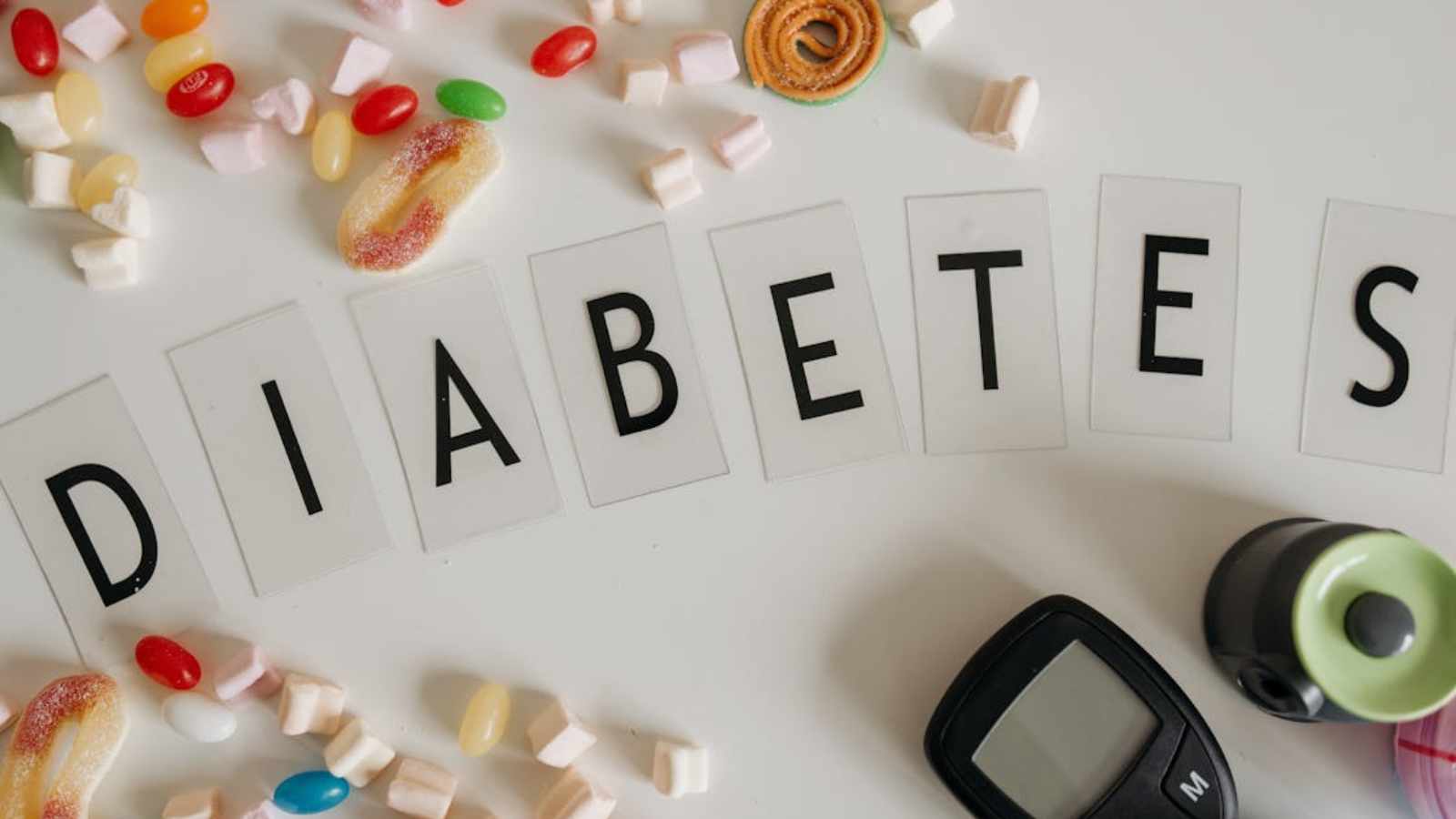
Refined carbs are a hidden danger. Foods like white bread, bagels, pastries, and flavored instant oatmeal break down quickly, causing a rapid spike in blood sugar, and leave you feeling hungrier sooner.
Sugar sneaks into “healthy” foods. Yogurts, cereals, canned fruit in syrup, sauces, and condiments often carry more sugar than you’d expect, making them risky choices for diabetes management.
Processed and convenience foods make it harder to maintain a balanced diet. Frozen dinners, instant noodles, flavored rice mixes, and deli meats pack high sodium, unhealthy fats, and preservatives that stress both blood sugar and heart health.
Beverages can be sugar bombs in disguise. Sodas, energy drinks, flavored coffee drinks, and even some fruit juices deliver fast-absorbing sugar that leads to dangerous glucose spikes and crashes.
Disclaimer – This list is solely the author’s opinion based on research and publicly available information. It is not intended to be professional advice.
16 grocery staples to stock up on before prices spike again
16 Grocery Staples to Stock Up On Before Prices Spike Again
I was in the grocery store the other day, and it hit me—I’m buying the same things I always do, but my bill just keeps getting higher. Like, I swear I just blinked, and suddenly eggs are a luxury item. What’s going on?
Inflation, supply-chain delays, and erratic weather conditions have modestly (or, let’s face it, dramatically) pushed the prices of staples ever higher. The USDA reports that food prices climbed an additional 2.9% year over year in May 2025—and that’s after the inflation storm of 2022–2023.
So, if you’ve got room in a pantry, freezer, or even a couple of extra shelves, now might be a good moment to stock up on these staple groceries—before the prices rise later.
6 gas station chains with food so good it’s worth driving out of your way for
6 Gas Station Chains With Food So Good It’s Worth Driving Out Of Your Way For
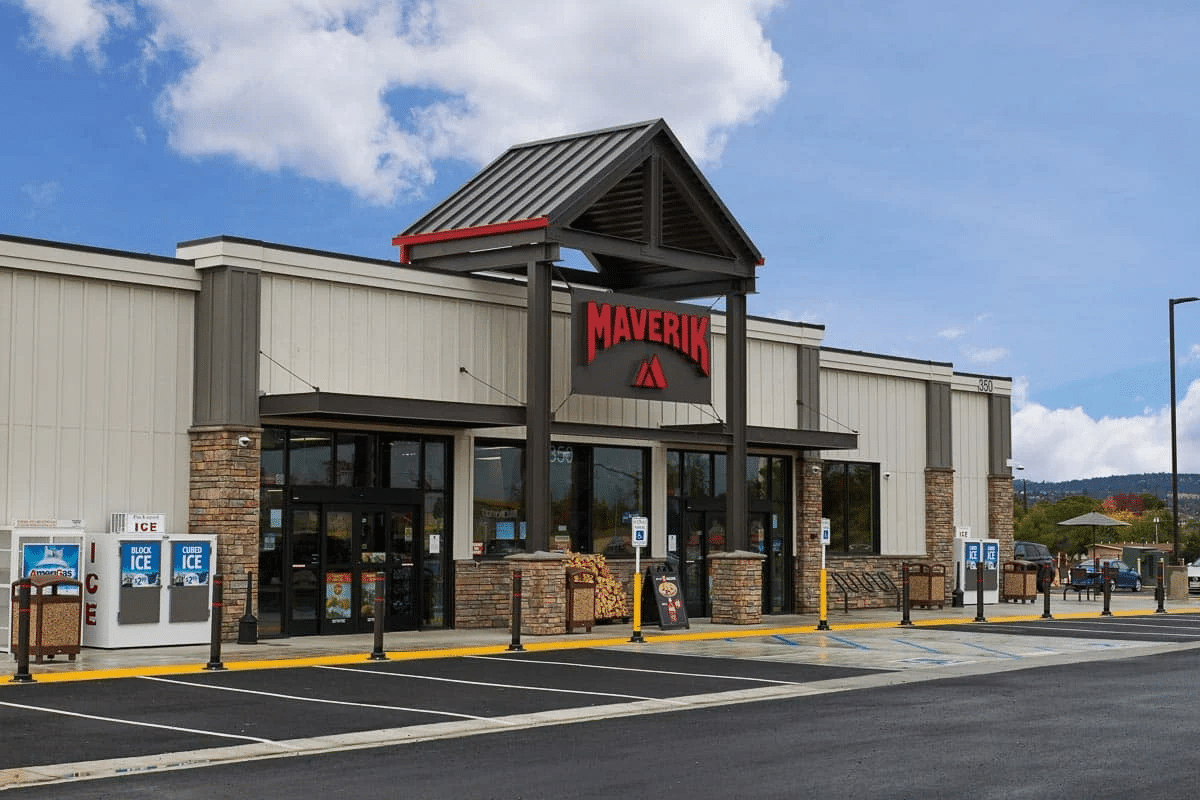
We scoured the Internet to see what people had to say about gas station food. If you think the only things available are wrinkled hot dogs of indeterminate age and day-glow slushies, we’ve got great, tasty news for you. Whether it becomes part of a routine or your only resource on a long car trip, we have the food information you need.
Let’s look at six gas stations that folks can’t get enough of and see what they have for you to eat.