

As digital habits reshape daily life, many routines once common among Baby Boomers are steadily fading from everyday use.
Every generation leaves a mark on the way we live. For baby boomers, many daily rituals were born in an era of landlines and paper maps, creating a sense of order that felt permanent. As younger folks take the lead, these long-held traditions are starting to feel like dusty relics from a different century.
It is a bit bittersweet to watch these habits slip away into history. While some changes bring a sense of relief, others might leave us feeling a little nostalgic for a simpler time. Here are the specific behaviors that are currently heading for the exit as the digital age continues to reshape our lives.
Using Physical Road Maps For Long Trips

Navigating a cross-country adventure used to require a steady hand and the ability to fold a giant paper map. Boomers have fond memories of the “trip tics” from AAA and the frustration of missing a turn because the map was upside down. It was a skill that required patience and a good sense of direction to reach the final destination safely.
Almost all drivers now rely on GPS apps like Google Maps or Waze to get where they are going. These digital tools provide real-time traffic updates and rerouting that a paper map simply cannot offer during a busy commute. The old atlas is now more of a collector’s item than a practical tool for the modern highway.
Printing Every Document On Physical Paper

If you walk into a boomer office, you will likely see tall stacks of printed emails and travel itineraries sitting on the desk. They often feel more comfortable reading from a physical page that they can hold and mark up with a highlighter.
This habit is quickly fading as high-definition screens and cloud storage make paper feel unnecessary and quite bulky. Data from environmental groups indicates that office workers still use about 10,000 sheets of paper every year, but that number is falling as digital tools take over.
Most younger professionals would rather save a PDF to their phone than carry a heavy folder through a busy airport terminal. The “paperless office” is finally becoming a reality as we move toward a more sustainable way of working.
Writing Long Letters In Cursive Script

There is a unique beauty in a handwritten letter, but the art of cursive is no longer a core part of the school syllabus. Many boomers still take pride in their elegant loops and swirls when sending a birthday card or a thank-you note. For them, it is a sign of a good education and a respectful way to communicate with those they love.
Currently, only 21 states in the U.S. require schools to teach cursive writing to their students. This means that a whole generation may soon struggle to read historical documents or even their own grandparents’ holiday cards. The focus has shifted to typing speed and digital literacy, leaving the fountain pen to gather dust in the drawer.
Watching Scheduled Television Broadcasts

The idea of rushing home to catch a specific show at 8 p.m. is rapidly losing its appeal. Boomers grew up with a limited number of channels and the shared experience of watching the same programs at the same time. This ritual created a cultural shorthand that allowed everyone to talk about the same scenes at work the next day.
Statistics show that 70% of households now prefer streaming services to traditional cable or satellite television. The power of “on demand” viewing has broken the old schedule, allowing people to watch what they want, whenever they actually want to see it. Appointment viewing is now mostly reserved for live sports or major national news events.
Ironing Every Single Piece Of Clothing
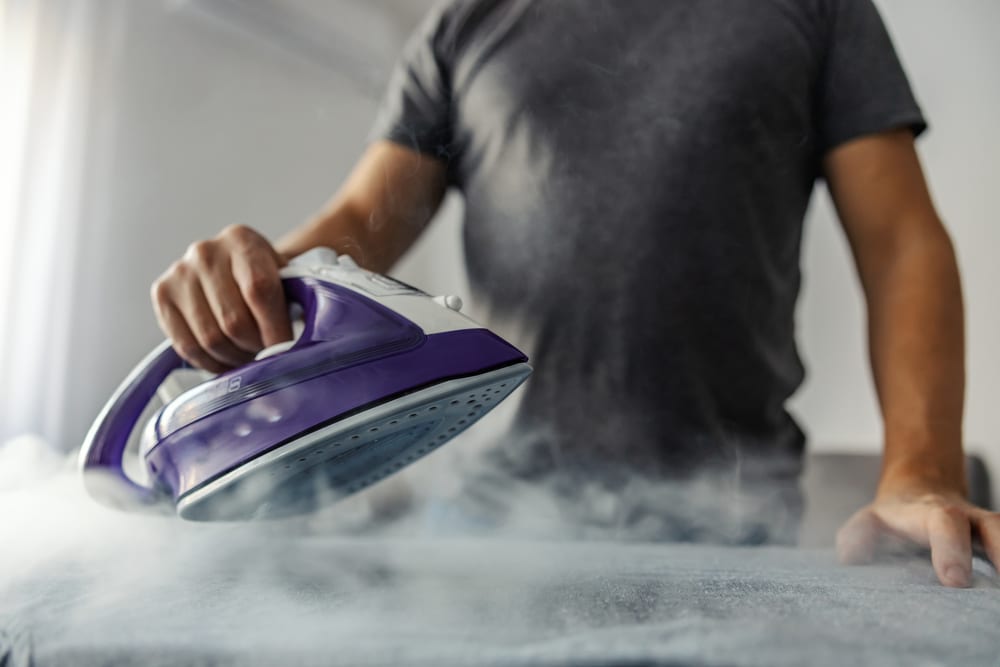
Taking the time to press a shirt or a pair of slacks used to be a standard part of everyone’s morning routine. Boomers often view a wrinkle as a sign of laziness or a lack of professional respect in public settings.
This strict standard is softening as casual dress codes and wrinkle-free fabrics become the new norm for the modern worker.
Expert lifestyle analyst Cheryl Mendelson states, “The decline of ironing reflects our shift toward a more relaxed and fast-paced way of living. Market data indicate that sales of traditional irons have declined as steamers and easy-care textiles gain popularity in the home.
Keeping Thick Phone Books In The Kitchen

There was a time when every household had a massive yellow book sitting right next to the wall-mounted kitchen phone. It was the only way to find a local plumber or a nearby pizza shop before the internet changed the game forever. Boomers still remember the weight of those pages and the thin paper that felt like it might tear at any moment.
Today, local searches are performed on a smartphone or a computer rather than in a physical directory. The printed phone book has become a symbol of wasted resources, with many cities now making it an “opt-in” service only. It is much easier to ask a digital assistant for a number than to flip through thousands of tiny names.
Eating Dinner At A Specific Fixed Time
Save this article
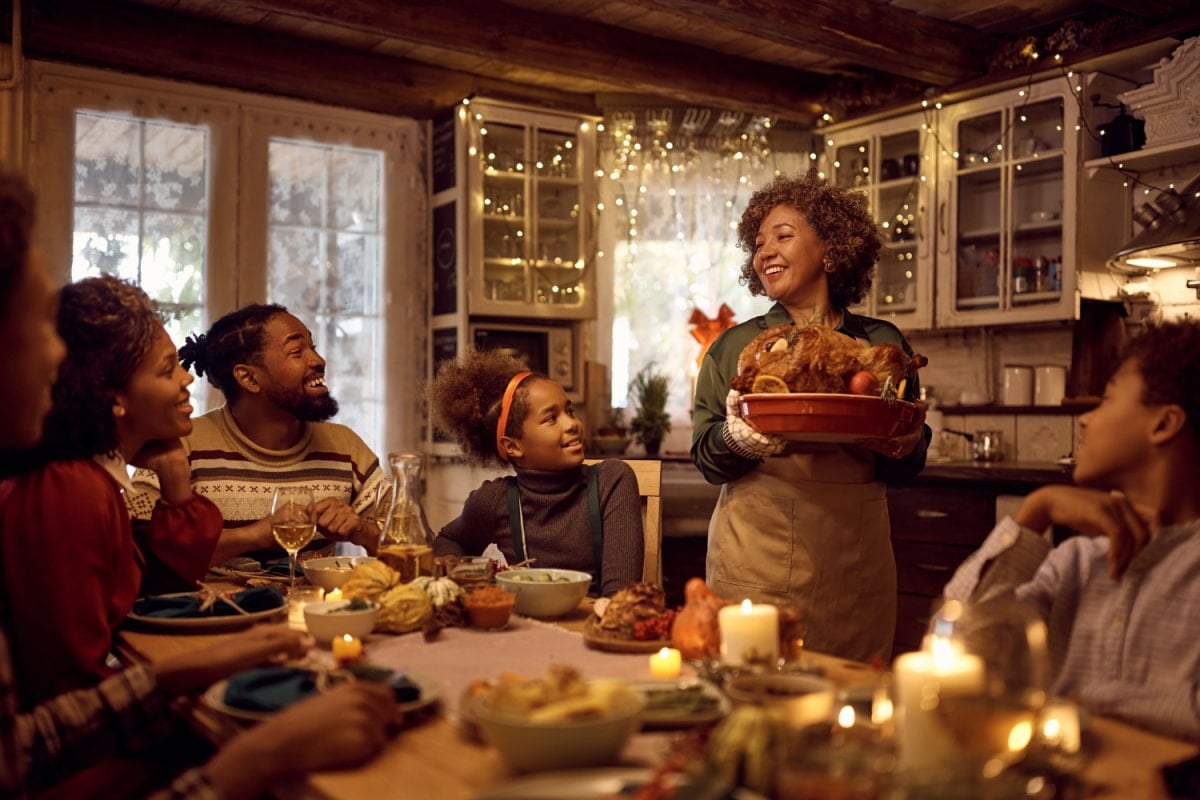
For many boomer families, the evening meal was a non-negotiable event that happened at exactly 6 p.m. every single day. It served as a dedicated time for the family to reconnect and share their day without the distraction of screens or outside hobbies.
This structure provided a deep sense of stability and routine, though it often felt rigid for children with busy after-school schedules and evolving social lives. Flexible work hours and diverse individual interests have turned the formal sit-down meal into a more casual and staggered event for many.
While the emotional connection remains highly valued, the strict clock-watching of the past is slowly fading in most modern homes.
Buying Music On Physical Compact Discs

The joy of browsing a record store bin and holding a new CD is a memory many boomers cherish. They take pride in their physical collections, often displaying them in large wooden towers in the living room for guests to see. For them, owning the physical media felt more permanent and valuable than a digital file that could disappear.
Statistics from the music industry reveal that streaming now accounts for 84% of all recorded music revenue in the United States. Physical sales continue to dwindle, with most big box stores removing their CD sections entirely to make room for other goods. The convenience of having millions of songs in your pocket has clearly won out over the physical disc.
The Ritual Of Balancing A Physical Checkbook

There was a time when sitting down with a pen and a paper ledger was mandatory every month. Boomers often spent hours making sure every single cent was accounted for before the bank sent out a paper statement.
This practice provided a sense of control over their personal finances that felt very real and very tangible for many decades. Digital banking has made this manual task feel like a waste of time for those who prefer instant updates.
Statistics show that only about 4% of Americans still use physical checks or ledgers for their regular transactions. Most people now rely on automated alerts to keep their budget on track without ever picking up a ballpoint pen at the kitchen table.
Answering Calls From Unknown Phone Numbers

For older generations, a ringing phone was an exciting social opportunity that could not be ignored. They were raised in a world where you picked up every call because it might be a friend or a family member. This open-door policy on communication is rapidly disappearing as spam calls continue to flood our digital lives every single day.
Research suggests that roughly 80% of consumers now will not answer a call if the number is not already saved in their personal contact list. Younger generations prefer to let it go to voicemail, then send a quick text to see who was calling. The idea of talking to a complete stranger on a whim is now seen as more of a risk than a reward.
Saving Everything Just In Case

Many boomers grew up with parents who lived through lean times, leading to a habit of keeping every spare screw and plastic tub. Their garages and basements are often filled with items that might be useful “someday,” even if that day never actually comes.
This focus on resourcefulness is now being replaced by a more minimalist approach to home organization and storage. Younger generations would rather buy a new item when they need it than store a broken one for five years in the hopes of fixing it. The “less is more” philosophy is winning over the “keep it all” mentality of the past.
Formal Place Settings For Every Holiday

Setting a table with multiple forks and specific glasses for water and wine is a skill that many boomer hosts have mastered. They enjoy the theater of a formal holiday meal, complete with a linen tablecloth and a polished centerpiece that they made themselves. It is a way of showing love and hospitality through a carefully curated, highly structured visual experience.
Modern hosts now prefer a buffet style or casual “friendsgiving” approach over a formal sit-down event. People are choosing comfort and ease over the stress of following traditional etiquette rules that feel a bit outdated for a casual weekend. The focus is shifting toward the quality of the conversation rather than the position of the salad fork.
Key Takeaways

Watching these boomer habits fade away is a reminder of how quickly our daily lives can transform when new technology and social values take hold. While some may miss the elegance of cursive or the weight of a physical map, others embrace the freedom and efficiency that digital tools provide for our busy lives. Embracing the best of both worlds allows us to stay connected to our history while moving forward with a sense of purpose.
Disclaimer: This list is solely the author’s opinion based on research and publicly available information. It is not intended to be professional advice.
Like our content? Be sure to follow us