It’s a new era in the office, and the rulebook is getting a serious rewrite. For years, the workplace operated on a set of unspoken (and sometimes very spoken) regulations that dictated everything from how you dressed to when you could take a break. But a new wave of professionals, primarily Millennials and Gen Z, are politely yet firmly saying “no, thank you” to many of these old ways.
These younger generations grew up with different technologies and different economic realities. They’re not just seeking a paycheck; they’re looking for purpose, flexibility, and a healthier relationship with their careers. The result is a fascinating cultural shift, challenging long-held assumptions about what “professional” truly means, and reshaping our collective lifestyle.
Ignoring Feedback or Seeking It Only Annually

Annual performance reviews feel like an eternity for generations who grew up with instant feedback online. Millennials and Gen Z crave continuous feedback, both positive and constructive, to understand their performance and areas for growth. They view feedback as a tool for self-improvement, rather than a dreaded yearly event.
Mandatory Social Events

While team building is essential, forcing employees to attend after-hours social events can feel like an extension of the workday, especially for those who prioritize personal time or manage family responsibilities. Younger generations prefer organic connections and activities that genuinely foster relationships rather than obligatory attendance.
Strict 9-to-5 Schedules

The idea of clocking in precisely at 9 AM and out at 5 PM feels like a relic to many younger workers. They prioritize results and output over rigid adherence to a schedule. If the work gets done, and done well, whether it’s at 7 AM or 7 PM, that’s what matters. This push for flexibility is about productivity, not shirking duties. A 2023 survey found that 73% of Gen Zers want permanent, flexible alternatives to the traditional in-office 9-to-5 work arrangement.
Formal Dress Codes

Ties, suits, and pantyhose? For many Millennials and Gen Z, these are relics of the past. They advocate for comfort and authenticity in their attire, believing that what they wear doesn’t impact their capability. As long as it’s suitable for the workplace, comfortable clothing can even enhance productivity and overall well-being. A report from Sourcing Journal states that 58% of people would prefer to work at a company with a relaxed dress code.
“Face Time” as a Measure of Productivity

The adage that you had to be seen at your desk to be considered working hard is falling by the wayside. Younger generations champion a results-oriented approach, where deliverables and impact matter more than physical presence. The rise of remote and hybrid work has truly highlighted this shift in focus, contributing to greater productivity. A study by Owl Labs found that remote workers are 91% more productive when working remotely.
Seniority-Based Promotions

Millennials and Gen Z expect their hard work and skills to be recognized and rewarded, not just their tenure. The idea of waiting years for a promotion simply because someone else has been there longer feels outdated and stifling. They are motivated by growth and tangible progress in their careers. Business Insider reported in 2024 that 39% of workers are uninterested in promotions, while 42% would turn one down altogether.
The “Work Comes First” Mentality

The days of sacrificing everything for your job are essentially over for these generations. Work-life balance isn’t a perk; it’s a fundamental expectation. They understand that a fulfilling lifestyle outside of work contributes to better mental health and overall productivity when they are at work.
Staying at One Company for Decades

Save this article
The idea of a “job for life” is largely obsolete. Younger generations are more likely to “job hop” in search of better opportunities, higher pay, or simply a better cultural fit. They view career progression as a journey with multiple stops, prioritizing personal growth and diverse experiences over long-term loyalty to a single employer. A 2023 Gallup report indicated that 21% of Millennials have changed jobs in the past year, which is three times the rate of non-Millennials.
Rigid Communication Hierarchies

Formal emails for every little thing? Waiting for approval to speak to someone “above” you? Younger workers prefer direct and informal communication, often through instant messaging or brief virtual calls. They value open dialogue and collaboration across all levels, believing it leads to faster problem-solving and better team cohesion, boosting overall productivity. Newsweek reported in 2024 that Gen Z is breaking workplace rules twice as much as Baby Boomers regarding casual communication.
Inflexible Work Locations

The expectation that work must happen from a specific office building is rapidly fading. Millennials and Gen Z are accustomed to technology that allows them to work from anywhere with an internet connection. They value the freedom to work from home, decorate their offices, co-working spaces, or even during travel, as long as the job gets done. According to a survey, 84% of millennials and 74% of Gen Z want more remote work options.
Unclear Career Paths

These generations seek transparency in their career progression. They want to know what steps they need to take, what skills they need to develop, and what opportunities exist for advancement. A vague “grow with the company” isn’t enough; they need a clear roadmap for their growth and self-improvement. RippleMatch reports that 70% of Gen Zers expect to receive a promotion at work within 18 months.
Rigid Job Descriptions

The idea of being confined to a narrow, static job description feels limiting. Millennials and Gen Z often seek to acquire new skills, assume diverse responsibilities, and contribute in various ways. They thrive in environments where they can develop their capabilities and engage with multiple food features or recipes, metaphorically speaking, demonstrating their adaptability.
Disclaimer – This list is solely the author’s opinion based on research and publicly available information. It is not intended to be professional advice.
How Total Beginners Are Building Wealth Fast in 2025—No Experience Needed

How Total Beginners Are Building Wealth Fast in 2025
I used to think investing was something you did after you were already rich. Like, you needed $10,000 in a suit pocket and a guy named Chad at some fancy firm who knew how to “diversify your portfolio.” Meanwhile, I was just trying to figure out how to stretch $43 to payday.
But a lot has changed. And fast. In 2025, building wealth doesn’t require a finance degree—or even a lot of money. The tools are simpler. The entry points are lower. And believe it or not, total beginners are stacking wins just by starting small and staying consistent.
Click here and let’s break down how.
5 Easy Steps to Change Any Habit
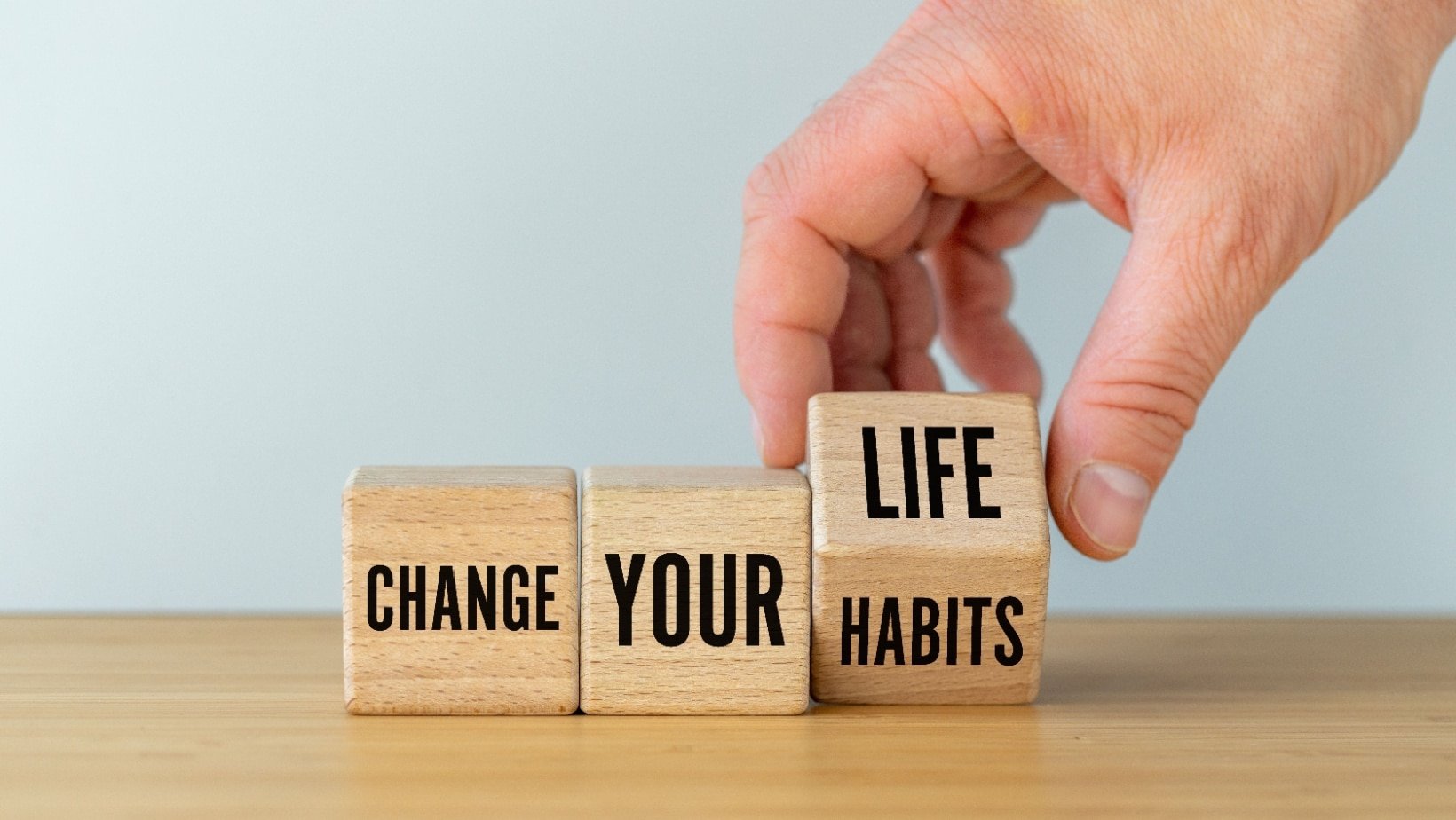
5 Easy Steps to Change Any Habit
We all click on them with the hope that just THIS time the secret to changing a bad habit or adopting a healthy one will be revealed and we’ll finally be able to stick to that diet, stop that one or ten things that might in the moment make us feel temporarily good but really just make us fat, unhealthy, sad, mad or just frustrated with ourselves.