

The off-grid dream that’s sweeping social media could quietly be destroying couples who try it.
Leaving the conventional grid behind, with its steady stream of electricity and municipal water, sounds like a romantic ideal, doesn’t it? Visions of self-sufficiency, starry nights, and a simpler existence often fill the imagination. For many, it’s a powerful call to reconnect with nature and escape the hustle and bustle.
Yet, trading city lights for starlight can cast a long shadow on even the strongest partnerships. The dream of off-grid living, while alluring, often comes with a gritty reality that tests the limits of patience, compromise, and communication between partners. It’s a leap of faith that can either forge an unbreakable bond or drive a wedge between two people.
The Constant Workload Can Be Overwhelming
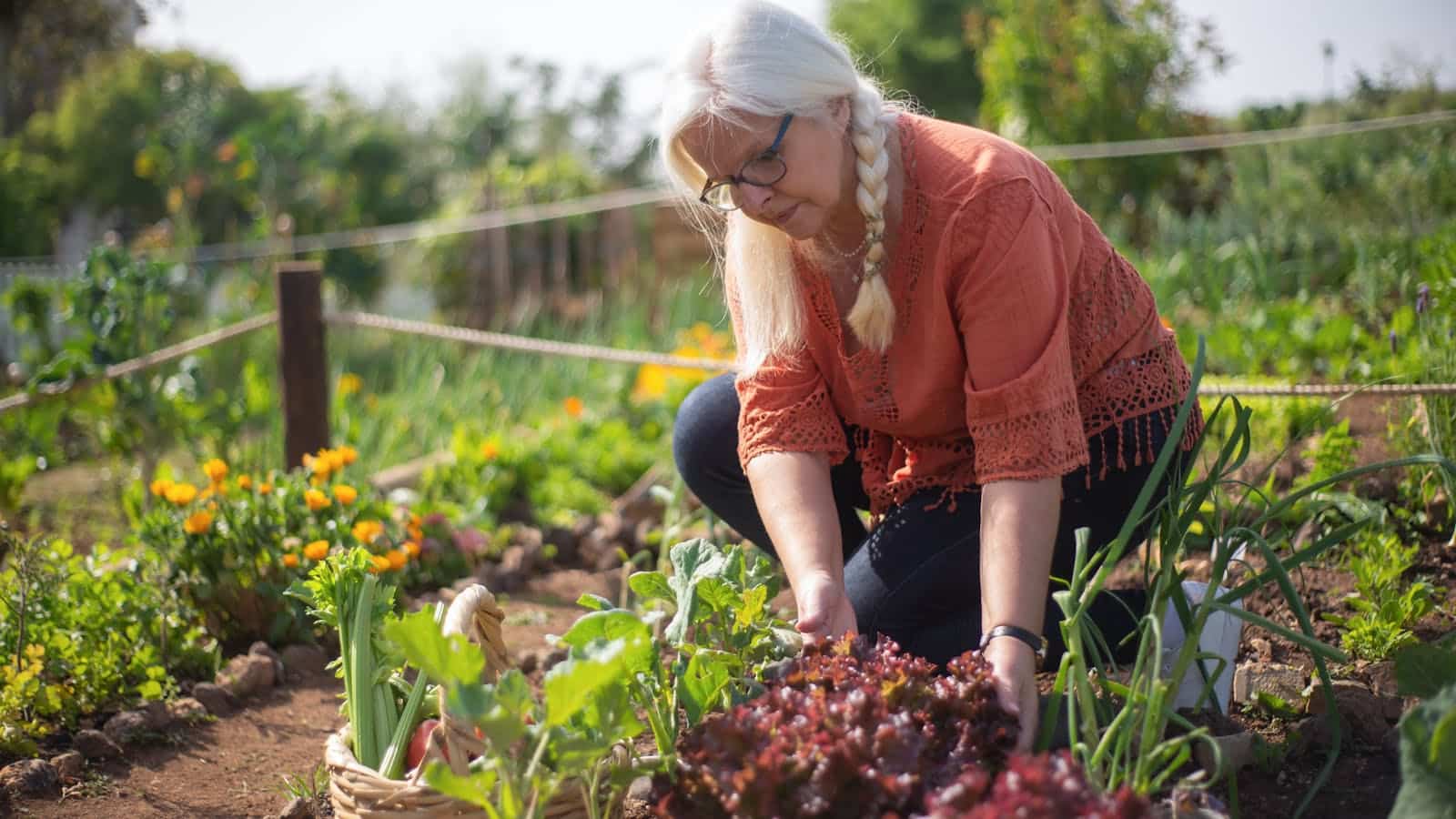
Imagine waking up every day knowing your home’s entire operation rests squarely on your shoulders. From generating power to hauling water, the chores are endless. One partner might feel like they’re carrying more than their fair share, leading to resentment and exhaustion. It’s like being on a never-ending camping trip, but without the option to pack up and go home.
Different Visions For Self-Sufficiency

One partner might dream of a sprawling farm with livestock and extensive gardens, while the other wants enough solar panels to power a small cabin. These differing expectations can quickly become a source of contention. Couples may disagree over the scope and scale of their off-grid setup. It’s tough to build a harmonious home when you’re not even on the same page about what that home should look like.
Lack of Privacy

When your living space is smaller and every system requires hands-on involvement, alone time can become a rare commodity. There’s nowhere to escape when you’re sharing close quarters, and every task is a joint effort. This lack of personal space can fray nerves and lead to arguments over trivial matters, like who gets to use the composting toilet first.
The Financial Strain Is Real

Setting up an off-grid system, from solar arrays to water catchment, involves a substantial initial investment. And even after that, there are ongoing costs for maintenance and unexpected repairs. Financial stress is a leading cause of relationship troubles, and off-grid living can exacerbate this pressure.
Social Isolation Can Take Its Toll

Moving far from friends and family, as well as the conveniences of town, can leave partners feeling isolated and disconnected from the world. While some thrive in solitude, others crave social interaction. This disparity in social needs can lead one partner to feel lonely and neglected, while the other feels misunderstood.
Dealing With Unexpected Problems

Picture this: your solar inverter goes out during a cold snap, or your well pump mysteriously stops working. These aren’t minor inconveniences; they’re immediate crises that demand solutions. The constant problem-solving can be incredibly stressful, and when tempers flare, partners might turn on each other instead of the problem at hand.
Differing Comfort Levels With “Roughing It”

What one person considers a charming rustic experience, another might see as an unacceptable sacrifice of basic comfort. A partner accustomed to daily hot showers and air conditioning might struggle with cold water washes and relying solely on natural ventilation. These gaps in comfort expectations can create daily friction.
The Learning Curve Is Steep

Save this article
Becoming proficient in everything from electrical systems to gardening and carpentry is a colossal undertaking. If one partner is a quick study and the other struggles, frustration can mount. It’s like trying to learn a new language together, but one person becomes fluent after a month, while the other is still struggling with basic phrases.
Intimacy Can Suffer

When you’re physically exhausted from a day of manual labor and mentally drained from managing complex systems, romantic intimacy can take a backseat. The sheer energy required for off-grid living can leave little room for passion and connection. Couples living in highly demanding, self-sufficient environments may experience a decrease in intimacy in their relationships compared to those in more conventional settings.
Limited Access To Healthcare

Living remotely often means being hours away from medical facilities. This can be a significant source of anxiety, especially if one partner has chronic health conditions or if kids are involved. The worry about what could happen can cast a pall over daily life and create tension. According to an NIH study, rural residents often live very far from the nearest hospital, a factor that can heighten stress for off-grid families.
The Mental Load Is Heavy

Beyond the physical work, a significant mental load is involved in planning, anticipating, and managing all aspects of an off-grid household. One partner might feel like they’re carrying the burden of all the decision-making and forward-thinking, leading to feelings of being overwhelmed and unsupported. It’s a constant mental chess game.
Re-entry To The “Grid” Can Be Difficult

Even if off-grid living doesn’t break your relationship, the experience might change you so profoundly that returning to conventional society, if necessary, becomes a challenge. Adjusting to a different pace of life and relying on external systems again can be disorienting, and partners might find themselves on different pages about how to re-adapt. Individuals who transition from off-grid back to conventional living may experience some degree of social and psychological readjustment difficulties, which can put stress on relationships.
Disclaimer – This list is solely the author’s opinion based on research and publicly available information. It is not intended to be professional advice.
How Total Beginners Are Building Wealth Fast in 2025—No Experience Needed

How Total Beginners Are Building Wealth Fast in 2025
I used to think investing was something you did after you were already rich. Like, you needed $10,000 in a suit pocket and a guy named Chad at some fancy firm who knew how to “diversify your portfolio.” Meanwhile, I was just trying to figure out how to stretch $43 to payday.
But a lot has changed. And fast. In 2025, building wealth doesn’t require a finance degree—or even a lot of money. The tools are simpler. The entry points are lower. And believe it or not, total beginners are stacking wins just by starting small and staying consistent.
Click here and let’s break down how.
5 Easy Steps to Change Any Habit
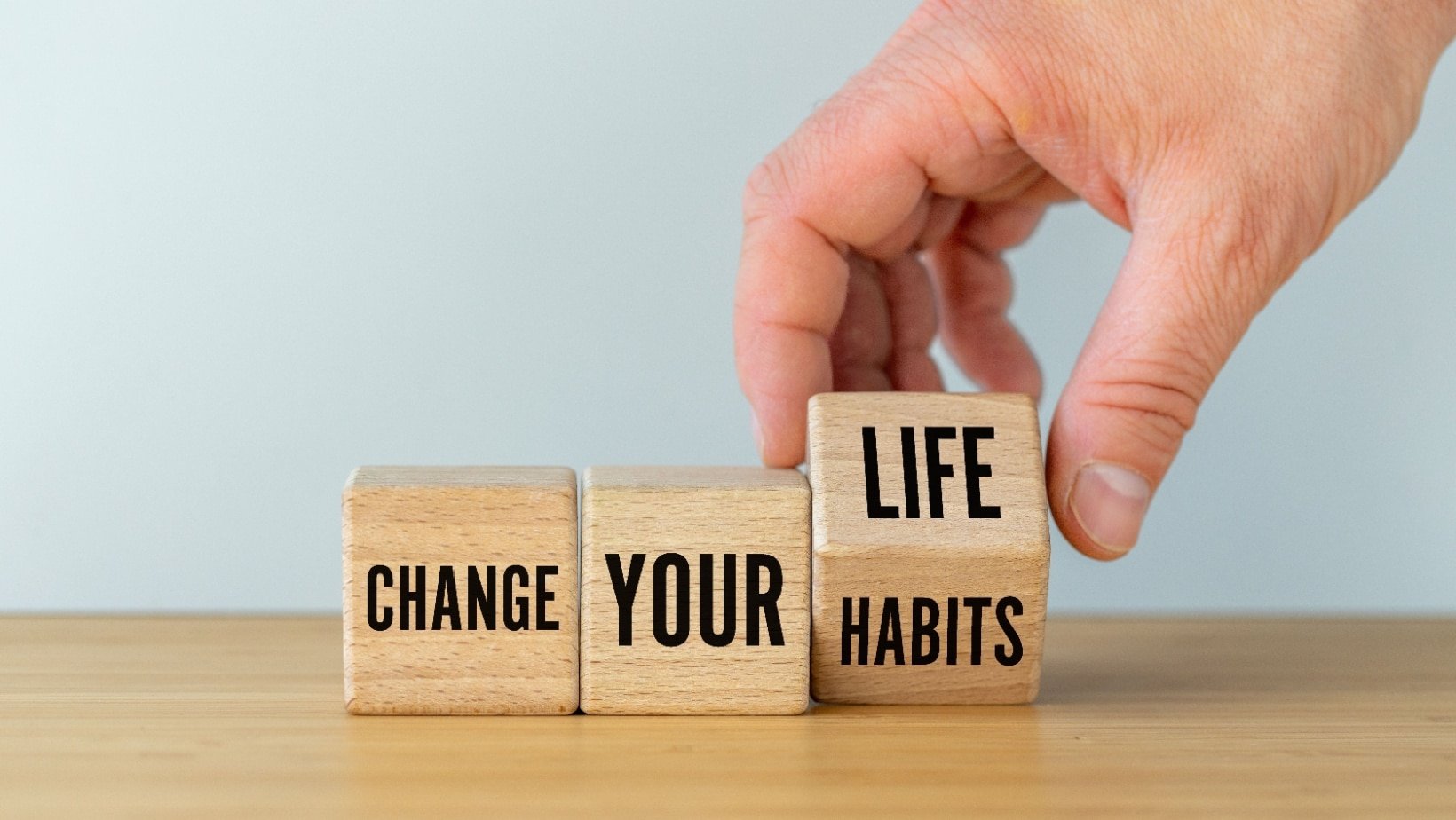
5 Easy Steps to Change Any Habit
We all click on them with the hope that just THIS time the secret to changing a bad habit or adopting a healthy one will be revealed and we’ll finally be able to stick to that diet, stop that one or ten things that might in the moment make us feel temporarily good but really just make us fat, unhealthy, sad, mad or just frustrated with ourselves.