

How about this? Baby Boomers held approximately 52% of the United States’ net wealth, despite comprising about 20% of the population, according to data from the Federal Reserve Board. That is not luck, that is years of taking the right decisions, now being panicked over by the younger generation.
Boomers born between 1946 and 1964 have survived economic slumps and advances in technology so far, as evidenced by the impressive financial footprints they are leaving behind. Yes, they get mocked for not knowing TikTok or needing help with their smartphones, but maybe it’s time to acknowledge that there are some things they have been getting pretty right all along. Here are a few ways they nailed it before the rest of us could figure it out.
They figured out how to save some serious cash

They weren’t bombarded with “buy now, pay later” apps every five minutes. Saving before spending is a revolutionary concept that has proven its worth. A recent report from the Federal Reserve’s 2022 Survey of Consumer Finances found that the median savings account balance for U.S. households under age 35 was approximately $5,400, while for households aged 65 to 74, it was about $13,400. Think about it, while 20-somethings are deciding whether to spend $6 on a latte or save a few extra bucks each month for retirement, Boomers saved their money and let compound interest work its magic over 40 years.
What our current society fails to recognize is something very simple: Only boring financial habits will create a vivid new life. The most recent estimate places the average Boomer household’s retirement savings at slightly more than $289,000, validating the proposition that slow and steady wins the race.
What really works for face-to-face communication

Before Zoom fatigue was even a thing, Boomers mastered this lost art of looking people in the eye and talking to them like humans. They made their careers on handshake deals, office hallway chats, and networking events where people had to network instead of looking at their phones.
Boomers have always known how to read a room, and they can tell you what the other person is thinking with their silence, or judge if someone likes you without any overt signals in just a few seconds, and maintain that relationship for decades to come. They knew that people get jobs based on their relationships and not the number of LinkedIn connections.
Homeownership became their superpower

Not on do boomers buy houses they built their own little ATMs in the real estate marketplace. According to the National Association of REALTORS’ 2025 Home Buyers and Sellers Generational Trends report, Baby Boomers now represent the largest portion of home buyers at 42%.
A Boomer house, meaning the kind a Boomer could have bought for $50,000 in 1980 might be worth $300,000 or more today. Younger generations, meanwhile, grapple with down payments and astronomical mortgage rates. Boomers understood that rent was the equivalent to flushing money down the toilet, while mortgage payments created equity which in turn became a retirement nest egg.
How to use an investment strategy instead of casino mindset

Forget cryptocurrency and meme stocks. The boomers became rich by investing in these reliable, yet unglamorous, assets that made money over the long term. They bought index funds, blue-chip stocks, and government bonds, while others followed the hot money-making trends.
Boomers knew that investing isn’t gambling, it’s setting money aside in an investment account and letting compound interest do the work over decades. They bought and held, reinvesting dividends, and avoided selling everything in sheer terror when the market hiccupped. This tortoise-beats-the-hare strategy, which ultimately results in today’s Cohorts Incidentally, this is also how the gargantuan wealth gap came into being.
Work ethic that put in the hours and got rewarded

It surprises me that boomers bought into the idea that working hard would result in a better payoff, but then again… It did. They arrived early, left late, and slowly worked their way up the corporate ladder. Wrike study found that Baby Boomers reported the highest rates of feeling productive at work, with 66% of them working productively more than 75% of the time, compared to Gen X, 56%, Millennials, 46%, and Gen Z 44%,.
They weren’t looking for a six month corner office or six-weeks vacation in Ibiza, they had to earn it. This approach set in motion the economic linchpin responsible for benefitting every generation hence.
More health habits that help them to last

Boomers see healthcare like the way they look after their car with regular checkups, preventive care and taking care of problems before they become a crisis.
They weren’t the ones who came of age believing they were invulnerable or that Dr. Google could replace a doctor. Keeping active Many Boomers are regular walkers, swimmers or tennis players because they learned long ago that exercising today means fewer costs down the road.
Loyalty that built lasting relationships

Loyalty Boomers mastered the idea of loyalty in friendships and work. They remained married much longer, retained friendships over tens of years and established trust with colleagues during decades of consistent behavior.
They knew that relationships are hard, and all involve a lot of give and take something sorely lacking among society today. that loyalty carried over to their jobs, with thirty year stints at just one company regular and lauded with pensions and lifetime employment. Their way of running the show brought about both security as well as profound closeness indispensable for perseverance through a significant measure.
Financial discipline that avoided debt traps

Credit card debt? Not so much for Boomers. They discovered how to regulate their lifestyles and avoid the troubles that torment the debt spiral in the much younger age brackets. A May 2024 ConsumerAffairs report indicated that Generation X and Millennials faced higher credit card debt burdens compared to Baby Boomers
Save this article
These people knew that borrowing money to buy something you cannot afford is a path to financial ruin. Baby boomers squirreled away for rainy days, paid cash when we could and saw credit as a tool to use, not free money. And by doing so, they largely avoided the debt cycles that are grinding away at families today.
Future-minded a long-term view on tomorrow

The boomers didn’t just live for the weekend; they planned decades. Were they the kind of people who thought ahead, he asked, realizing that choices made at 25 informed their life at 65, and answered by selecting careers with upward movement; purchasing insurance on their lives; and paying into retirement funds when they were only twenty-eight? The 2024 EBRI Retirement Confidence Survey found that 74% of retirees are confident in their financial security, a much higher rate than the 45% of pre-retirees who feel optimistic about having enough money to live comfortably in retirement.
They sacrificed to set up a life of comfort, even if that meant driving the old jalopy to save some cash or taking practical, instead of flashy. And good for them: this forward-thinking endeavour is what makes it possible for so many baby boomers to retire with nice pensions while younger Gen Z and especially Millennials are fretting about working until they die.
Quality over quantity shopping habits

Millennials and boomers used to buy things once and keep them forever. They prioritized quality over cheap, disposable items that needed to be replaced annually, ranging from appliances to furniture and clothing.
This was not only more financially viable in the long term, but also a less wasteful idea, as the concept of minimalism and movements towards sustainability are just now popularizing among our current generation.
Developed a distributed network of social support systems

Boomers knew that having a social life wasn’t cute or quaint; it was the key to living a full life. They moved into neighborhood associations, volunteered in schools and religious organizations, and built social safety nets that caught them when things went bad.
According to a 2025 report cited by Voices for National Service, adults aged 65 and older are 2 to 3 times more likely to volunteer than those aged 25 to 34. They built real friendships through shared activities and common interests, creating social safety nets that lasted for decades
Practical skills that solved real problems

When Boomers grew up, they knew how to fix things, cook from scratch, and do basic home maintenance because that is what the times required of them. With no YouTube tutorials and next-day delivery, they managed to work it out themselves through trial and error or by asking their neighbours.
Learning these skills in their practical application helped them save money, become self-reliant, and raise confidence that when life happened, they were equipped to handle it.
Key Takeaways

Boomers got things right because they understood that success is an endurance race, not a sprint. Most importantly, they recognized the importance of planting seeds today to enjoy fruits tomorrow. This approach led to loyal relationships for life and actionable insights based on real knowledge and wisdom, rather than superficial trends. They prioritized money, work, health, and relationships to create stability and wealth that younger generations are so desperately longing for. The irony is that many of the “innovative” financial and lifestyle trends millennials and Gen Z are adopting, such as minimalism, quality over quantity, community building, and long-term planning, are simply old-school Boomer advice in updated wrapping paper. Perhaps they were right after all.
Like our content? Be sure to follow us
Disclaimer – This list is solely the author’s opinion based on research and publicly available information. It is not intended to be professional advice.
16 Grocery Staples to Stock Up On Before Prices Spike Again

16 Grocery Staples to Stock Up On Before Prices Spike Again
I was in the grocery store the other day, and it hit me—I’m buying the exact same things I always do, but my bill just keeps getting higher. Like, I swear I just blinked, and suddenly eggs are a luxury item. What’s going on?
Inflation, supply-chain delays, and erratic weather conditions have modestly (or, let’s face it, dramatically) pushed the prices of staples ever higher. The USDA reports that food prices climbed an additional 2.9% year over year in May 2025—and that’s after the inflation storm of 2022–2023.
So, if you’ve got room in a pantry, freezer, or even a couple of extra shelves, now might be a good moment to stock up on these staple groceries—before the prices rise later.
6 Gas Station Chains With Food So Good It’s Worth Driving Out Of Your Way For
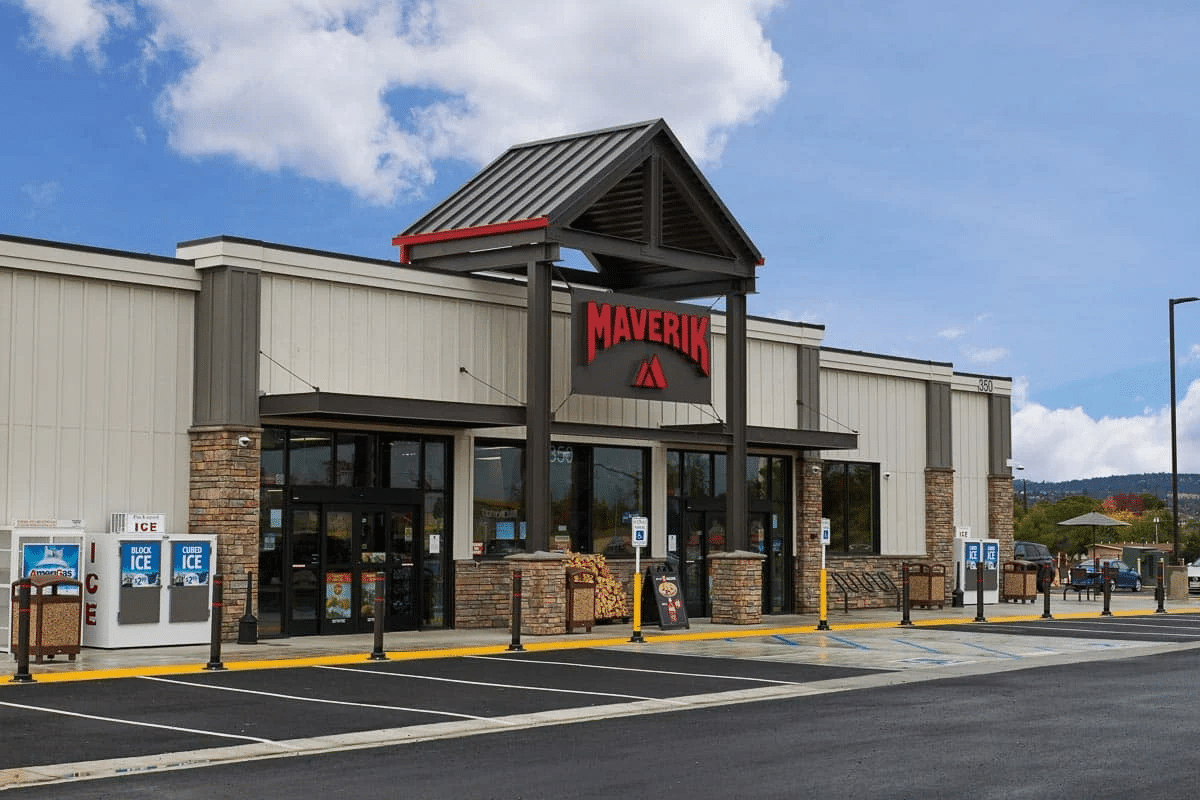
6 Gas Station Chains With Food So Good It’s Worth Driving Out Of Your Way For
We scoured the Internet to see what people had to say about gas station food. If you think the only things available are wrinkled hot dogs of indeterminate age and day-glow slushies, we’ve got great, tasty news for you. Whether it ends up being part of a regular routine or your only resource on a long car trip, we have the food info you need.
Let’s look at 6 gas stations that folks can’t get enough of and see what they have for you to eat.





