

There’s no denying the allure of the creamy, green fruit we’ve come to love, avocados. From guacamole to avocado toast, this iconic food has woven its way into kitchens and hearts across the globe. But what if I told you that this delicious fruit could be both a hero and a villain, depending on the health of your kidneys?
On one hand, avocados are a nutritional powerhouse. A single medium avocado packs a punch with around 700–900 mg of potassium, which, for healthy kidneys, is a gift.
However, for those with compromised kidney function, this seemingly innocent fruit could be the cause of dangerous complications. In fact, as kidney disease progresses, managing potassium becomes more important than ever; too much can lead to heart issues or even a life-threatening condition called hyperkalemia.
Let’s break it all down. This guide will walk you through the surprising effects of avocados on kidney health, backed by data, expert insights, and real-world context. So, before you load up on guacamole, here’s what you need to know.
Avocados Are Nutrient-Dense but Very High in Potassium

Avocados have earned their place in the superfood spotlight, and with good reason. A medium-sized fruit contains approximately 690 mg of potassium; more than a banana, which has around 400–450 mg. That’s about 15% of the daily recommended intake for a healthy adult. It’s nutrient-dense, offering fiber, heart-healthy fats, and a cocktail of vitamins, including A, E, and K.
But with all that potassium comes a dilemma. For someone with healthy kidneys, this is wonderful; potassium helps keep the heart beating in rhythm and supports muscle function.
But for those with kidney disease, the story changes. Healthy kidneys regulate potassium levels in the blood, keeping everything in balance. Yet as kidney function declines, the ability to excrete excess potassium diminishes, leading to its buildup in the bloodstream.
While the high potassium content in avocados is beneficial for healthy kidneys, it can pose serious risks for people with compromised kidney function.
For Healthy Kidneys, Avocados Can Be Protective
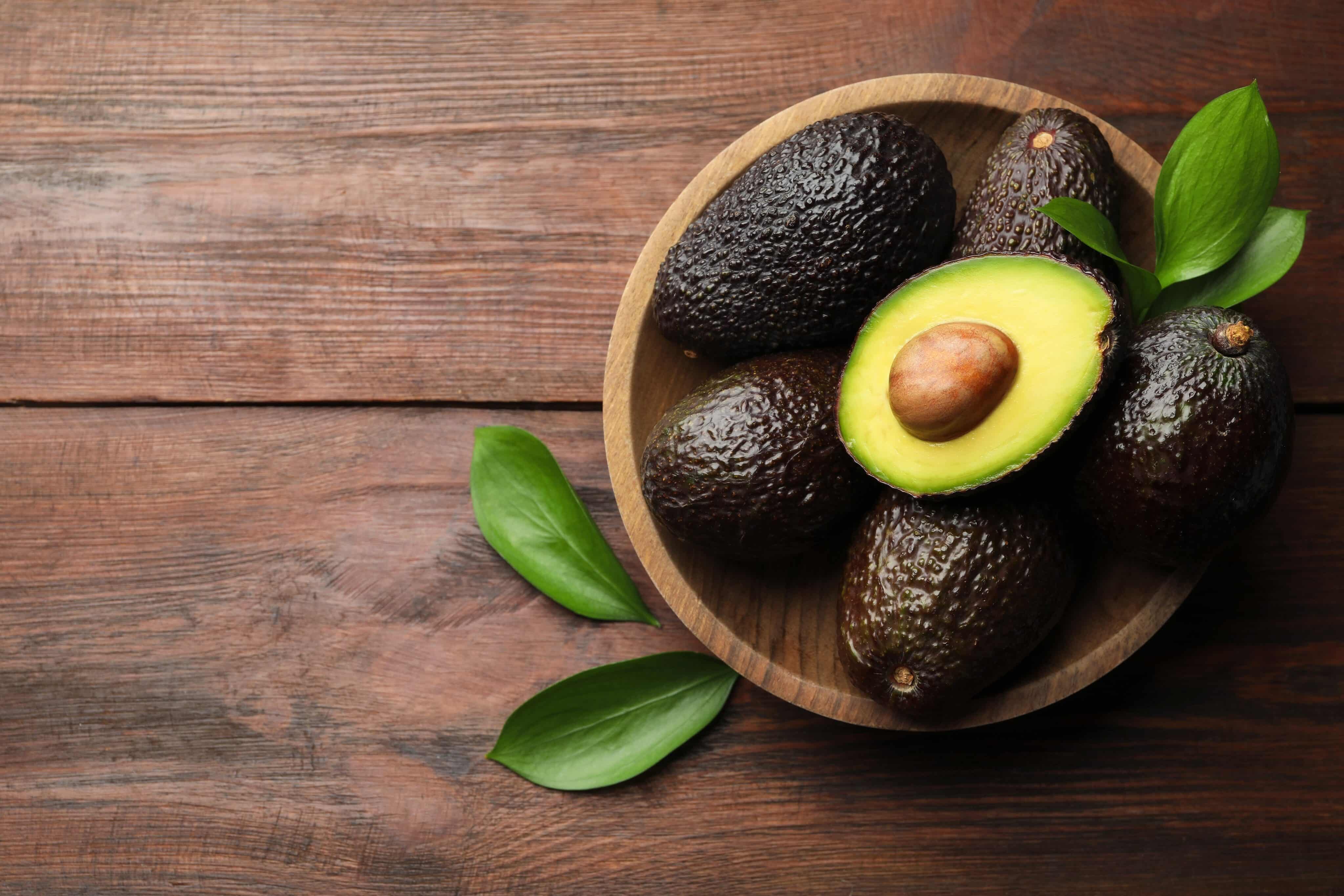
If you’ve got healthy kidneys, here’s the good news: avocados are an excellent food to include in your diet. Their mix of monounsaturated fats, fiber, and antioxidants can help reduce inflammation and support heart health. This is especially important because cardiovascular disease is a leading cause of kidney damage.
When you protect your heart, you protect your kidneys. The National Kidney Foundation (NKF) calls avocados one of several “kidney-friendly superfoods,” noting that they support vascular health and lower sodium intake; both are essential for kidney health.
Dr. Komal Malik, a dietitian quoted in Healthshots (2024), points out, “Healthy kidneys regulate potassium levels in the body, but when kidney function is compromised, potassium can accumulate in the blood, leading to a condition called hyperkalemia.”
For those without kidney disease, avocados fit beautifully into heart-healthy diets like the Mediterranean or DASH diets, which have been shown to lower blood pressure and reduce the risk of kidney disease. The benefits of adding avocados to your diet are clear, especially if you’re looking to support your heart and kidney health in the long term.
In CKD, Potassium Quickly Becomes the Key Issue

The issue with potassium in chronic kidney disease (CKD) is not just about how much potassium is consumed; it’s about how well the kidneys can filter it out. In the early stages of CKD, the kidneys can still do some of the heavy lifting in potassium regulation, but as the disease progresses, it becomes harder for the kidneys to excrete excess potassium.
According to the American Kidney Fund and NKF, hyperkalemia (excess potassium in the blood) affects 40–50% of people with CKD, particularly those in stages 3–5.
When potassium levels rise unchecked, serious health risks follow: muscle weakness, nausea, and dangerous heart arrhythmias. In severe cases, it can lead to cardiac arrest. So, while an avocado is a great source of healthy fats and potassium, it can quickly become a problem for CKD patients. Imagine adding guacamole to your sandwich or enjoying a big serving of avocado toast without realizing it’s pushing you over your potassium limit. It may seem harmless, but it’s not.
According to dietitian Komal Malik, “When kidney function is compromised, potassium can accumulate in the blood, leading to dangerous consequences.” This is why portion control, along with regular lab checks, is crucial for CKD patients.
Portion Size Can Make Avocado Safer in Early CKD
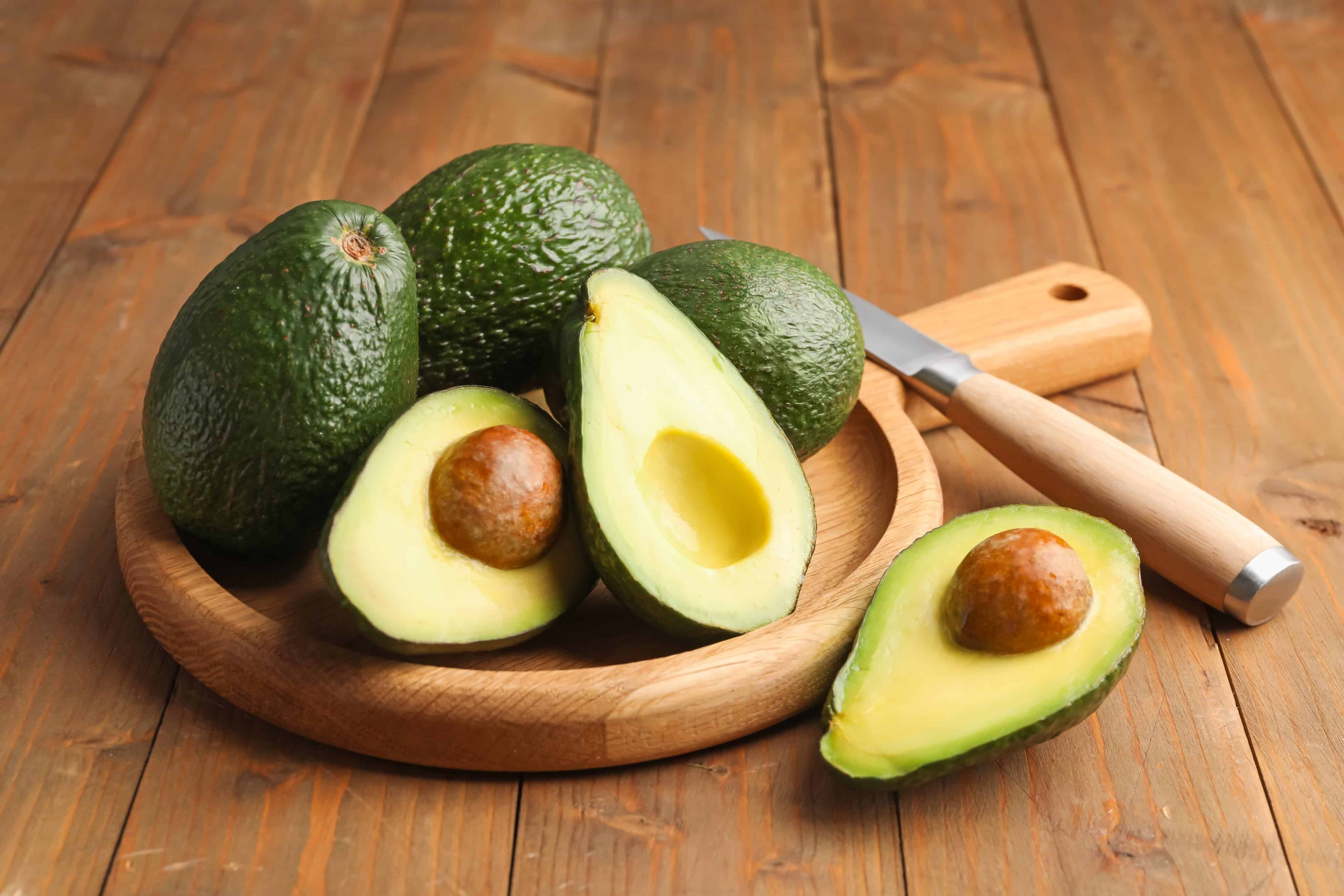
For those with early-stage CKD (stages 1–2), the good news is that avocado can still make it onto the menu, but portion control becomes the name of the game. Healthline suggests limiting avocado intake to just a quarter of a medium-sized fruit at a time. This portion provides about 244 mg of potassium, which is manageable in the context of CKD, especially if you’re monitoring your potassium intake from other sources.
A clinical nutrition overview from 2025 noted that small, controlled servings of avocado, say, one-quarter of a fruit two or three times a week, can be safely included in a CKD diet, as long as potassium levels are closely monitored.
By stage 3 CKD, however, many experts advise reducing that portion further, down to just 1–2 tablespoons; making it even more important to count every milligram of potassium. For patients with CKD, it’s about working with a renal dietitian to build a meal plan that accounts for potassium without depriving the body of this nutrient-packed fruit.
Late-Stage CKD and Dialysis Often Mean Avoiding Avocados
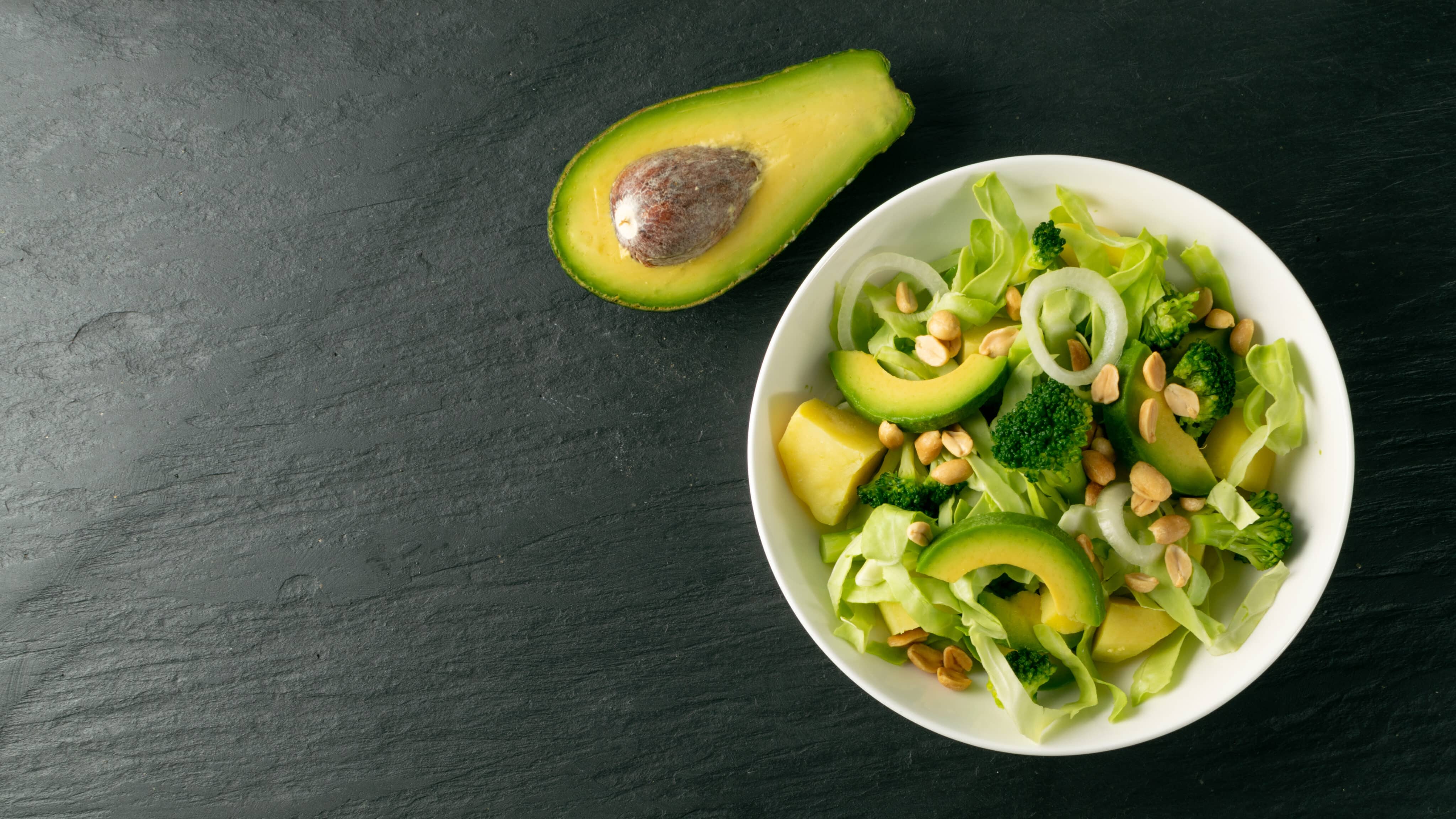
As CKD progresses into its later stages (4–5), the rules change dramatically. For patients in these stages, the kidneys can no longer effectively filter potassium, making potassium-rich foods like avocados a serious concern. According to a 2025 review, when glomerular filtration rate (GFR) falls below 30 mL/min, or dialysis becomes necessary, the kidneys’ ability to filter potassium is almost nonexistent.
For late-stage CKD patients or those on dialysis, the general recommendation is to avoid avocados, or at least consume them in very small, strictly monitored portions. Potassium levels are constantly under threat of spiking, and when that happens, the consequences can be severe.
A 2025 article emphasized that when GFR is low, dialysis patients should rely on lab tests to guide potassium control, not trial-and-error diet adjustments. Avocado might occasionally fit into an eating plan for a dialysis patient with closely monitored potassium labs, but for the majority, it’s safer to skip it.
Avocado Oil May Help Protect Kidneys in Experimental Studies

While whole avocados are high in potassium, avocado oil offers an intriguing option for kidney protection, with significantly lower potassium levels. A series of animal studies conducted in 2021 and 2018 found that avocado oil showed promise in reducing oxidative stress and improving mitochondrial function in hypertensive rats.
One study suggests that the oil might protect against kidney damage by reducing inflammation and improving renal vascular function.
These findings open up a fascinating avenue for kidney health. While human studies are still lacking, avocado oil could be a safer, potassium-free alternative for those who need the benefits of avocados without the risks. As a fat source, it’s also heart-healthy, making it a suitable option for people looking to maintain kidney health.
Fiber and Healthy Fats Support Heart–Kidney Connections

Save this article
Avocados are rich in fiber, around 9–10 grams per medium fruit; along with 20 grams of fat, most of which are heart-healthy monounsaturated fats. This unique combination helps improve cholesterol profiles and supports weight management, which are both key factors in managing CKD.
Studies show that a healthy weight and better lipid control slow CKD progression, reducing the risk of complications like hypertension and diabetes; two conditions that significantly damage the kidneys.
The National Institute of Diabetes and Digestive and Kidney Diseases (NIDDK) encourages CKD patients to eat heart-healthy foods that are moderate in fat, rich in plant foods, and low in sodium.
Avocados, when eaten in moderation, offer a tasty way to add healthy fats to a kidney-friendly meal plan. The key is portion control, ensuring you get the benefits of avocado’s healthy fats without overdoing potassium.
Sodium, Phosphorus, and Overall Diet Pattern Matter Too

While potassium often steals the spotlight, other nutrients, such as sodium and phosphorus, also play a critical role in kidney health. One reason avocados shine in kidney diets is their low sodium content.
Excess sodium can cause high blood pressure, which is hard on the kidneys, and avocados can help lower sodium intake. Furthermore, avocados don’t contain the inorganic phosphorus additives often found in processed foods, which are linked to faster progression of CKD.
For people with CKD, reducing sodium and phosphorus intake is just as important as managing potassium levels. When combined with controlled portions of avocado, the fruit becomes a healthier fat source than many processed foods, which often contain harmful additives. Avocados, when consumed wisely, can complement a kidney-friendly, low-sodium diet.
Hyperkalemia Symptoms Are Often Silent but Serious

The silent danger of hyperkalemia in CKD patients is one of the reasons why clinicians are so cautious about avocado consumption. Unlike some other conditions, hyperkalemia often doesn’t present symptoms until potassium levels are dangerously high.
As Healthline explains, many patients may not feel different until their potassium levels reach a critical point, at which they could experience palpitations, chest pain, or even cardiac arrest.
This is why routine lab tests are essential for patients with CKD. Monitoring potassium intake, not just relying on how you feel, is crucial to preventing dangerous complications. Just because you feel fine after eating a portion of avocado doesn’t mean your potassium levels are under control.
Avocados, Kidney Stones, and “Toxicity”

There’s a common myth that avocados cause kidney stones or are inherently toxic to the kidneys. This simply isn’t true. While avocados are high in potassium, which can be problematic for people with kidney disease, they are not typically linked to kidney stones or overall kidney damage.
A 2025 article in The Times of India clarified that avocados are not “toxic” to healthy kidneys; the issue arises when potassium levels need to be restricted due to kidney disease.
The key is understanding the nuances of avocado consumption in relation to kidney function. Kidney organizations now recommend individualized advice on avocado consumption, recognizing that some people with CKD can enjoy it in moderation, while others may need to avoid it altogether.
How Kidney Organizations Frame Avocados in 2026

As of 2026, kidney organizations have adapted their stance on avocados. The National Kidney Foundation now emphasizes that avocados can still be part of renal diets if potassium levels are carefully monitored.
For patients with early CKD, small portions can be included, but for those in advanced stages or on dialysis, it’s often a different story. Dialysis patients, particularly those on daily or nocturnal regimens, may benefit from increased potassium intake, as dialysis removes potassium from the body.
This evolving perspective highlights the importance of working with a renal dietitian to make the best decisions for each individual’s kidney health.
Practical Tips: When Avocados Fit and When They Don’t
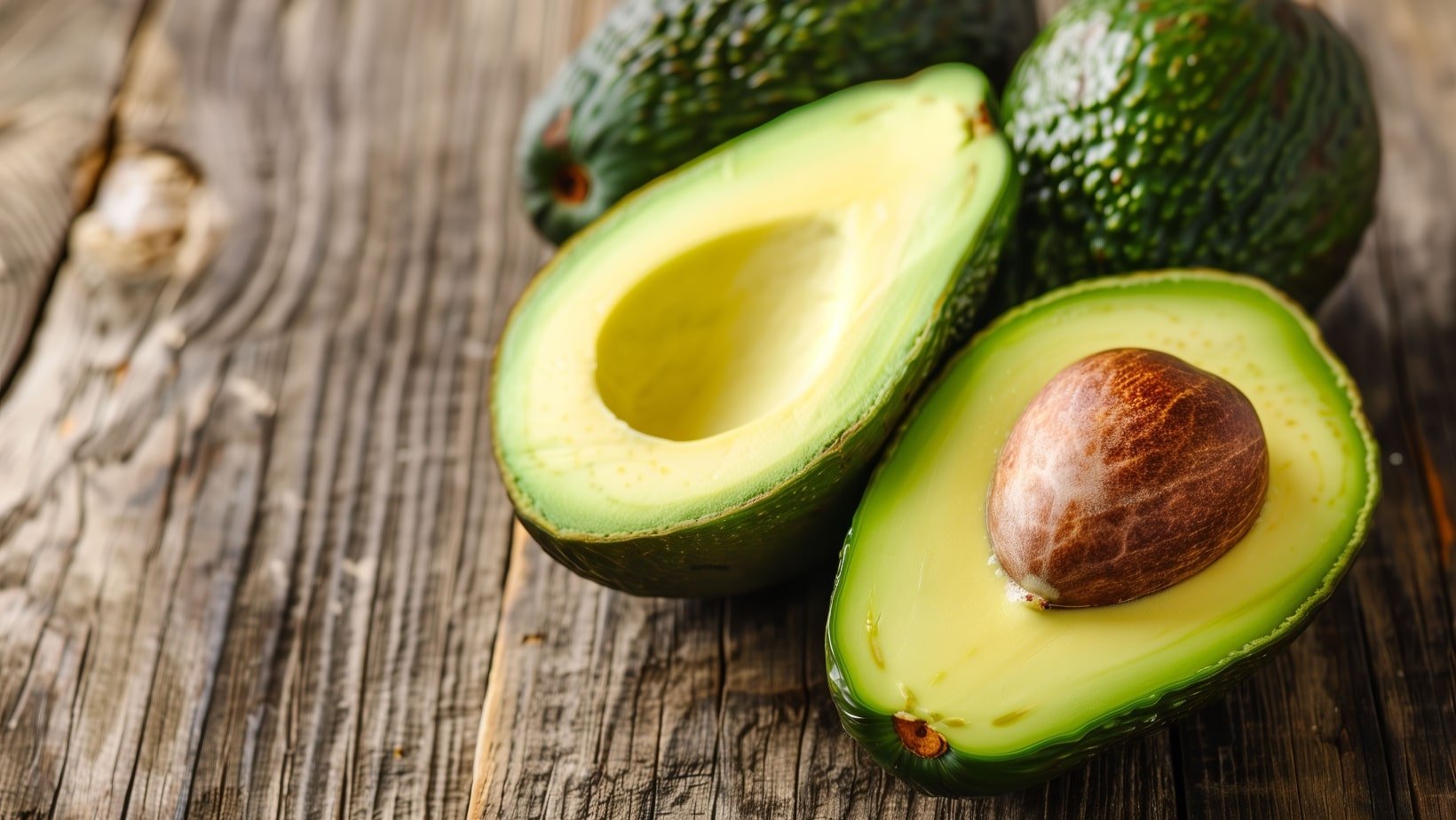
For anyone managing kidney disease, knowing when and how much avocado to eat can make all the difference. Here’s the breakdown:
Healthy kidneys: Avocados can be eaten regularly as part of a heart-healthy diet.
Early CKD (stages 1–2): Small portions (about a quarter of an avocado) can be safely consumed a few times per week.
Stage 3 CKD: Portion control becomes more important, with just 1–2 tablespoons of avocado allowed.
Stages 4–5 or dialysis: Avocados are usually avoided or consumed only in very small, controlled portions.
Key Takeaways

Potassium balance is important: avocados provide essential potassium, but for CKD patients, too much can be dangerous.
Portion control in early CKD can allow for avocado consumption, while late-stage CKD and dialysis may require avoidance or tiny servings.
Avocado oil has potential kidney-protective properties, making it a safer option than whole avocado for some kidney patients.
Kidney health advice is individualized: Kidney organizations now emphasize personalized care, offering nuanced advice on avocado intake for people at different stages of CKD.
Disclaimer –This list is solely the author’s opinion based on research and publicly available information. It is not intended to be professional advice.
Like our content? Be sure to follow us





