
With 60 million tons of food wasted annually and 80% of people discarding items still edible, expiration labels are costing us far more than peace of mind.
I’ll admit it: I’ve stood in front of my fridge holding a carton of milk, staring at the date, and thinking, “Okay… but does this smell fine or am I about to regret this?” The thing is, sell-by dates aren’t hard expiration rules—they’re more like suggestions from manufacturers.
Yet confusion around these labels leads to massive waste. According to Recycle Track Systems (RTS), Americans discard approximately 60 million tons of food annually—nearly 40% of the entire U.S. food supply. Even more surprising, over 80% of people admit they’ve thrown away food that was still perfectly edible just because of a date stamp.
The truth is, food safety often comes down to your senses and a few simple checks, rather than the fine print on the package. Let’s go through some everyday ways you can tell if something past its date is still worth keeping or belongs in the trash.
Check the smell

Your nose is one of the most reliable guides when it comes to food safety. If something smells sour, rancid, or just “off,” it’s usually not safe to eat. Milk, meat, and seafood especially give strong signals when they’ve gone bad.
Spoilage bacteria release volatile compounds, including gases like ammonia, sulfur compounds, and organic acids, which your nose can easily detect. Interestingly, researchers are now developing colorimetric gas sensors that mimic this detection process.
These sensors can detect spoilage gases without physically touching the food, providing a more precise alternative to expiration dates. If you hesitate after one sniff, it’s better to be cautious.
Look at the texture

Sometimes, food can look fine before it tastes bad. Lettuce may become slimy, bread may feel unusually damp, and cooked meat can turn sticky. These changes often signal bacterial growth.
Moisture is a common early sign that food is unsafe, especially in packaged items. A quick touch can tell you a lot before you even taste or smell.
Inspect the color

Fresh food usually has vibrant, natural colors, so any strange changes are worth noting. Meat turning gray or green is a clear warning sign. Fruits that look dull or unusually dark can also signal spoilage. Not all color changes mean danger.
For example, potatoes turning green is due to light exposure, not bacteria; however, they should still be avoided because of the toxins they contain. Paying attention to color shifts can help you decide when to toss food.
Trust your taste buds

Sometimes the only way to know is by tasting a tiny amount. If something tastes sour, bitter, or just wrong, don’t keep eating it. This is especially true with dairy or leftovers that seem fine otherwise.
Spoilage bacteria often affect flavor before making food unsafe, so you’ll probably notice early. Just don’t take big bites—one small taste is enough to decide.
Check for mold

Mold is one of the easiest warning signs to spot. While some cheeses are meant to be moldy, most foods are not. Bread, fruit, and sauces with visible mold should be discarded immediately.
The USDA recommends tossing the entire item. This is because mold can send root-like threads deep into food, especially in moist or soft items.
These threads may carry mycotoxins, which are toxic compounds that can’t be seen, smelled, or tasted—and they don’t just stay near the moldy spot. Even if you scrape it off, the food may still be unsafe to eat.
Check the consistency

Soups, sauces, or dressings can thicken or separate when they spoil. Yogurt may become lumpy, and milk may curdle, even if it appears fine in the carton.
This happens because bacteria change the structure of the food. It’s one of those subtle clues people often notice without realizing it. A little stir can reveal whether the texture is still normal.
Pay attention to bubbles

If you see unexpected bubbling or fizzing, that’s a red flag. This can occur in items such as juice, sauces, or even leftovers when bacteria produce gas. It’s not the same as carbonation from soda—it’s a sign of spoilage.
Studies on foodborne illness have shown that gas-forming bacteria, such as Clostridium perfringens, are a common culprit. So if your spaghetti sauce is suddenly fizzy, it’s time to say goodbye.
Consider how long it’s been open

Save this article
Even if the sell-by date appears to be fine, once a package is opened, the clock ticks faster. For example, lunch meat is usually safe for only 3–5 days after opening, regardless of the printed date. Mayo and condiments can last longer, but should still be watched.
The USDA provides detailed storage charts that help track this. If you can’t remember when you opened something, it might be time to let it go.
Listen for pressure sounds

When you open a container and it makes an unusual hissing sound, be cautious. This often means that gases have built up inside due to bacterial activity. Canned goods are essential to check, since pressure can signal botulism risk.
The CDC warns that bulging or leaking cans should never be opened. It may feel wasteful, but safety comes first.
Watch for bulging packages

A swollen or puffed-up package is never a good sign. Bacteria release gas as they grow, and packaging will often expand because of it. This happens in vacuum-sealed meats, dairy cartons, and especially canned foods.
Bloated packaging is one of the most evident signs of contamination. When in doubt, it’s not worth opening.
Remember the storage rules

How you store the food matters as much as the date. Meat or dairy left out for more than two hours should be discarded, regardless of the label’s instructions. The USDA refers to this as the “danger zone,” which spans between 40°F and 140°F, where bacteria multiply rapidly.
On the other hand, something frozen right away can often last months beyond its sell-by date. Storage habits tell you more than the calendar sometimes can.
Trust your gut feeling

Sometimes your senses and instincts together tell you everything you need to know. If food looks fine but you feel uneasy about it, that’s reason enough to avoid it. The CDC highlights that foodborne illness caused about 53,300 hospitalizations and 931 deaths in 2019 alone, so it’s not a small risk.
While you don’t want to waste food unnecessarily, second-guessing is often your body’s way of protecting you. A little caution can save you from a very unpleasant night.
Key takeaways

Your senses are the most effective tools for ensuring food safety. Smell, texture, color, taste, and even sounds from packaging can reveal when food has gone bad before you take a risky bite.
Packaging and appearance matter. Signs such as mold, bubbling, hissing, or bulging containers typically indicate bacterial growth and should not be ignored.
Storage habits are just as important as dates. Keeping food properly refrigerated or frozen extends its shelf life, while improper storage can make it unsafe long before the label indicates.
When in doubt, toss it. Trusting your instincts and erring on the side of caution is better than risking foodborne illness, which affects millions of Americans each year.
Disclaimer – This list is solely the author’s opinion based on research and publicly available information. It is not intended to be professional advice.
16 grocery staples to stock up on before prices spike again
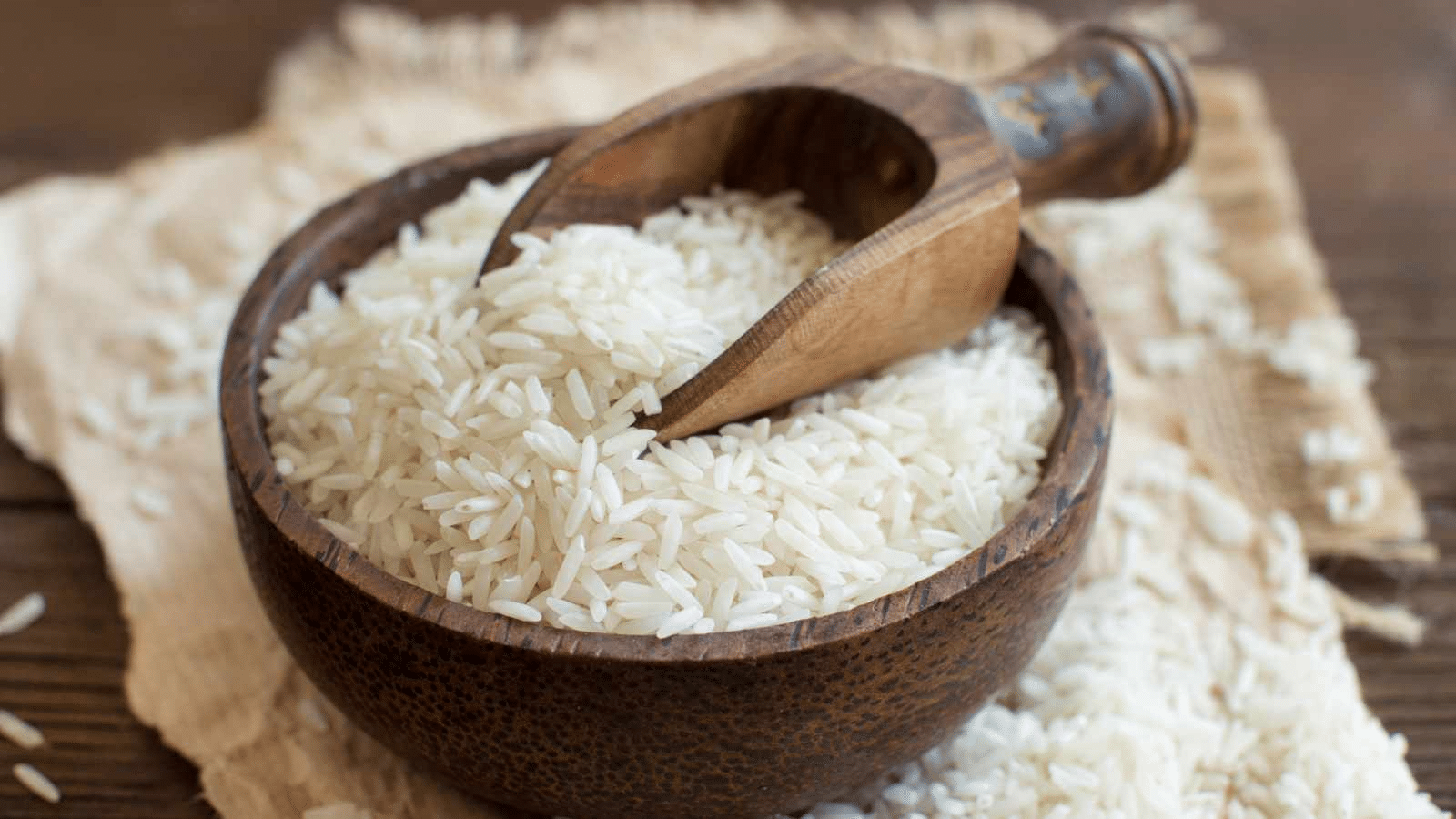
16 Grocery Staples to Stock Up On Before Prices Spike Again
I was in the grocery store the other day, and it hit me—I’m buying the same things I always do, but my bill just keeps getting higher. Like, I swear I just blinked, and suddenly eggs are a luxury item. What’s going on?
Inflation, supply-chain delays, and erratic weather conditions have modestly (or, let’s face it, dramatically) pushed the prices of staples ever higher. The USDA reports that food prices climbed an additional 2.9% year over year in May 2025—and that’s after the inflation storm of 2022–2023.
So, if you’ve got room in a pantry, freezer, or even a couple of extra shelves, now might be a good moment to stock up on these staple groceries—before the prices rise later.
6 gas station chains with food so good it’s worth driving out of your way for
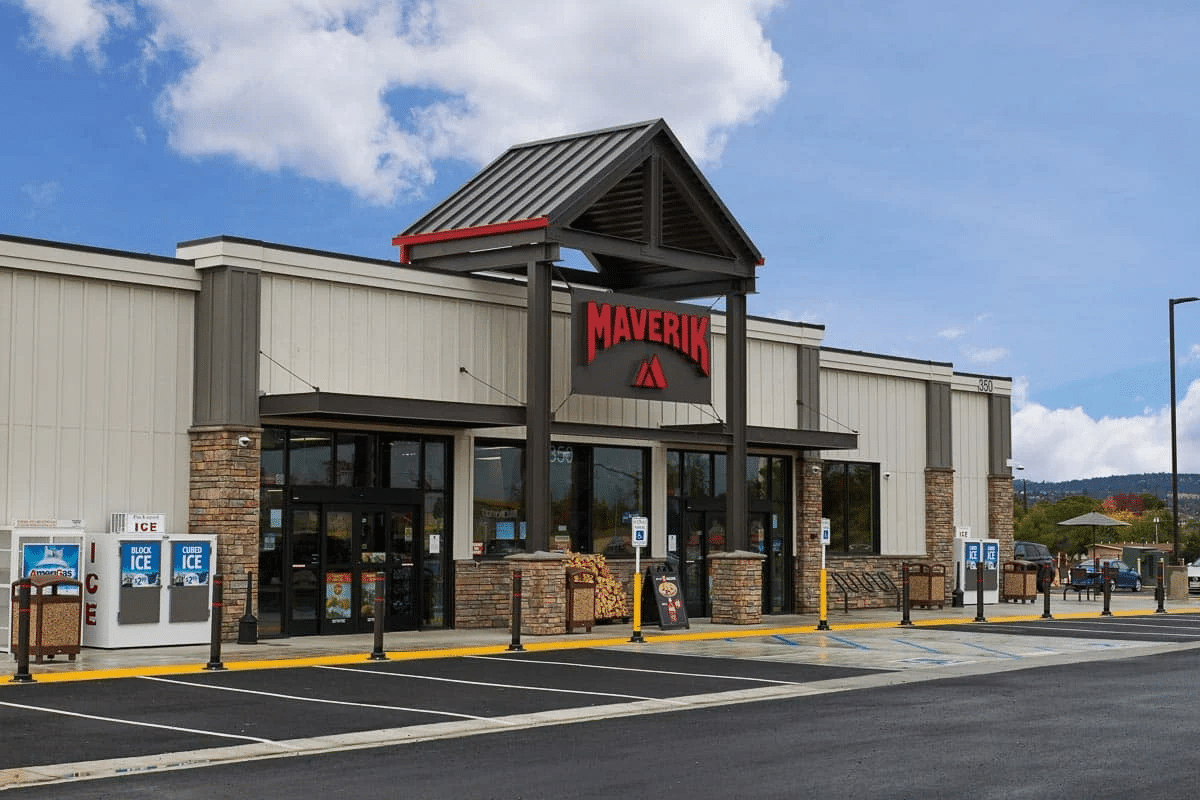
6 Gas Station Chains With Food So Good It’s Worth Driving Out Of Your Way For
We scoured the Internet to see what people had to say about gas station food. If you think the only things available are wrinkled hot dogs of indeterminate age and day-glow slushies, we’ve got great, tasty news for you. Whether it becomes part of a routine or your only resource on a long car trip, we have the food information you need.
Let’s look at six gas stations that folks can’t get enough of and see what they have for you to eat.