

The deeper we peer into the animal world, the more it blurs the line between reality and impossibility.
Nature has a way of surprising us with oddities that seem like they belong in a science fiction movie rather than our backyards. From creatures that glow in the dark to underwater residents that outlive empires, the animal kingdom is full of strange realities. These bizarre traits often serve a specific purpose that helps these species survive in the wild. We have gathered some of the most unbelievable truths about animals that will make you question everything you thought you knew.
You might think you know a lot about wildlife, but there is always something new to discover when you look a little closer. Some of these facts are so strange they sound like playground rumors, yet science backs every single one. Get ready to learn about the hidden superpowers and weird habits of creatures big and small. Here are thirteen animal facts that sound completely fake but are one hundred percent true.
Koala Fingerprints Are Like Ours

Koalas may look nothing like humans, but look at their hands and you will see a startling resemblance. Koalas have fingerprints so similar to human fingerprints that they have been mistaken for crime scenes. The loops and whorls are nearly indistinguishable even under a microscope.
This feature is thought to have evolved to help them grip eucalyptus branches while climbing. The sensitivity of their fingertips allows them to select the best leaves to eat. It is a rare example of convergent evolution where two very different species develop the same trait.
Wombats Produce Cube-Shaped Poop

Most animals produce waste in round or cylindrical shapes, but the wombat defies this norm with geometric precision. These Australian marsupials are the only known species in the world to produce cube-shaped droppings. Scientists believe this shape prevents the poop from rolling away, which is helpful since wombats use it to mark their territory on rocks and logs.
The biology behind this phenomenon involves the varying elasticity of the wombat’s intestines. CNN reports that Wombats produce between 80 and 100 distinct cube-shaped droppings daily. The walls of their intestines stretch unevenly, sculpting the waste into corners just before it exits the body.
Sloths Can Hold Their Breath Longer Than Dolphins

We often associate sloths with laziness and slow movement on land, but they are surprisingly capable swimmers. Sloths can slow their heart rates to one-third of their normal pace, allowing them to conserve oxygen while underwater. This ability helps them cross rivers to find mates or new territory without drowning.
While dolphins are famous for their aquatic skills, they usually need to surface for air every few minutes. Incredibly, a sloth can hold its breath for up to 40 minutes, which is significantly longer than the ten to fifteen minutes a dolphin manages. This hidden talent proves that sloths are much more resilient than their sleepy reputation suggests.
Greenland Sharks Can Live For Centuries

If you are looking for the longest-living vertebrate on Earth, you have to look deep into the freezing waters of the North Atlantic. Greenland sharks grow at a glacial pace of about one centimeter per year, which allows them to reach immense ages. Radiocarbon dating of their eye lenses has revealed that these sharks can live far longer than any other known backbone-sporting animal.
The numbers associated with their lifespan are truly staggering and hard for us to comprehend. National Geographic reports that this shark can live up to 272 years and possibly as long as 512 years. This means there are likely sharks swimming today that were born before the United States became a country.
Hummingbirds Have Hearts That Race

Hummingbirds are frantic bundles of energy that seem never to stop moving. To sustain their rapid wing movement and hovering capabilities, their bodies burn through energy at a rate that would starve most other animals. These birds require constant refueling from nectar and insects to keep their systems running.
The strain on their cardiovascular system during flight is immense. When a hummingbird is in motion, its heart can beat up to 1,400 times per minute. This incredible speed is necessary to pump oxygen to their muscles, allowing them to perform their signature aerial acrobatics.
Cows Have Best Friends

Cows are more emotionally complex than many people give them credit for. Farmers and researchers have observed that cows often choose specific partners to spend their time with while grazing in the field. They usually stand close to their preferred companions and become visibly distressed when separated.
Science has confirmed what farmers have suspected for generations about these bovine bonds. Barn Sanctuary cites a study by Krista McLennan that found that cows paired with their best friends had significantly lower heart rates than those paired with strangers. This suggests that cattle find comfort and safety in familiarity, much like humans do.
The Mantis Shrimp Punches With Incredible Speed

The mantis shrimp may be small, but it wields one of the most potent weapons in the ocean. Its club-like appendages can strike with such velocity that the water around them vaporizes instantly. This creates a shockwave that can stun or kill prey even if the physical blow misses the target.
The mechanics of this strike are a marvel of biological engineering. These colorful crustaceans can throw a punch at speeds of 50 miles per hour, generating over 1500 Newtons of force. This is enough power to break through aquarium glass, making them a risky pet for unprepared aquarists.
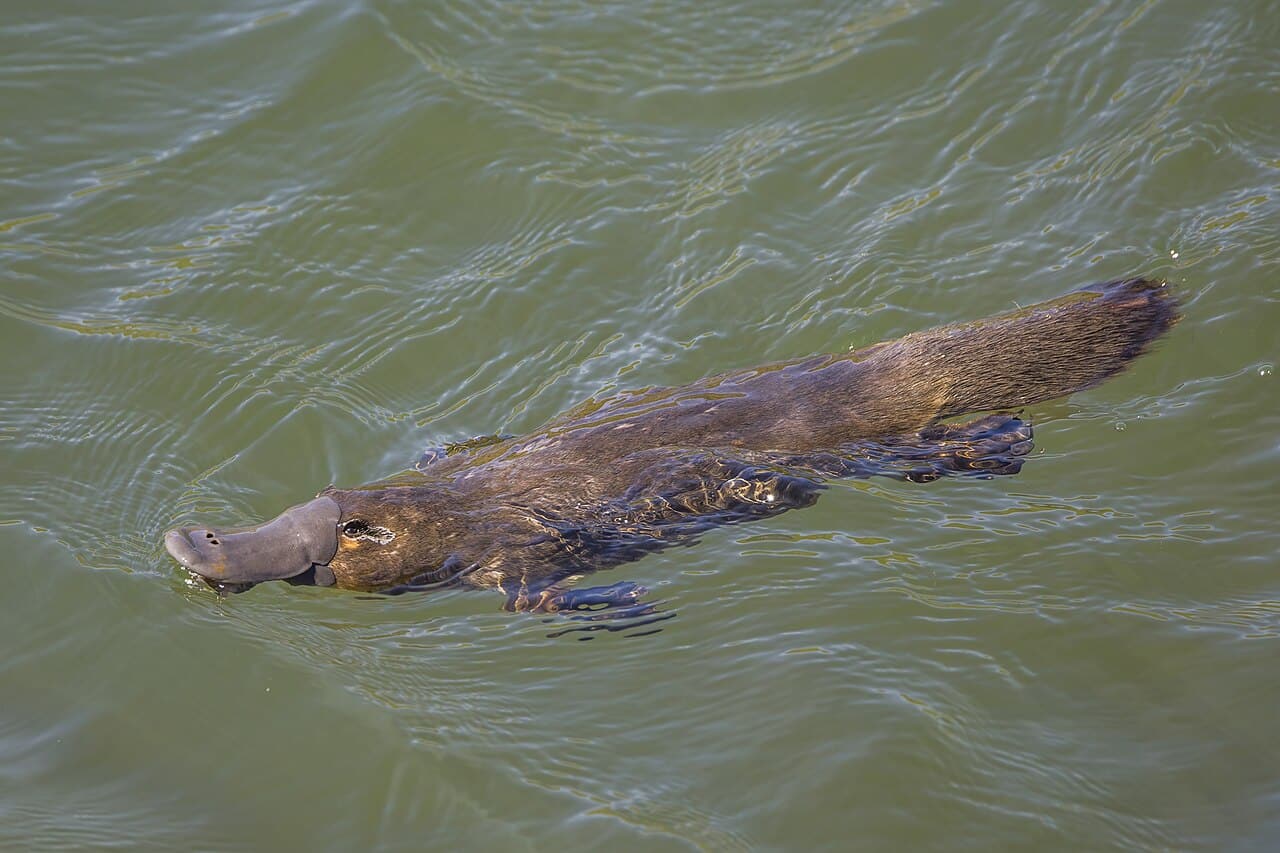
Platypuses Glow Under UV Light
Save this article
The platypus is already a confusing animal, being a mammal that lays eggs and sports a duck-like bill. Recent discoveries have added another layer of weirdness: their fur glows a soft greenish-blue under ultraviolet light. This trait, known as biofluorescence, was previously thought to be rare among mammals.
Scientists are still trying to figure out exactly why these animals light up under the right conditions. This glow may help them see each other in the murky waters they inhabit during twilight hours. The platypus remains a biological puzzle that refuses to fit into any single category.
Tigers Have Striped Skin

Most people assume the striking orange-and-black pattern of a tiger is strictly part of its fur coat. If you were to shave a tiger, you would find that the stripe pattern is also pigmented directly onto its skin. This differs from that of many other patterned animals, such as zebras, whose skin is black beneath their white and black fur.
This feature ensures that the tiger retains its camouflage even if it loses patches of hair. Each tiger has a pattern that is entirely distinct from that of any other tiger, much like a fingerprint for identification. Researchers can use these markings to track specific tigers in the wild without tagging them.
Octopuses Have Three Hearts

An octopus is a master of survival with a biology that looks completely alien to us. To keep oxygen flowing through their bodies underwater, these cephalopods rely on three separate hearts working in unison. Two of these hearts pump blood to the gills, while the third circulates it to the rest of the organs.
This system is highly efficient but comes with a strange quirk. When an octopus swims, the systemic heart stops beating, which is why they prefer to crawl along the seafloor to conserve energy. This intricate cardiovascular system is just one reason octopuses are considered among the most advanced invertebrates.
Reindeer Eyes Change Color

Living in the Arctic Circle requires adaptations that help animals deal with extreme changes in light. Reindeer eyes actually change color from gold in the summer to blue in the winter to help them see better. This shift allows their eyes to capture more light during the long, dark winter months of the polar north.
The mechanism behind this change involves pressure within the eye affecting how light reflects off the retina. By increasing their visual sensitivity, reindeer can spot predators such as wolves in the dim twilight of the Arctic winter. It is a brilliant example of how animals physically change to match their environment.
Horned Lizards Shoot Blood From Their Eyes

The horned lizard has a defense mechanism that is as effective as it is horrifying. When threatened by a predator, this small reptile can raise blood pressure in its head until the vessels near its eyes rupture. This results in a stream of blood shooting out toward the attacker, often startling them enough to escape.
This bloody defense is not just for shock value; the blood tastes terrible to canines and felines. The stream can reach up to five feet, giving the lizard a ranged weapon to use against coyotes or bobcats. It is a gross but highly effective way to stay off the dinner menu.
Narwhal Tusks Are Inside-Out Teeth

The spiral tusk of the narwhal is often responsible for their nickname, the “unicorns of the sea.” This long, protruding spike is actually an enlarged tooth that grows out through the animal’s upper lip. While it looks like a weapon, it is filled with nerve endings and is used to sense changes in the water.
Most males have this tusk, which can grow to nearly ten feet long. Scientists believe the narwhals’ tusks help detect salinity levels and temperature changes in their icy habitat. It is a sensory organ masquerading as a mythical horn.
Disclaimer – This list is solely the author’s opinion based on research and publicly available information. It is not intended to be professional advice.
Like our content? Be sure to follow us.
How Total Beginners Are Building Wealth Fast in 2025—No Experience Needed

How Total Beginners Are Building Wealth Fast in 2025
I used to think investing was something you did after you were already rich. Like, you needed $10,000 in a suit pocket and a guy named Chad at some fancy firm who knew how to “diversify your portfolio.” Meanwhile, I was just trying to figure out how to stretch $43 to payday.
But a lot has changed. And fast. In 2025, building wealth doesn’t require a finance degree—or even a lot of money. The tools are simpler. The entry points are lower. And believe it or not, total beginners are stacking wins just by starting small and staying consistent.
Click here, and let’s break down how.





