

Millions of adults who believe they’re well hydrated are quietly operating in a state of chronic underhydration that affects energy, cognition, and long-term health.
Many adults assume they’re getting “enough water” because they sip throughout the day, yet mild underhydration is surprisingly common. Research in older populations shows that dehydration is a frequent cause of hospitalizations and is linked to fatigue, confusion, constipation, and even higher risk of chronic disease and mortality.
Older adults are especially vulnerable because total body water decreases with age and thirst cues become less reliable, making it easy to fall behind on fluids without feeling very thirsty. You don’t need to obsess over exact ounces, but paying attention to subtle signs that your body wants more fluid can protect both your daily energy and your long‑term health.
Your Urine Is Frequently Dark Yellow

Urine color is not a perfect measure, but consistently dark yellow, strong‑smelling urine often signals that you’re not drinking enough. MedlinePlus, Mayo Clinic, and the UK’s NHS all list dark urine and less frequent urination as classic adult dehydration symptoms. If you rarely see pale straw‑colored urine during the day, your fluid intake may be falling short.
You’re Often Tired Or Headachy For No Clear Reason
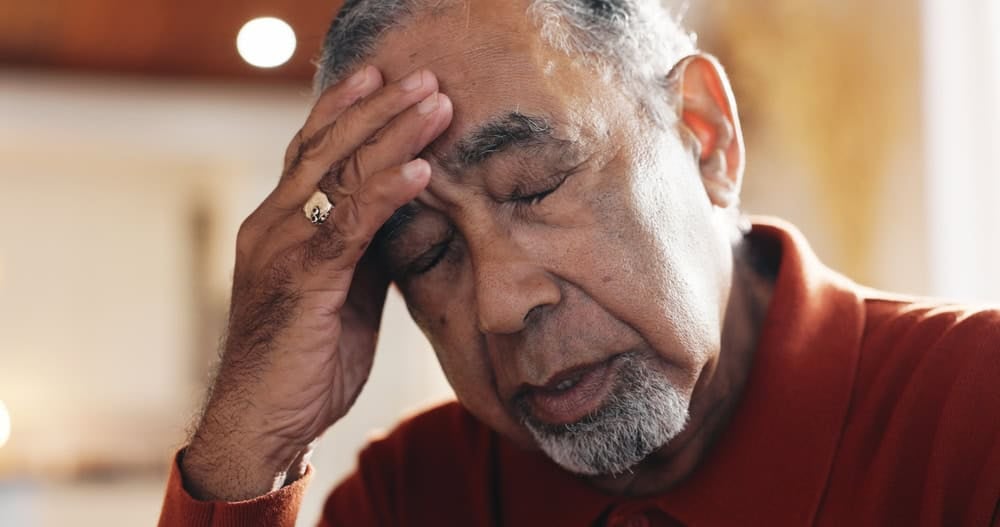
Mild dehydration can cause fatigue, low energy, and headaches even before you feel very thirsty. Healthline notes that older adults who are dehydrated may be more likely to experience tiredness, dizziness, and trouble concentrating. StatPearls adds that early symptoms include weakness and decreased urine output. If you often feel “wiped out” in the afternoon, a hydration check is a simple first step.
You Rarely Feel Thirsty—But You Also Barely Drink

With aging, the body’s thirst response weakens, so lack of thirst does not guarantee good hydration. Older adults may go long stretches without drinking simply because they don’t get strong thirst signals, especially in cooler weather. That is one reason public health guidance stresses regular drinking habits rather than waiting for intense thirst.
Your Mouth, Lips, Or Skin Often Feel Dry

Dry mouth, cracked lips, and dry skin can all show up when fluid intake is low. MedlinePlus and Mayo Clinic list dry mouth and decreased sweating as common adult dehydration symptoms. In older adults, skin signs are not always reliable, but when they appear alongside dark urine or fatigue, low fluid intake is worth considering.
You’re More Constipated Than You Used To Be
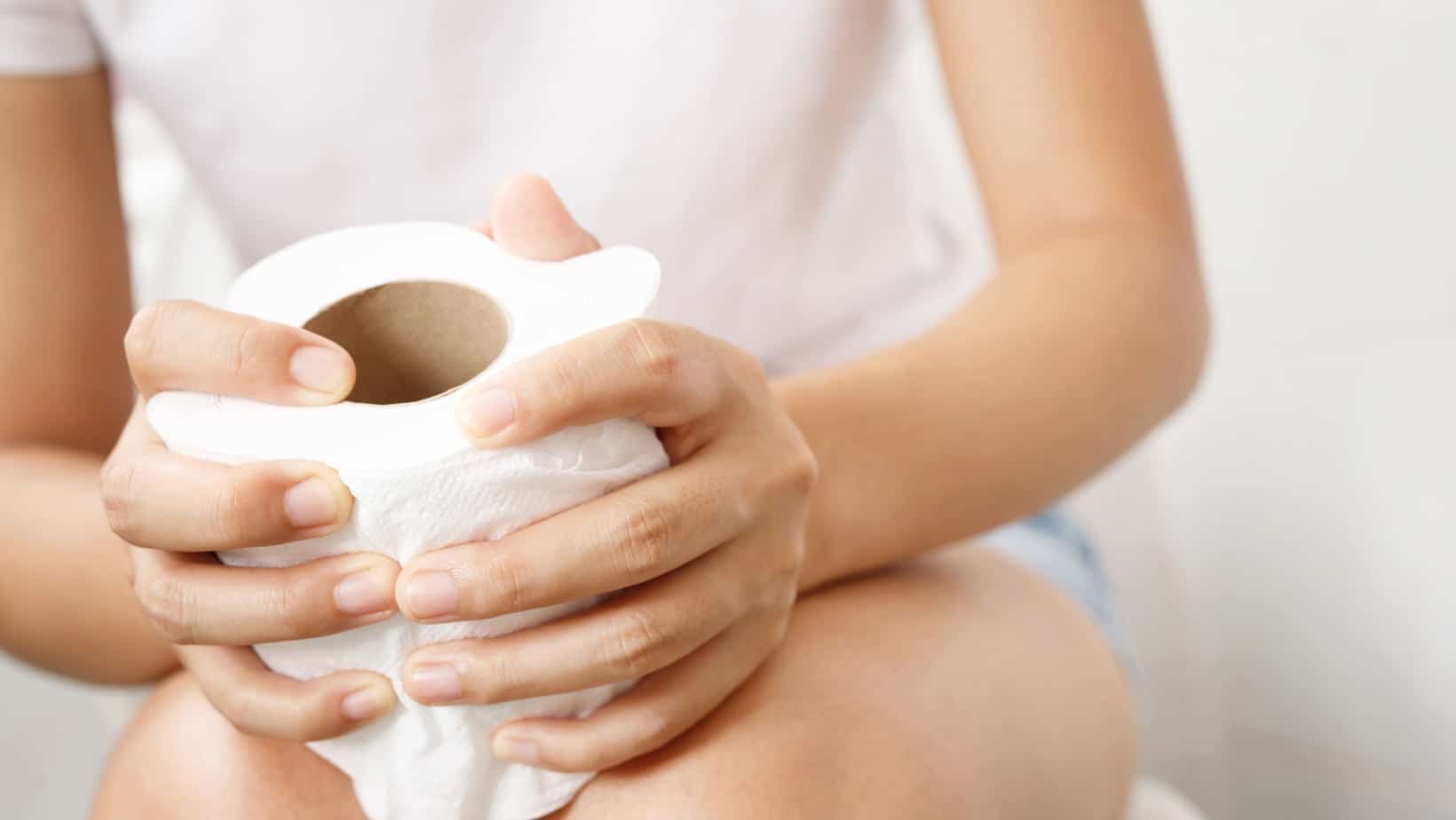
Water helps fiber soften stool and makes it easier for the colon to move things along. The National Institute on Aging specifically calls out “not enough fluids” as a major contributor to constipation in older adults. Healthline also notes that constipation is a common complication of dehydration in older people.
You Get Dizzy Or Lightheaded When You Stand Up

Feeling lightheaded when you stand up quickly can have many causes, but dehydration is one of them. StatPearls notes that as dehydration worsens, symptoms such as dizziness, palpitations, and orthostatic blood‑pressure drops may appear. NHS and Healthline also list dizziness and feeling faint as warning signs. If this is happening often, medical review is important, but checking hydration is a low‑risk starting point.
You’re Trying To “Drink Less” To Avoid Nighttime Bathroom Trips

Save this article
Many people, especially older adults, deliberately cut back on fluids to avoid getting up at night. While sleep is important, consistently restricting fluids can lead to daytime dehydration and constipation. Adjusting timing—more earlier in the day, less right before bed—often works better than a blanket “drink less” rule.
You Rely Almost Entirely On Coffee, Tea, Or Alcohol For Fluids

Caffeinated drinks and alcohol can contribute to total fluid intake but may also increase urine output and, in some cases, worsen dehydration. When most of what you drink has a diuretic effect, you may need more plain water or non‑caffeinated beverages to balance things. Herbal teas and water‑rich foods like fruits and vegetables can help.
You Rarely Reach The Recommended Daily Fluid Intake Range

Guidance on exact amounts varies, but major health organizations provide ballpark targets. The National Academies and other expert groups suggest that most older women need roughly 1.5–2.2 liters of fluids per day and older men about 2–3 liters, including all beverages and water‑rich foods. If you regularly drink far less than this, and also notice some of the signs above, you may be underhydrated.
Your Mood And Concentration Feel Off

Studies in adults suggest that even mild dehydration can affect mood, alertness, and cognitive performance. Healthline notes that poorly hydrated older adults may have more confusion or disorientation, especially when other illnesses are present. If you feel unusually irritable or foggy, fluids are not the only explanation, but they are one factor you can improve quickly.
You’ve Been Told Your Sodium Or Serum Osmolality Is High
Clinicians sometimes look at lab markers like serum sodium and osmolality to assess hydration. Research in middle‑aged and older adults has linked underhydration—reflected by higher serum sodium within the normal range—to increased risk of chronic disease and earlier biological aging. If your provider mentions these markers, it’s a good moment to ask about your hydration habits.
Turning Awareness Into Gentle Habits – Closing Takeaway

Hydration is not about perfection or chugging huge bottles of water; it is about paying attention to your body’s quieter signals. Pale urine most of the day, fewer unexplained headaches, and easier bowel movements are practical signs that you’re closer to your personal sweet spot. By spreading fluid intake across the day and choosing beverages you actually enjoy, you support digestion, energy, and long‑term health in a way that feels sustainable rather than forced.
Disclosure: This article was developed with the assistance of AI and was subsequently reviewed, revised, and approved by our editorial team.
Like our content? Be sure to follow us on MSN and Newsbreak.
13 Ways To Get More Fiber In Your Diet That You Might Actually Follow

Have you been told to add fiber to your diet? According to the American Society for Nutrition, only 7% of Americans get enough. But did you know that not all fiber is created equal? And eating the wrong kind could actually make digestive symptoms worse. We have the information you need on soluble vs. insoluble fiber, and the best strategy for your digestive health. Learn more.





