

What we keep within arm’s reach at night often reveals why rest feels so elusive, even in a room meant for sleep.
Your bedroom should be a sanctuary for rest, but it often becomes a dumping ground for the day’s clutter and stress. We pile up laundry, stack unread books, and let our gadgets invade the one space meant for recharging our batteries. Clearing out these distractions can drastically improve your sleep quality and mental peace.
Creating a better sleep environment doesn’t require a total home renovation or a degree in interior design. It starts with identifying the everyday items that silently sabotage your slumber and moving them out of arm’s reach. Here are thirteen things you should banish from your bedside table immediately.
Excessive Pillows

A mountain of throw pillows might look like a magazine spread, but it becomes a nuisance when it is time to sleep. You have to spend time moving them off the bed every night and putting them back every morning. Too many pillows can crowd your sleeping area, leaving you less room to stretch out comfortably.
Dust mites and allergens often hide in decorative cushions that aren’t washed as frequently as your pillowcases. Breathing in this dust all night can cause congestion and snoring that disrupts your sleep cycle. Keep only the pillows you actually use for sleeping on the bed and store the rest elsewhere.
The Smartphone

Most of us are guilty of scrolling through social media right before we close our eyes, but this habit is wrecking our rest. The blue light emitted by your phone tricks your brain into thinking it is still daytime, preventing you from drifting off naturally. According to SlickText, 71% of smartphone owners sleep with or next to their mobile phones on a typical night.
Beyond the light, the constant buzz of notifications keeps your brain in a state of high alert. You cannot fully relax when you are subconsciously waiting for the next email or text to arrive. Leaving your phone in the kitchen or living room helps you truly disconnect and unwind.
Work Laptops

Bringing your office into your bed blurs the line between professional responsibility and personal downtime. Your brain associates the bed with spreadsheets and emails rather than comfort and dreams, making it much harder to fall asleep. A study published in PMC found that using a laptop monitor was associated with a twofold to threefold higher risk of neck, upper back, and lower back discomfort.
Physically, working on a soft mattress provides no spinal support and can cause aches that keep you tossing and turning. The device’s heat can also make your bedding uncomfortably warm and stuffy. Keep your laptop on a desk or table to keep your bed a stress-free zone.
Scented Candles

While a lavender candle sounds relaxing, an open flame near flowing curtains and bedding is a recipe for disaster. It is far too easy to fall asleep with the wick still burning, putting your entire home at risk. The National Fire Protection Association reports that roughly 36% of home candle fires started in the bedroom.
Even if you don’t knock it over, the soot and artificial fragrances can irritate your respiratory system while you sleep. Breathing in smoke or strong scents all night can lead to a groggy, congested morning. Switch to a flameless battery-operated candle or an essential oil diffuser for a safer way to set the mood.
Bright Digital Clocks

Staring at the time when you can’t sleep creates a cycle of anxiety that only keeps you awake longer. Watching the minutes tick by adds pressure, making you calculate precisely how little sleep you will get before the alarm goes off. The Sleep Foundation notes that bright bedroom lighting can reduce nocturnal melatonin production by up to 90 minutes.
The artificial glow from these clocks penetrates your eyelids and disrupts your circadian rhythm even when you are asleep. Your room should be as dark as a cave to promote the deepest, most restorative rest possible. Turn the clock face away from you, or replace it with a model whose display dims completely.
Space Heaters

Heating your room to tropical temperatures might feel cozy at first, but it often leads to restless, sweaty nights. Your body needs to cool down slightly to initiate and maintain deep sleep, and a heater right next to the bed prevents this natural drop. Doctors recommend keeping the thermostat set between 65 and 68 degrees Fahrenheit for the most comfortable sleep.
There is also a significant safety hazard involved with keeping high-wattage heating appliances near flammable sheets and blankets. Dry air from these units can dehydrate your throat and nasal passages, causing you to wake up thirsty. Layer up with breathable blankets instead of relying on an electric heater to stay warm.
Tablets And E-Readers

Reading before bed is a great habit, but doing it on a backlit screen defeats the purpose. The interactive nature of apps and touchscreens stimulates your brain rather than calming it down for the night. Research in JAMA Network Open shows that daily screen users were 33% more likely to report poor sleep quality than those who avoided screens before bed.
Even devices with “night mode” still emit enough light to suppress melatonin and delay sleep onset. The content you consume matters too; news alerts or intense games can spike your adrenaline. Stick to physical books or magazines and use a soft, warm reading light to protect your eyes.
Food And Snacks

Save this article
Midnight snacking leaves crumbs in your sheets that can attract ants, roaches, and other unwanted pests. Sleeping in a bed with food debris is unhygienic and can cause skin irritation or allergic reactions. Eating right before lying down can also trigger acid reflux, causing heartburn that keeps you awake.
Digesting a heavy meal takes energy and raises your body temperature, which is the opposite of what you need for rest. Your body should focus on repair and recovery, not on breaking down sugar and carbs. Finish your last snack at least two hours before you plan to hit the hay.
The Purse Or Wallet

Keeping your wallet or purse on the nightstand is a subtle reminder of spending, bills, and financial responsibilities. It brings the stress of the material world right next to where you lay your head. Visual clutter creates mental clutter, making it difficult to shut off your worrying thoughts.
Additionally, these items often carry germs from the outside world directly into your clean sleeping space. You toss them on counters, car seats, and tables all day, collecting bacteria you don’t want near your pillow. Designate a spot in the hallway or kitchen for your daily carry items.
Exercise Equipment

Storing a treadmill or dumbbells in your bedroom turns your sanctuary into a gym, which is mentally stimulating. Seeing your workout gear can induce guilt if you skipped a session or stress about your fitness goals. Your brain needs to associate the bedroom with relaxation, not physical exertion and sweating.
Large equipment also takes up valuable floor space and can make the room feel cramped and chaotic. A cluttered environment leads to a cluttered mind, which is the enemy of a good night’s rest. Move your weights to the garage or living room to reclaim your bedroom’s peaceful atmosphere.
Intense Thrillers

Reading a gripping murder mystery or a horror novel right before bed can increase your heart rate and anxiety. Your imagination keeps running wild with the plot twists long after you have put the book down. Scary or suspenseful stories can lead to nightmares or stressful dreams that interrupt your sleep.
Emotional engagement with high-stakes fiction keeps your brain active when it should be powering down. You might find yourself tempted to read “just one more chapter” until the early hours of the morning. Opt for lighter, calmer reading material that helps you drift off rather than keeping you on the edge of your seat.
Uncomfortable Mattresses
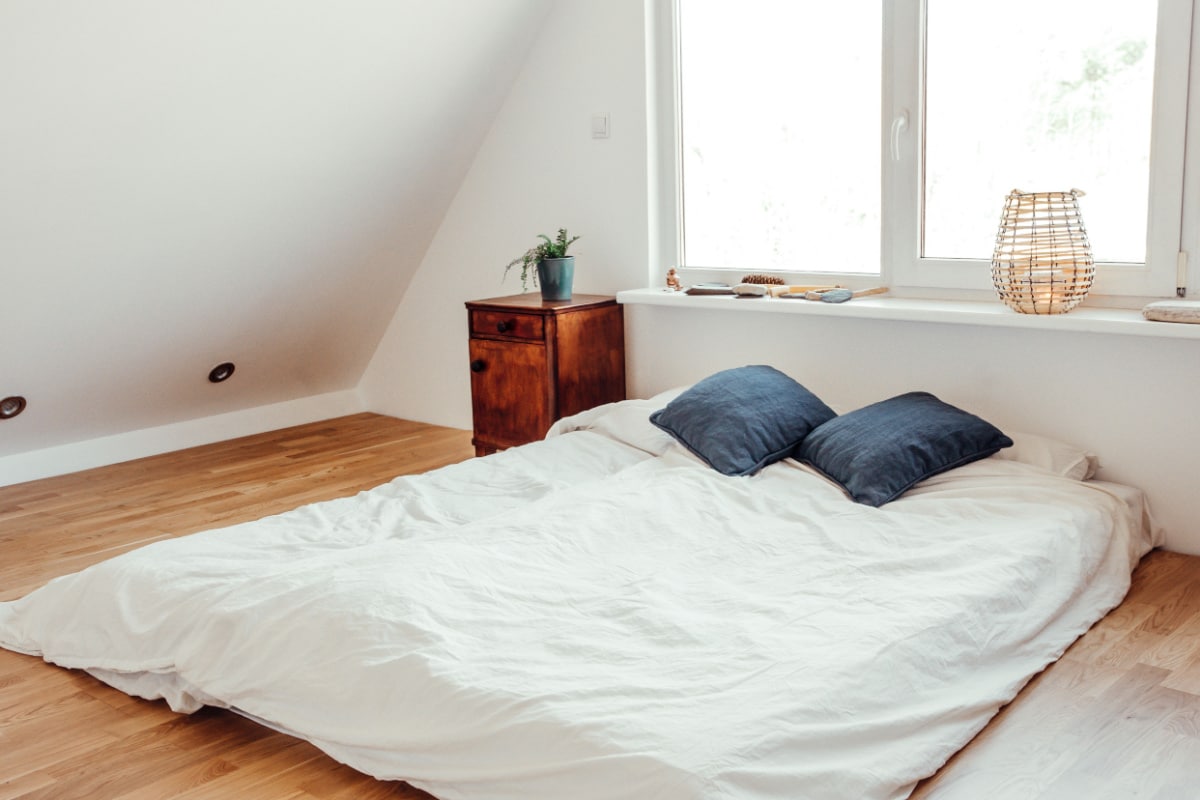
Holding onto a lumpy, sagging mattress is one of the worst things you can do for your back and your sleep quality. We often ignore the signs of wear and tear because replacing a bed is an expensive hassle. Sleeping on a bad surface can cause chronic pain that lingers long after you wake up.
If you wake up stiff or find you sleep better at hotels than at home, your mattress is likely the culprit. An old mattress also accumulates years of sweat, skin cells, and allergens that degrade air quality. Invest in a supportive mattress to ensure your time in bed is actually restorative.
The Alarm Clock

Reliance on a jarring alarm clock can cause “sleep anxiety,” where you wake up repeatedly to check if you overslept. The sudden, loud noise shocks your body out of sleep, increasing your heart rate and blood pressure instantly. Waking up naturally or with a gentle light-based alarm sets a much better tone for your day.
Old-fashioned ticking clocks are just as bad, as the rhythmic sound can become torture when you are trying to fall asleep. Silence is golden when you are trying to achieve deep, uninterrupted REM cycles. Use a silent alarm or a vibration setting to wake up without the panic-inducing noise.
Disclaimer – This list is solely the author’s opinion based on research and publicly available information. It is not intended to be professional advice.
Like our content? Be sure to follow us.
How Total Beginners Are Building Wealth Fast in 2025—No Experience Needed

How Total Beginners Are Building Wealth Fast in 2025
I used to think investing was something you did after you were already rich. Like, you needed $10,000 in a suit pocket and a guy named Chad at some fancy firm who knew how to “diversify your portfolio.” Meanwhile, I was just trying to figure out how to stretch $43 to payday.
But a lot has changed. And fast. In 2025, building wealth doesn’t require a finance degree—or even a lot of money. The tools are simpler. The entry points are lower. And believe it or not, total beginners are stacking wins just by starting small and staying consistent.
Click here, and let’s break down how.