

That adorable seal pup, slow-moving sea turtle, or photogenic bison may look irresistible, but getting too close can endanger the animal, put you at risk, and even break the law.
You spot a fluffy seal pup sleeping on the beach, as a turtle waddles past. A baby bison is ten feet away. Its face is oddly photogenic. Your brain says, “Aww.” The law says, “Absolutely not.”
Having spent enough time in national parks and on beaches, I’ve seen it happen too many times to count. People mean well. Maybe they want a closer look, take a photo, or even to pet it.
But even the most benign-looking, friendly, or wounded creatures in the U.S. are protected by federal and state wildlife laws. And yes, you could be fined seriously.
The following 13 animals in the United States are not safe to encounter, and for a variety of reasons that have nothing to do with ruining your vacation. It’s about protecting the animals as well as you.
Sea Turtles
Sea turtles look peaceful and slow, especially during nesting season. That calm vibe tricks people into thinking interaction won’t hurt.
Under the Endangered Species Act, all sea turtle species in U.S. waters receive federal protection. You cannot touch, harass, or interfere with them at any stage of life.
NOAA reports that human disturbance reduces nesting success and increases hatchling mortality.
Even a flash of light can disrupt a nesting turtle. Want to help? Stay at least 50 feet away and report issues to wildlife authorities.
Manatees
Manatees look like oversized, sleepy marshmallows floating in warm Florida waters. They often swim close to boats and kayaks.
The Marine Mammal Protection Act makes it illegal to touch, feed, or harass manatees. Florida authorities issue fines up to $500 per violation, and federal penalties can climb much higher.
People often justify touching them by saying, “It swam up to me!” That doesn’t make it legal. Manatees approach out of curiosity, not consent.
Bison
Bison rank among the most photographed animals in national parks. They also send more people to hospitals in Yellowstone than bears do. The National Park Service requires visitors to stay at least 25 yards away from bison.
Every year, tourists get gored because they assume bison act like cows. They don’t.
I’ve watched someone try to get a selfie with a bison. It ended exactly how you think it would. Don’t test a 2,000-pound animal’s patience.
Seals and Sea Lions
Seals look like beach puppies. Sea lions sometimes bark playfully near docks. That cuteness hides strict federal protection.
The Marine Mammal Protection Act prohibits touching or disturbing any marine mammal. NOAA enforces minimum viewing distances, often 100 feet or more.
Human interaction can stress these animals, leading mothers to abandon their pups. That quick Instagram moment can cost a life.
Dolphins
Dolphins feel friendly and intelligent, and they sometimes approach swimmers or boats.
Despite that, federal law forbids touching, feeding, or swimming closely with wild dolphins in U.S. waters. NOAA reports that human-fed dolphins lose natural foraging behaviors and face higher injury risks.
If a dolphin swims near you, enjoy the moment, but don’t reach out. You protect them by resisting the urge.
Elk
Elk look majestic and calm as they graze. During rut season, that calm disappears fast.
National parks require visitors to keep at least 25 yards away, and elk injuries spike during mating season. Bulls can charge suddenly and cause serious harm.
People underestimate elk because they resemble deer. Size and hormones change that equation quickly.
Hawaiian Monk Seals
Hawaiian monk seals rank among the most endangered marine mammals in the U.S.
Federal law protects them under both the Endangered Species Act and the Marine Mammal Protection Act.
Authorities recommend staying at least 50 feet away, and touching them can trigger heavy fines. Volunteers often use ropes to keep resting seals from being approached by tourists. Please don’t be that tourist.
Wild Horses (Certain Protected Herds)
Wild horses in areas like the Outer Banks and parts of the West fall under federal or state protections. The Bureau of Land Management enforces minimum distance rules, often requiring visitors to stay 50 feet away.
Touching or feeding them disrupts herd dynamics and increases aggression. People forget that wild horses remain exactly that wild.
Gopher Tortoises
These quiet reptiles dig extensive burrows across the southeastern U.S.
Many states classify gopher tortoises as a protected species. Florida law, for example, prohibits handling or disturbing them without a permit.
Touching them may seem harmless, but you can collapse burrows or spread disease. Their slow pace doesn’t mean they need help.
Bald Eagles
Save this article
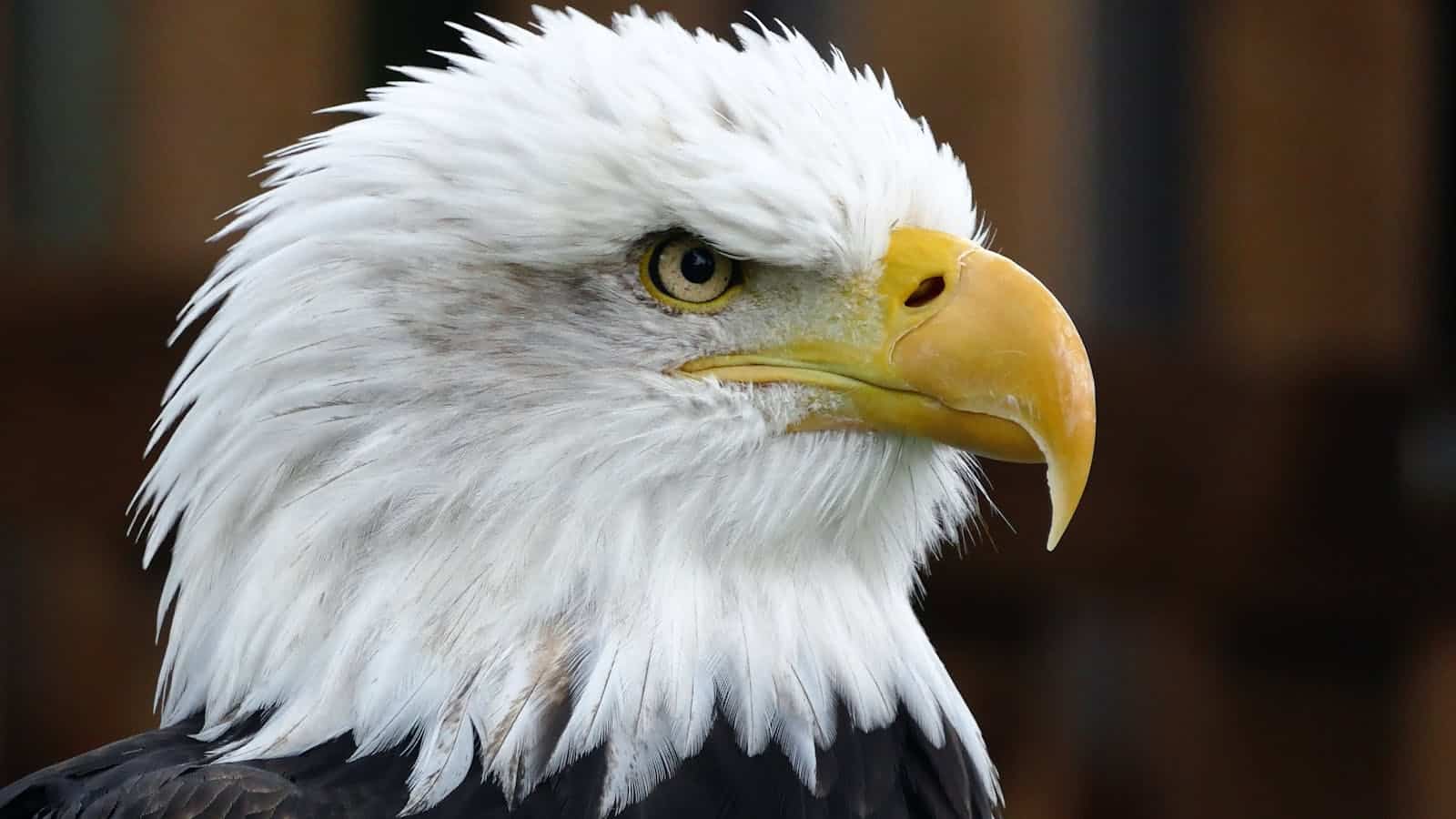
The bald eagle symbolizes American strength, so people naturally feel awe in its presence.
The Bald and Golden Eagle Protection Act makes it illegal to disturb, handle, or interfere with bald eagles or their nests. Violations can result in fines up to $100,000 and even jail time.
Even approaching too closely during nesting season can count as disturbance. Admire from a distance and let them do their thing.
Mountain Goats
Mountain goats inhabit high elevations in places like Glacier National Park.
The National Park Service requires visitors to maintain at least 25 yards of distance. Goats sometimes approach humans because they seek salt from sweat or urine.
That behavior creates dangerous proximity. Rangers strongly discourage interaction to prevent aggression and dependency.
Red Wolves
Red wolves remain critically endangered and protected under federal law.
The Endangered Species Act strictly prohibits harming or harassing them. Their limited population means every individual matters.
Even accidental interference can threaten recovery efforts. Conservation programs work hard to rebuild numbers don’t disrupt that progress.
Sea Otters
Sea otters float adorably on their backs, often with their paws held. They look like they want cuddles.
They fall under the Marine Mammal Protection Act, which makes it illegal to touch or harass them. California authorities recommend staying at least 60 feet away.
Sea otters face stress from human interaction, and repeated disturbance affects feeding and pup survival. Cute doesn’t equal accessible.
Why these laws exist
You might wonder, “If I mean well, why does it matter?” It matters because wildlife protection laws exist to:
- Prevent stress and injury to animals
- Reduce disease transmission
- Protect endangered populations
- Prevent dangerous human encounters
Research consistently shows that human interference increases stress hormones in wildlife, reduces reproductive success, and changes natural behaviors. Good intentions don’t override biological consequences.
Final thoughts
Wild animals don’t need hugs, selfies, or assistance unless trained professionals step in. They need space. They need stability. They need us to respect the boundaries set by conservation laws.
Next time you see a sea turtle, bison, or seal pup, pause and admire the moment from a safe distance. That restraint shows real respect. And honestly, nothing says “wildlife enthusiast” more than knowing when not to touch.
Nature looks incredible up close, but it works best when we keep our hands to ourselves.
More articles:
- Why Migratory Birds Are in Trouble and How You Can Help
- 9 animals that can stand their ground against lions
- 9 wild U.S. Animals you can’t touch, no matter what
The 10 Most Expensive Wildlife Mistakes People Make in the U.S.

Wildlife can be awe-inspiring. It can also be incredibly costly if you don’t know what you’re doing. People make pricey mistakes with wild animals every day, whether it’s feeding a bear from your car window or trying to raise a raccoon like it’s a kitten.
Some of these missteps drain your bank account. Others get you slapped with serious fines or hospital bills. A few even put entire species or local ecosystems at risk. If you’re not careful, that photo op or animal rescue attempt might cost you a whole lot more than expected. Learn more.
12 dog breeds that are adorable, chaotic, and exhausting to own

That adorable puppy on your feed may also come with nonstop energy, shredded furniture, and a sleep schedule that no longer belongs to you.
Some dog breeds are undeniably charming, but charm and manageability are not always the same thing. High-energy and highly intelligent breeds often require far more time, structure, training, and stimulation than new owners expect. Learn more.
Why Jackals Are Key To Understanding Ecosystem Shifts
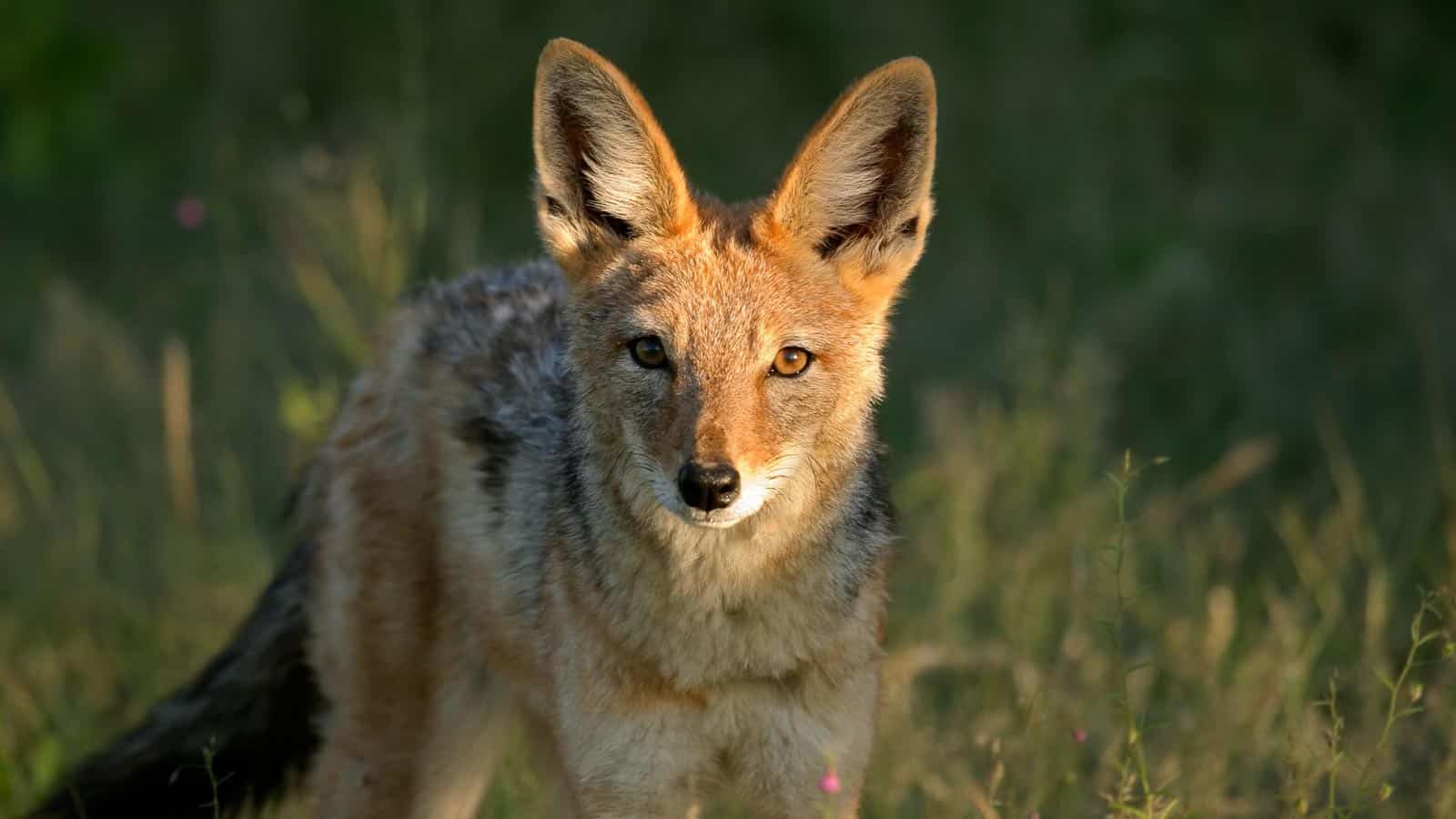
In a time when wildlife conversations focus on rarity, jackals stand out as a case study in resilience, adaptability, and shifting ecosystems.
Every April 19, World Jackal Day invites people to take a fresh look at an animal that has spent centuries in the shadow of bigger, better-known predators. Jackals may not be the most famous members of the dog family, but they are among the most adaptable. Found across Africa, Asia, and parts of Europe, they thrive in a wide range of habitats and survive by making smart use of whatever food and shelter the landscape provides. Learn more.





