

Retirement brings a new rhythm to life, often accompanied by a fixed income. This shift means every dollar counts, and the weekly grocery run can quickly become a significant drain on your finances if you’re not careful. It’s easy to fall into old habits or get swayed by tempting displays, but smart shopping becomes a superpower in these golden years.
Think of your grocery cart as a personal money manager. What goes in directly impacts your budget and, just as importantly, your health. By making conscious choices and sidestepping common traps, retirees can significantly save on food expenses, freeing up funds for other interests or to bolster their emergency fund. Let’s unveil 14 items that should probably stay out of your cart.
Bulk-Size Snacks

Those giant bags of chips or cookies might seem like a deal, but they often lead to overconsumption and wasted food if you can’t finish them before they go stale. For retirees, smaller households mean bulk snacks are rarely a good investment. Opt for smaller packages or make your own healthy snack alternatives, supporting your diet and wellness.
Salad Dressings

Pre-made salad dressings are often packed with unnecessary additives, corn syrup, and unhealthy fats. Plus, they can be surprisingly expensive. Whipping up your own dressing from basic pantry staples like olive oil, vinegar, and herbs & seasonings is quick, far more healthy, and much cheaper. It’s a simple recipe that saves your money.
Off-Season Produce

Craving strawberries in December? You’ll pay a hefty premium for them. Buying produce when it’s out of season means it’s likely been imported, costing more and often lacking in flavor and nutrients. Focus on seasonal fruits and vegetables, which are typically cheaper, fresher, and healthier food choices. It’s a key tip & technique for meal planner success.
Duplicate Pantry Staples
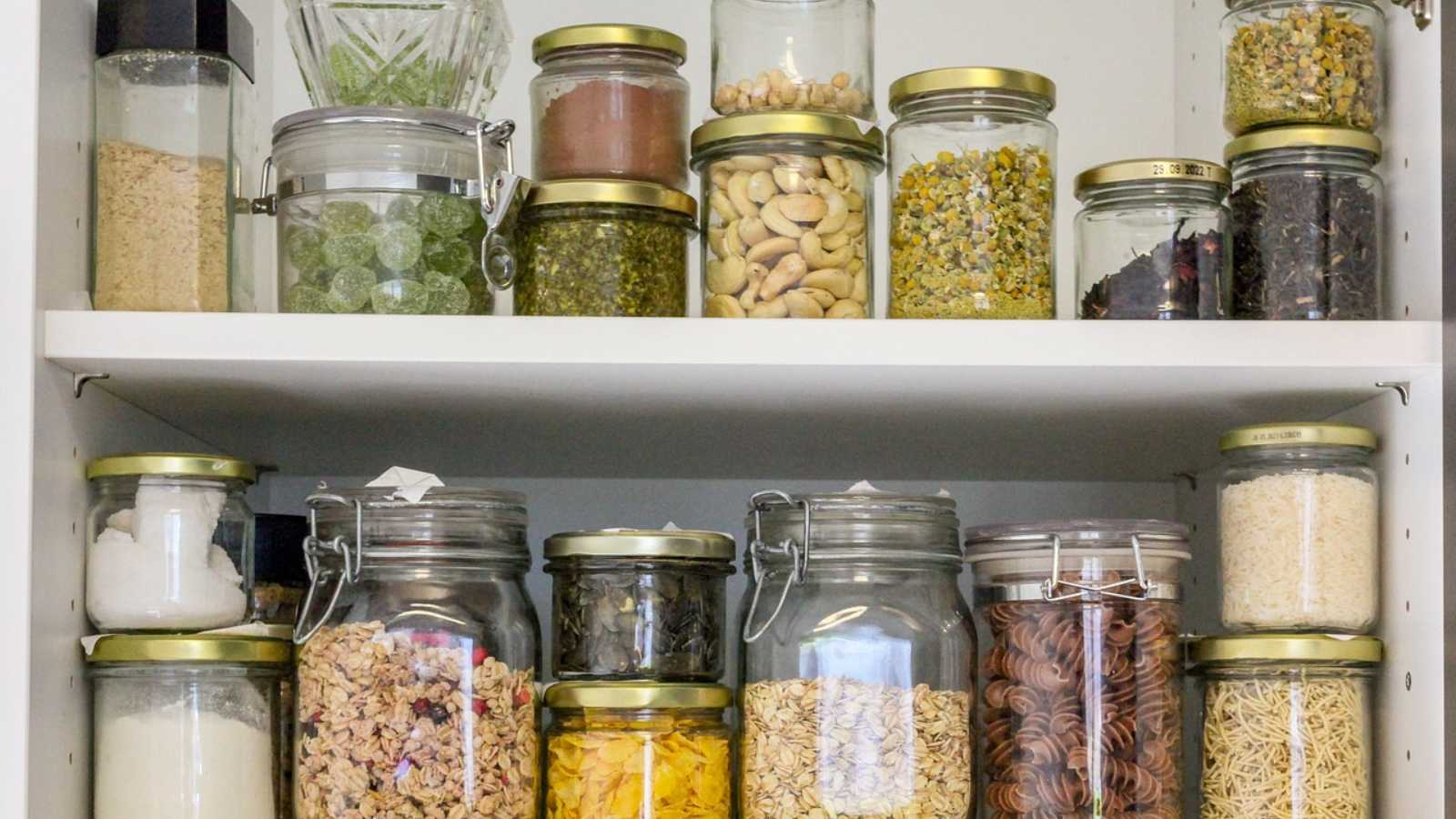
Before you buy another jar of peanut butter or a bag of flour, take a quick peek in your pantry. Many retirees inadvertently buy duplicates of items they already have, leading to expired food and wasted money. A quick inventory check before you shop can save you both time and money.
Name-Brand Products

Often, the only difference between a name-brand product and its generic counterpart is the packaging and the price. From canned goods to cleaning supplies, store brands often offer the same quality at a significantly lower price. Make it a habit to compare unit prices and opt for the generic to save on your food and household expenses.
Pre-Packaged Or Single-Serving Items

Convenience comes at a price. Those individually wrapped snacks, pre-cut fruit, or single-serving yogurts carry a significant markup compared to their larger, less-processed versions. For retirees, who often have more time for food preparation, buying in bulk and portioning yourself is a simple way to save money and reduce waste. According to reports, single-serving items can cost up to 30% more per ounce than their larger counterparts.
Sale Items You Don’t Need

A sale isn’t a save if you weren’t going to buy the item in the first place. Retailers use “deals” to entice you to purchase things you don’t actually need. Stick to your shopping list and avoid being swayed by discounts on unnecessary items. This habit is essential for maintaining a balanced budget and sound financial management.
Frozen Dinners

While convenient for a quick meal, frozen dinners are generally overpriced, often high in sodium, and lack the nutritional value of a freshly prepared healthy meal. Learning a few simple, quick recipes for your meal planner can result in more delicious, healthier food options that are much kinder to your finances.
Sugary And Fizzy Drinks

Save this article
Soft drinks and sugary juices offer little to no nutritional benefit and are essentially just “empty calories” that can contribute to an unhealthy diet. They also add up in cost. Opt for water, unsweetened tea, or make your own infused water for a healthy and far cheaper beverage choice. This supports your health and wellness.
Unnecessary Convenience Items

Think twice about anything that’s “pre-made” or “pre-cut” if you can do it yourself in minutes. Pre-chopped vegetables, ready-made salads, or even pre-minced garlic often cost significantly more. A few minutes of prep time with your own kitchen tools can save you substantial money and ensure fresher, healthier food.
Specialty or Exotic Ingredients

Unless a recipe truly calls for it, resist the temptation to buy expensive, rarely used specialty ingredients. They often sit in your pantry staples until they expire, becoming wasted money. Stick to common herbs & seasonings, and ingredients that you’ll use regularly for your daily food.
Processed Meats

Processed deli meats, hot dogs, and sausages are often high in sodium, additives, and unhealthy fats, making them less than ideal for a healthy diet. They are also usually more expensive per pound than leaner, unprocessed cuts of meat. Opt for fresh poultry, fish, or plant-based protein for healthier food and a budget-friendly option.
Sugary Cereals

Similar to sugary drinks, many breakfast cereals are loaded with fructose and offer minimal nutritional value, despite appealing packaging. They can also be surprisingly expensive. Switching to oats, eggs, or sourdough toast offers a healthier, filling, and economical start to your day, improving your overall health and finances.
Overpriced Bulk Buys

Not all bulk buys are good deals, especially for smaller retiree households. Perishable items bought in too large quantities can spoil before they’re consumed, leading to waste. Always compare the unit price, and consider whether you’ll realistically use all of it before it goes bad. A smart habit is to avoid impulse buys, protecting your budget.
Disclaimer – This list is solely the author’s opinion based on research and publicly available information. It is not intended to be professional advice.
How Total Beginners Are Building Wealth Fast in 2025—No Experience Needed

How Total Beginners Are Building Wealth Fast in 2025
I used to think investing was something you did after you were already rich. Like, you needed $10,000 in a suit pocket and a guy named Chad at some fancy firm who knew how to “diversify your portfolio.” Meanwhile, I was just trying to figure out how to stretch $43 to payday.
But a lot has changed. And fast. In 2025, building wealth doesn’t require a finance degree—or even a lot of money. The tools are simpler. The entry points are lower. And believe it or not, total beginners are stacking wins just by starting small and staying consistent.
Click here and let’s break down how.
5 Easy Steps to Change Any Habit

5 Easy Steps to Change Any Habit
We all click on them with the hope that just THIS time the secret to changing a bad habit or adopting a healthy one will be revealed and we’ll finally be able to stick to that diet, stop that one or ten things that might in the moment make us feel temporarily good but really just make us fat, unhealthy, sad, mad or just frustrated with ourselves.





