

According to the National Institute of Mental Health, approximately 50% of U.S. adults will experience at least one traumatic event in their lifetime—a staggering reminder of how common rock bottom truly is. But for many, that moment of collapse becomes the foundation for radical transformation. People don’t just survive adversity—they reshape their lives with purpose, whether through recovery, reinvention, or resilience.
This isn’t just about bouncing back; it’s about bouncing forward with renewed strength and perspective. This list explores 15 powerful actions real people took to turn their lives around, proving that even from the deepest pits, you can climb toward the light.
Embracing radical honesty

Many people hit their lowest point pretending everything is fine. The turning point comes when they finally admit their pain to themselves and others. A 2025 article from Samba Recovery confirms that honest acceptance of one’s circumstances is central to recovery and personal growth.
Sharing honestly with trusted people sparks supportive interventions and fosters authentic relationships. Letting go of the mask of “I’m okay” is uncomfortable but crucial. It often leads to new support networks, more effective therapy, and a sense of relief from the burden of secrecy, setting the stage for upward change.
Seeking professional help

Therapy or counseling is a proven way to break cycles of self-destruction and isolation. Data shows that individuals who reach out for professional support—for addiction, trauma, or depression—are significantly more likely to sustain recovery and improve their quality of life.
The National Institute of Mental Health (NIMH) reports that major depression is highly treatable, and many individuals do experience significant improvement with appropriate care. This move is often marked by humility and a willingness to change. Building trust with a professional clarifies goals, teaches healthy coping mechanisms, and fosters accountability, providing structure to the climb out of rock bottom.
Building a new support system

Many Americans feel isolated until they allow trusted friends or family to intervene—an act that often marks the turning point in recovery. In 2022, CDC data showed that adults lacking social and emotional support reported significantly higher rates of depression, anxiety, and frequent mental distress.
Support groups and reconnection with loved ones reduce loneliness and improve mental health outcomes, especially among those facing economic hardship or identity-based discrimination. Although leaning on others may feel risky after trauma, the discomfort often signals the start of meaningful change.
Leaving toxic relationships

Leaving a destructive relationship often marks one of the most courageous and consequential moves a person makes to escape rock bottom. According to the CDC’s National Intimate Partner and S3xual Violence Survey (NISVS), 41% of women and 26% of men report experiencing contact s3xual violence, physical violence, or stalking by an intimate partner during their lifetime.
The National Coalition Against Domestic Violence confirms that the act of leaving an abuser carries the highest risk of harm, underscoring the danger and bravery involved. Once individuals exit toxic environments, studies show they experience lower rates of depression, anxiety, and PTSD, especially when supported by safe housing and trauma-informed care.
Taking a leap of faith

In 2024, Gallup reported that only 33% of U.S. employees felt engaged at work, while 16% were actively disengaged, citing burnout, a lack of purpose, and toxic work environments as key drivers. “Between 2022 and 2024, tens of millions of Americans voluntarily left their jobs, reflecting a widespread appetite for personal reinvention.
For many, relocating or starting over financially isn’t reckless—it’s a calculated move to escape stagnation and reclaim agency. Those who succeed often report increased motivation, improved mental health, and a renewed sense of purpose.
Setting new boundaries

Saying “no” can be a radical act of self-preservation for people recovering from crisis. According to Samba Recovery, setting clear boundaries helps prevent relapse by reducing exposure to triggers and reinforcing personal accountability. Emotional and internal boundaries—such as limiting contact with harmful individuals or managing impulsive behaviors—are especially critical for rebuilding mental health.
A 2020 meta-analysis published in the Journal of Personality and Social Psychology found that self-esteem and social relationships influence each other in a reciprocal cycle. This means that stronger boundaries and healthier relationships reinforce one another over time.
Committing to sobriety

Overcoming substance use disorder remains one of the most difficult and courageous decisions a person can make. According to SAMHSA, over 20.9 million U.S. adults who have experienced substance use issues consider themselves in recovery. Daily commitments to sobriety—through structured programs, peer support, and behavioral therapy—significantly reduce relapse risk and improve long-term outcomes.
While recovery rarely follows a straight path, each milestone strengthens resilience and restores personal agency. For many Americans, choosing recovery is the boldest move they make to escape rock bottom—and it is also the most transformative.
Developing routine and discipline

Building a daily routine is one of the most effective tools Americans use to stabilize life after addiction or crisis. According to Arista Recovery, establishing structured habits around sleep, nutrition, and movement can reduce stress, regulate emotions, and lower the risk of relapse. Even small changes—like consistent wake times or daily walks—help restore control and reinforce self-discipline.
A 2023 study from Kean University found that individuals in early recovery relied on routines to manage unoccupied time and avoid triggers that previously led to substance use. For many, creating structure isn’t just a coping strategy—it’s a bold move that shifts life from chaos to progress.
Rediscovering purpose

Helping others often marks a turning point for Americans rebuilding after a crisis. According to the U.S. Census Bureau and AmeriCorps, over 60.7 million people formally volunteered through organizations in 2021, contributing more than 4.1 billion hours of service with an estimated economic value of $122.9 billion.
Save this article
Sober Living America reports that volunteering boosts self-esteem, reduces anxiety and depression, and strengthens recovery by providing a sense of purpose and structure. Survivors who mentor others or share their stories often report a renewed sense of motivation and a deeper social connection.
Investing in personal growth

Many Americans in recovery turn to education and hobbies as tools for rebuilding identity and purpose. Samba Recovery notes that engaging in new activities—such as cooking, art, or fitness—helps regulate emotions, reduces the risk of relapse, and restores confidence.
Rosewood Recovery also reports that mastering new skills provides structure, fills idle time, and reinforces self-worth during the early stages of sobriety.
These outlets also foster social connection, which research links to improved mental health and long-term resilience. For people at rock bottom, learning something new often becomes the most evident proof that change is possible—and already underway.
Breaking out of comfort zones

Breaking toxic patterns often requires bold action—and for many Americans, that means embracing novelty through travel, taking risks, or trying new experiences. According to the U.S. Travel Association, domestic travel spending reached over $1.2 trillion in 2023, with a notable increase in solo and wellness-focused trips, reflecting a growing desire for personal growth and reinvention.
Positive psychology research confirms that novelty activates the brain’s reward system, thereby boosting motivation and enhancing emotional resilience in the face of adversity. People who take calculated risks—whether relocating, changing routines, or exploring unfamiliar places—often report increased confidence and a renewed sense of purpose.
Practicing radical self-compassion

Forgiving oneself is a bold and measurable step toward psychological recovery. Clinical research by Kristin Neff and Christine Braehler confirms that self-compassion significantly reduces shame, improves emotional regulation, and increases motivation in individuals recovering from trauma.
A 2024 study published in Scientific Reports found that higher levels of self-compassion moderated the impact of post-traumatic symptoms, leading to greater post-traumatic growth—even in cases of severe distress. Survivors who practiced mindfulness, journaling, and affirmations reported stronger emotional resilience and a more stable sense of identity.
Prioritizing mental health

Between 2019 and 2023, the share of U.S. adults receiving mental health treatment rose from 19.2% to 23.9%, reflecting a growing commitment to recovery through therapy and medication. In 2023 alone, over 60 million Americans engaged in counseling or psychiatric care, underscoring the scale of personal investment in mental health.
Meditation also gained traction, with 14.2% of U.S. adults practicing it regularly to manage stress and prevent relapse. These daily interventions—whether clinical or contemplative—help individuals rebuild emotional stability and signal that recovery is a priority worth protecting.
Cultivating gratitude

In a 2024 study of 49,275 U.S. women published in JAMA Psychiatry, those with the highest gratitude scores had a 9% lower risk of death over four years compared to those with the lowest scores. Researchers have also linked gratitude to better sleep quality, a lower risk of depression, and improved cardiovascular markers.
These biological and psychological benefits make gratitude a strategic tool for people rebuilding after trauma. By focusing on what remains rather than what was lost, individuals shift their mindset from despair to possibility.
Creating a new identity

In the U.S., 60% of legal identity change requests since 2023 have come from individuals citing trauma or safety as their primary motivation. For many survivors, shedding labels like “addict” or “victim” isn’t symbolic—it’s a strategic act of reclaiming autonomy and rewriting their narrative. Trauma specialists report that legal identity change often leads to immediate reductions in anxiety and a renewed sense of control.
This reinvention process helps people integrate survival into their self-concept, rather than being defined by past harm. Escaping rock bottom sometimes begins with the bold decision to become someone new.
Disclaimer – This list is solely the author’s opinion based on research and publicly available information. It is not intended to be professional advice.
16 grocery staples to stock up on before prices spike again

16 Grocery Staples to Stock Up On Before Prices Spike Again
I was in the grocery store the other day, and it hit me—I’m buying the exact same things I always do, but my bill just keeps getting higher. Like, I swear I just blinked, and suddenly eggs are a luxury item. What’s going on?
Inflation, supply-chain delays, and erratic weather conditions have modestly (or, let’s face it, dramatically) pushed the prices of staples ever higher. The USDA reports that food prices climbed an additional 2.9% year over year in May 2025—and that’s after the inflation storm of 2022–2023.
So, if you’ve got room in a pantry, freezer, or even a couple of extra shelves, now might be a good moment to stock up on these staple groceries—before the prices rise later.
6 gas station chains with food so good it’s worth driving out of your way for
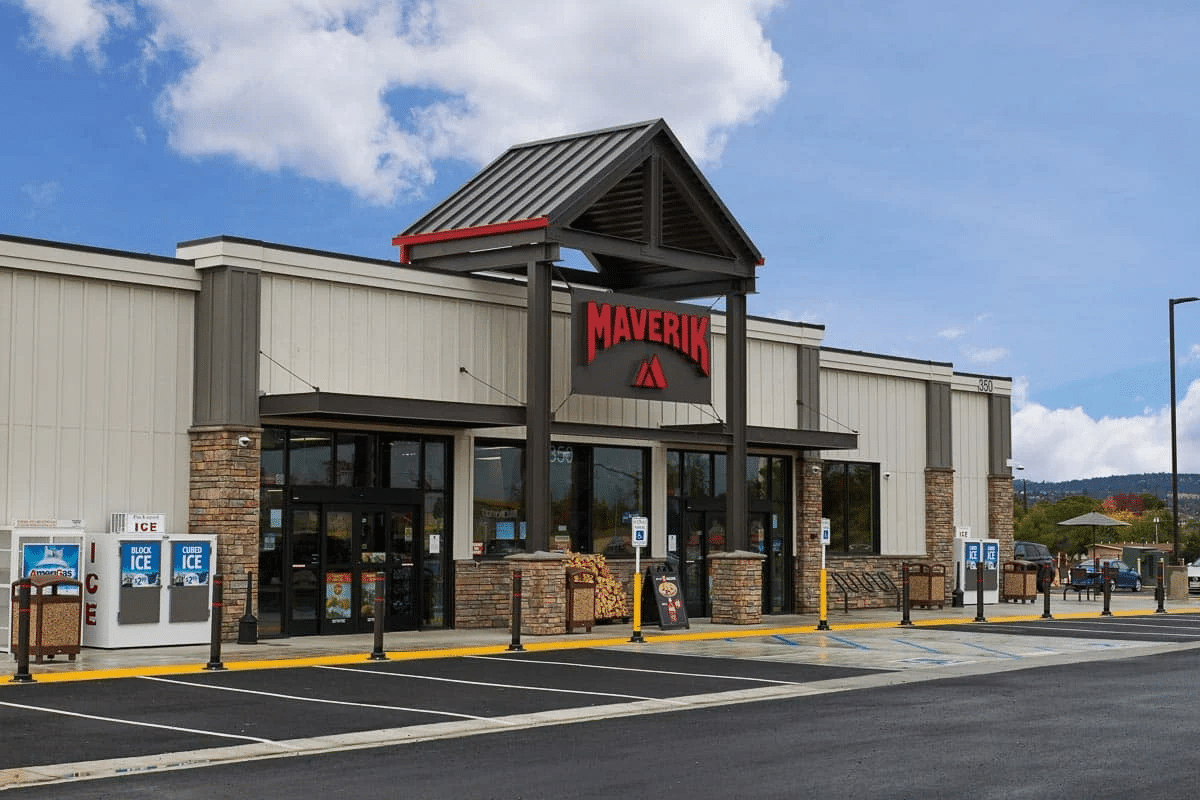
6 Gas Station Chains With Food So Good It’s Worth Driving Out Of Your Way For
We scoured the Internet to see what people had to say about gas station food. If you think the only things available are wrinkled hot dogs of indeterminate age and day-glow slushies, we’ve got great, tasty news for you. Whether it ends up being part of a regular routine or your only resource on a long car trip, we have the food info you need.
Let’s look at 6 gas stations that folks can’t get enough of and see what they have for you to eat.





