
Ever tried to make dinner with nothing but beans, cornmeal, and maybe a slab of salted pork? That’s exactly how pioneers managed in the Old West.
Whenever I’m reading about surviving in the Old West, I always find myself wondering how I’d manage without a fridge, grocery store, or even a bag of chips to fall back on. In fact, pioneers were very resourceful and often settled for what they could grow, hunt, or trade.
It’s said that wagon guides recommended around 3 pounds of food per person per day to get through the long journey west, as illustrated in a report by the Frontier American. This demonstrates the extent of planning that survival really required.
Sometimes, it was that the food was dull, tasteless, or plain hard to chew. At other times, it was about creating cooking methods and clever storage ideas that allowed food to last for weeks on the trail. Let’s walk through the chuckwagon pantry and see what was actually nourishing pioneers in the field.
Dried beans kept bellies full for days

Beans were a blessing in that they cost little, were filling, and would last virtually forever when dried. A pound would feed a family, especially when simmered for a long time over a campfire. Some of the most frequently eaten beans include pinto, navy, kidney, and black-eyed peas.
Pioneers typically boiled them with salt pork or a small amount of bacon, if available. Beans’ protein and fiber gave the energy needed on long trail days. No wonder they became one of the most iconic trail foods of the time.
Wild game provided variety when hunting was good

Except for venison, pioneers also hunted rabbits, prairie chickens, turkeys, and even squirrels. This yielded them fresh meat and diverse flavors when the reserves were depleted. Hunting came as a gamble, though, since it required ammunition and energy, both of which were limited.
Families would stretch the game by combining it with potatoes or beans. Success would be rewarded by a fresh catch, translating into an extra-special feast.
Hardtack was the ultimate travel snack

Hardtack was basically a rock-hard cracker made of flour, water, and sometimes salt. It was so hard that it would last for years if stored dry, but eating it regularly meant soaking it in coffee or stew to avoid breaking a tooth. When made and stored correctly, it can last up to 25 years or more.
It was no-fuss food consumed by soldiers and pioneers both. It wasn’t tasty, but it was reliable. Hardtack is mentioned in most 1800s diaries as a blessing and a curse on the trail west.
Potatoes lasted through tough seasons

Potatoes were vital because they could be stored for weeks without spoiling. Colonists carried sacks of them across the plains and cooked them in every possible way.
They could be boiled, roasted, mashed, or mixed into stews. Potatoes were the only fresh vegetable the colonists had to anticipate for weeks in most cases. They provided much-needed vitamin C to ward off disease.
Salted pork added flavor and fat

Pork, which was kept in casks of salt, made it through the arduous, hot journey west. The meat was salty and fatty, serving as the sole trustworthy source of flavor for otherwise bland meals.
Pork’s calorie content ranges widely, from about 122 kcal per 100g for lean tenderloin to nearly 500 kcal for fatty cuts like pork belly, making it a versatile source of both protein and energy depending on the cut.
Pioneers would cut chunks off to fry with the beans or add to a stew. While it wasn’t necessarily good for the heart, it kept people going when food was scarce.
Molasses sweetened even the blandest foods

Sugar was expensive and difficult to transport, but molasses was more readily available in pioneer kitchens. Molasses was thick and sweet and used to sweeten bread, biscuits, and even beans.
Some called it “poor man’s sugar.” It was a source of readily available calories and lifted spirits when rations tasted too bland. A spoonful over coffee or on cornbread was a welcome, yet straightforward, luxury.
Cornmeal turned into endless meals

Cornmeal was a pantry staple because it could be made into fried cakes, mush, or bread. Pioneers relied on it as their basic carbohydrate source. In fact, a basic dish known as “corn dodgers” became trail-famous—small cakes cooked on hot pans or rocks.
Cornmeal was handy, versatile, and cheap. It was also one of the few things settlers could grind for themselves if they possessed corn.
Rice traveled surprisingly well
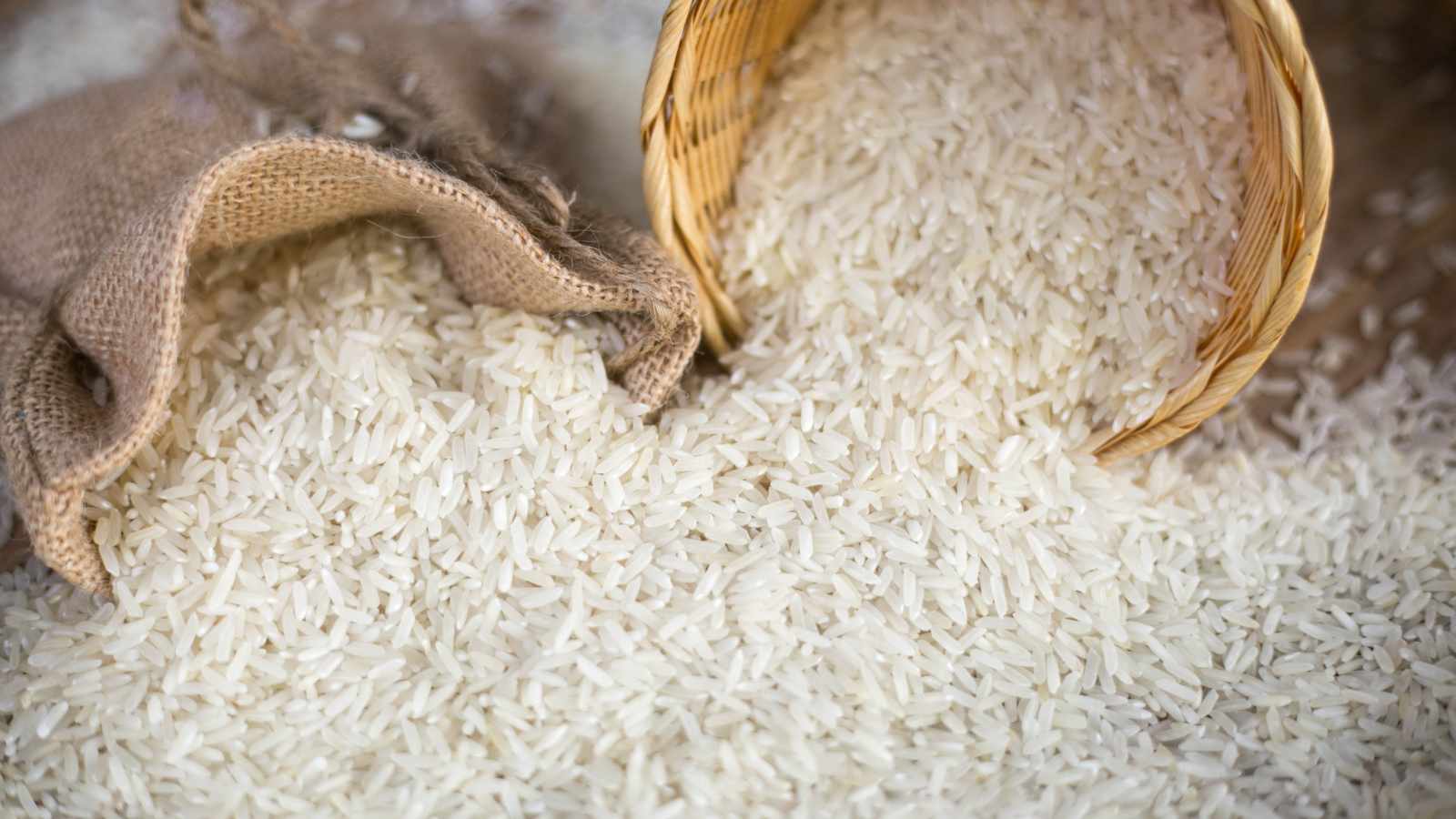
Although not as commonly used as flour or cornmeal, rice was provided by some families due to its long shelf life and nutritional value. It could be cooked in milk to be consumed for breakfast or added to stews for dinner.
The problem was keeping it dry on the journey. It was, however, light and consisted of high-energy carbohydrates. In areas with trading posts, rice became increasingly available over time.
Dried fruit was a sweet treat and a vitamin boost

Fruit did not keep well without refrigeration, so it was dried instead. Apples, peaches, and raisins were commonly found in pioneer cuisine, particularly to combat scurvy.
Scurvy was common among early American western migrants, especially during gold rushes and frontier settlement periods. Globally, scurvy claimed the lives of over 2 million sailors between the Age of Exploration and the mid-19th century, often surpassing the number of deaths caused by storms or combat.
Families commonly included jars of dried apples in pies or plain stews. It was both a comfort and a health precaution.
Save this article
Coffee fueled long days on the trail

Even with the lack of supplies, pioneers did not regularly give up their coffee. Beans were roasted and brewed over an open fire and served to provide warmth as much as energy. Journals often refer to coffee as a morale booster after long days of travel.
Sugar was not consistently available, so black coffee was the norm. However, it was held in such high regard that families would ration it carefully to make it last.
Flapjacks made mornings a little brighter

When flour, lard, and a small amount of sugar were on hand, flapjacks were a breakfast staple. Chefs fried them in skillets over campfires, sometimes topping them with molasses or dried fruit.
They were warm, wholesome, and reminiscent of a homey food. Flapjacks became a chuckwagon staple on cattle drives. Even when ingredients were lean, they brightened up mornings.
Jerky was a protein-packed lifesaver

Drying venison, bison, or beef strips was among the first food preservation methods employed by pioneers. Jerky remains edible for up to 6 months if stored properly, making it perfect for long trips.
It served as a source of protein on the go, especially when hunting was not possible. Jerky was typically stored in cloth bags by families. Nowadays, we think of road trip snack food, but then it was survival food.
Biscuits baked right in the campfire

Biscuits were typically prepared with flour, water, and butter or lard—if available. Pioneer women cooked them in buried hot coals in cast-iron Dutch ovens. Freshly baked biscuits were a treat compared to hardtack.
They were especially valued on cattle drives, where chuckwagon cooks became famous for their biscuit skills. Many cowboys considered them a home flavor in the middle of nowhere.
Venison brought fresh meat to the table

Deer hunting was a way of life for pioneers, and venison was a reliable source of protein. Venison was frequently roasted or stewed fresh, and excess meat dried into jerky.
It took skill, patience, and good fortune to be a good hunter. Not all families possessed a hunter, so it was a luxury for some. For those who did, venison offered relief from the monotony of beans and bread.
Wild berries were foraged along the way

Foraging was survival from day to day, and berries were the easiest of discoveries. Blackberries, blueberries, and raspberries were gathered in baskets during the summer.
They provided vitamins and relief from the effects of salted foods. Children assisted in berry gathering, making it drudgery with minimal enjoyment. Some were eaten fresh, while others were dried for winter consumption.
Key takeaways

Pioneers relied on durable, filling staples. Beans, cornmeal, potatoes, rice, and hardtack comprised the cornerstones of subsistence diets because they were cheap, easy to store, and versatile.
Preservation was everything. Salted pork, jerky, dried fruit, and molasses allowed families to stretch supplies for weeks or months, preserving calories and nutrients on long journeys.
Fresh food was a luxury. Wild berry picking, game or venison hunting, and cooking up biscuits or flapjacks added variety and comfort when they happened, breaking otherwise dull meals.
Food was about both survival and morale. A morning cup of coffee, molasses on cornbread, or a just-baked biscuit from a Dutch oven gave pioneer settlers a taste of home and the energy to keep moving.
Disclaimer – This list is solely the author’s opinion based on research and publicly available information. It is not intended to be professional advice.
16 grocery staples to stock up on before prices spike again
16 Grocery Staples to Stock Up On Before Prices Spike Again
I was in the grocery store the other day, and it hit me—I’m buying the same things I always do, but my bill just keeps getting higher. Like, I swear I just blinked, and suddenly eggs are a luxury item. What’s going on?
Inflation, supply-chain delays, and erratic weather conditions have modestly (or, let’s face it, dramatically) pushed the prices of staples ever higher. The USDA reports that food prices climbed an additional 2.9% year over year in May 2025—and that’s after the inflation storm of 2022–2023.
So, if you’ve got room in a pantry, freezer, or even a couple of extra shelves, now might be a good moment to stock up on these staple groceries—before the prices rise later.
6 gas station chains with food so good it’s worth driving out of your way for
6 Gas Station Chains With Food So Good It’s Worth Driving Out Of Your Way For
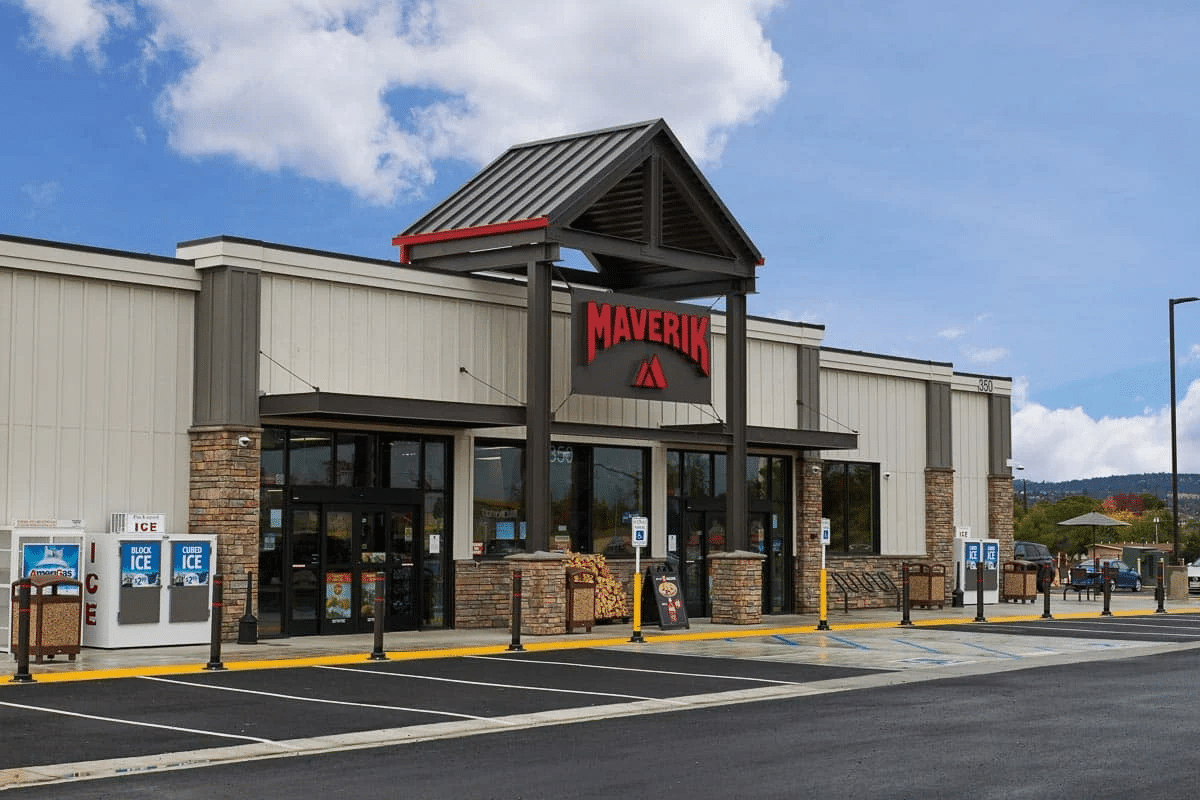
We scoured the Internet to see what people had to say about gas station food. If you think the only things available are wrinkled hot dogs of indeterminate age and day-glow slushies, we’ve got great, tasty news for you. Whether it becomes part of a routine or your only resource on a long car trip, we have the food information you need.
Let’s look at six gas stations that folks can’t get enough of and see what they have for you to eat.





