

Your favorite everyday foods might be nudging your blood pressure up more than you realize.
High blood pressure is often called the silent killer because it creeps up on you without any flashy warning signs or dramatic entrance music. You might feel perfectly fine while your arteries are under serious strain, which is exactly why keeping an eye on your diet is a total game-changer for your health. Ignoring the problem will not make it go away; therefore, it is time to take your responsibilities seriously.
Doctors and nutritionists constantly remind us that salt is the main villain in this story, but it hides in places you would never suspect. It is not just about putting down the shaker; it is about watching out for sneaky sodium bombs that are sabotaging your heart health from the grocery aisle. Making a few smart swaps can lower your numbers and keep your ticker running smoothly for years to come.
Deli Meats And Cold Cuts

Lunch meat is the ultimate convenience food, but those slices are soaking in a saltwater bath to keep them fresh on the shelf. Even if the package claims to be healthy or low-fat, the salt content is often excessive to preserve flavor and texture. It is a classic trade-off where you save time making a sandwich, but pay the price with your blood pressure readings later.
You might want to sit down for this one because the numbers are honestly shocking. According to Fort HealthCare, just six thin slices of deli meat can contain as much as half of your daily recommended sodium intake. That is a massive amount of salt for a meal that is supposed to be light, so you might want to roast your own chicken breast instead.
Canned Soups And Broths
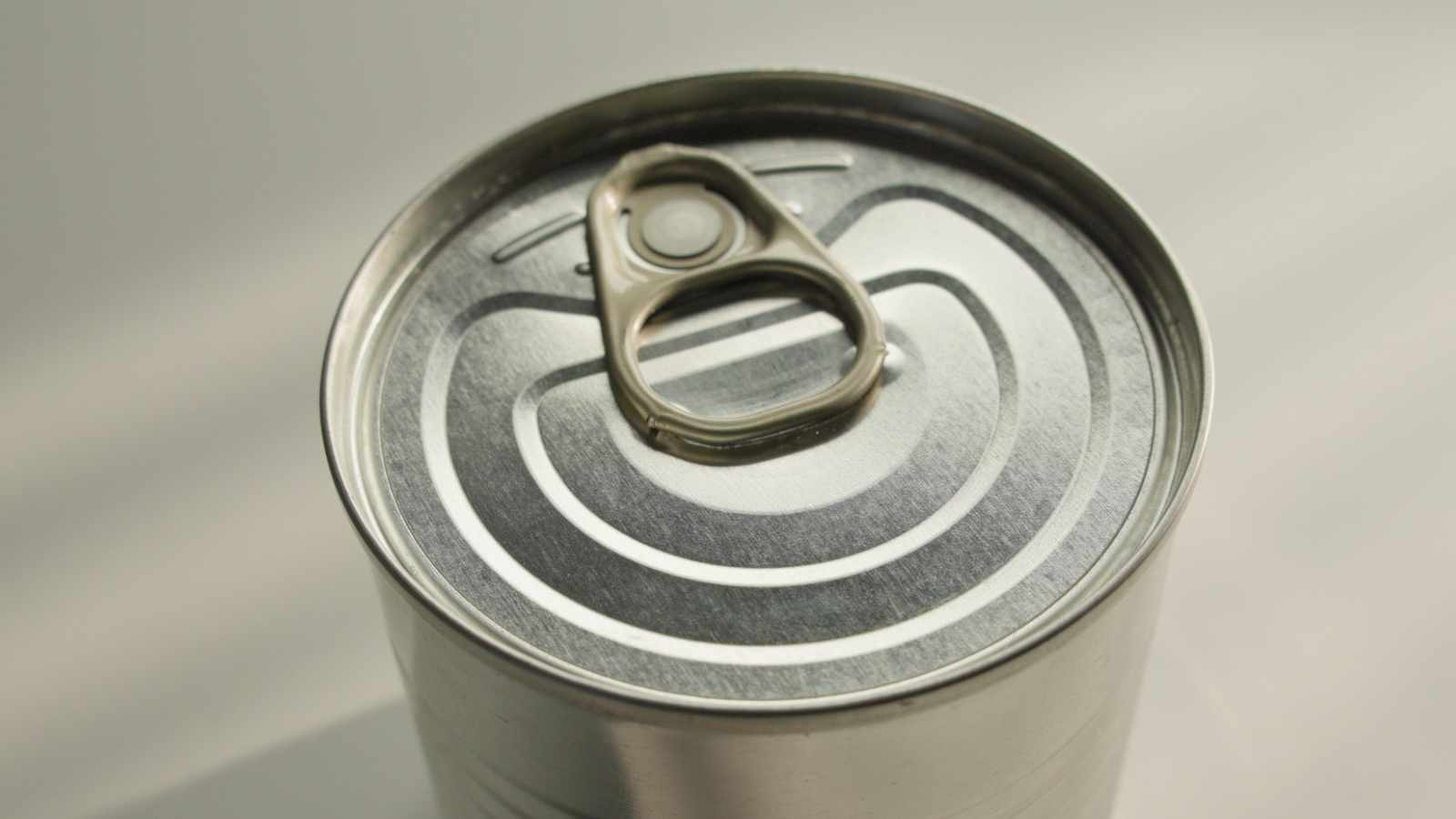
Soup is often considered the ultimate comfort food when you are feeling under the weather, but canned versions can be treacherous for your blood pressure. Manufacturers load these cans with salt to boost flavor and extend shelf life, turning a healthy bowl into a sodium nightmare. You might think you are making a smart choice, but the nutrition label tells a different story.
The salt content in these convenient meals is high enough to concern any nutritionist about your heart health. Harvard Health warns that a single cup of canned chicken soup may contain up to 940 mg of sodium. That is nearly half the daily limit in just one small bowl, so try making a big batch at home where you control the shaker.
Frozen Pizza

You may like the ease of tossing a frozen pie in the oven after a long day, but the combination of cheese, cured meats, and dough creates a perfect storm. The crust alone is loaded with salt to keep it tasty after being frozen for months, and the toppings only add fuel to the fire. It is hard to stop at just one slice, which compounds the problem quickly.
The convenience of a frozen pizza is not worth the spike in your blood pressure that follows almost immediately. One slice of pepperoni pizza may contain nearly a third of your daily recommended sodium intake. If you eat two or three slices, you have likely blown your salt budget for the entire day before you even get to dessert.
Pickles And Brined Vegetables

Cucumbers are healthy, but soaking them in brine transforms them into salt sponges that can spike your blood pressure instantly. That distinct crunch and tang come from a heavy dose of sodium that penetrates deep into the vegetable. It is easy to lose track of how many you eat alongside a burger or sandwich.
You really have to watch your portion sizes with these tangy treats, as the salt can add up incredibly fast. According to Cleveland Clinic data, a single dill pickle spear can contain over 800 mg of sodium, which can have a significant impact on your system. If you absolutely need that crunch, look for low-sodium varieties or try making a quick version at home with vinegar and spices.
Bread And Rolls

Bread does not taste particularly salty, which makes it one of the sneakiest sources of sodium in the American diet. We eat it so frequently throughout the day that the milligrams add up faster than you realize. From your morning toast to your lunchtime sandwich, the salt is accumulating in the background.
Most people assume they only need to worry about chips and fries, but the staples are often the biggest culprits. The American Heart Association lists bread as one of the “Salty Six” because Americans consume over 3,300 mg of sodium daily, largely from processed staples like this. You can fight back by checking labels carefully or choosing whole-grain options with no added salt.
Canned Tomato Products

Pasta sauce may seem harmless enough, but canned tomato products are often packed with added salt to counteract the acidity. A simple spaghetti dinner can turn into a high-sodium meal if you rely on store-bought jars instead of making your own. The preservatives used to maintain the sauce’s red color and freshness also contribute to the problem.
It is much better to buy fresh tomatoes or look for canned tomatoes explicitly labeled as having no added salt. Cooking your own sauce allows you to use herbs and garlic for flavor rather than relying on a heavy hand with the salt shaker. Your taste buds will adjust quickly, and your heart will thank you for the effort.
Sugar-Sweetened Beverages
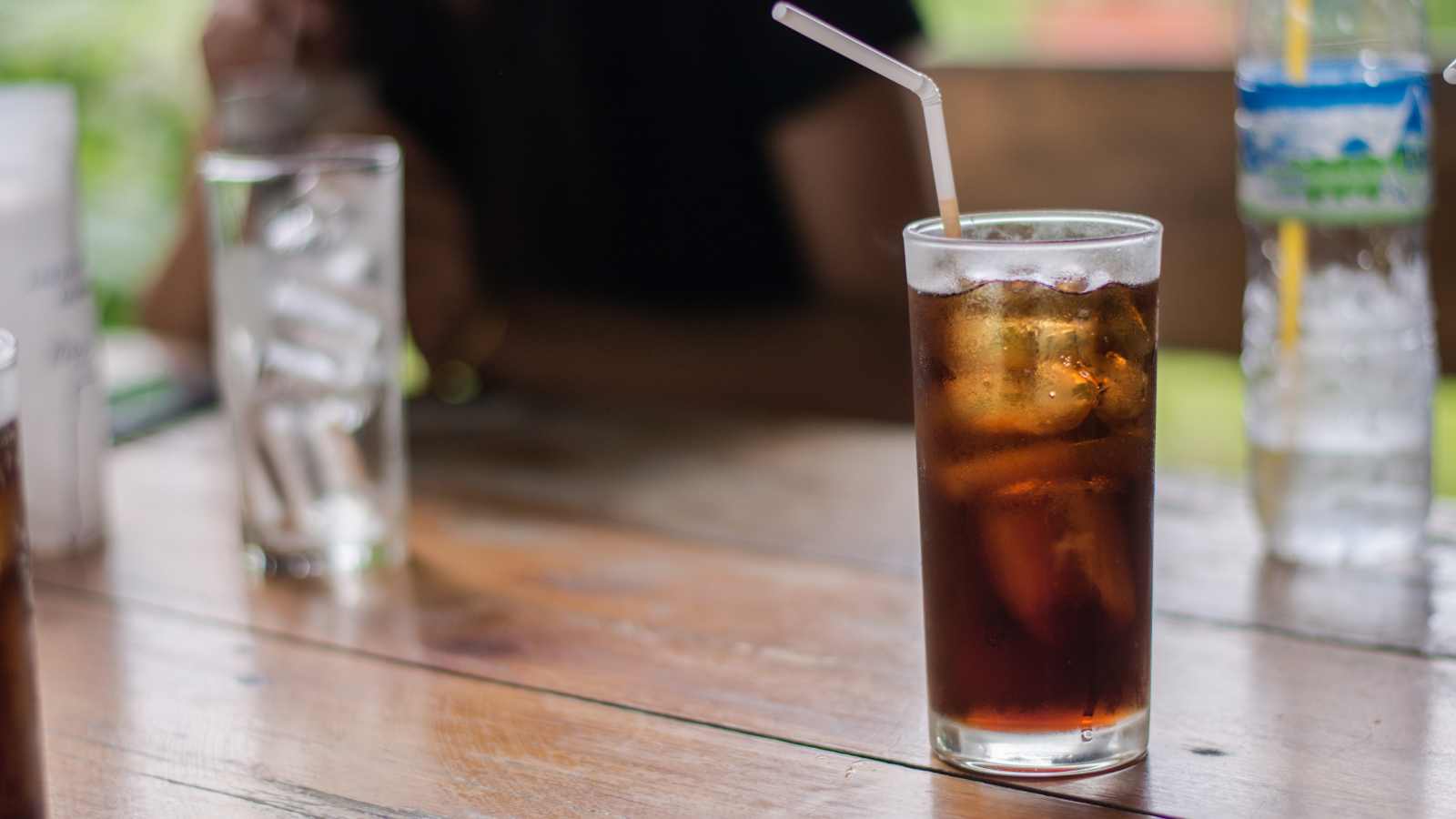
While salt is the primary enemy, sugar plays a significant role in raising blood pressure by contributing to weight gain and inflammation. Drinking soda and sweetened teas adds empty calories that force your heart to work harder than it needs to. Over time, this extra strain can stiffen your blood vessels and increase your blood pressure.
Cutting out sugary drinks is one of the most effective ways to drop a few pounds and ease the pressure on your circulatory system. Water is always the best choice for hydration, but sparkling water with a splash of fruit juice can be a great alternative. You will likely feel more energetic once you kick the sugar habit to the curb.
Alcohol

Enjoying a drink now and then is usually fine, but drinking too much alcohol can raise your blood pressure to unhealthy levels. Alcohol interferes with the blood flow to your brain and creates an imbalance in your nervous system. Chronic heavy drinking can lead to long-term hypertension that is difficult to reverse.
Doctors often recommend limiting your intake to moderate levels to protect your cardiovascular health. If you notice your numbers creeping up, taking a break from alcohol might be the lifestyle change you need. It is also worth noting that many mixers are high in sugar, which doubles the trouble for your body.
Save this article
Processed Cheese
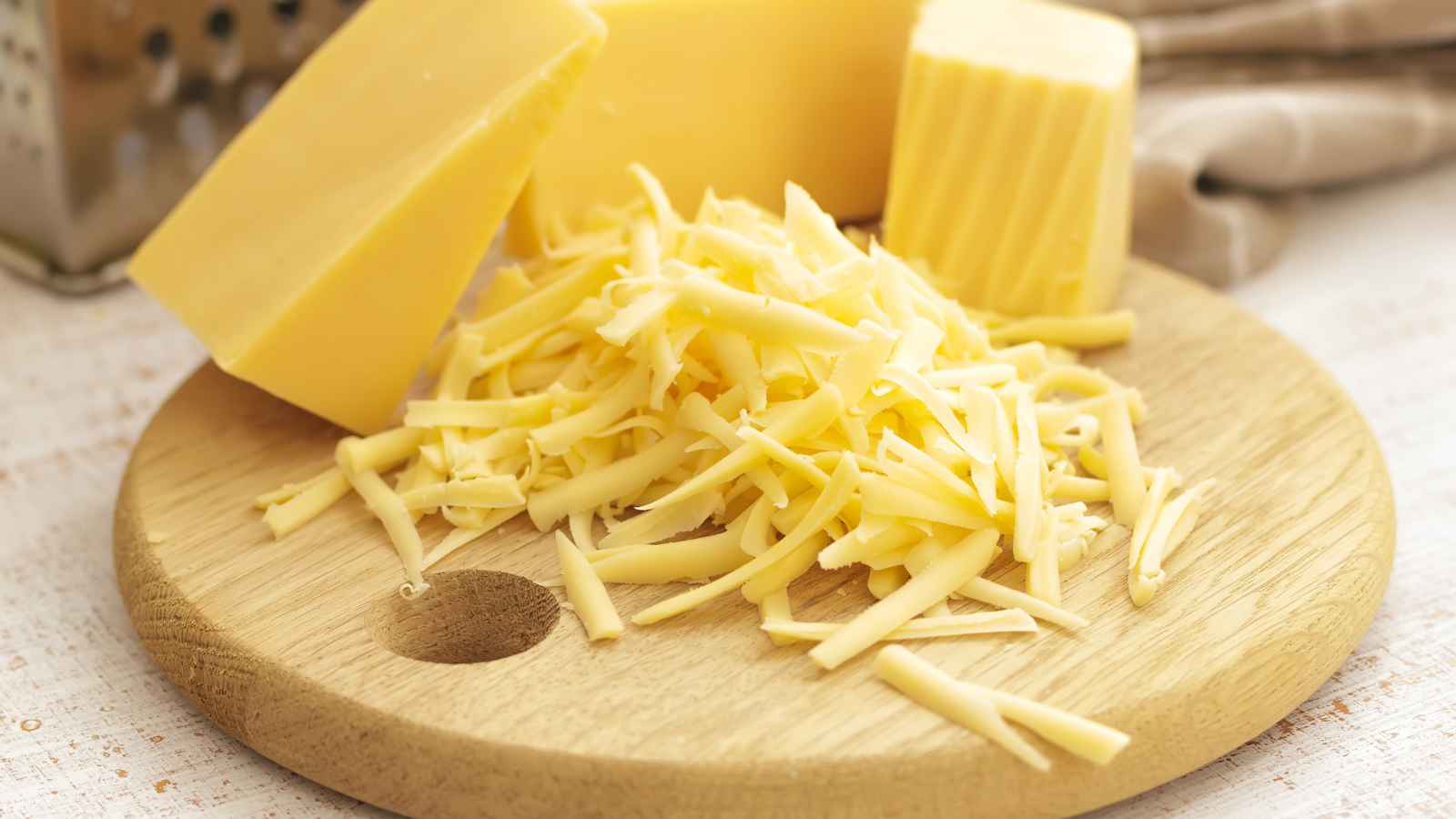
That slice of American cheese might melt perfectly on a burger, but it is essentially a salt block disguised as dairy. Processed cheeses are engineered with sodium additives, such as sodium phosphate, to achieve a smooth texture. Real cheese is naturally salty, but the processed varieties take it to a whole new level.
If you love cheese, opt for natural options like Swiss or fresh mozzarella, which typically have lower sodium levels. Read the package closely because some cheese products contain more salt than a bag of potato chips. You can still enjoy flavor without sending your blood pressure into the danger zone.
Frozen Meals

TV dinners and frozen entrees are lifesavers when you are too tired to cook, but they are notoriously high in preservatives. Companies use massive amounts of salt to make the food taste fresh after it has been reheated in a microwave. It is a convenience that comes with a steep health price tag attached.
These meals might seem balanced with a protein and a vegetable, but the hidden salt is the real issue. Considering the CDC reports that 48.1% of adults in the United States have hypertension, relying on these salty meals is a risky gamble. Cooking fresh food might take more time, but it is one of the best ways to keep your numbers in a safe range.
Bacon And Cured Meats

Bacon is a breakfast favorite for millions, but it is arguably one of the worst foods for your heart. The curing process involves heavy salting and smoking, which fills the meat with sodium and nitrates. Eating this regularly is a surefire way to keep your blood pressure elevated.
Turkey bacon is often touted as a healthier alternative, but it can still be loaded with sodium to mimic the flavor of pork. It is better to treat bacon as a rare garnish rather than the main event on your breakfast plate. There are plenty of other ways to add savory flavor to your morning without the salt overload.
Condiments And Sauces

Ketchup, soy sauce, and barbecue sauce are flavor enhancers that we pour onto our food without a second thought. Just one tablespoon of soy sauce can contain nearly half of your daily sodium limit. These condiments are concentrated sources of salt that can ruin an otherwise healthy meal.
Try using spices, lemon juice, or vinegar to season your food instead of reaching for the bottle of sauce. You can find low-sodium versions of your favorite sauces, but you should still use them sparingly. Retraining your palate to appreciate natural flavors takes time, but it is worth it.
Chicken Skin And Fried Foods

Fried chicken is delicious, but the batter and the skin are usually packed with salt and saturated fat. Restaurants often brine the chicken before frying it, adding layers of sodium before it even hits the oil. This combination can impede weight loss and lead to clogged arteries, both of which contribute to elevated blood pressure.
If you crave chicken, opt for grilled or baked versions and remove the skin before eating. You get all the protein without the excessive grease and salt that comes with the fried variety. Your heart has to work incredibly hard to process a fried meal, so give it a break.
Red Meat

Steaks and burgers are American staples, but red meat contains high levels of saturated fat that can negatively impact your heart health. While it is not always high in salt naturally, the way we season and prepare it often adds to the problem. Frequent consumption is linked to higher blood pressure and other cardiovascular issues.
You do not have to go vegetarian, but cutting back on red meat can make a significant difference. Try swapping beef for fish or plant-based proteins a few times a week to give your arteries a rest. A balanced diet is key to managing hypertension without medication.
Butter And Margarine

Butter is high in saturated fat, and margarine is often loaded with trans fats and salt. Both of these spreads can contribute to plaque buildup in your arteries, making it harder for blood to flow. When your blood vessels constrict, your blood pressure naturally increases.
Look for heart-healthy oils, such as olive oil or avocado oil, for cooking and flavoring your food. These healthy fats can actually help improve your cholesterol levels and support heart health. Making the switch is a small adjustment that yields big results over time.
Disclaimer – This list is solely the author’s opinion based on research and publicly available information. It is not intended to be professional advice.
Like our content? Be sure to follow us.
How Total Beginners Are Building Wealth Fast in 2025—No Experience Needed

How Total Beginners Are Building Wealth Fast in 2025
I used to think investing was something you did after you were already rich. Like, you needed $10,000 in a suit pocket and a guy named Chad at some fancy firm who knew how to “diversify your portfolio.” Meanwhile, I was just trying to figure out how to stretch $43 to payday.
But a lot has changed. And fast. In 2025, building wealth doesn’t require a finance degree—or even a lot of money. The tools are simpler. The entry points are lower. And believe it or not, total beginners are stacking wins just by starting small and staying consistent.
Click here, and let’s break down how.





