
Americans are overspending billions each year on everyday groceries that cost far less just a few aisles—or a few stores—away.
Just last week, I walked into the grocery store for “just a few things” and walked out feeling like I’d accidentally funded the entire produce section. The U.S. Bureau of Labor Statistics (BLS) notes that the average American spends approximately $6,048 on groceries, which breaks down to about $504 per month. It’s not that grocery stores don’t have deals; they do, but some items quietly cost more than they should.
Many of these products are marked up simply because they’re convenient to grab while you’re already there. But if you’re willing to get them somewhere else, you can stretch your budget without even trying that hard. Let’s go through some everyday items that tend to drain your wallet at the grocery store more than they need to.
Bottled water

It’s remarkable how something as basic as water can end up costing so much on grocery shelves. A 24-pack of bottled water can run $5 to $7, but you’ll often find the same pack for a few dollars less at warehouse clubs.
Considering Americans spend over $48 billion on bottled water annually, according to the Bottled Water Reporter, even small savings add up fast. Refill stations and bulk stores usually offer the best price-per-gallon deals. If you drink it often, the grocery markup can really sting.
Cosmetics and toiletries

Shampoo, deodorant, toothpaste, and lotion are often more expensive in grocery aisles. A single bottle of shampoo may be $8 or more, while drugstores or discount chains sell larger bottles for the same price.
According to the U.S. Bureau of Labor Statistics via FRED, the average annual spending on personal care products and services per consumer unit was $950 in 2023. That’s a lot of room for savings if you switch stores. Unless you’re in a pinch, it pays to buy these items elsewhere.
Spices
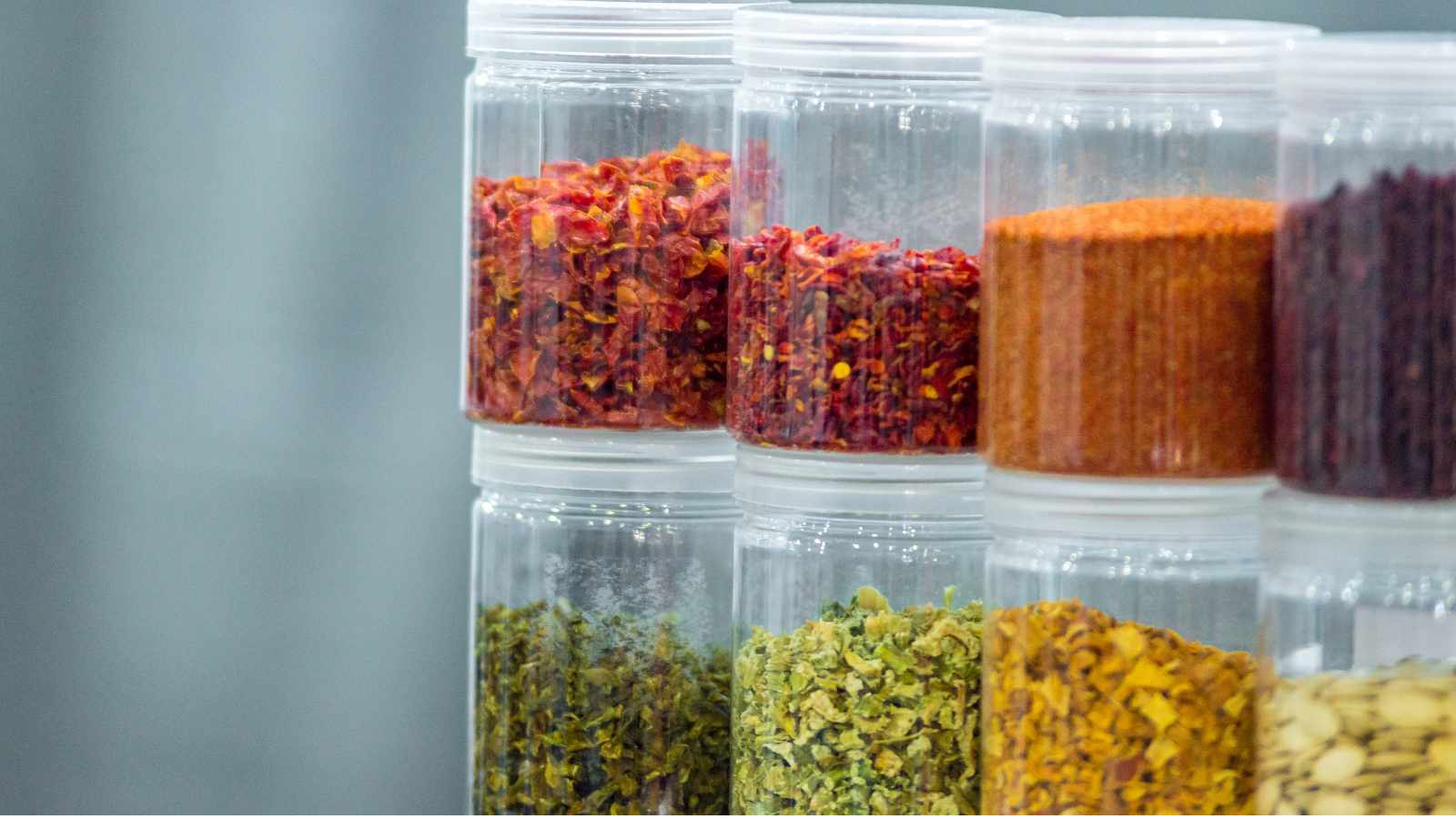
Those tiny jars of cinnamon or oregano might be the most overpriced items in the entire store. Grocery brands often sell them for $4 to $8 each, while you can buy larger bags of the same spices at international markets for a fraction of the cost.
Some grocery spices cost up to 10 times more by weight than bulk options. For example, a Consumer Reports analysis found that oregano could cost as little as $1.10 per ounce at Walmart or as much as $7.32 per ounce from Spice Islands, while cinnamon ranged from $0.51 to $4.14 per ounce.
The quality isn’t necessarily better either—it’s just packaged more neatly. A quick stop at a local ethnic grocery can stock your spice rack for half the price.
Deli meats

Pre-sliced deli meats are one of the priciest convenience foods at the grocery store. A pound of turkey or ham may cost $10 or more from the deli counter, while packaged options at warehouse clubs are often $5 to $6 per pound.
Processed meats are among the items many households buy weekly. Choosing to stock up outside the grocery store can cut this cost nearly in half.
Cereal

Breakfast cereal is one of those items that always seems to be on sale but still feels expensive. A box that’s $5 at the grocery store might be closer to $3 when bought in bulk at a warehouse store.
Cereal sales have declined over the past decade, partly because people are realizing how pricey it really is per serving. Data shows that in the 52 weeks ending July 3, 2021, Americans bought nearly 2.5 billion boxes of cereal. By the same period in 2025, that number had dropped over 13% to 2.1 billion boxes.
Additionally, most grocery chains promote name brands, which are often significantly more expensive than their generic counterparts. If cereal is a staple in your household, buying it elsewhere can save a surprising amount.
Snack foods

Chips, pretzels, and cookies are some of the worst offenders when it comes to price markups. Grocery stores often run flashy sales, such as “buy two, get one free,” but the base price is still higher than that of discount retailers.
Bulk club packs significantly reduce the cost per serving. If you go through snacks quickly, it’s smarter to buy them outside the supermarket.
Cleaning supplies

Detergent, surface cleaners, and dish soap are often priced higher in grocery aisles than in big-box retailers. A bottle of laundry detergent that’s $14 in a grocery store might cost $10 at a discount chain.
A report by The Nest estimates that the average family spends about $40 to $50 per month on cleaning supplies, totaling roughly $600 annually. That means even a slight price difference can add up to real savings. Unless you’re grabbing in an emergency, these products are usually more innovative to buy elsewhere.
Bottled sauces and condiments

Ketchup, mayo, salad dressings, and hot sauces are often cheaper at warehouse stores or discount retailers. Grocery chains usually sell smaller bottles with higher markups, knowing that most shoppers will grab them out of convenience.
For example, a 16-ounce ketchup bottle could be $4 in a grocery store, while a two-pack of 32-ounce bottles at a warehouse costs around $6. That’s a huge price-per-ounce difference. Stocking up elsewhere means fewer last-minute, overpriced grocery runs.
Pet food

Pet food is another category where grocery prices tend to climb higher than necessary. A 20-pound bag of dog kibble could be $30 or more at the supermarket, while the same brand sells for $20 to $25 at pet supply stores.
According to the American Pet Products Association (APPA), 71% of U.S. households, approximately 94 million homes, own at least one pet, making this expense a significant one. Bulk options at warehouse clubs also significantly help reduce the cost per pound. Your furry friend won’t know the difference, but your wallet will.
Save this article
Paper products

Toilet paper, paper towels, and tissues are classic bulk-buy items for a reason. Grocery stores often sell more miniature packs at a higher price per roll, while warehouse stores give you far more for less.
A 12-pack of toilet paper may cost $11 at the grocery store, but you can find a 24-pack for only a few dollars more elsewhere. So choosing where to shop matters. Stocking up outside the grocery store is almost always the cheaper, money-saving move.
Over-the-counter medicine

Pain relievers, allergy medications, and cold remedies typically cost more at grocery stores than at pharmacies or discount retailers. A small bottle of ibuprofen might run $6 to $8 at the supermarket, while a larger bottle at a drugstore can cost the same.
The FDA notes that generic medicines are required to work the same as name brands; yet, grocery stores often carry fewer generic options. With healthcare costs already high, this is one easy place to save. A quick pharmacy stop makes a big difference in price.
Frozen meals

While frozen food can be convenient, the grocery markups are hard to ignore. Single frozen dinners might cost $4 to $6 each, but warehouse clubs sell bulk packs that bring the per-meal price closer to $2.
Data from Statista show that frozen food sales increased during the pandemic, and grocery stores responded by raising prices for these items. They count on the “grab-and-go” factor when you don’t feel like cooking. If you plan to stock up elsewhere, it’s far cheaper.
Baking supplies

Flour, sugar, and baking mixes often seem affordable, but grocery stores quietly raise prices compared to bulk options. A five-pound bag of flour can cost $4 or more in a supermarket, while discount stores sell larger quantities for less per pound.
With the cost of eggs and butter already rising in recent years, baking ingredients only add to the pinch. Buying these basics outside the grocery aisle really stretches your dollar.
Coffee

Coffee lovers know this one all too well. A bag of ground coffee can easily cost $12 to $15 at the grocery store, while buying in bulk or at a wholesale club cuts the price nearly in half. The National Coffee Association reports that approximately 66% of Americans drink coffee daily, making these savings substantial.
Specialty shops and online subscriptions often offer better deals as well. For something you drink every morning, grocery store prices really add up.
Dairy alternatives

Almond milk, oat milk, and soy milk are growing in popularity, but they’re consistently more expensive at grocery stores. A half-gallon can be $4.50 at the supermarket, compared to $3 at big-box stores.
With plant-based milk sales reaching over $2.8 billion annually in the U.S., retailers recognize that demand is strong and prices reflect this. Even shelf-stable versions are often cheaper when purchased online or in bulk packs. A little planning saves money on these trendy staples.
Key takeaways

Convenience costs extra. Grocery stores often mark up everyday items, such as bottled water, sauces, and snacks, because shoppers tend to grab them while already in the aisle.
Bulk and discount retailers offer better value. Warehouse clubs, international markets, and big-box stores often sell larger quantities at far lower prices per unit.
Household and personal care items can quickly drain budgets. Cleaning supplies, toiletries, and pet food are consistently more affordable at specialty or discount retailers.
Planning saves money in the long run. Families can significantly stretch their budgets by avoiding impulse purchases and sourcing staples like coffee, cereal, and paper products from alternative sources.
Disclaimer – This list is solely the author’s opinion based on research and publicly available information. It is not intended to be professional advice.
16 grocery staples to stock up on before prices spike again
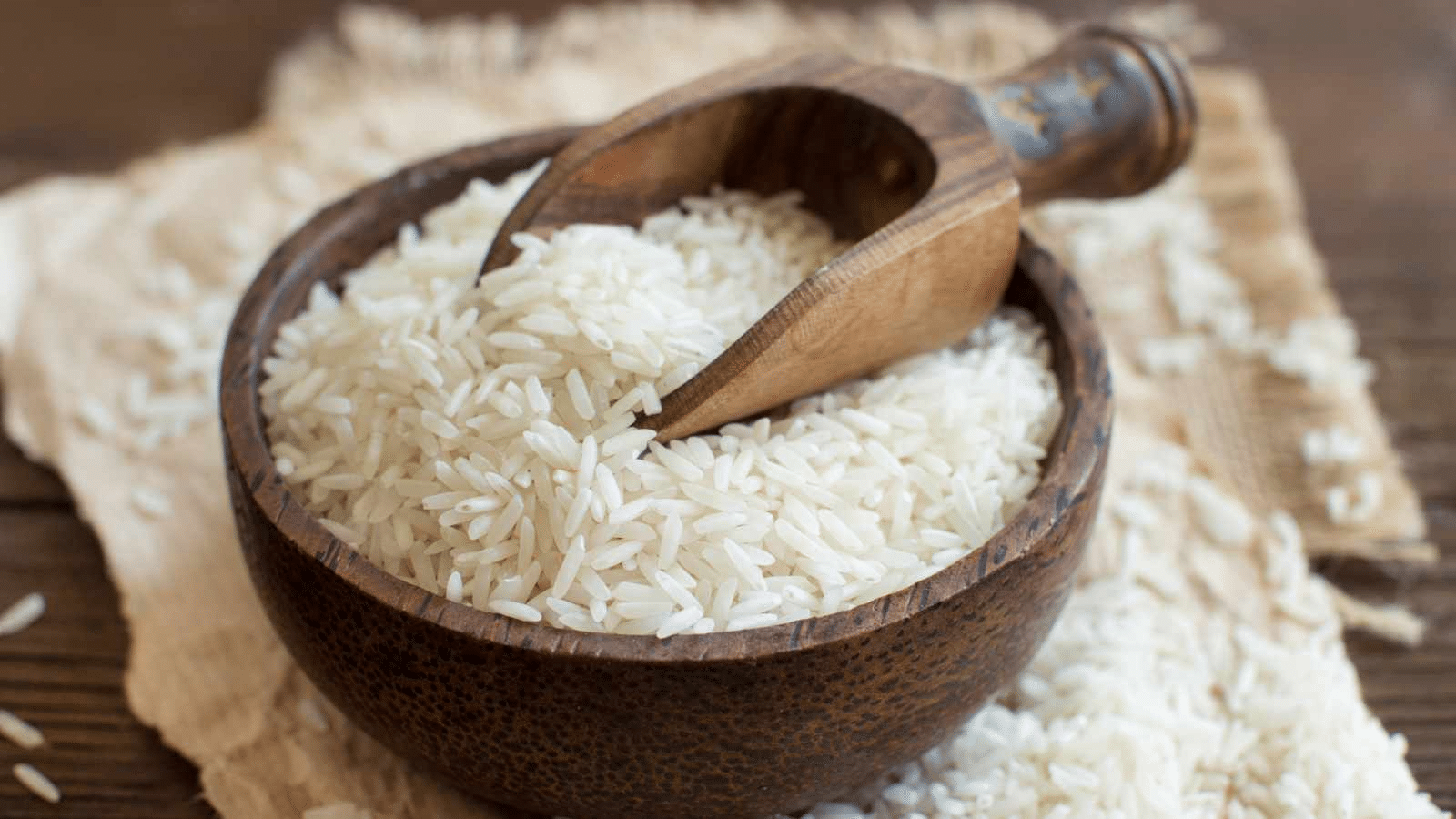
16 Grocery Staples to Stock Up On Before Prices Spike Again
I was in the grocery store the other day, and it hit me—I’m buying the same things I always do, but my bill just keeps getting higher. Like, I swear I just blinked, and suddenly eggs are a luxury item. What’s going on?
Inflation, supply-chain delays, and erratic weather conditions have modestly (or, let’s face it, dramatically) pushed the prices of staples ever higher. The USDA reports that food prices climbed an additional 2.9% year over year in May 2025—and that’s after the inflation storm of 2022–2023.
So, if you’ve got room in a pantry, freezer, or even a couple of extra shelves, now might be a good moment to stock up on these staple groceries—before the prices rise later.
6 gas station chains with food so good it’s worth driving out of your way for
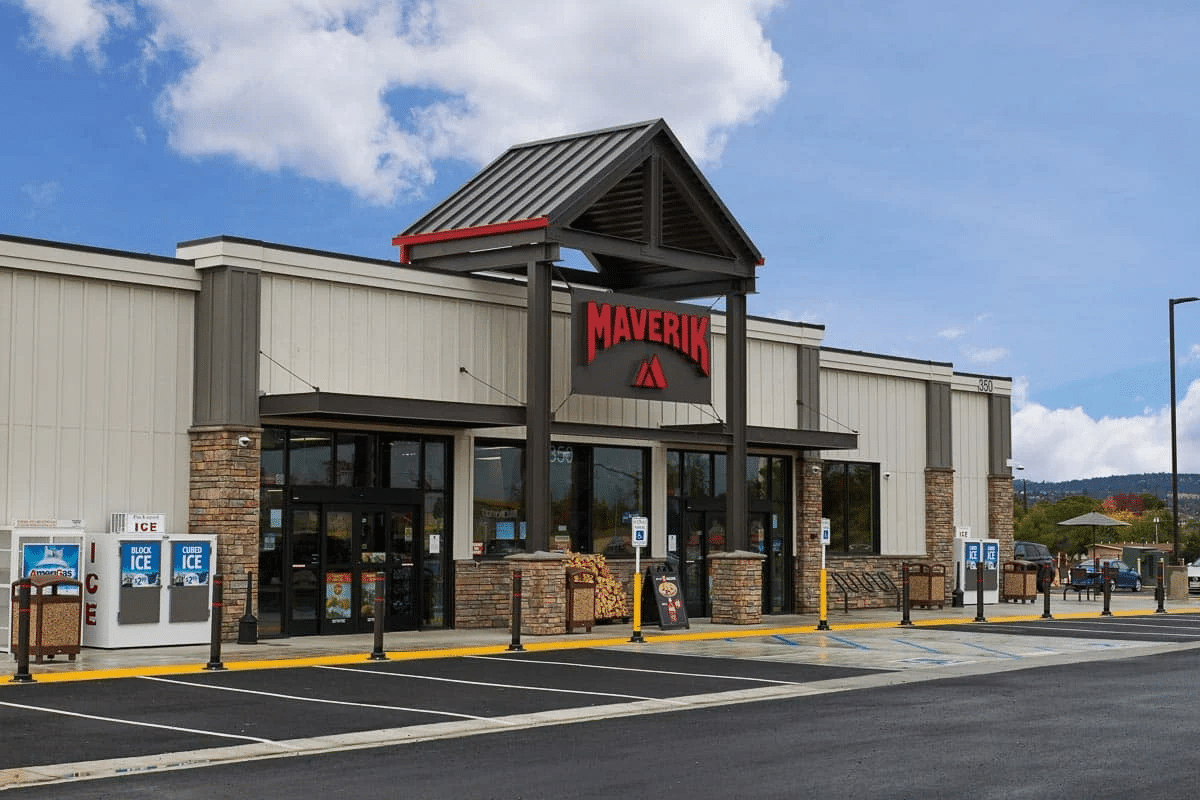
6 Gas Station Chains With Food So Good It’s Worth Driving Out Of Your Way For
We scoured the Internet to see what people had to say about gas station food. If you think the only things available are wrinkled hot dogs of indeterminate age and day-glow slushies, we’ve got great, tasty news for you. Whether it becomes part of a routine or your only resource on a long car trip, we have the food information you need.
Let’s look at six gas stations that folks can’t get enough of and see what they have for you to eat.