I still recall last month, when I had just paid all my bills and had calculated that I had less than $50 left for the rest of the week. It wasn’t that I was reckless; I had a decent job, cooked at home most nights, and didn’t make impulsive purchases.
But between rent, car insurance, student loan payments, and groceries that continually increase in price each month, my pay simply doesn’t stretch far enough. It seems, as it happens, that this is common among many others. A recent report by USAFacts found that more than one-third of American adults say they struggle to make ends meet, with 17.3% reporting that it is very difficult to cover basic costs.
That’s the reality many of us live in, and it’s not just about bad budgeting; it’s about a system that makes staying afloat harder than it should be. So let’s look at the real reasons why so many Americans are feeling squeezed, because if you’ve ever wondered, “where did my money go?” we’re in the same boat.
Rent keeps eating paychecks

Housing is currently one of the most significant financial burdens in the United States. As reported by Zillow, the average American rent jumped to over $2,050 a month in 2024, which translates to many families spending 30% or more of their family income just to have a roof over their heads.
That leaves you with very little room for saving or emergencies. And if you’re renting in cities such as New York, Los Angeles, or San Francisco, those numbers can be doubled. It’s no wonder that so many renters feel that they’re working simply to pay the landlord.
Groceries cost more than ever

It’s hard to remember when a grocery cart full of food didn’t feel like a luxury purchase. These days, a trip to the supermarket can feel like a financial gut punch. The USDA reported that food-at-home prices rose by 23.6% between 2020 and 2024, and staples such as eggs, bread, and milk continue to increase in price.
Family households with kids are especially squeezed, since food at home consumes 10–12% of family income. That $6 gallon of milk no longer seems so harmless.
Taxes feel heavy
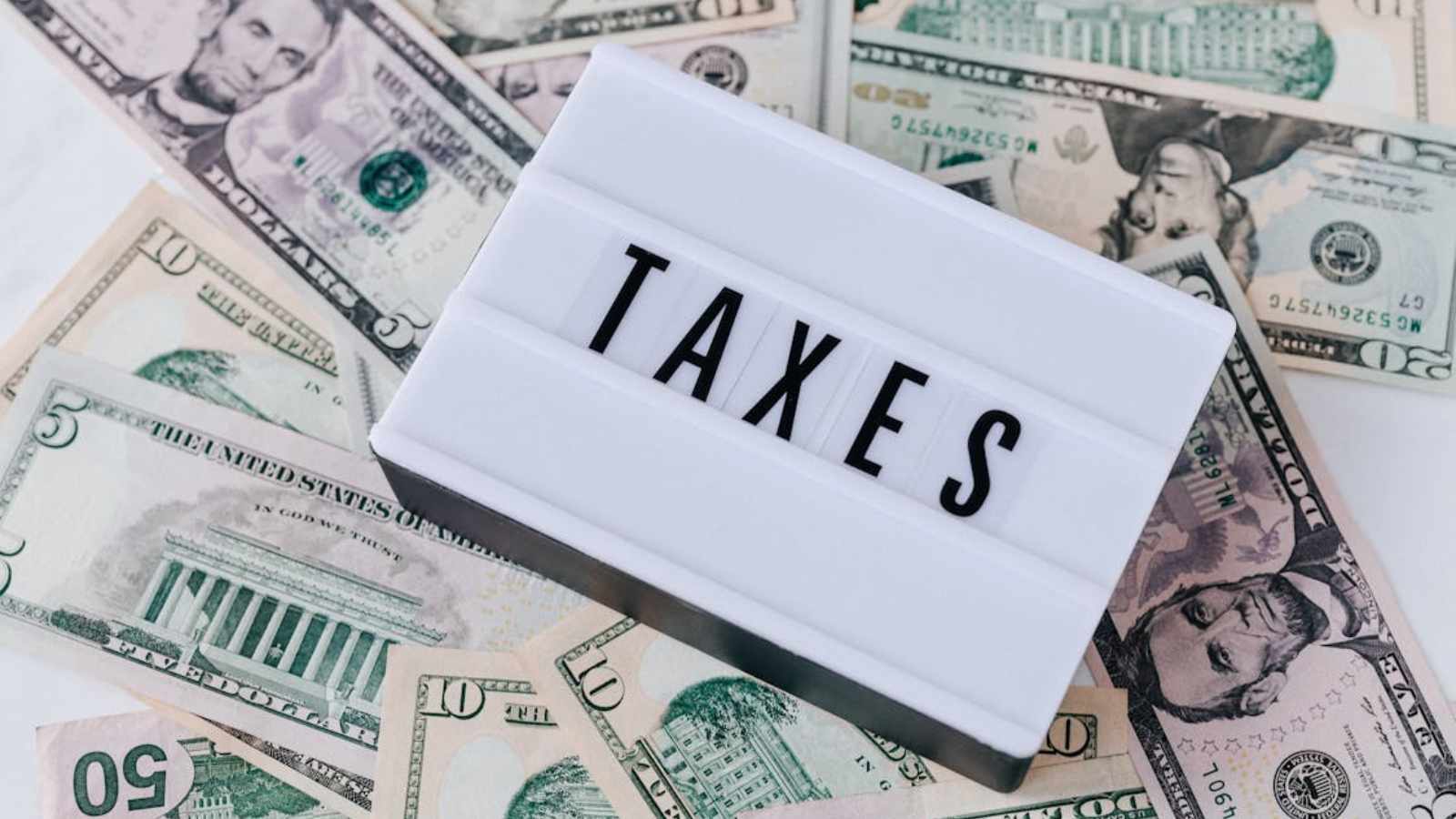
Even if paychecks rise, taxes take a bite that people feel right away. The tax system in the U.S. is complex, and most households are not eligible for as many deductions as they require to ease the sting. The average federal income tax per return in 2021 was $15,748, per the Tax Foundation’s update.
And because taxes finance critical services, the majority of people do not directly feel the impact in their day-to-day lives. It gets many thinking about where all their money actually goes.
Health care is a financial nightmare

Getting sick in America is almost as bad as the illness. A Gallup poll found that 38% of Americans delayed medical treatment in 2022 due to its high cost. Insurance, deductibles, and co-pays can accrue quickly, leaving many families burdened with medical debt.
Medical bills remain the number one cause of bankruptcy in the United States, a statistic that astonishes those in nations where healthcare is mostly affordable or free. At times, it seems as if the largest threat to your finances is catching a cold.
Wages haven’t kept up

It’s not all in your head; paychecks actually aren’t going as far. While salaries have increased, inflation has outpaced them, so often employees end up losing ground in real terms.
America’s workers’ purchasing power has not increased significantly in over 40 years. So while the paycheck figure may appear larger, the actual lifestyle it purchases is decreasing. That discrepancy is what creates so many who feel like they’re perpetually behind.
Credit card debt piles on

Swiping a card is easy; it’s getting it paid out that’s merciless. U.S. credit card debt has reached a whopping $1.21 trillion as of Q2 2025, reports the Federal Reserve Bank of New York. With interest rates averaging well over 20%, even small balances can swell rapidly.
A majority of them use cards just to purchase groceries or gasoline, so the debt is not from splurges, but from everyday expenses. And that’s the most frightening part.
Student loans weigh people down

That degree came with more than just a diploma; it came with decades of payments. The federal student loan portfolio exceeded $1.6 trillion, according to the Congressional Research Service, with nearly 43 million Americans, or approximately 1 in 6 adults, carrying student loan debt.
Monthly payments soon rival a car note or even part of rent. For younger generations, it delays milestones like homeownership or starting a family. College becomes less of a step to success and more of a financial drag.
Childcare costs rival rent

Parents joke that daycare is more expensive than college, but it’s sort of true. In many states, childcare for a single toddler can cost between $10,000 and $15,000 per year. That’s nearly the cost of in-state tuition at a state university.
For families with two or more children, one parent must sometimes drop out of the labor force because working just doesn’t pay after accounting for childcare. It’s a system impossible to balance.
Gas prices keep spiking

If you work, you’ve felt this burn. Gas prices may fluctuate, but when they do rise, they impact everyone, especially commuters. On June 13, 2022, the national average for a gallon of regular gasoline hit $5.01, marking the highest price ever recorded by AAA since it began tracking fuel costs in 2000.
Even at lower incomes, fuel accounts for a significant share of monthly budgets. And for rural Americans with long commutes, it’s not optional; it’s a way of life.
Utilities aren’t exactly cheap

Save this article
It’s not rent; it’s everything that goes into flipping the switch. Electricity rates in the US rose almost 14% in 2022, the largest increase in decades. Heating, cooling, and water costs can add up quickly, especially during extreme weather conditions.
With global warming creating warmer summers and colder winters, energy demand is increasing. Now, “just turn off the lights” isn’t enough to work.
Emergencies knock people back

Car repair, broken appliance, medical bill; unexpected costs always arise at the most inconvenient time. Bankrate’s 2023 survey found that 57% of Americans couldn’t afford an unexpected expense of $1,000 out of savings.
That leaves most people to turn to credit cards, loans, or family members for help. It is a stress cycle that never really ends. One surprise bill, and the whole budget falls apart.
Inflation makes everything worse

Even as incomes rise, inflation devours the increases. In 2022, inflation reached a 40-year high of 9.1%, and although it has since eased, prices rarely return to their previous levels once they’ve increased.
Groceries, gas, and housing are still expensive, even as the economy “stabilizes.” It’s a persistent pinch that makes people feel like they’re going nowhere fast. Every paycheck buys a little less, and the savings add up.
Retirement savings feel out of reach

People want to save for retirement, but let’s be real, it’s hard when the present is already so expensive. Fidelity recommends having 10 times your annual income saved by age 67; however, most households fall short of this goal.
The Federal Reserve recently reported that nearly 28% of Americans have no retirement savings whatsoever. For younger generations, the goal is almost impossible to attain. Most are reduced to just hoping that Social Security will be enough.
Lifestyle costs keep creeping in

Streaming services, subscription boxes, and phone plans are all small potatoes until you add them up. The average American household now spends $219 a month only on subscription services, based on a 2023 C+R Research survey.
That’s more than most people’s grocery budget ever was. While these aren’t “necessities,” modern life makes them appear necessary. It’s not simple to cut them out, especially when kids and employment are at stake.
The American dream feels more expensive

At its center, people are pinching pennies because the promise is no longer being delivered. It was once possible for one income to purchase a home, raise children, and retire in relative ease.
Today, even two incomes are often not enough. It’s not just a question of budgeting better; it’s a system that somehow seems harder to navigate and advance in. And that’s the reason so many Americans say they’re just keeping their heads above water.
Key takeaways

The cost of essentials is crushing budgets. Housing, food, fuel, utilities, and childcare costs continue to rise faster than wages, leaving little room to save or make adjustments.
Debt traps make it worse. Student loans, credit cards, and medical bills mount on top of everyday living costs, making it hard to escape.
Savings and security feel out of reach. Most households struggle to cope with emergencies, retirement savings, and inflation, so long-term financial security appears impossible.
The system feels stacked against workers. Wages lag behind the cost of living, taxes are stifling, and the classic “American Dream” of ownership and comfort now requires a lot more than hard work alone.
Disclaimer – This list is solely the author’s opinion based on research and publicly available information. It is not intended to be professional advice.
16 grocery staples to stock up on before prices spike again
16 Grocery Staples to Stock Up On Before Prices Spike Again
I was in the grocery store the other day, and it hit me—I’m buying the same things I always do, but my bill just keeps getting higher. Like, I swear I just blinked, and suddenly eggs are a luxury item. What’s going on?
Inflation, supply-chain delays, and erratic weather conditions have modestly (or, let’s face it, dramatically) pushed the prices of staples ever higher. The USDA reports that food prices climbed an additional 2.9% year over year in May 2025—and that’s after the inflation storm of 2022–2023.
So, if you’ve got room in a pantry, freezer, or even a couple of extra shelves, now might be a good moment to stock up on these staple groceries—before the prices rise later.
6 gas station chains with food so good it’s worth driving out of your way for
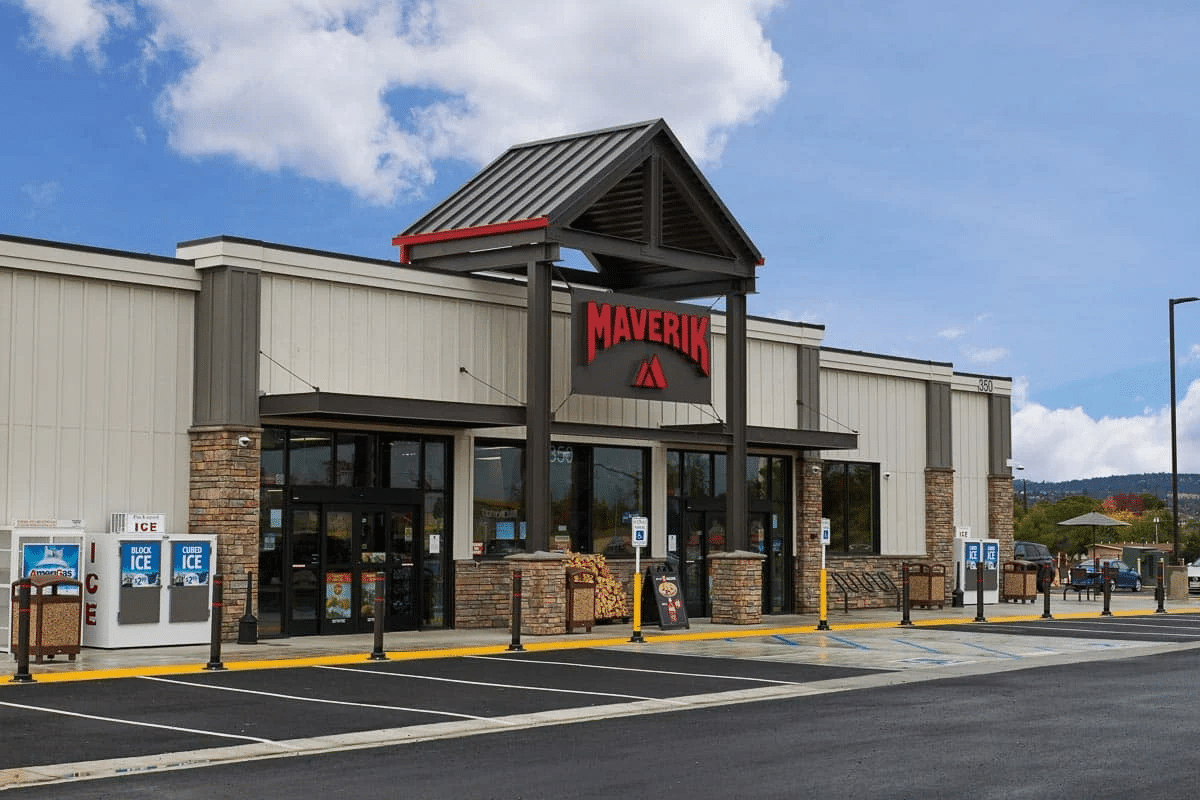
6 Gas Station Chains With Food So Good It’s Worth Driving Out Of Your Way For
We scoured the Internet to see what people had to say about gas station food. If you think the only things available are wrinkled hot dogs of indeterminate age and day-glow slushies, we’ve got great, tasty news for you. Whether it ends up being part of a routine or your only resource on a long car trip, we have the food info you need.
Let’s look at six gas stations that folks can’t get enough of and see what they have for you to eat.