

Wealth isn’t just about hard work—it’s also about timing, and Baby Boomers had history on their side.
There’s no denying it; Baby Boomers have pulled way ahead when it comes to wealth. Meanwhile, younger generations are stuck juggling student debt, sky-high rents, and paychecks that seem to vanish the second they hit our bank accounts.
Boomers, on the other hand, have amassed trillions in assets, and according to Statista, they now hold 51.4% of all U.S. household wealth, despite comprising only about 20% of the population. Honestly, I see it every time I talk money with my parents. They bought their first house for less than what I now pay for a car, and it blows my mind.
So, how did they manage to get so far ahead? Let’s break it down and dig into the real reasons behind this massive wealth gap.
Buying homes when they were actually affordable

Baby Boomers had the opportunity to purchase homes when prices were significantly lower relative to their income. In 1980, the typical U.S. home cost approximately three times the average annual household income, with a median price of $64,600 and an income range of around $21,000 to $22,000. Today it’s nearly six times.
That means equity grew while mortgage payments remained manageable. Owning property provided them with a solid foundation that many Millennials and Gen Zers struggle to achieve today. It’s no wonder homeownership remains one of the biggest wealth drivers in America.
Benefiting from steady pensions

Many Boomers worked during an era when pensions were still common, offering guaranteed lifetime income. A report by U.S News highlights that nearly 40% of private sector workers had pensions in 1980, compared to less than 15% today.
That safety net built long-term financial security. For younger workers, retirement plans often shift the responsibility entirely to individuals through 401(k) plans. It’s a big reason Boomers can retire more comfortably.
Riding the stock market’s best decades

The stock market boom of the 1980s and 1990s supercharged retirement accounts for Baby Boomers. If someone invested $10,000 in the S&P 500 in 1980, it would have grown to over $700,000 by 2020.
Many rode that wave without the burden of massive debt or delayed entry into the investing market. Timing, in this case, made all the difference. Younger investors often feel like they missed the “golden era” of easy compounding.
Taking advantage of cheaper college tuition

College used to be affordable, with tuition costing a fraction of what students pay now. Data shows that in 1970, annual in-state tuition at a public university averaged $394, adjusted for inflation, that’s about $3,000 today.
Compare that to the $10,700 average students face now, and you see the gap. Graduating with little to no debt gave Boomers a head start on saving and investing. Younger generations often start adulthood in debt.
Building wealth through stable careers

Boomers entered the workforce at a time when job stability was the norm. Lifetime employment with one company wasn’t uncommon, and promotions came steadily with tenure.
That stability meant predictable income and long-term financial planning. Today, frequent layoffs and gig work make consistent saving harder. A sense of security in one’s work translates into security in one’s wealth.
Benefiting from affordable healthcare

Healthcare costs were significantly lower when the Baby Boomers were younger. The Kaiser Family Foundation reports that in 1970, U.S. healthcare spending was approximately $74 billion; by 2021, it had increased to $4.3 trillion.
Lower premiums and medical expenses meant that more money could be saved instead of being spent on hospital bills. For younger Americans, even those with insurance, high deductibles can significantly impact their budgets. Healthcare inflation alone illustrates how wealth has grown differently across generations.
Seeing housing as an investment

Boomers didn’t just buy homes to live in—they turned them into long-term investments. Property values rose steadily for decades, and many purchased vacation homes or rental properties along the way.
For Millennials, high down payments and rising interest rates keep that dream out of reach. Real estate became not just a nest egg but a source of passive income. That second layer of wealth continued to compound.
Catching the benefits of lower taxes

Tax policies in the ’80s and ’90s tended to favor asset growth. Capital gains taxes were lower, and deductions for items such as mortgage interest worked heavily in their favor.
This encouraged investing and property ownership at the perfect time. Boomers had a system that rewarded wealth-building. The current generation faces a more complicated, less generous tax landscape.
Saving during periods of strong wage growth

During much of the postwar era, wages kept pace with productivity. That meant salaries were rising along with the cost of living, creating room to save. Data shows real median household income grew steadily from the 1950s through the late 1990s.
Compare that to the stagnant wage growth today, and it’s easy to see why Boomers built stronger safety nets. The math simply added up more easily in their favor.
Retiring with less debt

Save this article
Credit card usage and massive student loans weren’t as widespread when Boomers were young. Over 40% of millennials say they carry student loan debt, while only 13% of baby boomers reported the same at a comparable age, GoBankingRates notes.
That difference alone affects how much disposable income can be allocated to investments. By avoiding debt traps earlier in life, Baby Boomers could accumulate wealth more quickly. The gap continues to widen as debt piles up for younger workers.
Reaping the rewards of compound interest

Starting early made all the difference. Many Baby Boomers opened retirement accounts or savings plans in their 20s or 30s, when balances could grow quietly for decades. With compounding, even small contributions had huge long-term effects.
For younger generations, delayed savings due to student debt or high rent weakens the power of compounding. It’s one of the simplest yet strongest reasons their wealth snowballed.
Inheriting assets from the previous generation

Many Boomers benefited from inheritances, often in the form of homes or land. Baby Boomers are the largest recipients of the so-called “Greatest Generation’s” wealth transfer. According to Cerulli Associates, the total wealth transfer is projected to reach $84 trillion by 2045.
Those assets boosted their financial standing and created lasting family legacies. Younger generations, however, are often expected to financially support their aging parents. The cycle looks very different moving forward.
Gaining from booming real estate values

Beyond just buying homes, Boomers experienced one of the steepest rises in property values in history. Between 1980 and 2000, the median U.S. home price nearly doubled after adjusting for inflation.
Selling or refinancing at the right time gave many access to wealth without needing to earn more. It created opportunities to fund college, retirement, or additional investments. This cycle has been far harder for younger buyers to replicate.
Benefiting from social programs that were stronger

Boomers came of age when government support programs were more robust. Affordable housing projects, low-cost higher education, and stronger union protections all played a role. Those programs gave them a stronger financial foundation.
As many of these supports eroded over time, younger generations were left with fewer safety nets. That makes wealth harder to build from scratch.
Having more time for wealth to grow

Ultimately, it’s simply a matter of timing. Boomers have had decades for their wealth to grow, through both luck and opportunity.
By contrast, younger generations are still navigating high expenses and uncertain markets. Time, compounded with the right circumstances, is a powerful wealth builder. The result is the enormous wealth gap we see today.
Key takeaways

Timing and Opportunity Worked in Their Favor. Boomers entered adulthood when homes, healthcare, and college were affordable, wages were rising, and jobs were more stable. This created the perfect environment for building long-term financial security.
They Benefited from Strong Wealth-Building Systems. Boomers had institutional supports that amplified their savings and investments, from pensions and generous tax policies to compound interest and robust social programs.
Real Estate and Markets Supercharged Their Assets. Affordable homes that skyrocketed in value, coupled with stock market booms in the ’80s and ’90s, gave Boomers multiple streams of growing wealth.
Less Debt, More Inheritance, and More Time. With fewer financial burdens early in life, inheritances from the previous generation, and decades to let wealth compound, Boomers were able to accumulate and hold the majority of U.S. wealth today.
Disclaimer – This list is solely the author’s opinion based on research and publicly available information. It is not intended to be professional advice.
16 grocery staples to stock up on before prices spike again

16 Grocery Staples to Stock Up On Before Prices Spike Again
I was in the grocery store the other day, and it hit me—I’m buying the same things I always do, but my bill just keeps getting higher. Like, I swear I just blinked, and suddenly eggs are a luxury item. What’s going on?
Inflation, supply-chain delays, and erratic weather conditions have modestly (or, let’s face it, dramatically) pushed the prices of staples ever higher. The USDA reports that food prices climbed an additional 2.9% year over year in May 2025—and that’s after the inflation storm of 2022–2023.
So, if you’ve got room in a pantry, freezer, or even a couple of extra shelves, now might be a good moment to stock up on these staple groceries—before the prices rise later.
6 gas station chains with food so good it’s worth driving out of your way for
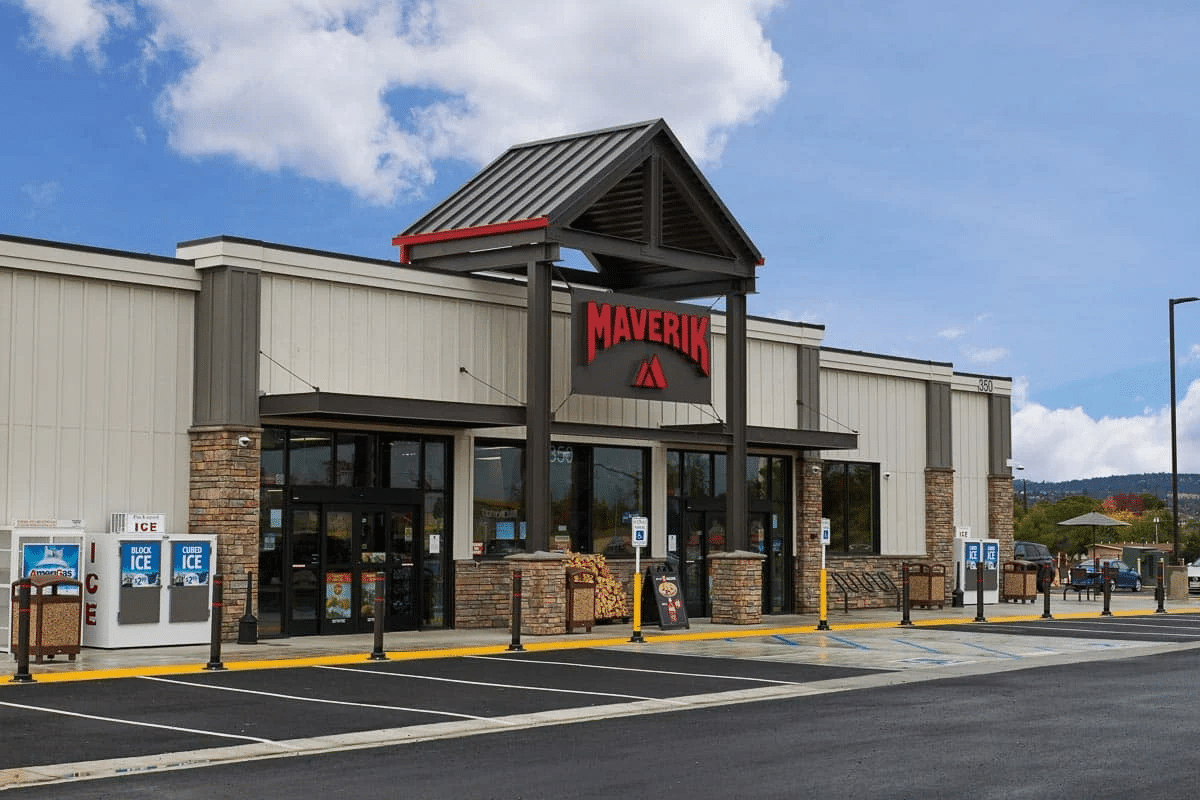
6 Gas Station Chains With Food So Good It’s Worth Driving Out Of Your Way For
We scoured the Internet to see what people had to say about gas station food. If you think the only things available are wrinkled hot dogs of indeterminate age and day-glow slushies, we’ve got great, tasty news for you. Whether it becomes part of a routine or your only resource on a long car trip, we have the food information you need.
Let’s look at six gas stations that folks can’t get enough of and see what they have for you to eat.





