America’s $37 trillion debt is ballooning so fast that this year’s interest payments alone have already outpaced the defense budget.
Based on data from the Congressional Research Service (CRS), the U.S. national debt has surpassed $37 trillion, with the most precise figure reported as $37.41 trillion. Let’s be honest: thirty-seven trillion dollars is a number that doesn’t even feel real anymore. It’s the kind of figure you see in the news, shake your head at, and then keep scrolling because—what can you even do with it?
To put it into perspective, if you stacked $100 bills high enough to equal $37 trillion, the pile would stretch more than halfway to the moon. That’s how far into the red the U.S. sits. And while people often ask, “Why don’t we just pay it down?” the truth is much more complicated. Here are 15 reasons the U.S. is unlikely to clear its debt anytime soon.
Interest payments keep ballooning

One of the biggest challenges isn’t even the debt itself, but the interest it accrues. In 2024 alone, the U.S. spent over $870 billion just on interest payments, which is more than it spent on defense.
That means a huge chunk of taxpayer money goes toward keeping creditors happy, rather than actually reducing the debt. The more the debt grows, the more interest piles on. It’s like paying the minimum on a credit card that never shrinks.
Politicians rarely agree on solutions

The U.S. government thrives on debate, but does it also thrive on compromise? That’s a little trickier. Parties often disagree on how to balance budgets, raise taxes, or cut spending.
One side pushes for trimming programs, while the other argues those programs are lifelines for millions. This tug-of-war stalls serious debt reduction plans. So instead of bold moves, what you usually get is gridlock.
Social Security and Medicare costs keep rising

As the American population ages, more money is allocated to Social Security and Medicare. Currently, approximately 70 million people receive Social Security benefits, and Medicare spending is projected to rise toward $1 trillion annually.
Cutting these programs isn’t politically popular, and yet they’re among the largest budget items. That means the debt is destined to keep growing as obligations increase. It’s a math problem with very little room for error.
The economy relies on borrowing

Here’s the thing: the U.S. doesn’t just borrow because it’s irresponsible—it borrows because the economy is designed that way. Treasuries are one of the safest assets in the world, and investors buy them up as a stable store of value.
That demand makes it easy for the U.S. to keep issuing debt. In fact, borrowing is so deeply ingrained in the system that attempting to stop it would risk destabilizing global markets.
Tax cuts reduce revenue

Tax cuts are a favorite political promise, but they come with trade-offs. Lower taxes mean less government revenue, even as spending continues to rise. The 2017 Tax Cuts and Jobs Act, for example, is estimated to have reduced federal revenue by $1.5 trillion over a decade.
While tax cuts can stimulate the economy, they also leave fewer dollars available to pay down the debt. It’s basically opening a bigger hole in a ship that’s already sinking.
Voters don’t prioritize debt reduction

If you ask voters what they care about most, you’ll hear healthcare, jobs, or education long before national debt. Reducing debt ranks low on priority lists because it feels abstract.
After all, it doesn’t affect people’s daily lives as directly as gas prices or rent. With little public pressure, politicians have no incentive to take the hard steps to tackle it.
Military spending remains massive

The U.S. defense budget is larger than the combined budgets of the following nine countries, hovering around $997 billion in 2024. Trimming that spending would help, but defense cuts are politically tricky.
National security is a hard sell when voters are told it might leave the country vulnerable. Therefore, the military budget remains sky-high, and the debt continues to grow in tandem.
The debt actually fuels growth

Here’s a twist: debt isn’t always bad. In fact, some economists argue it fuels economic growth by allowing the government to invest in infrastructure, education, and research.
That growth then boosts GDP, making the debt more manageable relative to the economy. Instead of paying it off, the U.S. often treats debt as a means to sustain economic growth.
Crises keep adding to the bill

Pandemics, wars, recessions—these events don’t come cheap. The COVID-19 pandemic, for instance, added roughly $5 trillion to the national debt through stimulus packages and relief programs.
Natural disasters and emergencies require spending too. In short, every time there’s a crisis, the government opens its wallet wide, which adds to the debt.
Cutting programs is unpopular

Save this article
Telling voters that their healthcare, retirement, or student loan forgiveness is being cut so the debt can be reduced? It wouldn’t go over well. People want their benefits and support, even while worrying about debt in the abstract.
Politicians are aware of this, which is why few are brave enough to push for deep cuts. Debt reduction always takes a backseat to public approval.
The debt ceiling drama never solves it

Every few years, the U.S. hits the debt ceiling, sparking panic about government shutdowns or defaults. But raising the ceiling has become routine. Since 1960, it has been lifted more than 75 times, according to the BBC. These debates create political theater but don’t actually reduce debt—they allow the borrowing to continue.
Global demand for dollars is strong

The U.S. dollar is the world’s reserve currency, meaning countries worldwide rely on it. This creates strong demand for U.S. Treasuries, making borrowing easier.
As long as the dollar remains the dominant currency, creditors trust the U.S. to repay its obligations. This reduces the urgency to pay off debt quickly. In a way, the rest of the world props up America’s borrowing habit.
Inflation changes the math

Some argue that inflation can help reduce debt, since the value of money owed shrinks over time. But inflation also makes borrowing more expensive in the long run.
The Federal Reserve hikes interest rates to combat inflation, which increases interest payments on the debt. It’s a balancing act, but typically, inflation makes debt management more challenging, not easier.
Entitlement reform is politically toxic

Everyone is aware that entitlement programs, including Social Security, Medicare, and Medicaid, account for a substantial portion of the budget. However, reforming them—such as by raising the retirement age or cutting benefits—sparks outrage.
Voters depend on these programs, and no politician wants to be the one blamed for cutting them. So the programs remain untouched, and costs continue to climb.
Paying it off completely isn’t the goal

Here’s the biggest secret: the U.S. isn’t trying to pay off its debt in full. The real goal is to keep it sustainable, not erase it. As long as the economy continues to grow and creditors remain confident, the debt can roll over indefinitely.
It’s less like a household credit card and more like a permanent tab that keeps getting managed. And for now, that’s precisely how the U.S. prefers it.
Key takeaways

The debt continues to grow because interest and rising costs consume revenue. Trillions are spent on Social Security, Medicare, and interest payments, leaving little room actually to shrink the balance.
Politics makes real solutions nearly impossible. Tax cuts, military spending, and gridlock over entitlement reform mean neither side wants to risk unpopular choices.
Borrowing is baked into the system—and even fuels growth. With strong global demand for the dollar and Treasuries, the U.S. can continue to roll over its debt without needing to pay it off completely.
Paying off the debt isn’t really the goal. The U.S. aims to keep it sustainable, not erase it, while voters focus more on everyday concerns than abstract debt numbers.
Disclaimer – This list is solely the author’s opinion based on research and publicly available information. It is not intended to be professional advice.
16 grocery staples to stock up on before prices spike again

16 Grocery Staples to Stock Up On Before Prices Spike Again
I was in the grocery store the other day, and it hit me—I’m buying the same things I always do, but my bill keeps getting higher. Like, I swear I just blinked, and suddenly eggs are a luxury item. What’s going on?
Inflation, supply-chain delays, and erratic weather conditions have modestly (or, let’s face it, dramatically) pushed the prices of staples ever higher. The USDA reports that food prices climbed an additional 2.9% year over year in May 2025—and that’s after the inflation storm of 2022–2023.
So, if you’ve got room in a pantry, freezer, or even a couple of extra shelves, now might be a good moment to stock up on these staple groceries—before the prices rise later.
6 gas station chains with food so good it’s worth driving out of your way for
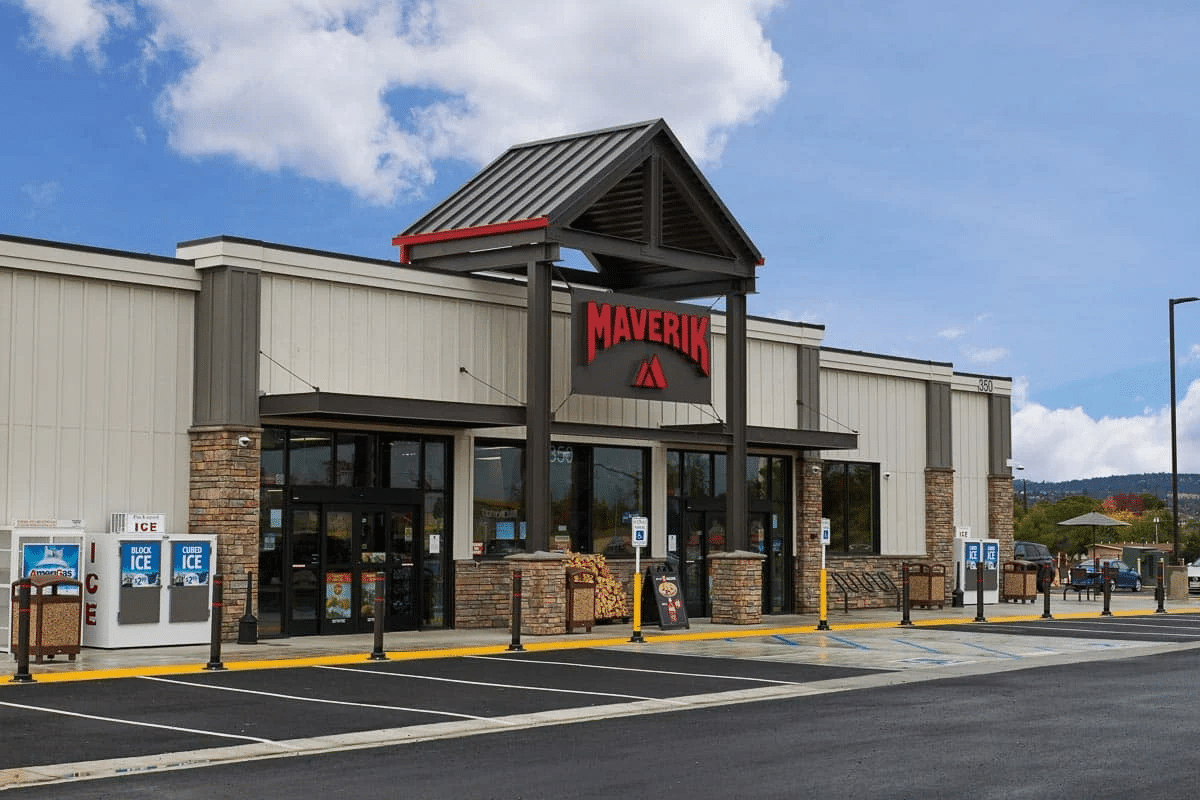
6 Gas Station Chains With Food So Good It’s Worth Driving Out Of Your Way For
We scoured the Internet to see what people had to say about gas station food. If you think the only things available are wrinkled hot dogs of indeterminate age and day-glow slushies, we’ve got great, tasty news for you. Whether it becomes part of a routine or your only resource on a long car trip, we have the food information you need.
Let’s look at six gas stations that folks can’t get enough of and see what they have for you to eat.