

Visa applications can feel like navigating a complex maze with high stakes. One slight misstep can result in rejection, leaving you scrambling to figure out what went wrong. Visa denials are more common than people expect. Times Now notes that the global visa refusal rate for Schengen countries has reached 14.8%. At the same time, popular destinations like Canada and the United States have reported increases in study and travel visa rejections.
Understanding why applications fail is important for improving your odds of approval. Here are 15 reasons visas get denied, along with practical tips to help you avoid these mistakes and keep your travel dreams on track.
Incomplete or Incorrect Documentation

Submitting your visa application is similar to assembling IKEA furniture—every part must be included, or it just won’t work. According to VFS Global, 35% of visa applications are rejected due to incomplete or improperly filled documents. These include missing passport copies, outdated financial statements, and unsigned forms.
Even one unchecked box or mismatched detail can trigger an automatic denial. To avoid this, create a detailed checklist based on the official embassy guidelines and review each item carefully. You can also consult professional services to ensure accuracy and avoid costly mistakes.
Errors in the Application

Simple errors in your paperwork—like mismatched dates, typos, or incorrect addresses—can sink your visa application. Visa officers treat these inconsistencies as signs of carelessness or potential fraud, especially when travel dates on your form don’t match your flight bookings.
According to VisaVerge, incomplete or inaccurate forms rank among the top reasons for visa denial, often leading to automatic rejection. To avoid this, take your time, review your application multiple times, and use embassy-approved templates to ensure consistency. If you’re unsure, hiring a consultant can help you avoid costly mistakes and improve your chances of approval.
Insufficient Financial Proof

Showing that you can afford your trip is critical for getting your visa approved. Embassies need assurance that you won’t become a financial burden, and a lack of sufficient funds is one of the top reasons for Schengen visa denial, according to Atlys and SchengenInsuranceInfo.Bank statements that fail to show a consistent income trail or contain unexplained deposits often raise red flags.
Schengen countries usually expect proof of at least €100 per day of stay, depending on the destination and duration. To avoid rejection, submit clear, up-to-date financial documents, include employer letters or tax returns for added credibility, and label everything correctly to prevent confusion.
Weak Ties to Your Home Country

If visa officers suspect you won’t return home after your trip, chances are they will reject your application outright. According to the U.S. Department of State, failure to demonstrate strong ties to your home country—such as employment, property ownership, or close family relationships—is the leading reason for tourist visa denial under Section 214(b).
Students applying for tourist visas instead of study visas face heightened scrutiny due to the perceived risk of overstaying. To counter this, submit job contracts, enrollment letters, or property deeds that clearly establish your intent to return. Include return tickets and a detailed travel itinerary, which further strengthen your case and reduce suspicion.
Suspicious or Problematic Travel History

Having overstayed visas or violated immigration laws can haunt your record for years. According to Wilner & O’Reilly, even a one-day overstay can disqualify you from programs like the Visa Waiver Program. In contrast, longer overstays may trigger deportation or bans from re-entry.
In the Schengen Area, failing to exit on time can result in a visa ban of up to 10 years, especially if the overstay is undocumented or repeated. The key is transparency—acknowledge any past infractions and explain how you’ve resolved them. Building a clean, well-documented travel history moving forward helps restore credibility and reduce future obstacles.
Inadequate Interview Performance

First impressions matter, especially during a visa interview. According to PassportAgents.in, approximately 20% of global visa denials stem from unclear or unconvincing travel purposes, often revealed through vague answers or poor interview performance. Applicants who struggle with basic questions or fail to provide a clear itinerary risk immediate rejection.
Prepare by reviewing typical questions for your visa type and practicing concise, confident responses about your plans, intent, and funding. Dressing appropriately and maintaining a calm demeanor reinforces credibility and helps leave a positive impression.
Obscure or Unclear Travel Itinerary

Presenting a vague travel itinerary can make visa officers question your intentions. According to VisaVerge and TheTeleBlog, incomplete or unrealistic travel plans are a common reason for visa denial, especially when applicants fail to provide flight bookings, accommodation details, or planned activities.
Countries like Canada and Schengen states often require pre-booked accommodations to validate your itinerary and confirm your travel purpose. To avoid rejection, prepare a detailed plan that includes flights, lodging, and a schedule that aligns with your visa category. A clear, well-organized itinerary signals seriousness and helps build trust with immigration authorities.
Unclear Visa Category or Purpose

Applying for the wrong visa category or failing to outline your travel purpose clearly is a common reason for rejection. According to VisaVerge and Immigration and Migration, conflicting documentation—such as applying for a tourist visa while submitting work-related materials—often leads to denial due to perceived misrepresentation.
Visa officers expect consistency between your stated intent and supporting documents. Always select the correct visa type and back it up with paperwork that aligns precisely with your travel objectives. Leave no room for ambiguity—clarity and coherence are non-negotiable.
Previous Visa Violations or Immigration Offenses

Prior immigration offenses aren’t easily forgiven or overlooked by visa authorities. According to Embassy n Visa, past violations—such as overstaying a visa or exiting through the wrong checkpoint—can lead to long-term bans or automatic rejection, depending on the country and severity.
For example, overstaying in the Schengen Area can trigger a visa ban of up to 10 years, especially if undocumented. If you’ve had prior issues, address them directly and submit documentation showing how you’ve resolved them. For complex cases, consult legal counsel to avoid compounding the problem.
Criminal Record

Save this article
Visa rejection is almost guaranteed if past offenses exist, particularly for crimes like fraud, theft, or assault. Although rehabilitation programs and certifications of good conduct can help in some jurisdictions, they don’t guarantee approval in all cases.
If you’ve run into trouble in the past, disclose it fully. Hiding information will only worsen your case, as most modern systems include rigorous background checks.
Fraud or Misrepresentation

Any attempt to mislead immigration officers through inaccurate claims or falsified documents is a one-way ticket to visa denial and long-term bans. Tampering with income statements or providing forged invitation letters are common tricks that rarely succeed.
The safest bet is to be honest and transparent. Present factually accurate information and avoid taking shortcuts in the process. Immigration systems are designed to catch inconsistencies, leaving no room for error.
Mistakes in Financial Documentation

Submitting incomplete or hard-to-verify financial records invites suspicion from visa officials. For instance, if a student applicant suddenly receives a $5,000 deposit days before applying without explanation, questioning arises.
Organize and present correct statements supported by additional materials, such as tax filings. Ensure account activity reflects consistent income rather than irregular spikes.
Missing or Unorganized Documents

Sending scattered paperwork or entirely forgetting some key documents screams “lack of effort” to consulates. This oversight wastes visa officials’ time, increasing the likelihood of rejection.
Organize your application carefully and follow the embassy-provided document lists. Presenting a professional and punctual profile reflects positively on your credibility as a traveler.
Applying From a High-Risk Country

Applicants from countries with volatile political landscapes or high rates of illegal migration often face added scrutiny. Even stellar applications might be put under the microscope simply because of their origin.
Overcome this hurdle by assembling an airtight application, adding bonus details like proof of financial stability and strong home ties. Consulting an immigration expert may also strengthen your case.
Not Following Country-Specific Rules

An alarming number of applicants treat visa applications like a one-size-fits-all process, ignoring individual country requirements. Policies differ across borders, and minor fine print can lead to disqualification.
Stay updated on the latest requirements by consulting official embassy websites or attending pre-application sessions hosted by consulates. Tailoring your application to meet these precise details increases approval chances.
Disclaimer – This list is solely the author’s opinion based on research and publicly available information. It is not intended to be professional advice.
16 Grocery Staples to Stock Up On Before Prices Spike Again

16 Grocery Staples to Stock Up On Before Prices Spike Again
I was in the grocery store the other day, and it hit me—I’m buying the exact same things I always do, but my bill just keeps getting higher. Like, I swear I just blinked, and suddenly eggs are a luxury item. What’s going on?
Inflation, supply-chain delays, and erratic weather conditions have modestly (or, let’s face it, dramatically) pushed the prices of staples ever higher. The USDA reports that food prices climbed an additional 2.9% year over year in May 2025—and that’s after the inflation storm of 2022–2023.
So, if you’ve got room in a pantry, freezer, or even a couple of extra shelves, now might be a good moment to stock up on these staple groceries—before the prices rise later.
6 Gas Station Chains With Food So Good It’s Worth Driving Out Of Your Way For
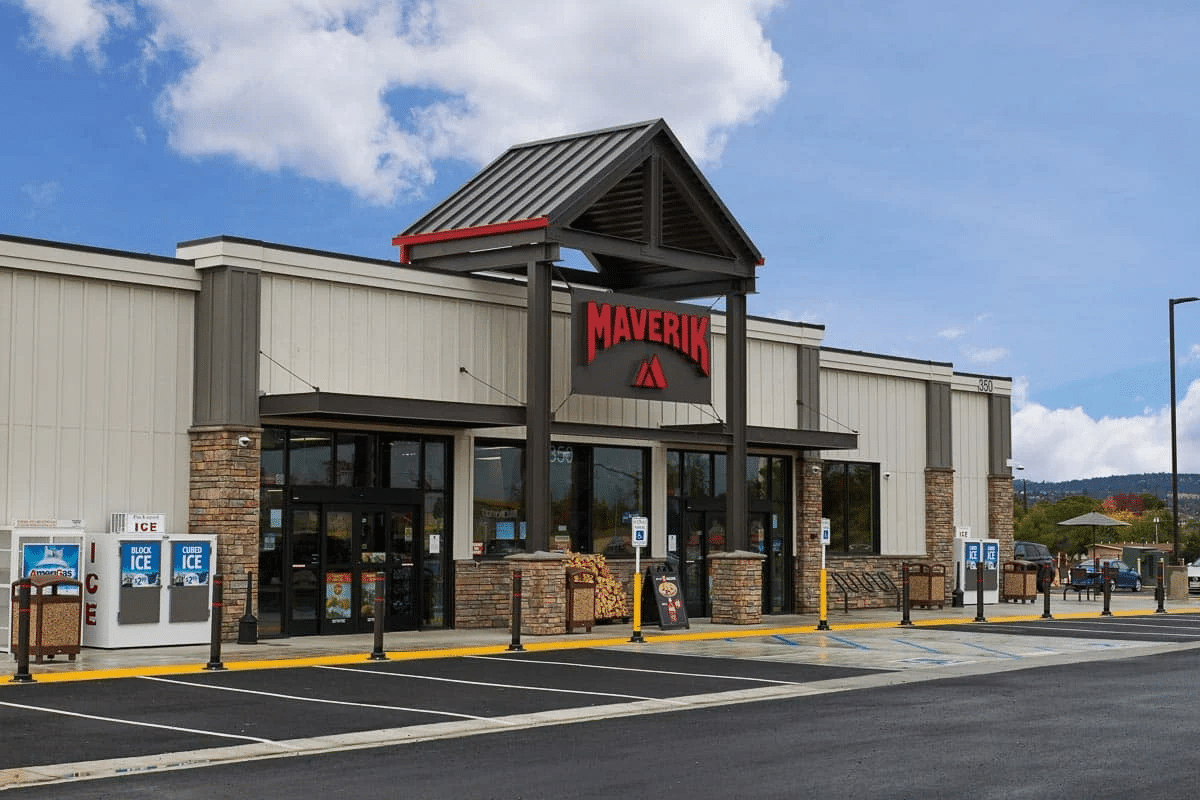
6 Gas Station Chains With Food So Good It’s Worth Driving Out Of Your Way For
We scoured the Internet to see what people had to say about gas station food. If you think the only things available are wrinkled hot dogs of indeterminate age and day-glow slushies, we’ve got great, tasty news for you. Whether it ends up being part of a regular routine or your only resource on a long car trip, we have the food info you need.
Let’s look at 6 gas stations that folks can’t get enough of and see what they have for you to eat.





