Retiring by the ocean no longer requires millionaire savings. These 15 U.S. beach towns are proving that coastal living can still be an affordable option.
Motley Fool reports that the average annual spending for an American retiree is approximately $60,087, or about $5,007 per month. The median retirement income is $54,710, meaning many retirees are spending more than they earn. What if I told you you could spend way less and still enjoy the view of a beach?
When you think of retiring by the beach, you probably picture dollar signs adding up as fast as the tide rolls in. However, some spots across the U.S. offer sandy mornings, ocean breezes, and colorful sunsets without the staggering price tags you’d expect. Take a little trip and explore some of the most budget-friendly beach towns retirees are quietly falling in love with.
Gulf Shores, Alabama
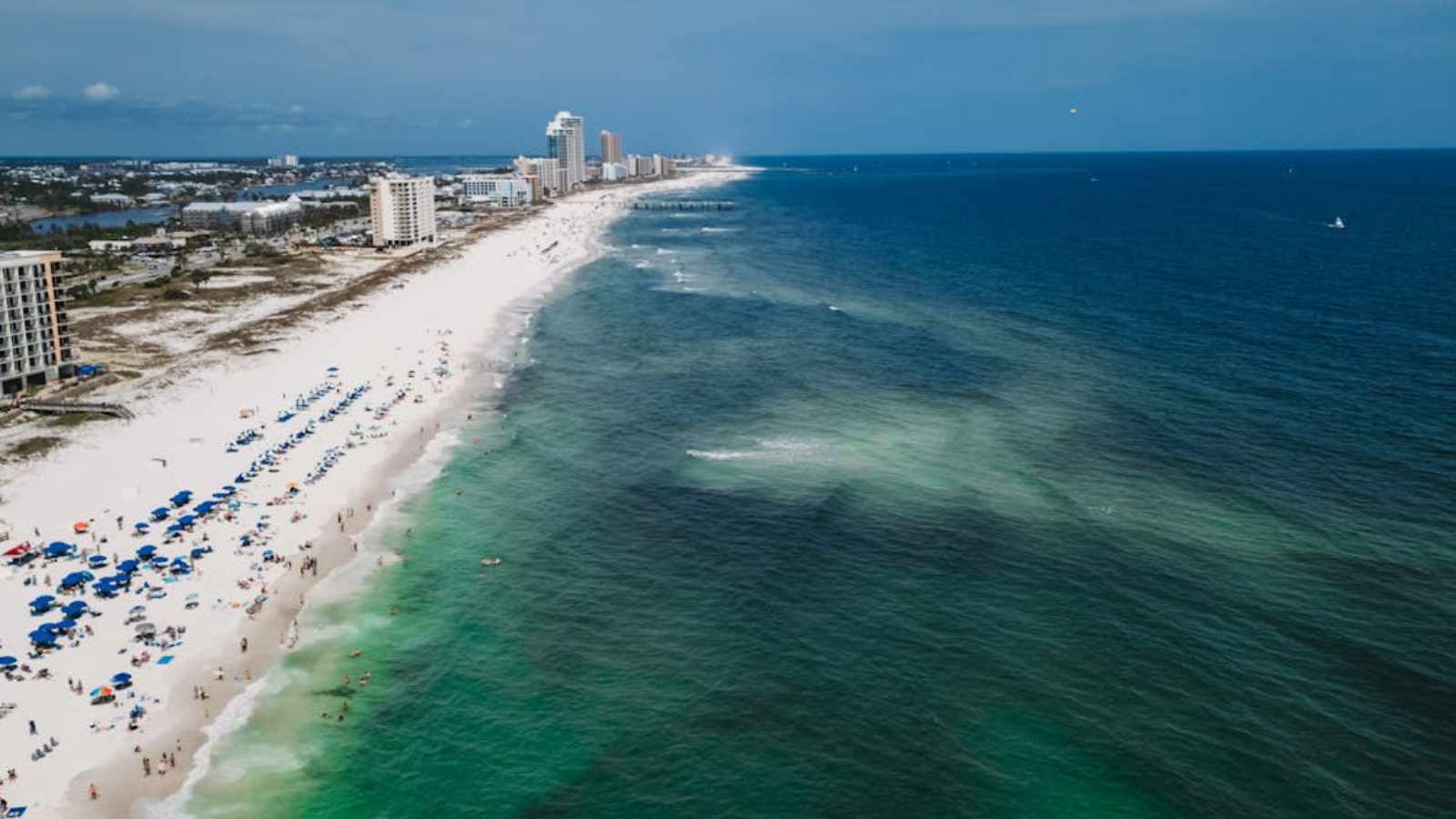
Gulf Shores proves that paradise doesn’t have to come at luxury resort prices. The median home price here is approximately $455,208, which is lower than that of many coastal destinations, particularly in Florida or California. Retirees enjoy more than 30 miles of white sandy beaches, plus a cost of living that runs about 12% below the national average.
Alabama also ranks among the states with some of the lowest property taxes, which helps savings last longer. Add in plenty of local festivals and seafood joints, and it’s no surprise retirees are calling this beach town home.
Port St. Lucie, Florida
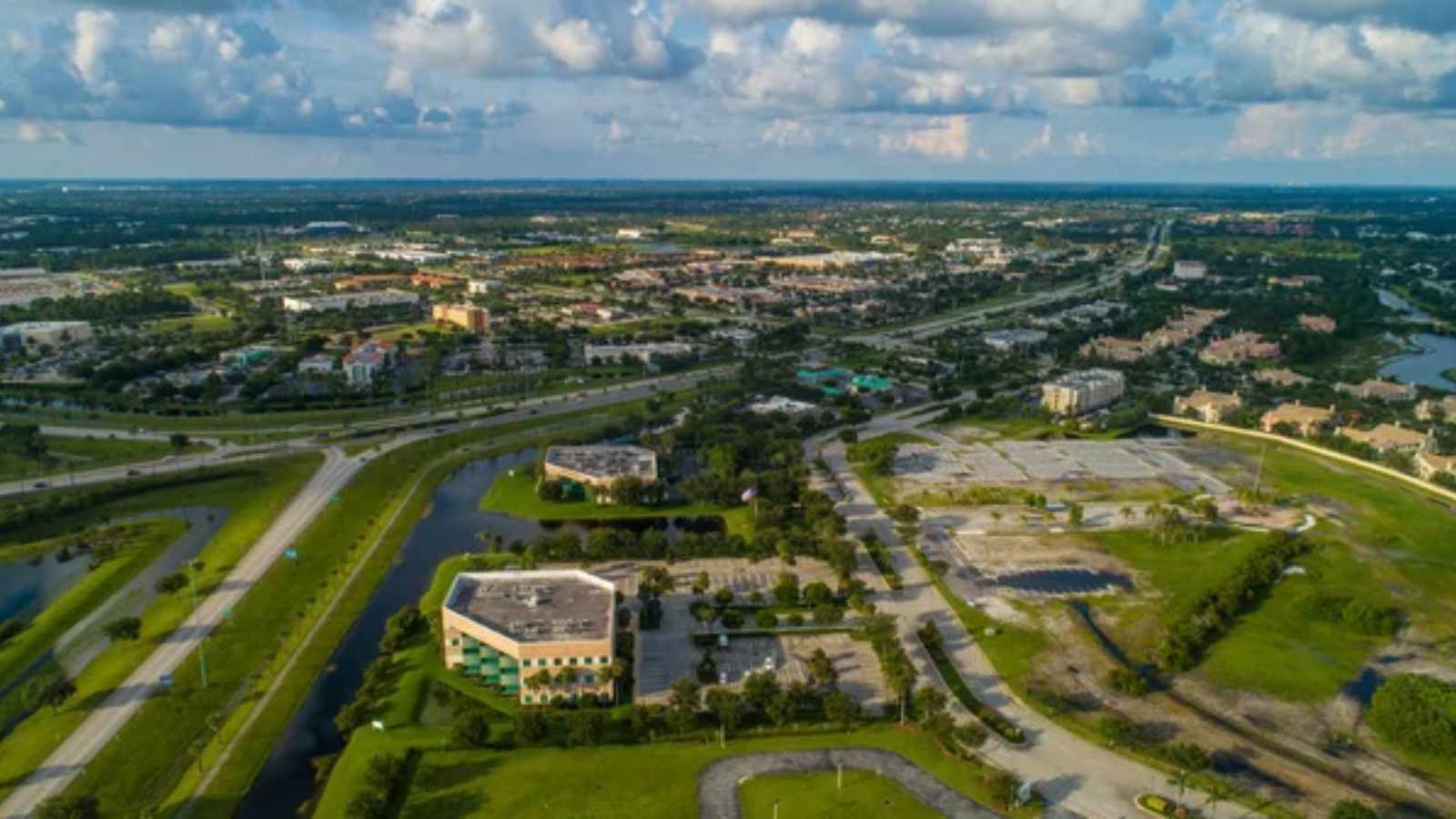
Florida consistently receives attention for its retiree living, but Port St. Lucie stands out because it combines affordability with access to the Atlantic Ocean. Median home prices hover at $385,423, noticeably lower than those in neighboring West Palm Beach, where they exceed $500,000.
The area is also appealing because Florida has no state income tax, leaving more room in monthly budgets. Outdoor living is a big part of the draw—residents enjoy fishing, kayaking, and golf year-round. For retirees, the combination of lower costs and a laid-back coastal lifestyle makes it a sweet spot.
Vero Beach, Florida
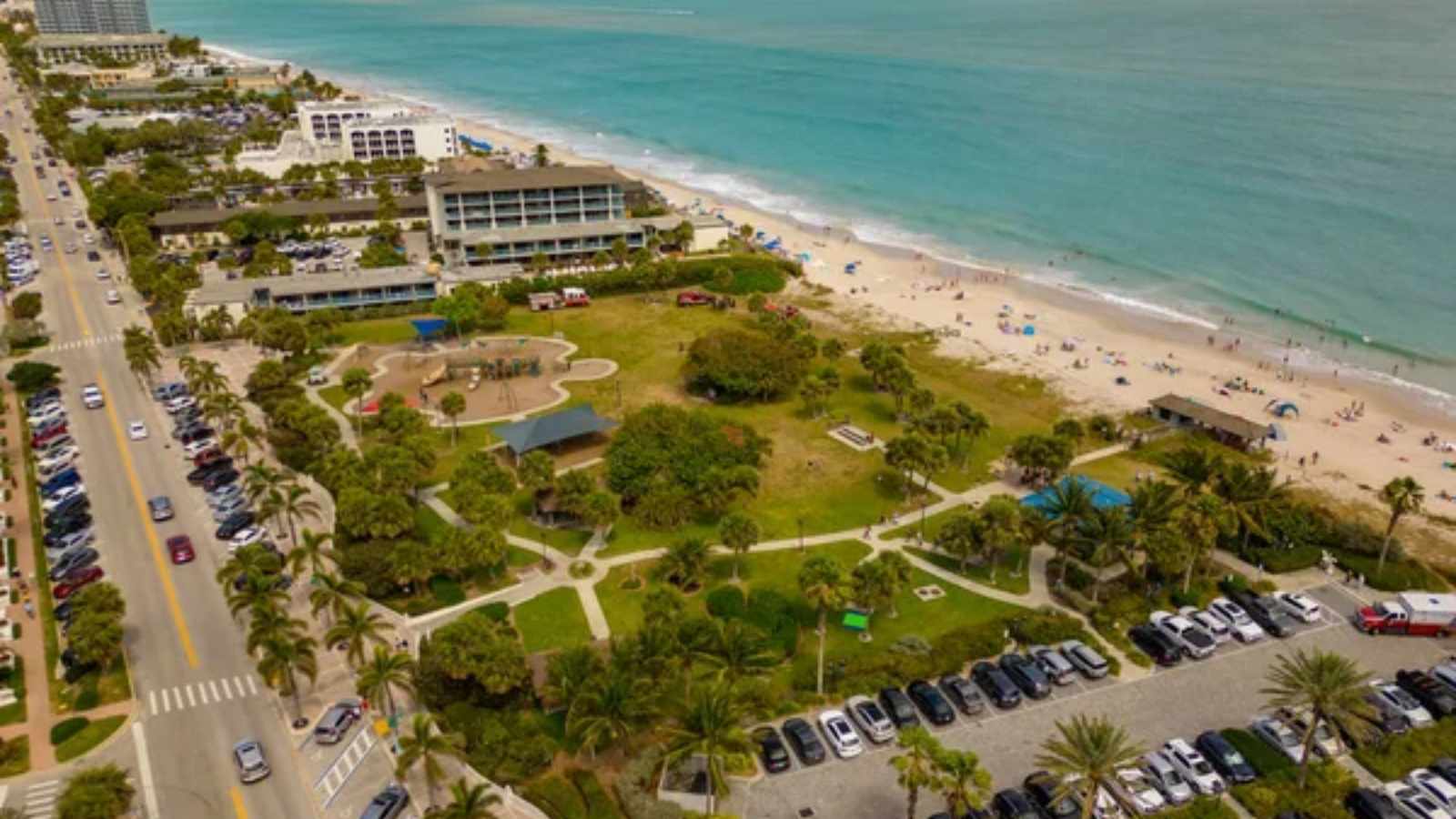
Vero Beach offers retirees a quieter, less commercial version of Florida living. The median home price is approximately $370,000, which is modest compared to Miami’s housing market, where prices typically exceed $600,000. The cost of living is lower than in Florida’s larger metro areas, making everyday life more affordable.
Retirees also enjoy access to quality healthcare, with Cleveland Clinic Indian River Hospital nearby. Add in peaceful beaches and cultural venues, and it’s a balanced spot for budget-conscious retirees.
Myrtle Beach, South Carolina

Myrtle Beach is known for its vacation crowds, but retirees see another side of it: affordability mixed with endless things to do. The median home price is about $310,000, which is significantly lower than the national coastal average. South Carolina is tax-friendly for retirees, offering deductions on retirement income and exempting Social Security from state tax.
Healthcare access is strong, with multiple hospitals and clinics in the area. Add in 60 miles of sandy beaches, and it’s no wonder more than 25,000 retirees have moved here in the past decade.
Virginia Beach, Virginia

Virginia Beach surprises some retirees with its balance of affordability and amenities. Median home prices sit around $360,000, which is lower than many East Coast competitors like New Jersey’s shoreline, where homes often exceed $500,000.
Retirees here benefit from a broad healthcare network and a cost of living only slightly above the national average. The area offers 35 miles of beaches, as well as cultural attractions and dining options. It’s a city that allows retirees to enjoy coastal life without straining finances.
Corpus Christi, Texas

Corpus Christi offers a combination of coastal living and budget-conscious practicality. Homes average around $250,000, which is far below the national median of $420,000. Texas has no state income tax, which is a significant plus for retirees living on fixed incomes.
The city has more than 100 miles of shoreline, making water access a part of daily life rather than an occasional treat. For retirees, that means fishing in the morning, beach walks in the afternoon, and still having money left for dinner out.
Port Aransas, Texas

Port Aransas, situated on Mustang Island, attracts retirees seeking coastal tranquility without the high prices. Homes average around $350,000, still cheaper than most U.S. beach markets.
The town thrives on fishing, boating, and dolphin-watching, with a slower pace of life that appeals to retirees. Texas’ tax-friendly environment is another financial plus. It’s the kind of place where life feels like a vacation, yet the numbers still add up.
Ocean Springs, Mississippi

Ocean Springs doesn’t get the flashy headlines, but maybe that’s why it feels so special. The median home price here is 30.6% less than the national average, while the overall cost of living is 16.5% lower than the U.S. average. Mississippi is also one of the least expensive states for healthcare, which is particularly important for long-term planning.
The town boasts a thriving arts district and a small but vibrant community that values culture as much as it does beach views. Retirees often find it offers a rare mix of affordability and creativity by the water.
Daytona Beach, Florida

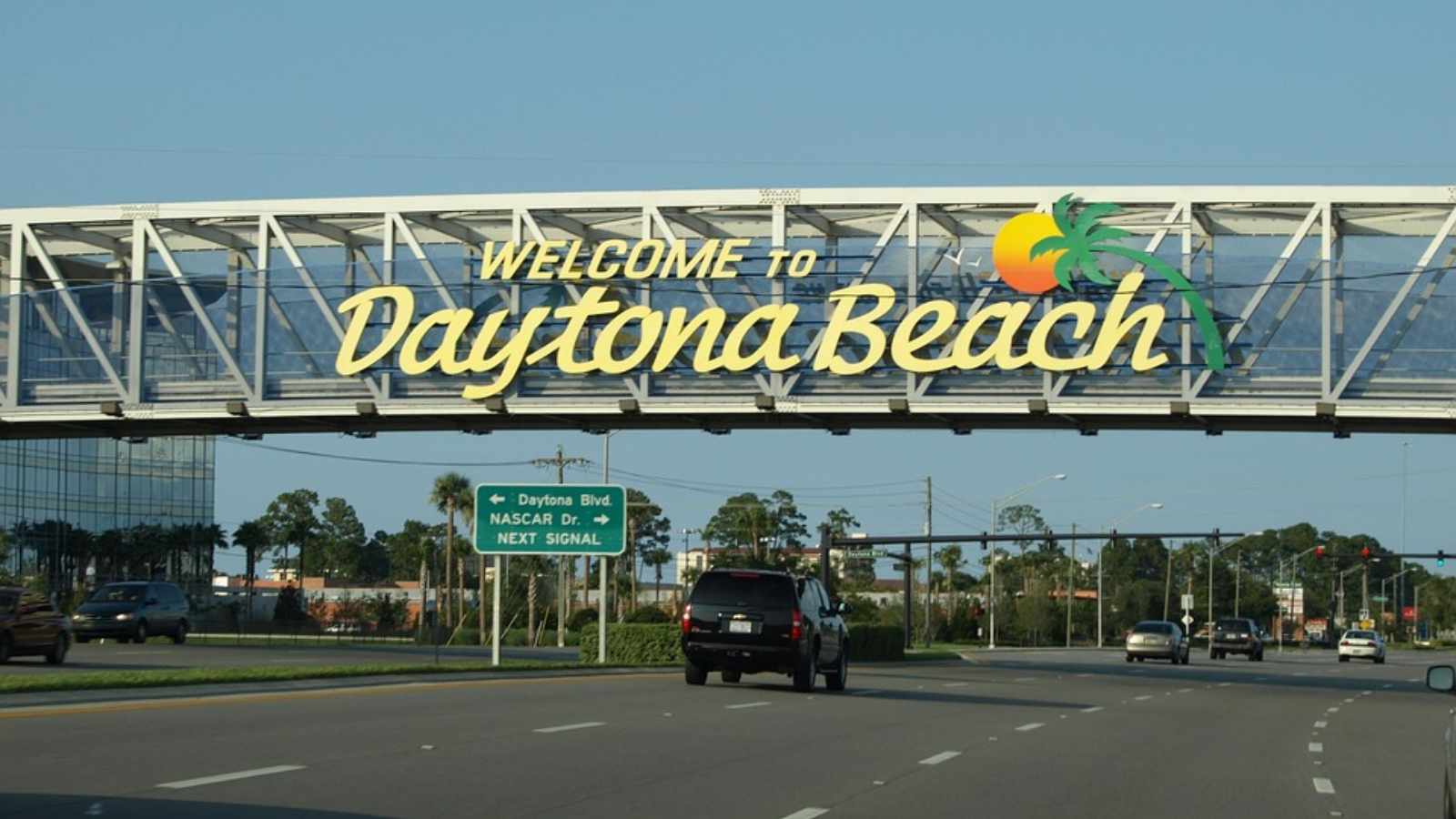
Daytona Beach is famous for racing, but retirees focus on its affordability. Median home values are below $300,000, and the cost of living is approximately 10% lower than the national average. Retirees enjoy a lively mix of beaches, boardwalks, and local events without the inflated prices of South Florida.
Florida’s lack of income tax makes it easier to stretch retirement accounts. The city also boasts multiple hospitals and medical centers, providing peace of mind for those living by the sea.
Galveston, Texas

Save this article
Galveston blends historic charm with Gulf Coast living at prices that appeal to retirees. Home values average around $332,017, according to Zillow, which is lower than many East or West Coast beach towns.
Texas’ tax policies mean retirees don’t lose money to state income taxes. Beyond finances, Galveston offers cultural attractions such as museums, historic architecture, and a variety of local dining options. It’s a city that makes retiring near the beach both financially and socially rewarding.
Biloxi, Mississippi

Biloxi is often overlooked as a retiree destination, but its affordability makes it hard to ignore. Median home prices are approximately $240,000, and the cost of living is 15% lower than the U.S. average. The city offers a variety of Gulf-front entertainment options, like casinos and fishing piers, without the premium costs associated with larger destinations.
Mississippi ranks 5th lowest in grocery costs nationally, with an average annual food-at-home expense of $5,805. Employer-sponsored health insurance premiums average just $122.33/month, well below national averages. For retirees seeking an active yet affordable coastal lifestyle, Biloxi checks all the boxes.
Panama City Beach, Florida

Panama City Beach boasts emerald waters and sugar-sand beaches, all at a surprisingly reasonable cost of living. Home prices average about $350,000, and the city’s overall costs are slightly below the national average.
Retirees here enjoy local festivals, fishing piers, and walkable beaches without the high expenses of big cities. Florida’s tax perks only sweeten the deal. It’s an affordable coastal option that still feels lively and fun.
Pensacola, Florida

Pensacola offers retirees Gulf Coast beauty at a more affordable price tag than many Florida hotspots. The median home price is about $310,000, which is below the national average. Retirees enjoy a rich mix of history, arts, and numerous outdoor activities, including sailing and fishing.
Florida’s tax advantages make it even more appealing for those managing retirement savings. With white sand beaches and a welcoming atmosphere, Pensacola feels both practical and enjoyable.
Tybee Island, Georgia
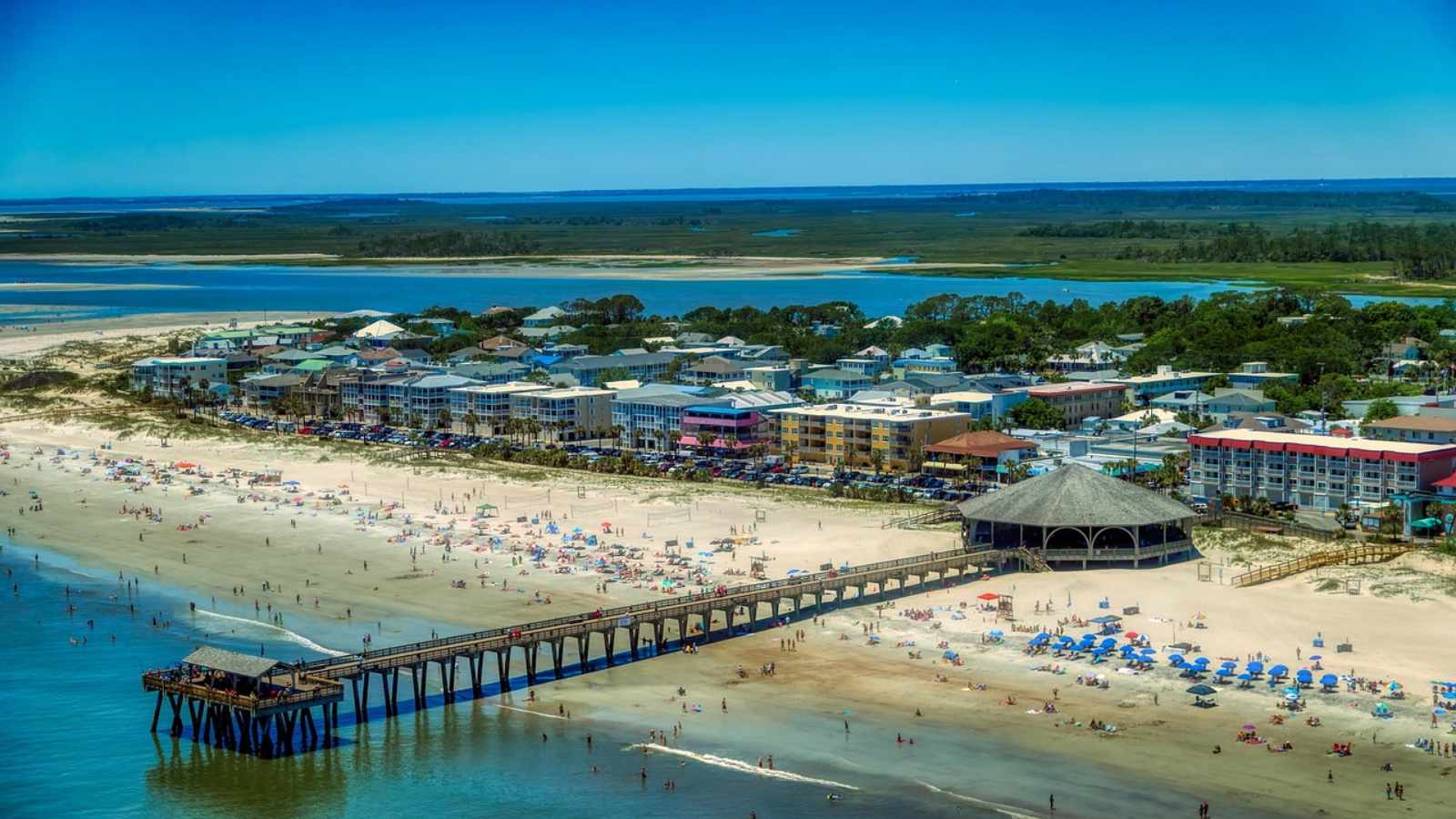
Tybee Island is just 20 minutes from Savannah, but feels like its own relaxed world. Homes average around $400,000, which is competitive for East Coast beachfront property. Georgia also has favorable retirement tax policies, with no tax on Social Security income and generous deductions on other retirement income.
The island has a strong sense of community and a slower pace that retirees value. Additionally, nearby Savannah offers healthcare and city amenities without compromising on beachside charm.
Rockport, Texas
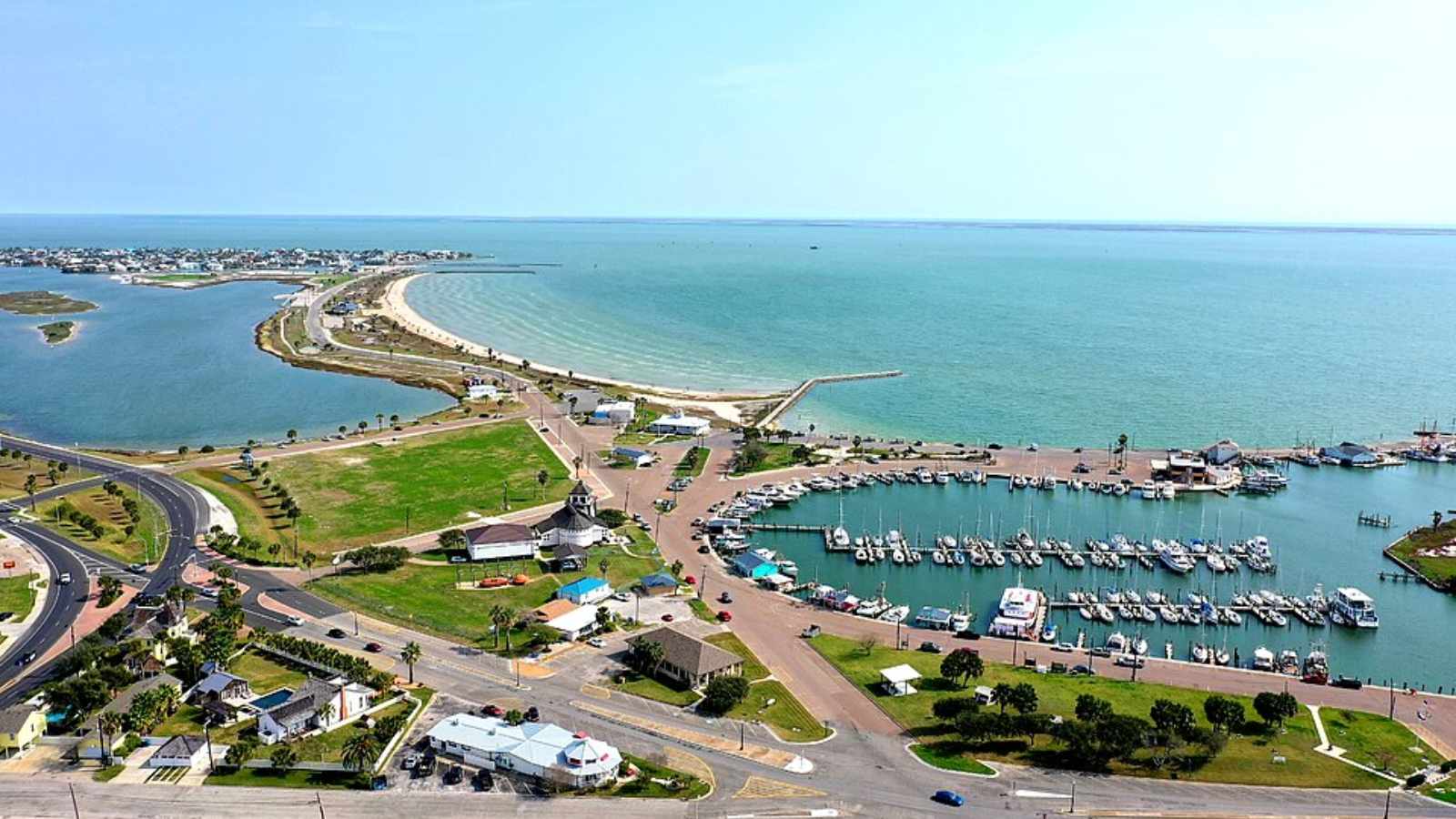
Rockport is often described as a hidden gem on the Gulf Coast. Median home prices are approximately $280,000, and the cost of living is significantly lower than the national average.
The town is renowned for its art galleries, rich fishing culture, and close-knit community. For retirees, that means plenty of ways to stay engaged without overspending. With affordable living and scenic surroundings, Rockport offers both value and vibrancy.
Key takeaways
Affordable coastal living is possible. Retirees can find charming beach towns in Alabama and Virginia, where home prices and living costs sit well below national coastal averages.
Taxes and healthcare matter just as much as scenery. States like Florida, Texas, and Mississippi offer no state income tax, low property taxes, and cheaper healthcare, making savings stretch further.
Lifestyle comes with variety. Art festivals in Ocean Springs, fishing in Rockport, or boardwalk strolls in Daytona Beach: these towns offer plenty of ways to enjoy retirement without overspending.
Community and peace of mind are the ultimate seal of the deal. Retirees are choosing places with strong communities, cultural activities, and reliable healthcare access—proving that retirement by the sea doesn’t have to come with a luxury price tag.
Disclaimer – This list is solely the author’s opinion based on research and publicly available information. It is not intended to be professional advice.
16 grocery staples to stock up on before prices spike again

16 Grocery Staples to Stock Up On Before Prices Spike Again
I was in the grocery store the other day, and it hit me—I’m buying the same things I always do, but my bill just keeps getting higher. Like, I swear I just blinked, and suddenly eggs are a luxury item. What’s going on?
Inflation, supply-chain delays, and erratic weather conditions have modestly (or, let’s face it, dramatically) pushed the prices of staples ever higher. The USDA reports that food prices climbed an additional 2.9% year over year in May 2025—and that’s after the inflation storm of 2022–2023.
So, if you’ve got room in a pantry, freezer, or even a couple of extra shelves, now might be a good moment to stock up on these staple groceries—before the prices rise later.
6 gas station chains with food so good it’s worth driving out of your way for

6 Gas Station Chains With Food So Good It’s Worth Driving Out Of Your Way For
We scoured the Internet to see what people had to say about gas station food. If you think the only things available are wrinkled hot dogs of indeterminate age and day-glow slushies, we’ve got great, tasty news for you. Whether it becomes part of a routine or your only resource on a long car trip, we have the food information you need.
Let’s look at six gas stations that folks can’t get enough of and see what they have for you to eat.