Picture this: you open your fridge, hungry for a quick snack, and yesterday’s leftovers are calling out to you. Sounds innocent enough. Well, some of those bite-sized treats are best left behind. Based on a report from the World Health Organization, 600 million individuals across the globe fall sick with foodborne diseases annually. That’s nearly 10% of the global population. Worse still, the diseases kill 420,000 people every year, and children below the age of five are the most susceptible ones. Yikes.
Putting food in the refrigerator may seem like an innocent behavior. Still, some products turn against the owner: the food rots and becomes something dangerous. Here are 16 common foods one should never freeze, as they can become a disaster waiting to happen.
Cooked Rice

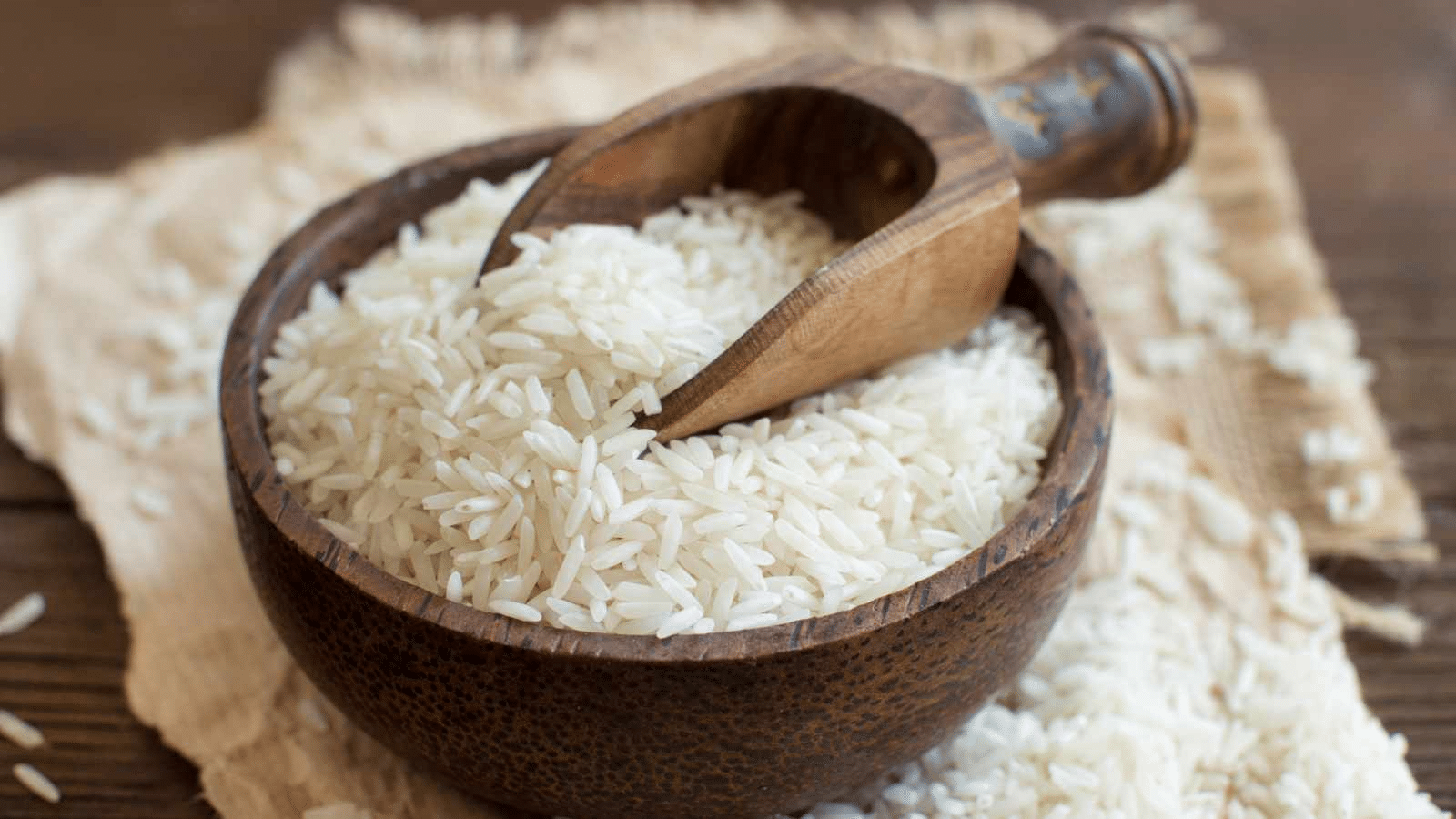
Rice might seem harmless, but it’s pretty sneaky. Cold rice is the ideal incubator for Bacillus cereus, a bacterium that may survive the cooking process. The bacteria may grow at a rapid pace, resulting in the formation of toxins that can lead to food poisoning, especially when rice is not cooled quickly or remains at room temperature for an extended period.
Symptoms may include nausea, vomiting, and diarrhea, which can be observed a few hours after consuming food. Thus, leftover stir-fry food can look tempting to eat, but it is a better idea to cook rice afresh or store it properly and eat it within the same day.
Deli Meats

Cold cuts can be sliced and may seem fine when left to rest in your fridge, but they can be pretty hazardous. When deli meats are cut, they become exposed to bacteria that can develop rapidly, including Listeria.
This bacterium is capable of surviving even in low temperatures; thus, deli meat hazards can occur within one day. When preparing sandwiches in advance, always ensure they are consumed fresh or stored in airtight containers to reduce exposure.
Eggs and Egg Dishes

An omelette today could mean a stomachache tomorrow. Eggs that have been cooked, particularly foods such as Quiche or egg sandwich, are a hotbed of bacteria like Salmonella.
Bacteria may proliferate when eggs that have been cooked are left resting at room temperature or when they are not cooled correctly. Dishes prepared with eggs should be refrigerated and consumed on the same day to avoid any unpleasant surprises. When in doubt, toss it out.
Leafy Greens

A nice, crisp salad can make you feel healthier about yourself, but the life is short-lived. The cleaning, chopping, and mixing of your greens destroys their inherent defenses. It exposes them to attack by the bacteria E. coli. Greens can also wilt and spoil in a day, even when stored in the refrigerator. Those limp spinach leaves or browning lettuce? Skip them and make a fresh salad instead.
Fresh Berries
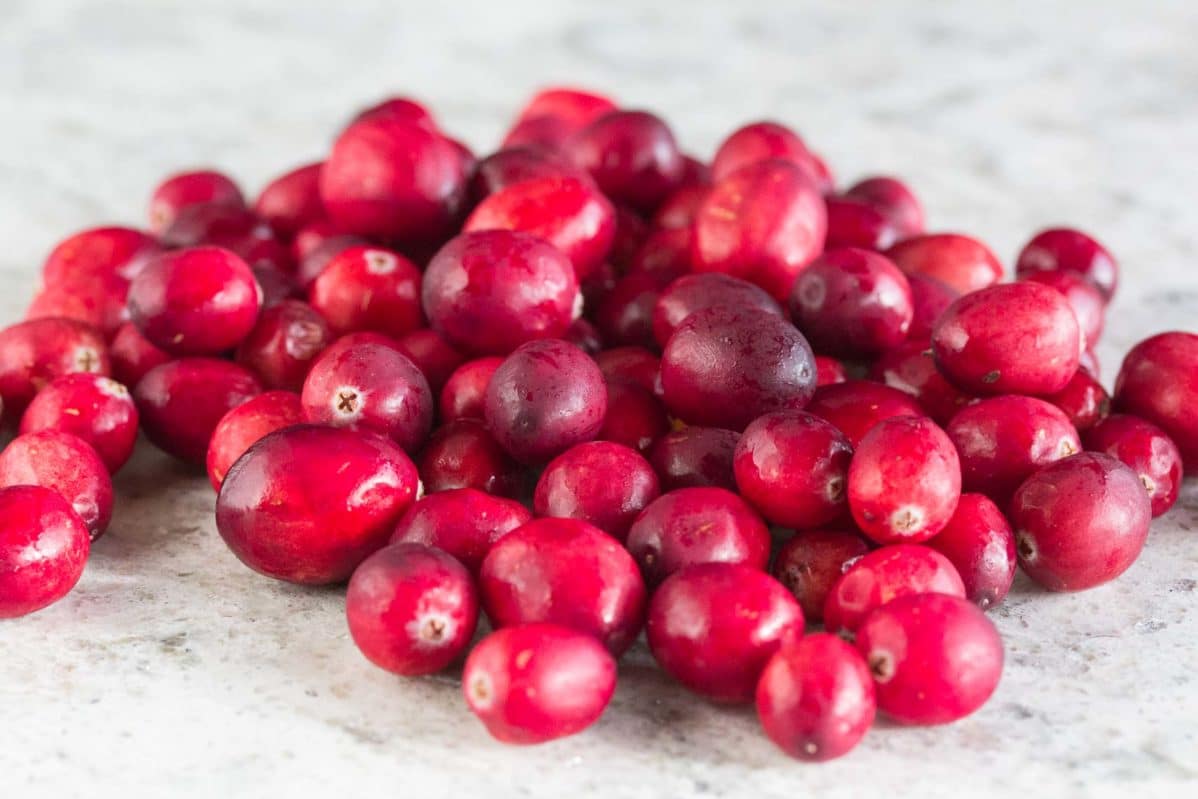
Berries contain a high amount of antioxidants and nutrients; however, they are prone to going bad. Their thin, tender skin is prone to bruising, and this can act as an entry point for the formation of molds and bacteria. Berries are particularly prone to decay, even when stored in the refrigerator. They must be rinsed immediately before eating, and storing them fresh is the best way to ensure they are safe to eat.
Cooked Potatoes

Potatoes also pose a lurking threat when cooked, especially when they are left in their foil packaging. The foil contains heat, forming an environment that lacks oxygen, which is conducive to the Clostridium botulinum bacteria that cause botulism.
This is very dangerous, especially when potatoes have been left at room temperature for an extended period. Foil-wrapped spuds may look harmless, but they should be consumed immediately or appropriately stored and eaten within 24 hours.
Cooked Seafood

Seafood is a luxurious treat; however, it is one of the foods that spoils the fastest. Fish, shrimps, and shellfish do not age gracefully, despite thorough refrigeration in the fridge. Failure to consume seafood within an acceptable timeframe will encourage the growth of bacteria such as Vibrio, which can predispose you to a foodborne infection. Only prepare the amount of seafood you will eat on the same day to ensure the best taste and safety.
Sliced Tomatoes
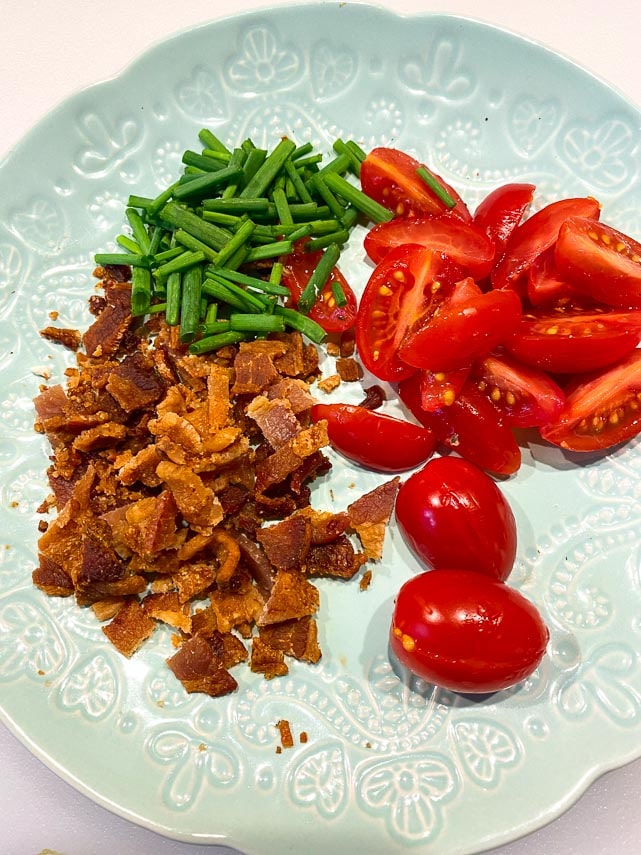
After you cut a tomato, the surface area is exposed, providing an opportunity for bacteria such as Salmonella to enter. Prepared tomatoes can easily spoil and become unsafe to consume, even when stored in the refrigerator. Even when you cannot use the entire tomato, cut it into pieces and store them in a sealed box to use within 24 hours for the best flavor and safety.
Cooked Pasta

Pasta is a reliable and safe option for a meal made with leftovers. Still, it has the same ability as rice to attract Bacillus cereus. This bacteria can also multiply on bare noodles or even slightly hot pasta with a bit of sauce that was left out overnight or stored incorrectly. Eating old linguine in the middle of the night may seem like an idea, but it may also bring to the table a portion of indigestion.
Soft Cheeses

Save this article
Soft cheeses, such as Brie, Camembert, and fresh mozzarella, can be delicious; however, they quickly go off as soon as they are opened. They are high in moisture, therefore subject to attack by bacteria, especially Listeria. Although they may appear good after one day, they might have dangerous bacteria. To be on the safe side, enjoy your soft cheeses when they are fresh, not when they have been lingering in the fridge.
Fresh Avocado

Avocados are creamy, nutritious, and good, but they do not last long after you cut them. Oxidation quickly turns the exposed parts brown, and it may become a breeding ground for bacteria when not stored properly. If you are not consuming the entire avocado, store the remaining part, including the pit, and use it within one day. Better yet, invite a friend to share that guacamole!
Pre-Cut Melons

Convenient, but dangerous, are ready-cut melons such as watermelon, cantaloupe, and honeydew. Bacteria such as Salmonella thrive in the moisture on the surface of the fruit, and these bacteria readily grow even when the fruit is refrigerated. To remain safe, it is wise to consume pre-cut melons immediately or not to purchase them at all if you are not going to finish them within a short time.
Creamy Sauces and Dips
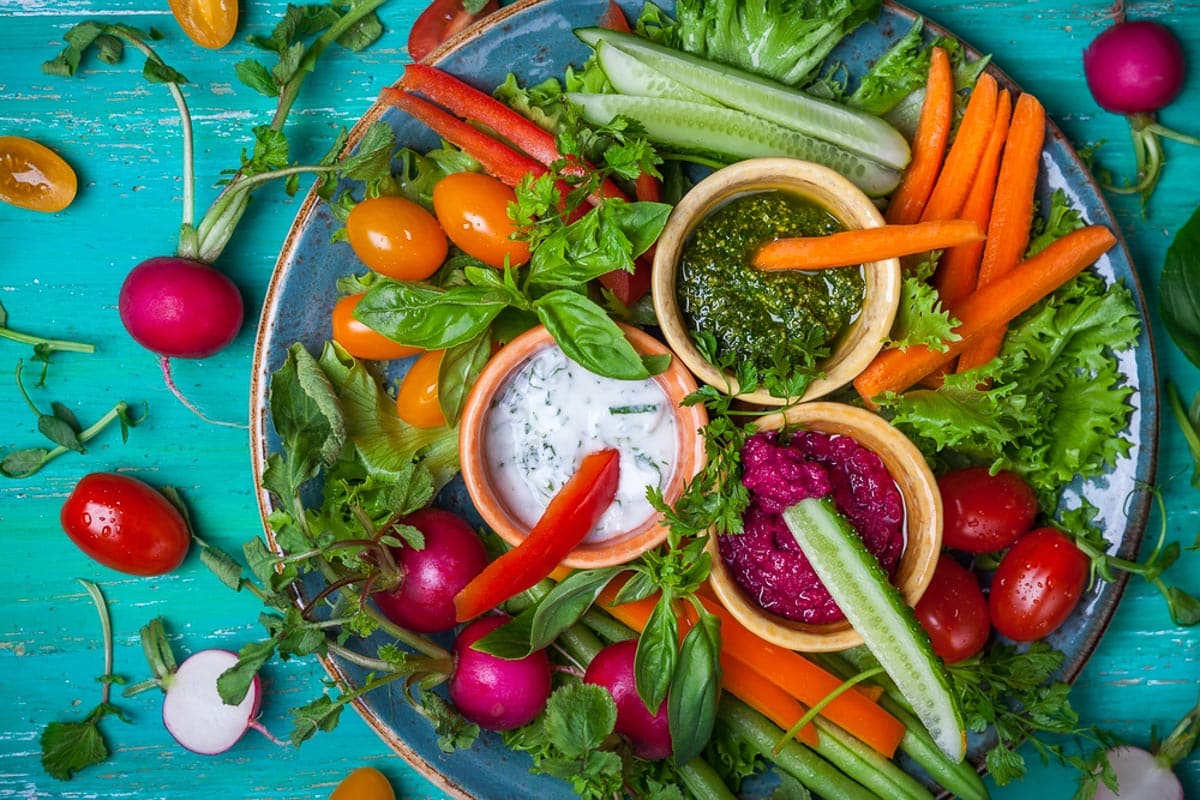
The dips, such as spinach-artichoke, hummus, and ranch, are quick to spoil once opened or prepared. They contain a lot of moisture and delicious ingredients that attract bacteria. Creamy dips must always be kept refrigerated and consumed fresh to eliminate contamination.
Cooked Poultry
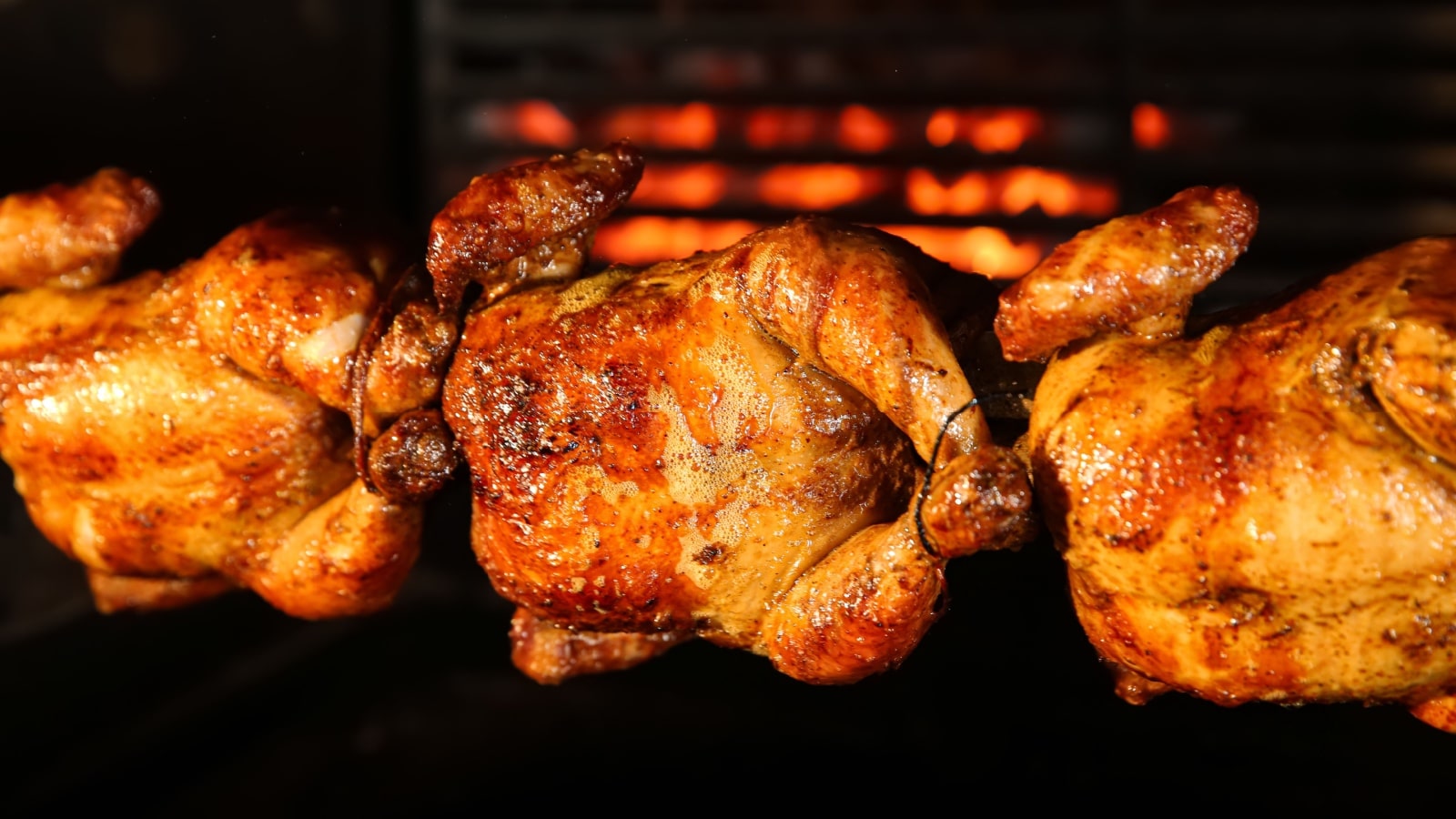
It may seem innocuous to reheat leftover chicken, but it’s a good idea. However, poultry is a frequent source of food poisoning, with conditions such as Salmonella and Campylobacter being common. It poses a potential health risk, as improper storage or reheating can lead to bacterial growth. To prevent hassle, when cooking chicken, place it in the fridge as soon as possible and eat it within 24 hours.
Mixed Fruit Salads
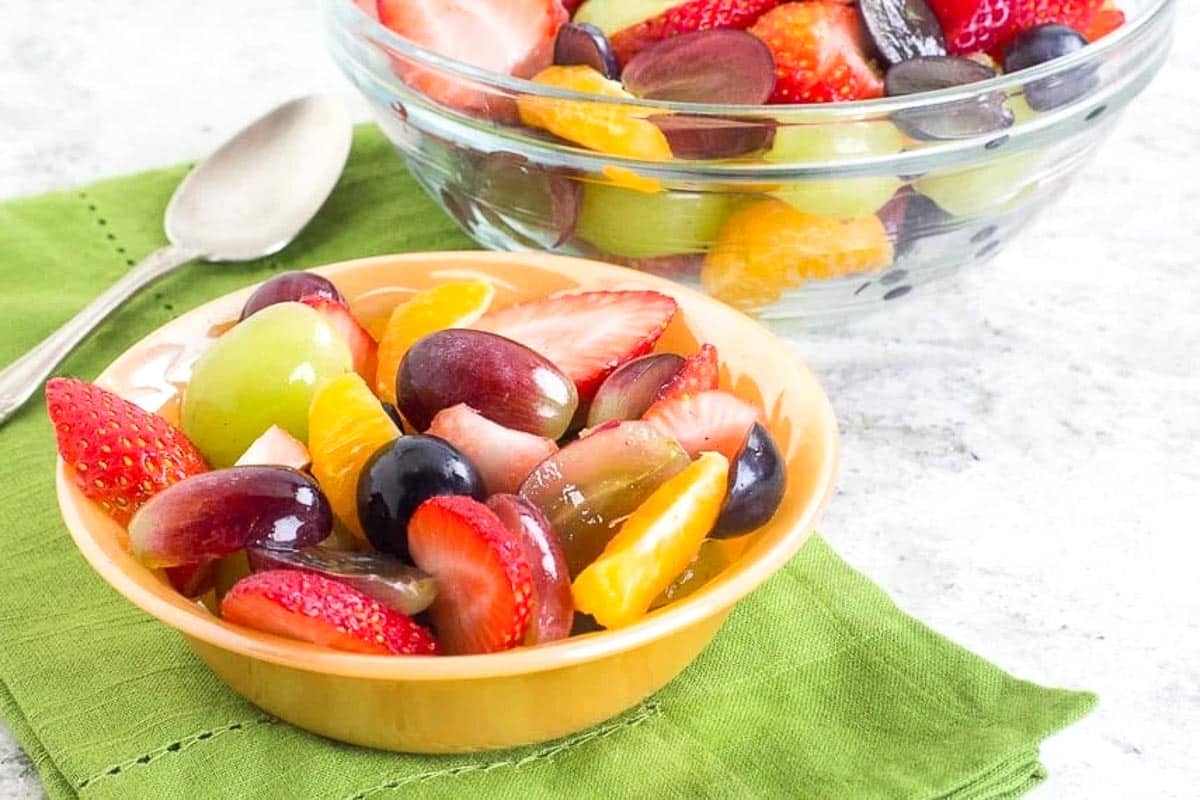
It may seem that chopped fruit is the ideal foodstuff, but it goes rotten sooner than you think. The mixing of fruits causes the release of ethylene gas, which accelerates the ripening and spoilage process. Humidity of the cut surfaces may also favour the growth of bacteria. To have a good and safe taste, fruit salad should be freshly prepared and consumed immediately.
Sushi and Sashimi
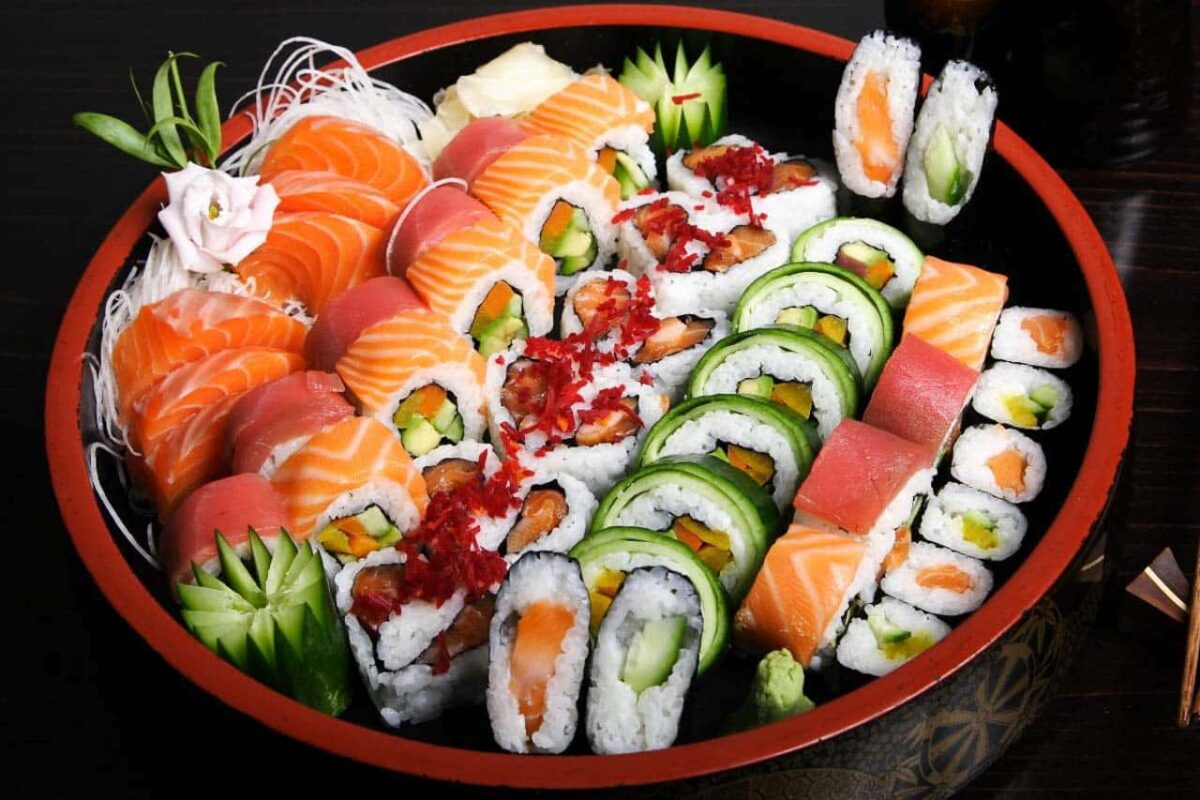
Sushi and sashimi lovers, beware—raw fish is highly perishable. Food poisoning can occur in leftover sushi within a matter of hours, even when stored properly in the refrigerator. To prevent food poisoning, avoid eating pre-sliced sushi. Enjoy it fresh, and leave the leftovers behind.
Key Takeaway

Leftovers can be convenient, but they’re not always safe to eat. The 16 foods are best when consumed straight, as eating them uncooked can make a great meal dangerous. You can defend yourself and your loved ones by staying aware of how long food has been in your fridge and knowing which products perish the quickest. Consequently, wash your plate, enjoy the time, and bid farewell to dangerous leftovers. Your stomach will be grateful as well!
Disclaimer–This list is solely the author’s opinion based on research and publicly available information. It is not intended to be professional advice.
16 Grocery Staples to Stock Up On Before Prices Spike Again
16 Grocery Staples to Stock Up On Before Prices Spike Again
I was in the grocery store the other day, and it hit me—I’m buying the same things I always do, but my bill keeps getting higher. Like, I swear I just blinked, and suddenly, eggs are a luxury item. What’s going on?
Inflation, supply-chain delays, and erratic weather conditions have modestly (or, let’s face it, dramatically) pushed the prices of staples ever higher. The USDA reports that food prices climbed an additional 2.9% year over year in May 2025—and that’s after the inflation storm of 2022–2023.
So, if you’ve got room in a pantry, freezer, or even a couple of extra shelves, now might be a good moment to stock up on these staple groceries—before the prices rise later.
6 Gas Station Chains With Food So Good It’s Worth Driving Out Of Your Way For
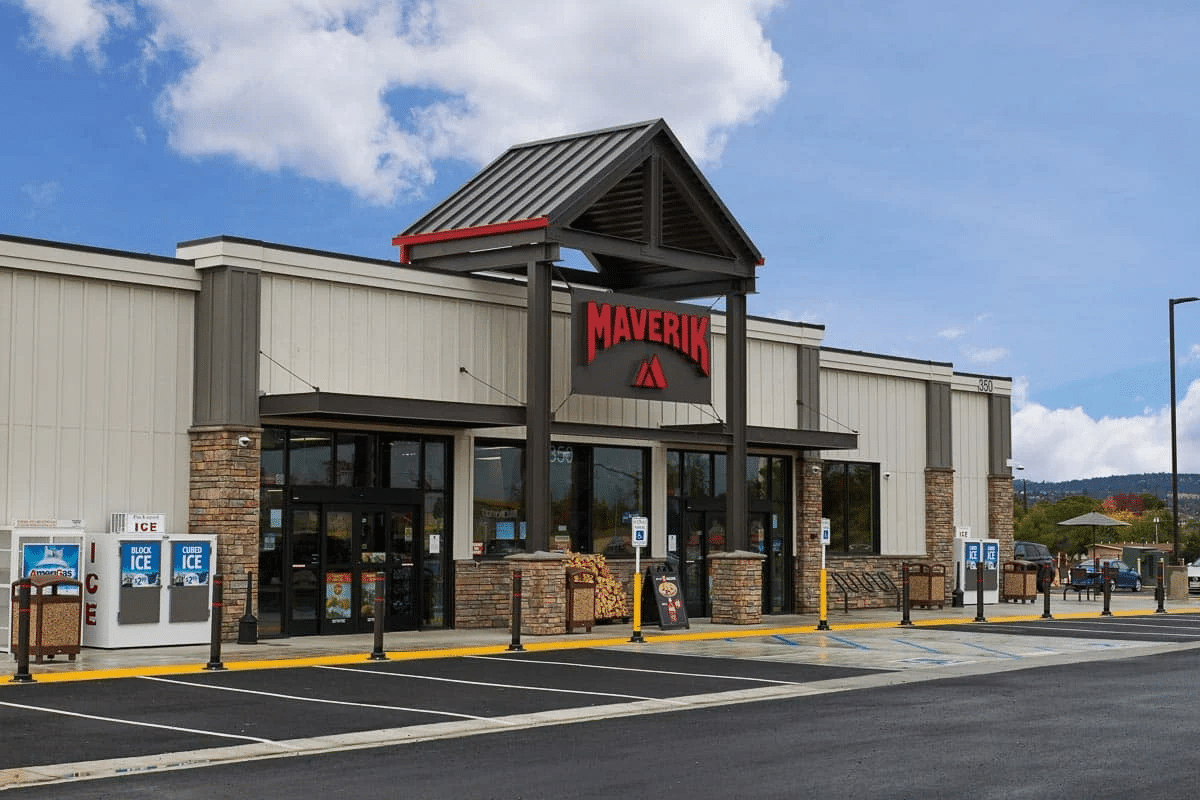
6 Gas Station Chains With Food So Good It’s Worth Driving Out Of Your Way For
We scoured the Internet to see what people had to say about gas station food. If you think the only things available are wrinkled hot dogs of indeterminate age and day-glow slushies, we’ve got great, tasty news for you. Whether it becomes part of a routine or your only resource on a long car trip, we have the food information you need.
Let’s look at six gas stations that folks can’t get enough of and see what they have for you to eat.