

Migraines aren’t just headaches—they’re complex neurological events that affect over 39 million Americans, according to the Migraine Research Foundation. What’s fascinating is how certain foods can either trigger these debilitating episodes or potentially help reduce their frequency.
Research from the National Institutes of Health(NIH) shows that dietary modifications can reduce migraine frequency by up to 40% in some individuals, making food choices a powerful tool in migraine management.
The connection between what we eat and how our brain responds runs deeper than most people realize. The National Institute of Neurological Disorders and Stroke has documented that specific nutrients can influence neurotransmitter production, blood vessel dilation, and inflammation—all key players in migraine development.
Watermelon

This summer fruit’s high water content helps prevent dehydration, a leading migraine trigger that affects headache sufferers, according to research from the National Institute of Health(NIH). Watermelon is composed of about 92% water and provides natural electrolytes, including potassium and magnesium. Even mild dehydration can trigger headaches in susceptible individuals.
Watermelon also contains citrulline, an amino acid that supports healthy blood flow by promoting nitric oxide production. Research from the National Institutes of Health indicates that citrulline helps relax blood vessels and improve circulation, potentially reducing vascular-type headaches. The fruit’s natural sugars provide quick energy without the harsh spike-and-crash cycle of processed sweets.
Pro Tip: Freeze watermelon chunks and blend them into smoothies for a hydrating treat that’s especially soothing during hot weather when dehydration risk increases.
Almonds

These nuts deliver a triple threat against migraines through magnesium, healthy fats, and vitamin E. The National Institutes of Health reports that just one ounce of almonds provides 20% of the daily magnesium requirement, and a deficiency in this mineral is linked to increased headache frequency. Magnesium helps regulate nerve and muscle function while supporting healthy blood vessel tone, both critical for migraine prevention.
Almonds also contain monounsaturated fats that support brain health and reduce inflammation throughout the nervous system. Research by the National Institutes of Health shows that people who consume nuts regularly have lower levels of inflammatory markers in their blood. The vitamin E in almonds acts as a powerful antioxidant, protecting brain cells from oxidative stress that can contribute to neurological dysfunction.
Pro Tip: Keep portioned almond servings in your car or desk drawer for emergency snacks that won’t trigger headaches like sugary alternatives might.
Sweet Potatoes
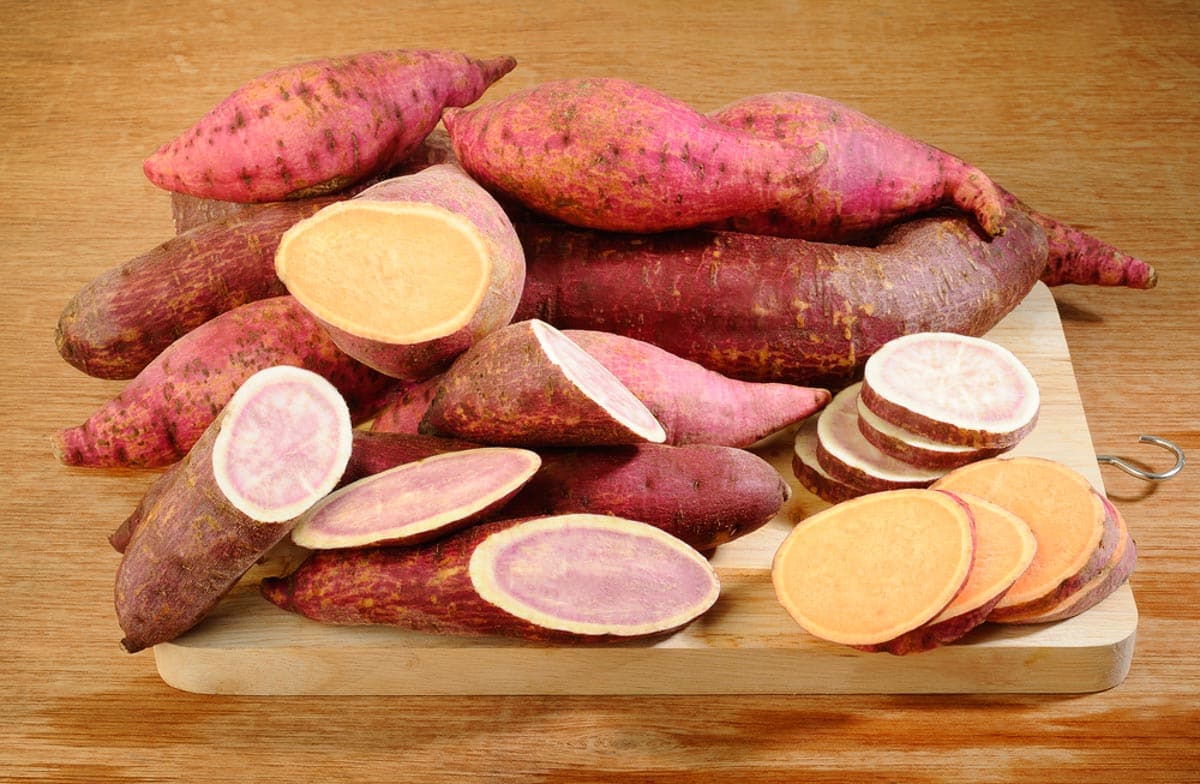
Orange-fleshed sweet potatoes provide beta-carotene and complex carbohydrates that support stable neurotransmitter production. Healthline reports that one medium sweet potato contains over 213% of the daily value for vitamin A, which plays an essential role in nervous system function.
These root vegetables also contain significant amounts of potassium, an electrolyte that helps regulate nerve transmission and muscle contraction. Studies published in the National Institute of Health(NIH) demonstrate that adequate potassium intake supports healthy blood pressure, reducing vascular-related headache triggers.
Sweet potatoes’ natural sugars provide sustained energy without causing the rapid glucose spikes that can destabilize sensitive individuals.
Pro Tip: Roast sweet potato wedges with a drizzle of olive oil and herbs for a satisfying side that won’t spike your blood sugar like regular potatoes.
Ginger

Fresh ginger root contains powerful anti-inflammatory compounds called gingerols that directly target migraine-related inflammation. Clinical trials published in Phytotherapy Research found that 250mg of ginger powder was as effective as 400mg of sumatriptan (a common migraine medication) for treating acute attacks. The root works by inhibiting prostaglandin synthesis and reducing substance P, a neuropeptide involved in pain transmission.
Ginger also helps combat nausea, one of the most debilitating migraine symptoms that affects up to 90% of sufferers, according to the American Migraine Foundation. The National Center for Complementary and Integrative Health recognizes ginger’s antiemetic properties, noting that it can reduce both the severity and duration of migraine-associated nausea.
Fresh ginger provides higher concentrations of active compounds compared to dried or powdered forms.
Pro Tip: Steep fresh ginger slices in hot water for 10 minutes to create a soothing tea at the first sign of migraine symptoms.
Leafy greens

Spinach, kale, and arugula pack a powerful punch against migraines through their high magnesium content. Research by the National Institutes of Health (NIH) notes that people who consume adequate magnesium experience 41.6% fewer migraine days compared to those with deficient levels.
These verdant powerhouses also contain riboflavin (vitamin B2), which the National Institutes of Health recognizes as a proven migraine preventive. Clinical trials show that 400mg of riboflavin daily can reduce migraine frequency by up to 50%. Dark leafy greens provide this essential vitamin alongside folate, which supports proper nerve function and helps maintain stable serotonin levels in the brain.
Pro Tip: Add a handful of fresh spinach to your morning smoothie or toss arugula into your sandwich for an easy magnesium boost without changing your routine.
Fatty Fish

Salmon, mackerel, and sardines contain omega-3 fatty acids that actively combat the inflammatory processes linked to migraines. The Harvard Medical School published findings showing that people consuming omega-3-rich fish three times weekly experienced fewer severe headache days. These healthy fats help stabilize cell membranes in brain tissue and reduce the production of inflammatory compounds called prostaglandins.
Wild-caught fatty fish also provides substantial amounts of coenzyme Q10, a compound that the National Institutes of Health(NIH) associates with improved mitochondrial function in brain cells. Studies indicate that migraine sufferers often have compromised cellular energy production, and CoQ10 supplementation can reduce attack frequency by up to 30%.
Pro Tip: Aim for palm-sized portions of fatty fish twice weekly, and choose wild-caught varieties when possible for higher omega-3 concentrations.
Quinoa

This ancient grain stands out as a complete protein source that won’t trigger blood sugar spikes commonly associated with migraine onset. Research from the National Institutes of Health(NIH) shows quinoa contains all nine essential amino acids, including tryptophan, which helps produce serotonin—a neurotransmitter that regulates pain perception.
Unlike refined grains, quinoa’s complex carbohydrates provide steady glucose release, preventing the dramatic blood sugar fluctuations that can precipitate headaches.
Quinoa also delivers significant amounts of magnesium and riboflavin, the same nutrients that make leafy greens beneficial for migraine prevention.
Pro Tip: Cook quinoa in bone broth instead of water to add extra minerals and create a more satisfying base for grain bowls or side dishes.
Cherries

Tart cherries contain natural melatonin and anthocyanins that can help regulate sleep patterns and reduce inflammation. The USDA’s research indicates that Montmorency tart cherries provide some of the highest natural melatonin concentrations of any food. Sleep disturbances trigger migraines in up to 75% of sufferers according to the National Institute of Health(NIH), making cherries’ sleep-promoting properties particularly valuable.
The anthocyanins in cherries act as powerful anti-inflammatory compounds that can rival some pharmaceutical interventions. Studies from the National Institute of Health show that tart cherry consumption can reduce inflammatory markers by up to 25%. These compounds specifically target cyclooxygenase enzymes involved in pain and inflammation pathways, providing natural relief similar to aspirin’s mechanism of action.
Pro Tip: Drink 8 ounces of tart cherry juice about an hour before bedtime to support both sleep quality and natural anti-inflammatory processes.
Save this article
Avocados

Rich in monounsaturated fats and potassium, avocados support stable blood pressure and healthy brain function. One medium avocado contains more potassium than a banana, providing about 15% of the daily requirement. This electrolyte helps maintain proper nerve transmission and can prevent the vascular changes that contribute to migraine development.
Avocados also deliver significant amounts of folate, a B vitamin that supports neurotransmitter synthesis and homocysteine metabolism. Research from the National Institutes of Health indicates that elevated homocysteine levels correlate with increased migraine risk, particularly in women. The healthy fats in avocados help stabilize blood sugar and provide sustained energy, reducing two common headache triggers.
Pro Tip: Mash avocado with a pinch of sea salt and lime juice for a quick, nutrient-dense spread that won’t cause blood sugar fluctuations.
Yogurt

Plain, unsweetened yogurt provides probiotics and protein that support both gut health and stable blood sugar levels. Research from the National Institute of Health(NIH) shows that the gut-brain axis plays a significant role in neurological health, including migraine susceptibility. The beneficial bacteria in yogurt help maintain intestinal balance and may influence neurotransmitter production.
Greek yogurt’s high protein content helps slow carbohydrate absorption and prevents the blood sugar spikes that can trigger headaches. Protein intake helps maintain stable glucose levels throughout the day. The calcium in yogurt also supports proper nerve function and muscle contraction, both important for headache prevention.
Pro Tip: Choose plain varieties and add fresh berries or a drizzle of honey to avoid the artificial sweeteners and excess sugars found in flavored yogurts.
Oats
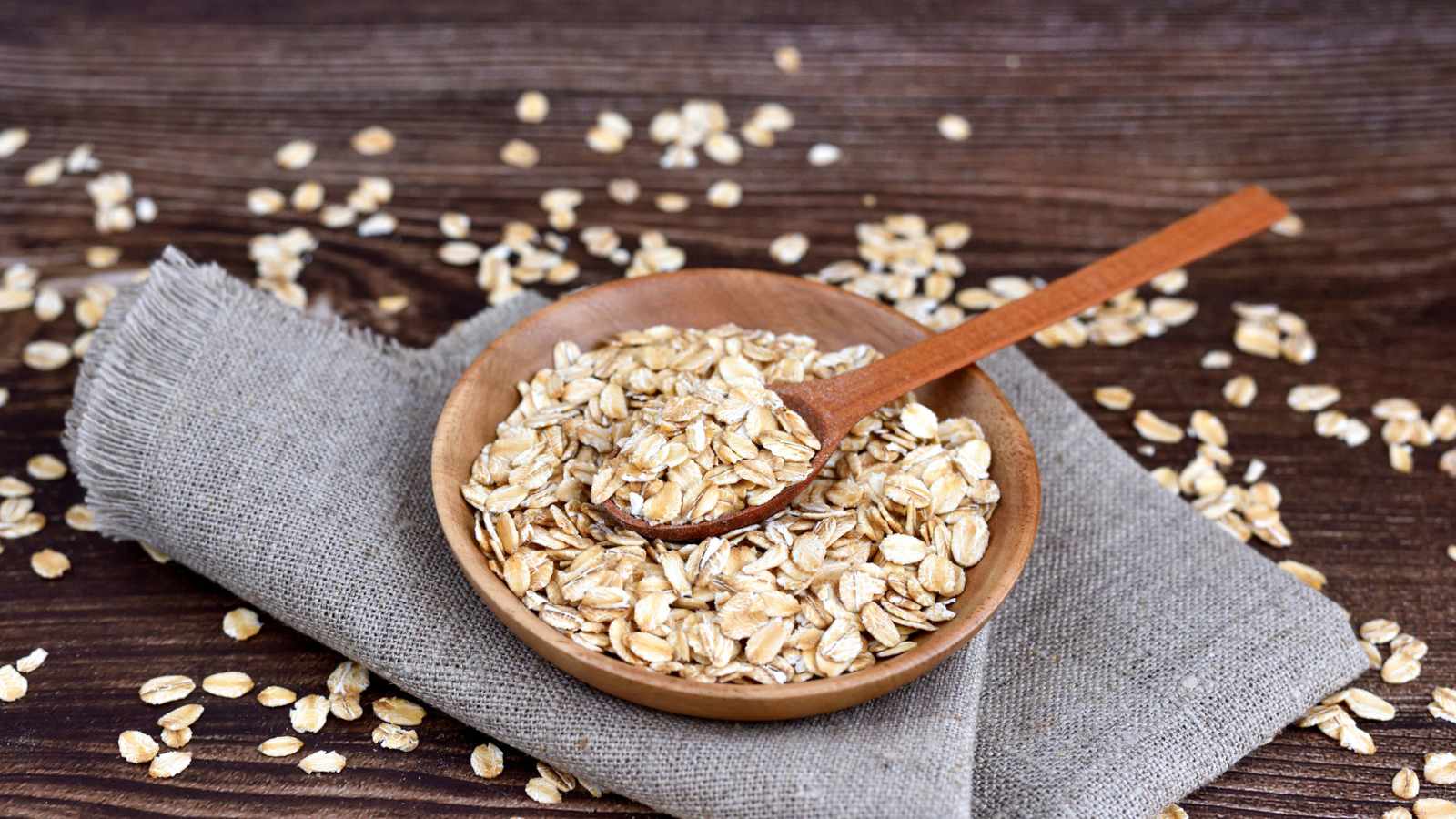
Whole oats provide complex carbohydrates and beta-glucan fiber that promote stable blood sugar and sustained energy release. The National Institutes of Health indicates that oats have a low glycemic index, helping prevent the dramatic glucose fluctuations that can trigger migraines in sensitive individuals. The soluble fiber in oats also supports healthy gut bacteria, which increasingly appears linked to neurological health.
Steel-cut oats contain more protein and fiber than instant varieties, providing longer-lasting satiety and blood sugar stability. The B vitamins in oats, particularly thiamine and niacin, also support proper nervous system function and energy metabolism.
Pro Tip: Prepare overnight oats with almond milk and chia seeds for a grab-and-go breakfast that won’t cause morning blood sugar spikes.
Eggs

Whole eggs deliver complete protein and choline, a nutrient essential for neurotransmitter synthesis and brain function. The National Institutes of Health(NIH) indicates that eggs are one of the richest dietary sources of choline. Choline supports acetylcholine production, a neurotransmitter involved in pain regulation and cognitive function.
Eggs also contain riboflavin and coenzyme Q10, both compounds associated with migraine prevention in clinical studies. Research from the National Institute of Health shows that adequate protein intake helps maintain stable serotonin levels, reducing mood-related headache triggers. The healthy fats in egg yolks support hormone production and help absorb fat-soluble vitamins crucial for neurological health.
Pro Tip: Include the yolk for maximum nutrient density, and pair eggs with vegetables to create a balanced meal that supports long-term satiety.
Bananas

This portable fruit provides potassium, vitamin B6, and natural sugars that support proper nerve function and stable energy levels. WebMD reports that one medium banana contains about 10% of daily potassium needs, an electrolyte important for nerve transmission and blood pressure regulation. Potassium deficiency can contribute to muscle tension and vascular changes associated with headache development.
Bananas also contain tryptophan, an amino acid precursor to serotonin production. Adequate serotonin levels help regulate pain perception and mood stability, both important factors in migraine management. The fruit’s natural sugars provide quick energy during migraine recovery when appetite may be compromised.
Pro Tip: Keep slightly green bananas on hand—they contain more resistant starch, which supports gut health and provides a steadier blood sugar response.
Pumpkin seeds

These small but mighty seeds pack impressive amounts of magnesium, zinc, and healthy fats into each serving. WebMD indicates that just one ounce of pumpkin seeds provides nearly 37% of daily magnesium needs, making them one of the most concentrated sources of this migraine-fighting mineral. The zinc content supports proper immune function and helps regulate inflammation throughout the body.
Pumpkin seeds also contain tryptophan and healthy omega-3 fatty acids that support neurotransmitter production and brain health. Adequate zinc intake correlates with reduced headache frequency, particularly in women. The seeds’ protein content helps stabilize blood sugar and provides sustained energy between meals.
Pro Tip: Roast raw pumpkin seeds with sea salt and spices for a crunchy snack that’s more nutrient-dense than processed alternatives.
Beets

Fresh beets contain natural nitrates that support healthy blood flow and may help prevent vascular-related headaches. Research from the American Heart Association indicates that dietary nitrates can improve circulation by promoting nitric oxide production, which helps relax blood vessels.
The betalains in beets also provide powerful antioxidant and anti-inflammatory effects that protect against cellular damage.
Beets deliver significant amounts of folate, a B vitamin essential for proper nervous system function and homocysteine metabolism. Folate deficiency may increase migraine susceptibility, particularly in individuals with genetic variations affecting folate metabolism. The natural sugars in beets provide steady energy without causing dramatic blood glucose spikes.
Pro Tip: Roast beet slices with olive oil and herbs, or grate raw beets into salads for maximum nutrient retention and natural nitrate content.
Dark chocolate

High-quality dark chocolate (70% cacao or higher) contains magnesium and flavonoids that may help prevent migraines when consumed in moderation. The National Institute of Health(NIH) indicates that dark chocolate provides more magnesium per serving than many nuts and seeds, along with compounds that support healthy blood flow.
However, chocolate can also be a trigger for some individuals, so careful attention to personal response is essential.
The flavonoids in dark chocolate, particularly epicatechin and catechin, demonstrate neuroprotective properties. These compounds help maintain healthy blood vessel function and may reduce inflammation in brain tissue. The small amount of caffeine in dark chocolate can provide mild pain relief for some migraine sufferers.
Pro Tip: Limit portions to one or two small squares and choose brands with minimal added sugar to avoid potential blood glucose spikes while still receiving beneficial compounds.
Disclaimer – This list is solely the author’s opinion based on research and publicly available information. It is not intended to be professional advice.
Like our content? Be sure to follow us.





