

There’s nothing like the moment I packed my bags and moved abroad to suddenly see my home country through a completely different lens. The habits I’d always thought were absolutely “normal” started being greeted with raised brows, polite giggles, or that all-encompassing “wait, you do what?” look from new friends.
Not that I’m saying America is bad or strange, it’s just… fabulously different. The quirks do not always come out until you step out of the bubble. Take, for example, OECD figures show that the average American works 1,796 hours a year. That’s 465 more than German workers, 305 more than French workers, and 179 more even than notoriously work-crazy Japanese.
To top it off, a Gallup survey indicates that more than 50% of full-time American employees regularly work more than 40 hours a week, with 39% working 50 hours or more. Doing that against the EU standard 36-hour workweek, and it’s no wonder Americans abroad begin to question why “vacation” is a swear word back home. Here are more things Americans often overlook as quirky until they live overseas.
Free refills everywhere

In the US, you can’t even finish your soda before a server comes with a refill. Abroad, such extravagance does not usually rule; you have one drink, and that’s what it is. Europeans are especially stunned by the concept of bottomless sweet refills, especially with health concerns of obesity and diabetes.
It is estimated, based on IBISWorld’s 2025 report, that the typical American consumes about 42.2 gallons of soft drinks a year, making America one of the world’s highest per capita consuming nations. In the house, free refills are the norm, but elsewhere, it’s usually considered decadent or even excessive.
The obsession with tipping

Tipping is second nature in America, but elsewhere it seems excessive. Service charges are already included on the bill in most countries, and tipping a few extra coins can be perceived as confusing or even offensive to staff.
Americans don’t realize how exhausting tipping culture is until they move abroad. In 2023, a survey by Pew Research found that 72% of Americans think tipping is “expected in too many situations.” Once you’re abroad, you catch on to the fact that niceness doesn’t have to be so commodified.
Huge grocery store aisles

Step into an American grocery store, and you’ll find entire aisles devoted to cereal, chips, or soda. Abroad, supermarkets tend to be smaller, with a greater focus on fresh produce and local goods.
The U.S. actually boasts one of the world’s highest per capita numbers of supermarkets. It seems usual at home, but when you’re overseas, you understand how paralyzing choice can be. Do we actually need 30 varieties of peanut butter?
Giant portion sizes

When you first have a meal abroad, you may wonder if the restaurant has made a mistake. But no, that is just the regular serving size outside the U.S. Back home, dinner plates are massive, sometimes two or three times the size of a European meal.
Business Insider reports that portion sizes have grown by a staggering 138% since the 1970s. Being abroad makes you realize that maybe you didn’t actually need those bottomless fries, anyway.
Ice in every drink

A super-sized glass brimming with ice is an American classic, yet internationally, it’s wasted. The drink is served room temperature or minimally chilled in most of the world, not diluted by slushy cubes.
Locals often think it’s odd that Americans want ice even in water, no matter the season. This habit is so distinct that it’s become a running joke among international travelers. Abroad, people may even assume you’re American just by the sound of clinking ice in your glass.
Health insurance tied to your job

One of the biggest surprises for American expats is that they are no longer required to tie their healthcare to their employer. In the U.K. or Canada, people can visit their doctor without worrying about losing coverage when they switch jobs.
In the United States, almost 54% of people still rely on employer-sponsored coverage, according to Union Healthcare Insight. If you happen to live in a country with universal healthcare, the American system suddenly sounds very complicated. And quite frankly, it’s stressful too.
Flags everywhere

If you are from America, then you probably don’t even notice how many American flags surround you. They’re often found on the outside of schools, in front of businesses, and sometimes even hanging over porches in residential areas.
However, abroad, constant flag-displaying can become too much, too patriotic. The U.S. Flag Code officially provides guidelines for respectful display, but few people take it seriously. Foreigners are amazed at the amount of national symbolism that Americans wrap around everyday life.
Drive-thru everything

Americans love drive-thru culture, from pharmacies to wedding chapels, even banks. It makes sense in a country built on cars, but abroad, it’s not often that much convenience is experienced. Walking or using public transportation continues to be the dominant mode of transportation in most locales beyond the U.S.
In fact, as of early 2025, the U.S. has approximately 298.7 million registered vehicles, based on Hedges & Company’s automotive market report. This means that drive-thrus are not merely trendy but also convenient. When you exit, you notice how much of American life is designed to happen without ever stepping out of your car.
Constant air conditioning

Americans condition their homes, stores, and offices to very low temperatures, especially in summer. Abroad, a window or even a fan is usually more desirable to be left open. In fact, many countries in Europe consider widespread air conditioning to be wasteful and even harmful to health.
The International Energy Agency approximated that almost 90% of American residences were air-conditioned. Once overseas, you find yourself grabbing a sweater to sit indoors on an American summer holiday.
Taking food to go

Here in America, it’s perfectly normal to take a to-go box after a meal. Abroad, most cultures consider it unusual or even rude to ask for leftovers. Dining is often treated as an experience, not just fuel, so the idea of rushing off with your half-eaten meal doesn’t quite fit.
The American “doggy bag” culture is a combination of convenience and portion size. Abroad, you come to understand that not all meals are portable.
School buses
Save this article
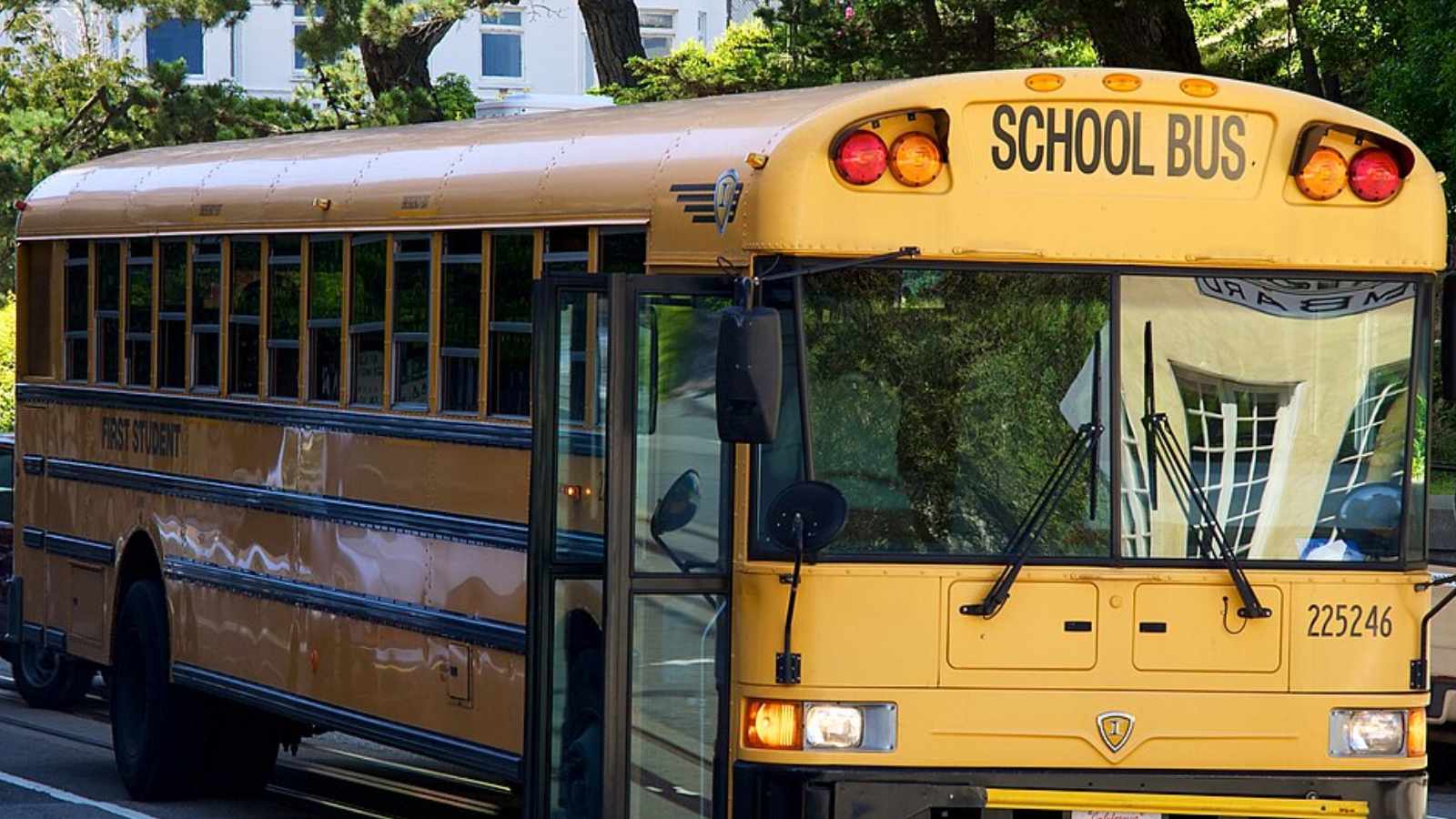
Bright yellow school buses are a common sight in the U.S. every day, but they are not found in most other nations. In many nations, children just take public transportation to school. The yellow bus is so symbolic that it is immediately recognizable as American in films and television series.
According to Mordor Intelligence’s 2025 U.S. School Bus Market report, approximately 26 million children ride 480,000 school buses daily in the United States. Abroad, that setup can appear quaint or just quite peculiarly American.
Sales tax surprises

You believe you know something’s cost until you drive up to the cashier and—bingo!—there is sales tax. Abroad, most destinations include tax in the sticker price, so shopping is easy.
It’s second nature to Americans, but visitors find it baffling and even dishonest. The sales taxes differ immensely depending on the state, creating another layer of unpredictability. Being an expat allows you to appreciate the charm of “what you see is what you pay.”
Working long hours

Americans are known for being hardworking, but abroad, it can look more like overworking. An average American works about 1,811 hours per year, which is more than 1,505 hours in the UK, according to the OECD.
American holidays are brief as well, and everyone is too afraid to take even the number of days they are entitled to. Rest and balance are treated more seriously in other countries. When you’re living abroad in America, American hustle culture can seem overbearing.
College debt as a “normal” life stage

In America, graduating from college with student loans is almost expected. Abroad, many countries subsidize education substantially or even provide it free of charge. America alone has over $1.8 trillion in student loans outstanding, owned by nearly 43 million borrowers, per The Motley Fool.
It’s hard to fathom unless you run into a pal who’s overseas in Europe or Australia and graduates debt-free. Being outside the country makes one think why college must be so pricey.
Wearing shoes indoors

Americans often wear shoes indoors, but abroad, that is considered taboo. Other nations, such as Japan or Sweden, find it sanitary and courteous to remove shoes at the door.
Shoes can carry bacteria, pesticides, and even fecal matter, which lends an aspect of suspicion to the practice. However, in America, most households do not give it a second thought. When you travel elsewhere, you may begin to question the practice.
Obsession with credit scores

Here in America, your credit score determines whether or not you get a car, house, or even a job. Overseas, in most countries, individual credit scores are not applied in the same way. In America, building credit feels like a lifelong chore.
Foreign residents often find the system too complicated at times. You sometimes wonder if financial trust doesn’t have to be reduced to just three numbers.
Key takeaways

Food and dining habits stand out. Giant portion sizes, free refills, ice in every drink, “doggy bags,” and massive supermarket aisles become the norm in America but appear strange or excessive elsewhere.
Everyday systems are uniquely American. School buses that are yellow, unsolicited taxes on sales, tipping, and credit card mania are native to America but are confusing or nonexistent elsewhere.
Lifestyle and comfort norms differ. Around-the-clock air conditioning, shoes indoors, long working days, and employment-based medicine sound silly, unhealthy, or unnecessarily stressful to many foreigners.
Money and education reflect deeper contrasts. Student borrowing, as a phase of life, and the application of credit mechanisms demonstrate the means by which financial pressure in America differs from that in countries with subsidized higher education or simpler banking systems.
Disclaimer – This list is solely the author’s opinion based on research and publicly available information. It is not intended to be professional advice.
16 grocery staples to stock up on before prices spike again
16 Grocery Staples to Stock Up On Before Prices Spike Again
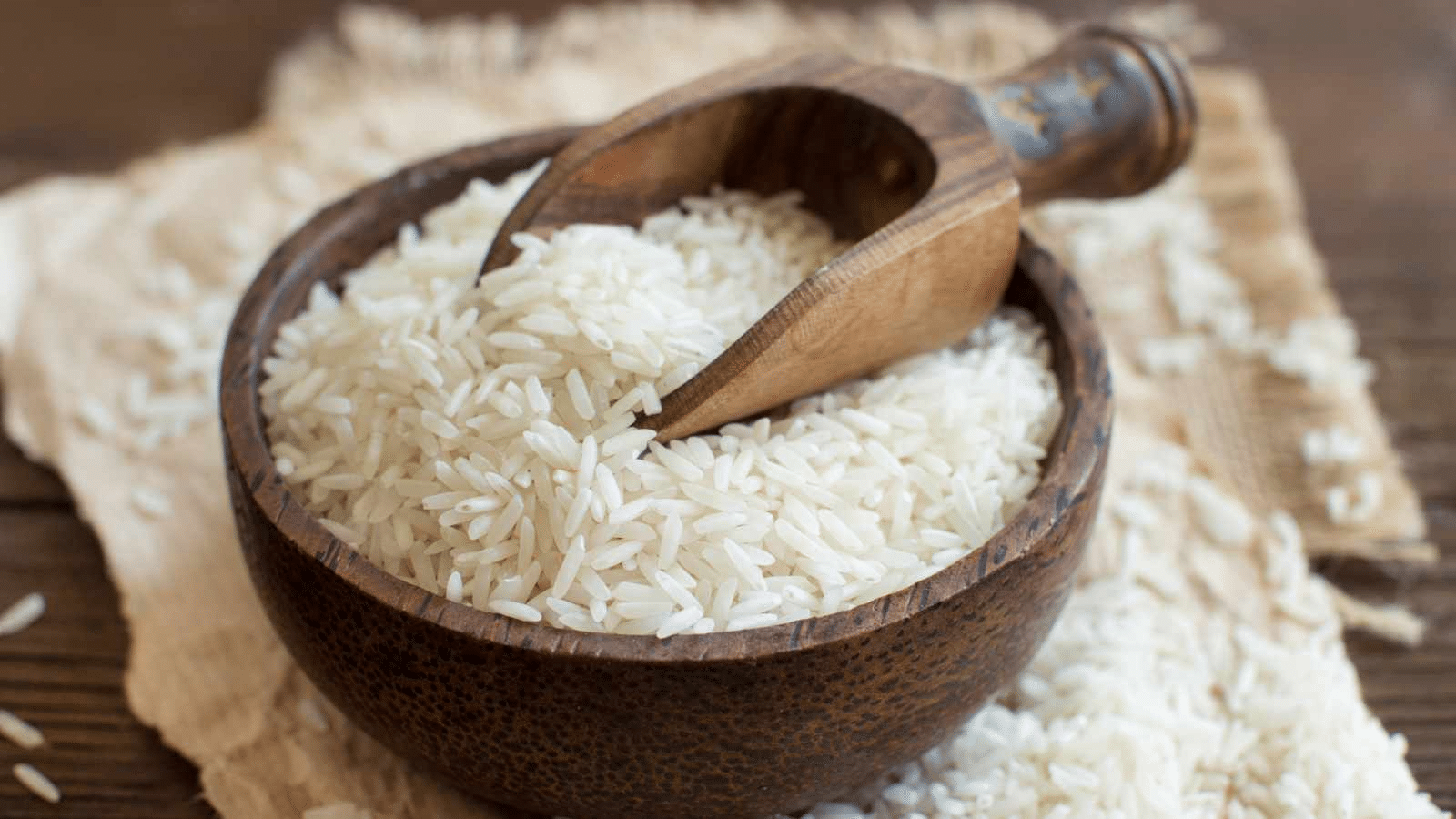
I was in the grocery store the other day, and it hit me—I’m buying the exact same things I always do, but my bill just keeps getting higher. Like, I swear I just blinked, and suddenly eggs are a luxury item. What’s going on?
Inflation, supply-chain delays, and erratic weather conditions have modestly (or, let’s face it, dramatically) pushed the prices of staples ever higher. The USDA reports that food prices climbed an additional 2.9% year over year in May 2025—and that’s after the inflation storm of 2022–2023.
So, if you’ve got room in a pantry, freezer, or even a couple of extra shelves, now might be a good moment to stock up on these staple groceries—before the prices rise later.
6 gas station chains with food so good it’s worth driving out of your way for

6 Gas Station Chains With Food So Good It’s Worth Driving Out Of Your Way For
We scoured the Internet to see what people had to say about gas station food. If you think the only things available are wrinkled hot dogs of indeterminate age and day-glow slushies, we’ve got great, tasty news for you. Whether it ends up being part of a regular routine or your only resource on a long car trip, we have the food info you need.
Let’s look at 6 gas stations that folks can’t get enough of and see what they have for you to eat.





