

Building a decked-out bunker sounds excellent, but most of us don’t have that kind of cash lying around. The good news? Your home is probably already a treasure trove of survival gear.
You don’t need to be a doomsday prepper to have a fighting chance. It turns out, a lot of everyday stuff can be surprisingly helpful when things get… radioactive. Let’s dig through your junk drawer and find the gear that could save your skin.
Bottled water

Okay, this one’s a bit of a no-brainer, but it’s number one for a reason. In a nuclear emergency, the last thing you want to drink is tap water that’s been mingling with radioactive fallout.
Gross. Having a stash of clean, bottled water is critical. If you don’t keep bottled water, start now. You can also store tap water in clean, food-grade containers. Just make sure they’re sealed tight.
Duct tape

Duct tape is basically the Swiss Army Knife of emergency supplies. I’m not even joking here. This stuff can seal cracks around windows and doors to prevent radioactive particles from getting inside your home. You can patch holes in plastic sheeting, fix broken equipment, or even create makeshift bandages if medical supplies run low.
Keep a few rolls handy because trust me, you’ll find a million uses for them. Pro tip: don’t go for the cheap stuff—quality duct tape actually sticks when you need it to. I learned this the hard way during a basement flooding situation.
Emergency blanket or thermal blanket

Those shiny, crinkly blankets you see at marathons? They’re lifesavers. An emergency blanket is designed to retain up to 90% of your body heat, which is critical if you’re in a cold shelter or stuck outside.
Initially developed by NASA in 1964 for space missions, these items are now standard in emergency kits, outdoor gear, and disaster response. They reflect infrared radiation — the heat your body naturally emits — helping to reduce heat loss. They are super lightweight and compact, so there’s no excuse not to have a few.
Canned or shelf-stable food

Remember that can of chili you bought in 2019 and forgot about? It’s your best friend now. When fresh food isn’t an option, non-perishable food is your lifeline.
Think canned goods, pasta, rice, and even those high-calorie Clif bars you take hiking. They provide the energy you need when you can’t pop out to the store.
Plastic sheeting and garbage bags

Those contractor bags sitting in your garage? Gold mine. Heavy-duty plastic sheeting or even thick garbage bags can create a barrier between you and contaminated air. You can tape them over windows, doorways, or air vents to seal off a room.
Having multiple layers is key here. Double up those bags if you need to cover larger areas. The thicker the plastic, the better protection you’ll get. Even regular kitchen trash bags can work in a pinch, though they’re not ideal for long-term use.
N95 masks or respirators

Remember those N95 masks we all hoarded? Well, they’re about to have their second act. They aren’t gas masks, but N95s can filter out radioactive dust and other airborne nasties you really don’t want to breathe in.
A 2025 study found that N95s can block nearly all alpha particles and more than 10% of beta particles, outperforming most other mask materials. They’re a practical and accessible way to protect your lungs.
First-aid kit

Your dinky little first-aid kit with three Band-Aids and an expired aspirin packet won’t cut it. A proper kit is essential for dealing with injuries, which can be common in a chaotic situation.
You’ll want bandages, antiseptic wipes, burn cream, and any personal medications. I always keep a small first-aid manual in mine because, let’s be honest, who remembers how to treat everything under pressure?
Flashlight and extra batteries

Power outages are a given. Trying to navigate your house in total darkness while avoiding tripping over everything is a recipe for disaster.
A reliable flashlight is a must-have, and don’t forget the extra batteries. Better yet, get a hand-crank or solar-powered one so you’re not left in the dark when the batteries run out. Problem solved.
Protective clothing

Fashion goes out the window in an apocalypse. It’s all about function. Long-sleeved shirts, pants, gloves, and sturdy boots help minimize skin exposure to radioactive particles.
It’s also a good idea to have a spare set of clothes you can change into after being outside, sealing the contaminated ones away.
Radio (battery-powered or hand-crank)

Save this article
When the internet and cell service are down, how are you going to get your updates? A battery-powered or hand-crank radio is a critical source of emergency information from the government.
They can receive NOAA weather radio broadcasts, Emergency Alert System (EAS) updates, and local government instructions. It’s the only way you’ll know what’s going on and what to do next. Plus, you might find a station playing some classic tunes to pass the time.
Multi-tool or Swiss Army Knife

A good multi-tool is like having a tiny toolbox in your pocket. Ever tried opening a can of beans without a can opener? It’s not fun.
A Swiss Army Knife or Leatherman is beneficial for opening cans, cutting materials, and making minor repairs. It’s one of those things you don’t realize you need until you really need it.
Matches, lighters, or fire-starters

When the power is out, you’ll need a way to make fire for warmth, cooking, or just a little bit of comfort. I personally prefer waterproof matches because they’re more reliable, but any lighter or fire-starter will do.
You might also need cotton balls and petroleum jelly; they are lightweight, long-burning, and easy to pack and ignite. Just make sure you have a way to get a flame going when you need it most.
Compass and local maps

What happens when your phone’s GPS stops working? You’re not going to be able to rely on Google Maps to get around. An old-school compass and physical maps of your area are crucial for navigation.
It may feel retro, but it’s a skill worth having when technology fails. You can download or order topographic maps directly from the U.S. Geological Survey (USGS), the primary federal source for civilian mapping since 1879.
Whistle

It might seem silly, but a whistle is a powerful signaling device. If you get trapped under debris or lost, a loud whistle can help rescuers find you.
It’s much more effective than shouting and saves precious energy. Plus, it’s small and easy to carry.
Toilet paper and wet wipes

Let’s talk hygiene. In a survival situation, staying clean can be tough, but it’s vital for preventing infections.
Having a stock of toilet paper and wet wipes will make life a whole lot more comfortable and sanitary. Don’t underestimate the morale boost of feeling clean.
Dental floss

Yep, dental floss. Besides keeping your teeth clean (which is essential!), it’s an excellent multi-purpose tool.
You can use it as a strong thread for sewing, for tying things together, or even as a makeshift fishing line. It’s lightweight, strong, and takes up virtually no space. Imo, it’s a must-have.
Disclaimer – This list is solely the author’s opinion based on research and publicly available information. It is not intended to be professional advice.
7 Morning Rituals Women Swear By for More Energy and Confidence

7 Morning Rituals Women Swear By for More Energy and Confidence
Morning rituals don’t have to be complicated. A glass of water, a quick stretch, five minutes with your journal — these small things stack up to create significant change. Women who build these habits aren’t just “morning people”; they’re people who decided to take charge of their first hour of the day.
6 gas station chains with food so good it’s worth driving out of your way for
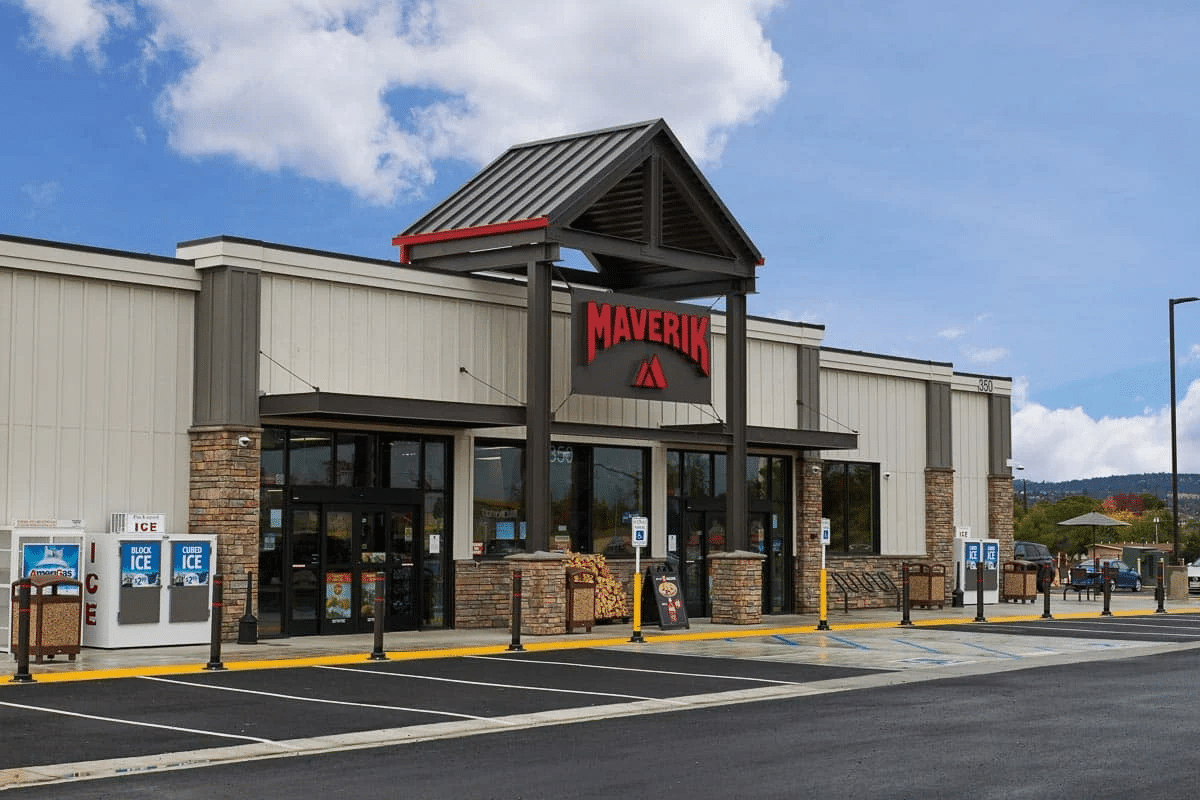
6 Gas Station Chains With Food So Good It’s Worth Driving Out Of Your Way For
We scoured the Internet to see what people had to say about gas station food. If you think the only things available are wrinkled hot dogs of indeterminate age and day-glow slushies, we’ve got great, tasty news for you. Whether it becomes part of a routine or your only resource on a long car trip, we have the food info you need.
Let’s look at six gas stations that folks can’t get enough of and see what they have for you to eat.





