Religion influences cultures globally, but the map of belief is being reshaped in unexpected ways. More people than ever identify as non-religious, atheists, or agnostics, changing the way societies perceive spirituality and religion. Pew Research numbers for 2025 indicate the religiously unaffiliated are growing steadily in more than 35 nations globally.
The movement encompasses a wide range of identities, from skeptics to those who are spiritual but not religious. Generation Z and millennials are the driving force behind growth, fueled by diverse cultural, social, and political reasons.
This listicle examines 17 nations where the most significant percentages of individuals identify as non-believers, as reported in the most recent figures and sociological analysis.
China

China leads with the highest percentage of individuals who indicate that they are atheists or do not identify with any religion, at 90%, according to a 2023 report by the Pew Research Center. The government actively encourages atheism, leading the majority to adopt science and heritage in place of religious ceremonies.
In cosmopolitan cities such as Shanghai, young professionals and technology entrepreneurs are more concerned with moving forward and concrete outcomes. It is this mentality that is carried over into everyday life, with discussions revolving around technology and business rather than spiritual matters.
Rather than scripture, most households pass on Confucian values centered on morality and community harmony.
Vietnam

Vietnam also has a large percentage of non-believers, and a few numbers quoted from the Cultural Atlas survey put the figure as high as 86.3%. There, individuals syncretize pre-existing respect for ancestors with a secular worldview and engage in cultural activities without religious fervor.
You’ll find friends discussing ethics over a cup of coffee, their worldviews based on experience, not scripture. Latest WIN-Gallup information for 2023 stated that 30% of Vietnamese are definite atheists, up from years past. Such unencumbered freedom of mind obviously goes hand in hand with the nation’s prosperity and contemporary status.
Japan

The number of religiously unaffiliated citizens in Japan is approximately 64-65%, according to Zuckerman’s 2024 analysis. Many Japanese practice Shinto, such as visiting shrines during New Year’s, but view these activities as cultural rather than religious practices.
Tokyo’s nightlife, featuring robot shows and karaoke bars, draws more youths than prayer rooms. This humanism has also been reflected in literature and visual arts, which tend to analyze life’s complexities without recourse to the supernatural. The emphasis lies on people, nature, and contemplation.
South Korea

According to the 2021 Korea Comprehensive Social Survey, in 2018, before the COVID-19 pandemic, 48% of the population identified as irreligious; however, this increased to 56% in 2021, indicating an acceleration of declining religious sentiments following the COVID-19 pandemic.
South Korea’s booming culture, driven by K-pop and a booming tech sector, will probably celebrate independence and individual success. Discussions at Seoul’s thousands of cafes will be more likely to revolve around mindfulness apps and career ambitions than scripture.
This is an indicator of a world where individuals find ever more meaning in individual activities and human connections.
Sweden

Sweden’s broad range of estimates ranges from 46% to 85% of atheists or agnostics, according to Zuckerman’s 2024 reports. The life of Stockholm is one of equality, happiness, and nature. The mythical coffee break, “fika,” is where friends, not theology, discuss social matters.
This secular philosophy is evident in the nation’s minimalist aesthetic, liberal social policies, and human-centered solutions that prioritize people over faith.
The Czech Republic boasts one of the highest disbeliever rates in Europe, with 72% of the population revealed to be secular. In Prague, citizens live at a secular pace, where individuals gather in old taverns to discuss history and politics over a beer. The city’s celebrated bridges are crowded with artists and musicians, but not with preachers.
United Kingdom

The 2021 England and Wales Census recorded 37.2% of the population identifying as having no religion. From the theater districts of London to rural backwaters, individuals are uniting and finding purpose beyond mainstream religious organizations.
British irony, characterized by its satirical bite, often mocks religious dogma in secular television shows. The trend is most pronounced among youth, who are spearheading the march toward an increasingly secularized society.
Belgium

A 2022 report by The Brussels Times indicated that about 40% of the population in Belgium identified with non-believers, agnostics, or atheists. Urban life in Brussels is all about shared cultural delights, such as enjoying waffles in a lively square or appreciating fine art.
Dinner conversations are passionate, artistic, and often political in nature. This suggests that it is a humanist society with a strong community culture.
Estonia

Estonia is also a very secular country, and Zuckerman’s 2024 estimates suggest that as much as 70% of the nation can be classified as non-believers. As a technological and innovative leader, society encourages reason and progress-oriented ideas.
Technology startups in the country’s capital, Tallinn, are building an e-society and seeking magic in code rather than prayer. The Estonian affection for the outdoors is manifested in serene walks in the woods and the old saunas, the rooms of contemplative silence and intimacy that have no religious overtones.
Denmark

Denmark has a high percentage of skeptics within its population. Denmark’s concept of “hygge,” which involves creating a sense of warmth and coziness in the company of loved ones, is at the cornerstone of its society. A 2022 Gallup survey found that the non-religious population accounted for 60%.
Copenhagen is based on human-centric planning, from its world-famous bicycle paths to its social policies that support the community. Humans derive joy and companionship from collective experiences and the ordinary.
Save this article
Norway

The United States Department of State’s 2022 International Religious Freedom Report and Statistics Norway state that the majority of Norwegians are irreligious. The percentage of individuals not members of a registered religious or philosophical community is approximately 18.3% as of 2019, and membership in the Church of Norway has been decreasing, with about 61.7% of the population being members as of 2024.
Its breathtaking scenery, from vast fjords to snowy peaks, inspires a sense of wonder that is personal and not necessarily religious. Norwegians’ utilitarian, down-to-earth style appears in their tight-knit communities and effective social safety net. Social events revert to storytelling and appreciation of nature.
Netherlands

According to Gallup’s 2022 reports, 56% of the population in the Netherlands is non-religious. The culture of Amsterdam is renowned for its tolerance and emphasis on individualism. Tulips and symbolic canals, like the ones found in the country, create a setting that celebrates human beauty and imagination.
WIN-Gallup’s 2023 reports register a consistent growth in the number of skeptics. Dutch designers are renowned for their creative and sustainable designs, demonstrating a commitment to contributing to a better world through functional design solutions that promote a more sustainable future.
Australia

The non-religious population in Australia stood at 52% as of 2024, according to CEOWORLD. The Aussie lifestyle is about enjoying the outdoors, ranging from coastal barbecues to surfing along the coast. Pew Research charted a 10-point increase in the unaffiliated population from 2010 to 2020.
Australians are down-to-earth, no-nonsense individuals with a healthy skepticism, a reflection of an independent nation at its core, which influences everything from its politics to its vibrant arts culture.
New Zealand

New Zealand is following its neighbor’s lead with a 52% unaffiliated population, according to a 2022 Gallup survey. Renowned for its stunning beauty and exploratory nature, the nation boasts a self-reliant and individualistic spirit.
According to recent surveys conducted in 2023, young people are playing a significant role in leading this secular revolution. The blending of Maori heritage with contemporary life creates a distinct identity where human relationships and heritage are valued. Kiwis derive inspiration from nature and often live in proximity to their families.
France

France’s “laïcité,” or secularism, is an organizing principle of the country’s national identity, with CEOWORLD writing in 2024 that 51% of its citizens consider themselves non-believing. In Paris, cafe society invites spirited debate about philosophy, art, and politics.
Pew’s 2020 figures witnessed an 8-point increase in the number of the unaffiliated. From its globally famous cuisine to its avant-garde art movements, French culture honors human accomplishment and the pleasures of daily life.
Canada

According to a 2022 Gallup poll, 41% of Canadians describe themselves as non-religious. Multicultural cities in Canada, such as Toronto and Vancouver, are centers of conflicting ideas and solutions. WIN-Gallup sensed a northward orientation in this direction in 2023.
The outdoor love of Canadians, from its rolling plains to the Rockies, contributes to individual and non-institutional spirituality. The identity of the nation is based on pragmatism, community, and tolerance.
United States
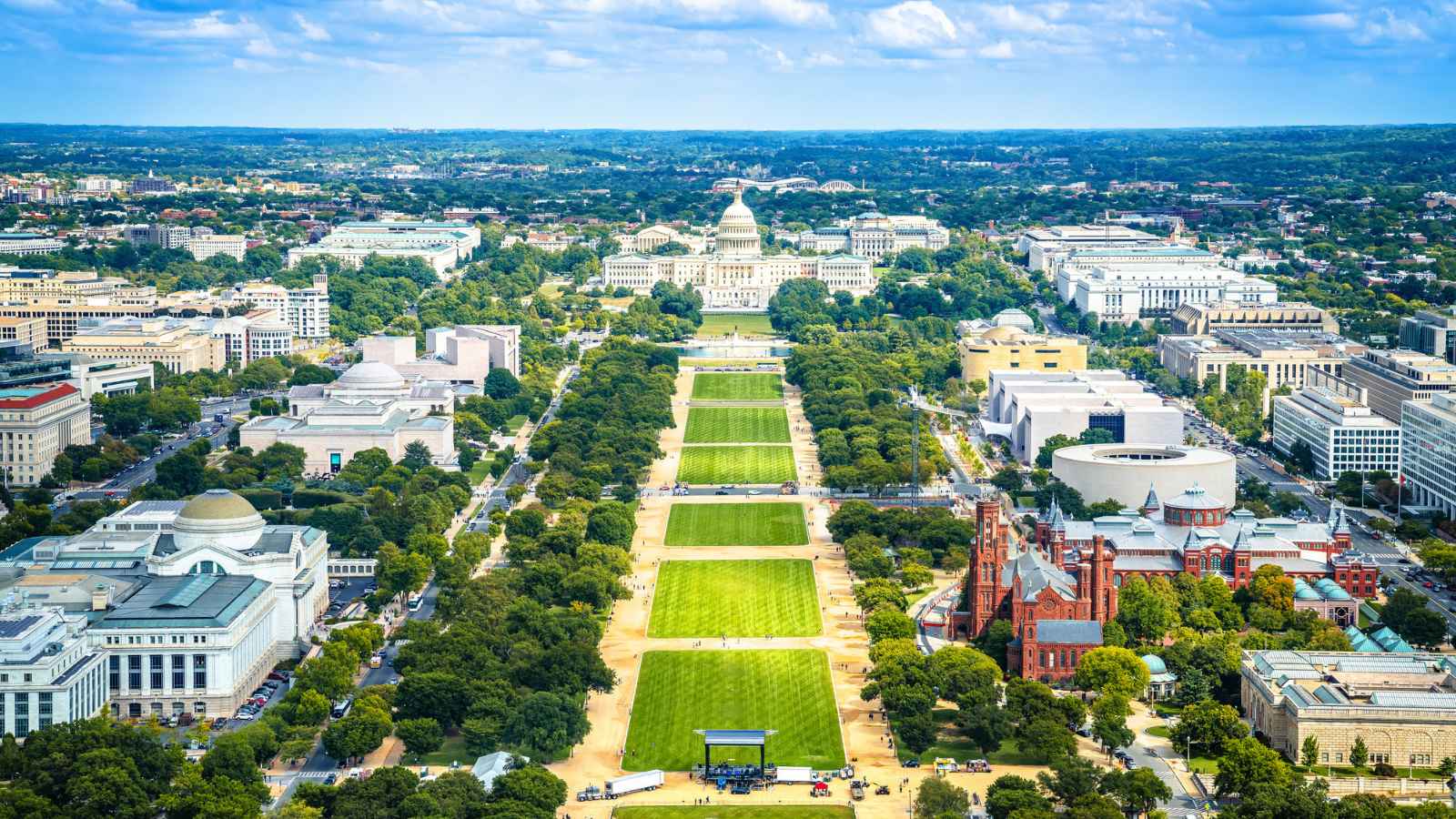
There has been a truly spectacular increase in the religiously unaffiliated population in the United States to 30% by 2020, according to Pew Research. This transformation is particularly evident among the younger populations, with a 2023-24 Religious Landscape Study finding that 40% of young adults self-identify as “nones.”
When technological centers like Silicon Valley and melting pots like New York City exist, skepticism and questioning are encouraged. This expanding non-belief segment is transforming the nation’s social and political landscape.
Key takeaways

Belief in the afterlife is a cross-cultural and cross-religious phenomenon, exhibiting enormous yet significant diversity. The promise of heaven, in contrast to the cycles of reincarnation, directs the way millions find meaning and hope. Within the differences, there are overriding themes of responsibility, spiritual growth, and unity.
Comparing these beliefs fosters a deeper understanding of world religions and our shared quest for what lies beyond life. Regardless of judgment, rebirth, or unity of spirits, life after death is a profound aspect of the human condition.
Disclaimer–This list is solely the author’s opinion based on research and publicly available information. It is not intended to be professional advice.
12 Laws And Rules About Food In Other Countries

12 Laws And Rules About Food In Other Countries
Food is more than just nourishment; it’s a reflection of culture, tradition, and, in many cases, the law. Around the world, various countries have established distinct food regulations that may surprise travelers and food enthusiasts alike.
These laws reveal how deeply societies value what ends up on their plates. Here are 12 fascinating food laws and rules from around the globe that show just how diverse and sometimes unexpected our relationship with food can be.
6 Gas Station Chains With Food So Good It’s Worth Driving Out Of Your Way For

6 Gas Station Chains With Food So Good It’s Worth Driving Out Of Your Way For
We scoured the Internet to see what people had to say about gas station food. If you think the only things available are wrinkled hot dogs of indeterminate age and day-glow slushies, we’ve got great, tasty news for you. Whether it ends up being part of a regular routine or your only resource on a long car trip, we have the food info you need.
Let’s look at 6 gas stations that folks can’t get enough of and see what they have for you to eat.