

A variety of high-fiber foods are emerging as essential allies in achieving lasting fullness and supporting healthy weight management. A study by the National Library of Medicine, involving 39,184 U.S. adults, revealed that consuming at least 20.8 grams of fiber per day is associated with a 26% lower risk of obesity. Those with much lower fiber intake showed higher obesity rates.
Fiber-rich meals prolong satiety, slow down digestion, and naturally reduce overall calorie intake while promoting metabolic wellness. Here are 17 high-fiber foods that support fullness and healthy weight management.
Chia seeds

Chia seeds might look like something you’d sprinkle on your lawn, but these little guys pack nearly 10 grams of fiber per ounce—that’s more fiber than most people eat in an entire day. When they hit liquid, they transform into these gel-like orbs that expand in your stomach, creating that “I’m actually satisfied” feeling that lasts for hours. Research shows people who add chia to their breakfast report lower hunger levels throughout the day, which honestly makes perfect sense when you think about it.
The magic doesn’t stop at fiber, though. Chia seeds are rich in omega-3s and help stabilize blood sugar levels while reducing LDL cholesterol. I love throwing them into my morning smoothie or overnight oats—they turn everything into this thick, pudding-like texture that’s way more filling than regular breakfast fare.
Lentils
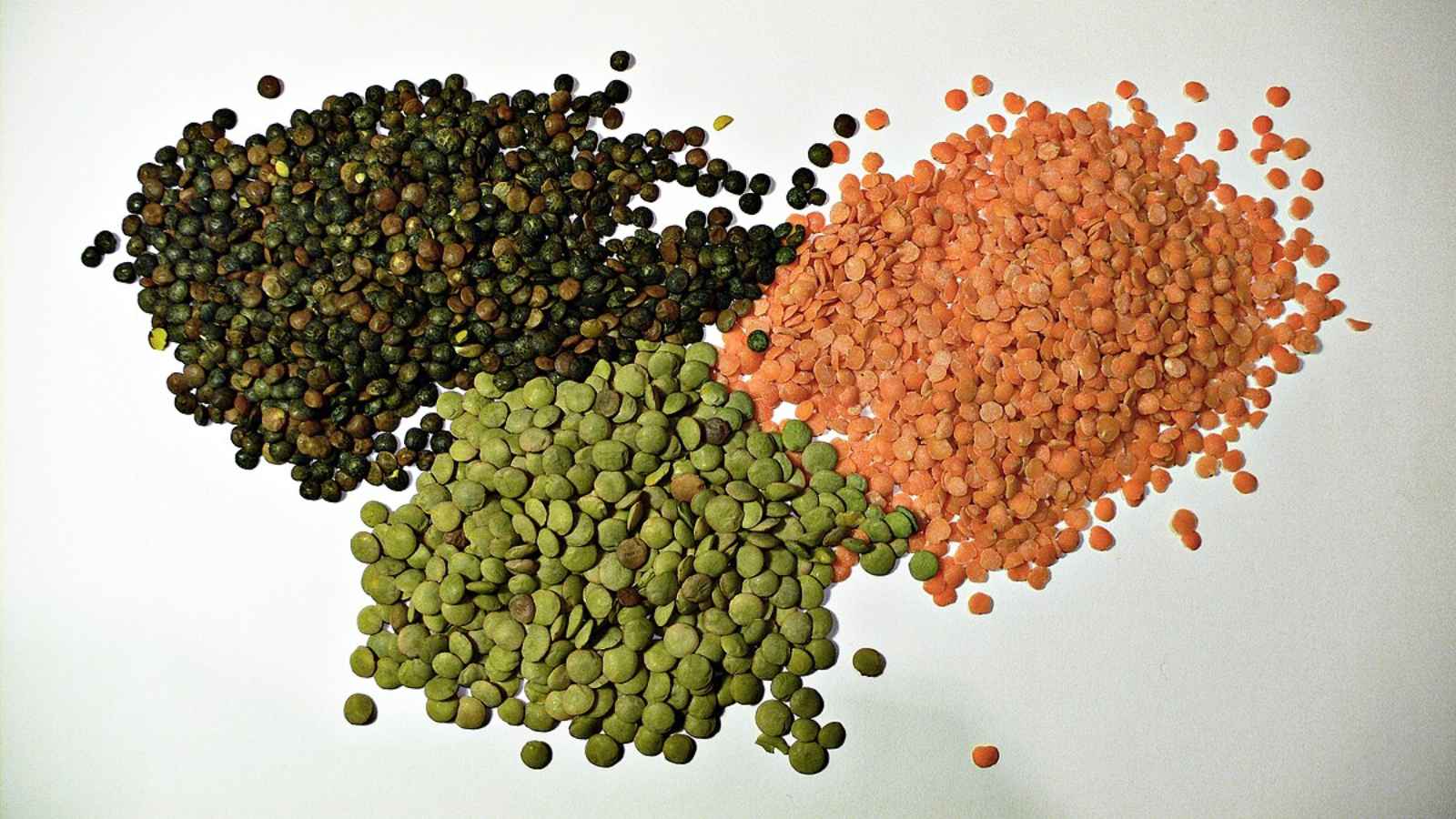
With roughly 15 grams of fiber per cooked cup, lentils are basically the overachievers of the legume world. They don’t just fill you up—they provide steady protein for energy and muscle maintenance, making them perfect for anyone trying to lose weight without feeling weak or tired. People who regularly eat lentils naturally consume fewer calories throughout the day, and honestly, once you start incorporating them into your meals, you’ll understand why.
What I love about lentils is their versatility—you can toss them into soups, salads, curries, or even blend them into burger patties. They’re packed with iron and magnesium, plus those slow-release complex carbs that prevent insulin spikes and keep your energy stable. If you’re following a plant-based diet, lentils are going to be your best friend for staying satisfied while keeping calories in check.
White beans

White beans deliver about 13 grams of fiber per cooked cup, and their creamy texture makes them incredibly satisfying in a way that feels almost indulgent. The soluble fiber forms a gel-like substance in your gut that prolongs fullness and helps stabilize blood sugar—basically, nature’s way of keeping you from reaching for that afternoon snack attack. Scientific reviews have linked regular consumption of white beans to lower abdominal fat and improved weight management outcomes.
These beans are incredibly easy to work with as well. I throw them into salads for extra substance, blend them into creamy dips, or add them to stews for that hearty, stick-to-your-ribs feeling. They’re also rich in plant protein, which enhances their satiety effects and helps maintain your metabolic rate. Some observational studies report that regular consumption of beans, including white beans, is associated with a lower prevalence of metabolic syndrome.
Split peas

Split peas are nutritional powerhouses, providing nearly 16 grams of fiber per cooked cup. Their hearty texture and nutty flavor create exceptional satiety that helps suppress hunger and limit between-meal snacking—something we could all use help with, right? The soluble fiber in split peas slows digestion significantly, which means you stay satisfied longer and avoid those energy crashes that lead to poor food choices.
They’re fantastic in protein-rich soups and curries, and they help manage cholesterol, blood pressure, and insulin resistance—basically supporting your entire metabolic system. The complex carbohydrates also provide sustained energy for active lifestyles, making them perfect for anyone who works out regularly.
Artichokes (Cooked)

Cooked artichokes provide approximately 9.6–10 grams of fiber per cup, making them one of the most fiber-dense vegetables available. Their low-calorie profile means you get maximum fullness with minimal dietary cost—it’s like getting the most bang for your nutritional buck.
What makes artichokes special is their inulin content, a prebiotic fiber that feeds the good bacteria in your gut and may actually decrease your appetite over time. I love them roasted as a side dish or chopped up in salads for extra texture and flavor. They’re also rich in antioxidants and essential minerals that support metabolism, making them a favorite recommendation among nutritionists who are knowledgeable.
Pistachios

Pistachios offer approximately 3 grams of fiber per ounce, along with healthy fats and plant-based protein that work together to support better appetite control. Some studies suggest that pistachios—as snacks—offer similar levels of satiety compared to processed options and may modestly reduce BMI. The fact that you have to shell each one actually works in your favor—it slows down your eating and gives your brain time to register fullness.
They’re packed with magnesium and potassium that aid fat metabolism, and their prebiotic fibers support gut health, which is increasingly linked to better weight outcomes. Pistachios are recommended for their portability and that satisfying crunch that makes healthy snacking actually enjoyable.
Almonds

Almonds deliver roughly 4 grams of fiber per quarter-cup (about 23 nuts), blending nutrient density with steady energy that keeps you satisfied between meals. Several controlled studies show that replacing processed snacks with almonds can lead to reductions in abdominal fat and improvements in cholesterol profiles. The monounsaturated fats help trigger longer-lasting fullness, which translates to less overeating throughout the day.
What I appreciate about almonds is their versatility—they work in both sweet and savory dishes, from morning oatmeal to chicken salad. Daily almond consumption has been shown to increase antioxidant levels in the blood, and they’re a staple in Mediterranean-style diets that are linked to lower obesity rates. The portion control factor is enormous, too—it’s easy to grab exactly 23 almonds and call it a perfect snack.
Flaxseeds

Flaxseeds pack about 5.6 grams of fiber into just two tablespoons, along with a nutty flavor and plant-based protein. They’re also rich in omega-3 fatty acids, which work together to support superior weight management. Several short-term trials have reported that flaxseed-enriched snacks or drinks boost satiety and reduce hunger compared to control options—essentially providing natural appetite control without any unusual side effects.
The soluble fiber in flaxseed forms a thick gel in the digestive tract, promoting lasting fullness while gently cleansing the gut. I always buy ground flaxseed for better absorption and mix it into smoothies, oats, and even baked goods.
Quinoa

Quinoa provides about 5 grams of fiber per cooked cup and stands out as both a complete protein and a filling whole grain—basically the overachiever of the grain world. The fiber supports gut health while slowing the absorption of sugars and fats, promoting steady weight loss.
Quinoa cooks quickly, offers endless meal possibilities, and supports vegetarian or vegan diets with more fullness per calorie. In my opinion, it’s one of the most practical additions you can make to your weekly meal rotation.
Oats
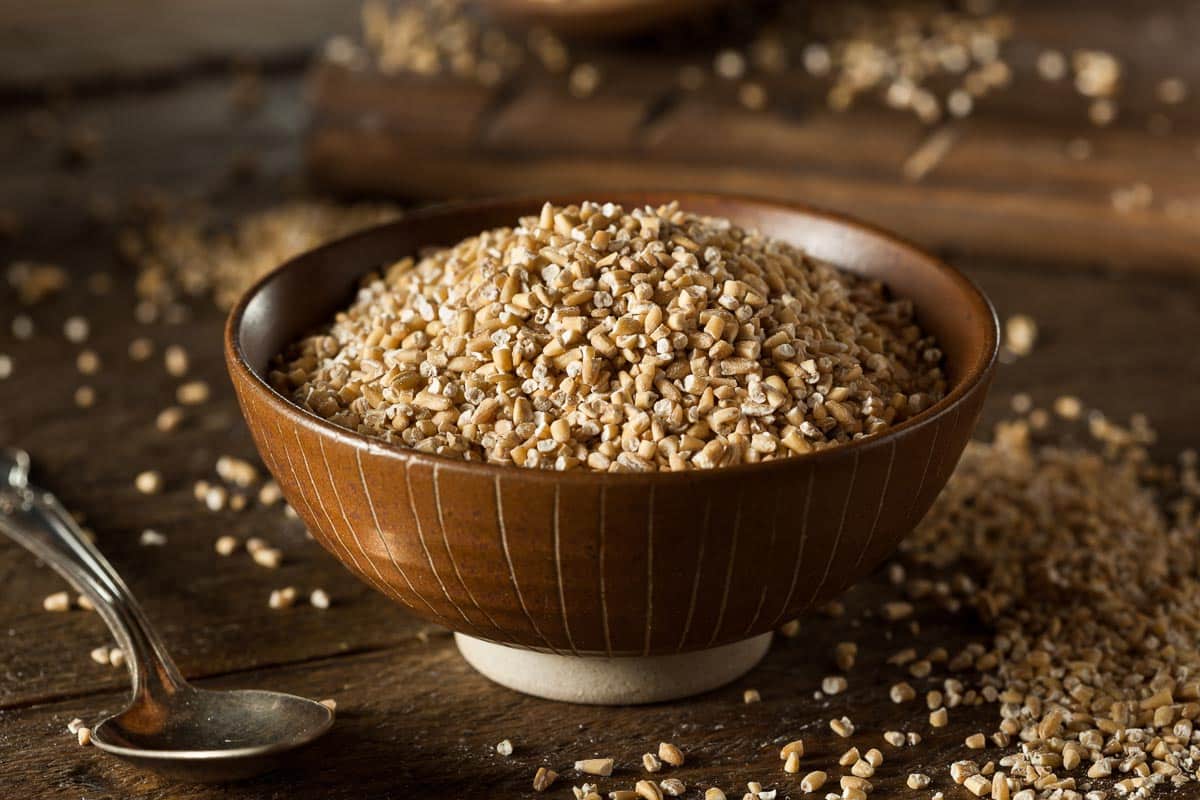
Oats add about 4 grams of fiber per cooked cup, but their signature beta-glucan—a special type of soluble fiber—is what makes them truly exceptional for satiety and steady energy. Oat beta-glucan—a soluble fiber—delays digestion and has been shown in some studies to stimulate satiety hormones like CCK and reduce hunger, sometimes leading to lower calorie intake at subsequent meals.
The complex carbs in oats deliver gentle energy without blood sugar spikes, which is crucial for maintaining lasting fullness. They’re also linked to reductions in LDL cholesterol and belly fat, with meta-analyses showing improved metabolic health after just 4 weeks of regular consumption. I love the versatility—overnight oats, smoothie additions, savory oatmeal bowls, or even blended into pancake batter for extra substance.
Bulgur

Bulgur wheat offers about 8 grams of fiber per cooked cup, providing a quick-cooking, hearty base that transforms any meal into something more satisfying. Its fluffy texture and mild flavor work perfectly in salads, pilafs, and grain bowls.
Clinical guidelines highlight bulgur as a staple in Mediterranean diets, which are consistently linked to lower obesity and heart disease rates. The fiber slows carbohydrate digestion and extends energy release for hours, making it perfect for meal prep. What I appreciate most is how quickly bulgur cooks—you can have a filling, nutritious base ready in about 15 minutes, making healthy eating way more accessible on busy days.
Raspberries

Raspberries contain approximately 8 grams of fiber per cup, making them one of the top fruits for enhancing satiety and supporting weight loss. Their antioxidants and soluble fiber work together to promote better metabolic health and help stabilize blood sugar levels.
I love using raspberries as a dessert swap when I’m craving something sweet—they add vibrant color and sweet-tart flavor to breakfasts, snacks, and healthy desserts without the sugar crash. They’re high in Vitamin C and polyphenols that aid immunity and workout recovery. Their fiber content also supports gut health, which has lasting effects on appetite regulation and nutrient absorption.
Blackberries

Blackberries come packed with 7–8 grams of fiber per cup while delivering juicy flavor with very few calories—it’s like nature’s candy that actually helps you lose weight. Their antioxidant capacity earns top marks for supporting digestive wellness and reducing inflammation throughout the body.
The fiber in blackberries supports better blood sugar balance and reduces cravings throughout the day. This is incredibly helpful for anyone trying to maintain consistent energy levels. I love sprinkling them over yogurt, blending them into smoothies, or tossing them in salads for a fiber and nutrient boost.
Avocado

Avocados offer 5–10 grams of fiber per fruit, depending on size, and combine this with heart-healthy fats to create exceptional satiety that lasts for hours. Controlled dietary trials show that including avocado in meals enhances feelings of fullness and reduces hunger for several hours—basically, adding avocado to your meal helps prevent overeating later. The creamy texture and mild flavor make it incredibly easy to incorporate into salads, sandwiches, and smoothies.
What’s particularly impressive is that avocados are high in potassium and antioxidants that help manage metabolic health and may promote belly fat reduction. Consuming just one avocado daily can help improve cholesterol levels and support digestive regularity.
Broccoli

Broccoli delivers approximately 5 grams of fiber per cup cooked, offering a filling, low-calorie way to bulk up any meal without adding excess calories. The high fiber content supports beneficial gut bacteria, creating a positive ripple effect for immunity and reducing inflammation throughout the body.
I find that steamed broccoli pairs well with proteins and grains, making it a straightforward choice for satisfying lunches or dinners. Its vitamin C content and antioxidants help detox the body while supporting overall wellness.
Sweet potato

Sweet potatoes provide roughly 4 grams of fiber per medium piece, along with vitamins and minerals. They also contain slow-digesting carbs that promote fullness while supporting energizing weight loss. Their high beta-carotene and potassium content actively support metabolism and enhance satiety.
What makes sweet potatoes particularly valuable is their ability to regulate blood sugar, making them an excellent base for healthful, satisfying meals that won’t leave you crashing later. I love roasting, mashing, or baking them for variety while keeping fiber intake high. Nutritionists often recommend pairing sweet potatoes with lean proteins or healthy fats to amplify their natural filling power and create more balanced meals.
Popcorn (Air-popped)

Air-popped popcorn boasts about 3.5 grams of fiber for every 3-cup serving. This makes it a surprisingly smart, low-calorie snack option for enhancing fullness and supporting fat loss goals. The bulk and volume naturally slow your eating speed, giving your brain time to register fullness before you overdo it.
The whole-grain structure of popcorn supports gut health and digestion while promoting weight management in a way that feels more like treating yourself than dieting. I keep air-popped varieties on hand for late-night cravings when I want something crunchy and satisfying. Replacing oily, buttered versions with air-popped ones ensures you get all the fiber benefits without unnecessary calories that can derail your progress.
Disclaimer – This list is solely the author’s opinion based on research and publicly available information. It is not intended to be professional advice.
16 Grocery Staples to Stock Up On Before Prices Spike Again
16 Grocery Staples to Stock Up On Before Prices Spike Again
I was in the grocery store the other day, and it hit me—I’m buying the exact same things I always do, but my bill just keeps getting higher. Like, I swear I just blinked, and suddenly eggs are a luxury item. What’s going on?
Inflation, supply-chain delays, and erratic weather conditions have modestly (or, let’s face it, dramatically) pushed the prices of staples ever higher. The USDA reports that food prices climbed an additional 2.9% year over year in May 2025—and that’s after the inflation storm of 2022–2023.
So, if you’ve got room in a pantry, freezer, or even a couple of extra shelves, now might be a good moment to stock up on these staple groceries—before the prices rise later.
6 Gas Station Chains With Food So Good It’s Worth Driving Out Of Your Way For

6 Gas Station Chains With Food So Good It’s Worth Driving Out Of Your Way For
We scoured the Internet to see what people had to say about gas station food. If you think the only things available are wrinkled hot dogs of indeterminate age and day-glow slushies, we’ve got great, tasty news for you. Whether it ends up being part of a regular routine or your only resource on a long car trip, we have the food info you need.
Let’s look at 6 gas stations that folks can’t get enough of and see what they have for you to eat.