

As life expectancy rises and healthcare advances, the number of centenarians in the U.S. is expected to increase dramatically in the coming decades. These individuals don’t just represent longevity—they offer valuable life lessons grounded in experience and wisdom.
Reaching 100 is a remarkable feat, a journey through a century of serious change, personal development, and acquired wisdom. The U.S. Census Bureau projects the number of American centenarians (people 100 or older) will rise from about 100,000 to approximately 422,000 by 2054, a trend driven by increased life expectancy and advancements in healthcare.
These seniors offer more than a testament to longevity; they are living encyclopedias with valuable insights into how to overcome challenges, find happiness, and live well.
Their advice tends to avoid fleeting trends and instead confront the timeless truths of human nature.
By reading about their lives, we might learn something helpful and profound that can enrich our own. Here are 17 solid life lessons from Americans who have lived past their 100th birthday.
Have a Sense of Humor

Laughter is a constant friend to many of the longest-living. Centenarians often attribute their ability to see the humor in life’s most mundane moments as one of the secrets to their longevity.
They understand that life has its challenges, and a good laugh is an excellent way to diffuse tension, shift one’s perspective, and bring people together. It is not avoiding life’s ailments but experiencing the laughter in less-than-perfect moments.
Keep on Asking and Learning

One of the common strands that can be found in centenarians’ narratives is a persistent curiosity. They continued to learn, whether by acquiring new skills, reading avidly, or staying up-to-date with the times.
Life for them was a constant search for new knowledge, and this mental activity helped keep their minds alert and their spirits young. They perceived the world with wonder, always seeking to learn something new.
The message is clear: an inquiring, active mind is a cornerstone for a long, joyful life.
Forgive and Let Go of Grudges

Resentment and grievances are a heavy weight to bear, and those who live to be 100 have found how to lay them down. They speak a great deal about forgiveness, both forgiveness of others and forgiveness of self.
They know that grievances only spoil your own happiness and that letting them go is an act of self-protection. This is not promoting hateful behavior, but letting go of their emotional hold.
The price of anger in emotional harm is well-established. Chronic anger leads to heightened inflammation, high blood pressure, and heart disease. Centenarians recognize this instinctively and choose peace over ongoing conflict.
They teach us that forgiveness is something you bestow upon yourself, which permits the release of emotional energy to focus on positive relationships and present joys.
Find Your Purpose

Something to look forward to in the morning is a great motivator for longevity. For most centenarians, the purpose shifted over time, from family and work to volunteering, mentoring, or pursuing a hobby.
A sense of purpose brings structure, meaning, and forward thinking to life. This philosophy, known as “ikigai” in Japanese culture, is the central theme of the world’s longest-lived communities.
Purpose serves as an emotional buffer against stress, imbuing life with meaning beyond mere daily existence.
Move Your Body Every Day

You won’t find many centenarians who were lifelong marathoners, but you will find people who had natural movement as part of their daily lives. They gardened, cooked, cleaned house, and walked.
Their exercise was not a choreographed, high-intensity workout, but rather a low-grade, constant activity that was part of their daily routine. They remained mobile and strong by simply staying active.
Discovering fun ways of moving your body every day is more lasting and healthy than infrequent, intense exercise.
Nurture Your Social Connections

Close relationships are a commonality among the world’s centenarians. Centenarians all prioritize family, friends, and community. They all worked at maintaining their social connections throughout their lives, aware that they provided emotional support, a sense of belonging, and a reason to stay active.
Investing time and energy in relationships is an investment in your long-term health.
Don’t Sweat the Small Stuff

After living for a century, one gains a unique perspective on what truly matters. Centenarians often advise younger generations not to worry excessively about minor setbacks or daily annoyances.
They have weathered wars, economic depressions, and personal losses, which have taught them to distinguish between genuine crises and temporary inconveniences. This ability to maintain perspective is a powerful stress-management technique.
This is emotional regulation. By choosing not to get upset about minor stressors, they reserve their mental and emotional energy for greater challenges. They teach us how to ask a simple question in the midst of frustration: “Will this matter in a year? Or even a week?” Nine times out of ten, the answer will be no.
Be Independent, But Know When to Ask for Help

A fierce independence characterizes most individuals who reach the age of 100. They take pride in their ability to care for themselves and accomplish things independently. But this independence is balanced with a keen sense of their own limitations.
They are not too proud to accept help when it is needed, viewing it as a means to maintain their independence elsewhere. This equilibrium is the secret to successful aging.
Refusing assistance stubbornly may lead to accidents, isolation, or disease. True independence is not about doing everything yourself; it’s about having the wisdom of knowing when assistance is required.
Centenarians teach us that interdependence is a sign of strength, not weakness.
Enjoy the Simple Things

In a culture that often glorifies great achievements and material wealth, centenarians teach us the value of being content with the little things. They tell with fondness of simple pleasures: a good cup of coffee, a visit with a friend, a sunset, or a home-cooked meal.
Their longevity has taught them that happiness is not a destination but an accumulation of these invaluable, ordinary moments. This is mindfulness, being present and grateful for where you are at any moment.
It brings a sense of thankfulness for what you have, rather than greedily wanting what you do not. This gratitude for the little things produces a renewable and cheap source of happiness throughout one’s lifespan.
Adapting to Change

Anyone who has reached the age of 100 has witnessed an enormous amount of change, from technological developments to profound cultural transformations. Adaptability is one of the keys to their survival.
Rather than resisting change, they adapted, changed their ways, and found new means to persevere in a constantly changing world. This mental flexibility is a key survival skill.
Save this article
Resilience is not rigidity; it is the capacity to bend without breaking. Centenarians are a case in point, having managed to adapt to individual and societal change with style and practicality.
Practice Moderation

The old adage “everything in moderation” is a thread of consistency in the wisdom of centenarians. They don’t tend to embrace fad diets or way of life. They treat themselves to a slice of birthday cake, drink a glass of wine with dinner, and don’t obsess over every calorie.
They take on a sustainable and balanced approach, avoiding the extremes of excess and strict limitation. This philosophy is applied not only to food and drink, but also to work, stress, and exercise.
They instinctively understand the importance of balance in all areas of life. By avoiding extremes, they create a lifestyle that is both healthy and pleasurable in the long term, reducing the overall amount of stress on their mind and body.
Have Faith in Something

For the majority of centenarians, religion, whether religious, spiritual, or philosophical, is a significant source of comfort, hope, and social support. Religion provides a framework for understanding life’s issues and offers a sense of peace amidst uncertainty.
Regular attendance at religious services is also discovered to correlate with an expanded social network and decreased symptoms of depression. Even for the secular-minded, believing in something more than oneself can be beneficial.
This can be commitment to a cause, a feeling of connection with nature, or an inner set of personal ethics. This sense of faith provides one with a sense of anchor, helping them weather life’s storms with purpose and determination.
Get Enough Sleep

The worth of sleep is one that many centenarians learned early in life. They often speak about the merit of a steady sleeping pattern and the curative powers of a good night’s rest.
In a culture that often emphasizes “hustle” and working late into the night, their wisdom serves as a much-needed reminder that sleep is not a luxury, but a biological necessity.
Sleep is crucial for brain operation, immune function, and body repair. Chronic sleep deprivation is linked with a full list of medical problems, from cardiovascular disease and diabetes to dementia.
Sleeping well is one of the most beneficial things you can do for your health.
Be Kind

Kindness is a little, ingrained virtue many centenarians possess and pass on. They have seen what acts of kindness can do in closing gaps, repairing fences, and making good ripple effects in society.
They understand that how you treat people shows what is in your character and what is in your legacy. The act of kindness helps the giver as well. Being kind helps to increase levels of serotonin and dopamine, which are “feel-good” chemicals of the brain.
Kindness also helps reduce stress levels and provides a sense of belonging. Centenarians teach us that one of the simplest ways to add richness to our own lives, as well as to those of others, is to be kind.
Spend Time in Nature

The majority of the oldest Americans have a deep and lasting connection with nature. They spent time outside, either working in a garden, taking a walk in a park, or simply sitting on a porch, taking in the fresh air.
They were comforted, put into perspective, and revitalized by the presence of nature.
This interaction is increasingly recognized for its health benefits. Spending time in nature, or so it’s called “ecotherapy,” has been proven to reduce stress levels, boost mood, and sharpen the mind.
Just being engaged with the outdoors provides a powerful antidote to the pressures of modern living.
Don’t Be Afraid to Be Yourself

After living for a century, the pressure to conform to others’ expectations tends to fall away. Centenarians often display a refreshing authenticity and a willingness to speak their minds.
They have learned that trying to be someone you’re not is an exhausting and unfulfilling pursuit. Their long lives have given them the confidence to be unapologetically themselves.
This authenticity is freedom. It opens us up to more profound and genuine relationships, as well as a greater inner peace. They teach us not to waste time on pretense and to love the quirkiness that makes us unique.
True happiness comes from self-acceptance, not other people’s opinions.
Live in the Present

The most important lesson to be learned from individuals who have reached 100 is to be present. They do not indulge in ruminating over past regrets or worry too much about the future. They have accepted and relished the present gift.
Their longevity has taught them that the present moment is the only moment we possess. This “now” mindset enables them to live each day and appreciate every experience, regardless of their age or physical limitations.
They enjoy their lives and interactions, living one day at a time with an attitude of gratitude. They show us that life is not practice and that the secret to a long, contented life is to live every day to its maximum potential, day by day.
Key Takeaways

America’s centenarians’ wisdom outlines a bright and empowering road to a better life.
Optimism is a strong force. Humor, gratitude, and forgiveness are not passive emotions; they are good choices that build strength and joy.
Stay engaged in life. Continued learning, meaning, and social connectivity are all important drivers of mental and spiritual well-being.
Balance is key. Moderation in everything, from diet to stress, builds a long-term lifestyle that maximizes health and happiness.
Simple habits make a big difference. Every-day movement, sound sleep, and kindness are basic practices that are the cornerstone of a long and healthy life.
Disclaimer – This list is solely the author’s opinion based on research and publicly available information. It is not intended to be professional advice.
6 gas station chains with food so good it’s worth driving out of your way for

6 Gas Station Chains With Food So Good It’s Worth Driving Out Of Your Way For
We scoured the Internet to see what people had to say about gas station food. If you think the only things available are wrinkled hot dogs of indeterminate age and day-glow slushies, we’ve got great, tasty news for you. Whether it ends up being part of a regular routine or your only resource on a long car trip, we have the food info you need.
Let’s look at 6 gas stations that folks can’t get enough of and see what they have for you to eat.
16 grocery staples to stock up on before prices spike again
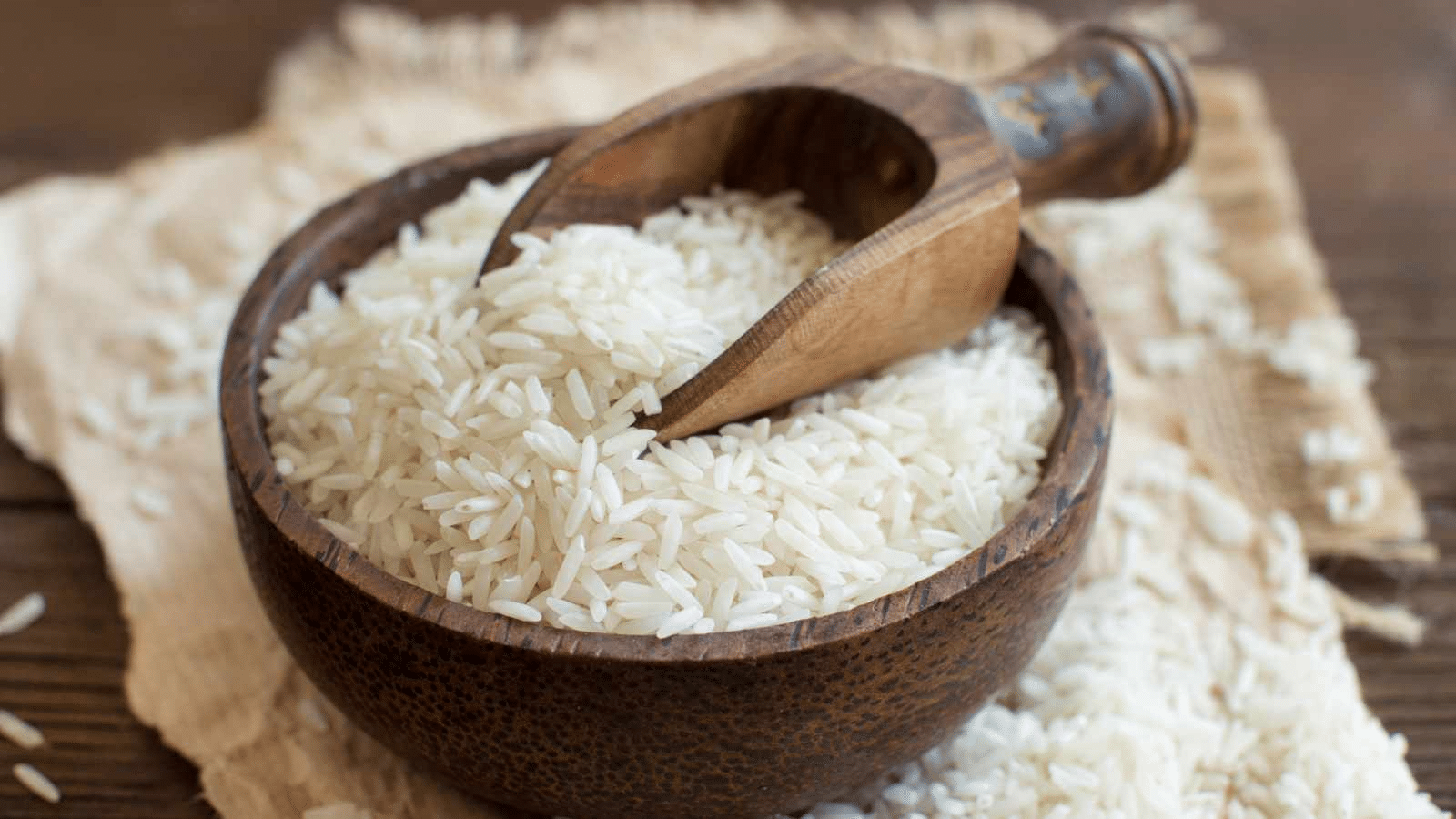
16 Grocery Staples to Stock Up On Before Prices Spike Again
I was in the grocery store the other day, and it hit me—I’m buying the exact same things I always do, but my bill just keeps getting higher. Like, I swear I just blinked, and suddenly eggs are a luxury item. What’s going on?
Inflation, supply-chain delays, and erratic weather conditions have modestly (or, let’s face it, dramatically) pushed the prices of staples ever higher. The USDA reports that food prices climbed an additional 2.9% year over year in May 2025—and that’s after the inflation storm of 2022–2023.
So, if you’ve got room in a pantry, freezer, or even a couple of extra shelves, now might be a good moment to stock up on these staple groceries—before the prices rise later.