

With nearly one in five packaged foods containing synthetic food dyes, efforts to remove petroleum-derived color additives could trigger one of the biggest food reformulations in decades.
Remember when your biggest grocery store decision was choosing between paper and plastic? The next change could be happening right in your pantry. Federal health officials have pushed food manufacturers to move away from several petroleum-based synthetic dyes, prompting companies across the industry to rethink how some of America’s most recognizable foods and beverages get their signature colors.
The dyes under scrutiny include Red 40, Yellow 5, Yellow 6, Blue 1, Blue 2, Green 3, Citrus Red 2, and Orange B. Some manufacturers have already begun reformulating products, while others are exploring alternatives derived from fruits, vegetables, spices, and other natural sources.
The shift could affect everything from breakfast cereals and sports drinks to candies, snacks, and desserts. According to research published in the Journal of the Academy of Nutrition and Dietetics, roughly 19% to 20% of packaged foods and beverages sold in the United States contain synthetic color additives. That means consumers may soon notice changes in the appearance of many familiar products.
American children have been “living in a toxic soup of synthetic chemicals.”
FDA Commissioner, Dr. Marty Makary
Those vibrant reds, blues, yellows, and greens don’t occur naturally in most processed foods. Instead, they are created through chemical manufacturing processes, historically using petroleum-derived ingredients. As companies transition to alternative color sources, some foods may look slightly different on store shelves, even if their flavors remain largely unchanged.
Whether you see the change as long overdue or simply another evolution in food manufacturing, one thing is clear: the rainbow-bright look of many processed foods may soon become a little less artificial.
M&M’s
Let’s start with the obvious one—M&M’s. These little candy-coated chocolates have been melting in our mouths (not our hands) since 1941, but their signature rainbow depends entirely on Red 40, Yellow 5, Yellow 6, Blue 1, and Blue 2. Without these synthetic dyes, we might be looking at some pretty bland-looking candies.
Mars, the company behind M&M’s, uses synthetic dyes in about 52% of its products—so they’ve got some serious reformulating to do. Natural alternatives exist, but will they create that same vibrant appeal that makes kids (and let’s be honest, adults) gravitate toward the colorful treats?
Skittles
“Taste the Rainbow” might need a new slogan soon. Skittles rely heavily on Red 40, Blue 1, Yellow 5, and Yellow 6 for their eye-catching spectrum. These synthetic dyes don’t actually contribute to the flavor. They are purely cosmetic.
Why do European Skittles look slightly different? They already use natural colorants in many countries due to stricter regulations. The transition is possible, but American consumers might need to adjust their expectations about just how “rainbow-y” their Skittles will look.
Lucky Charms
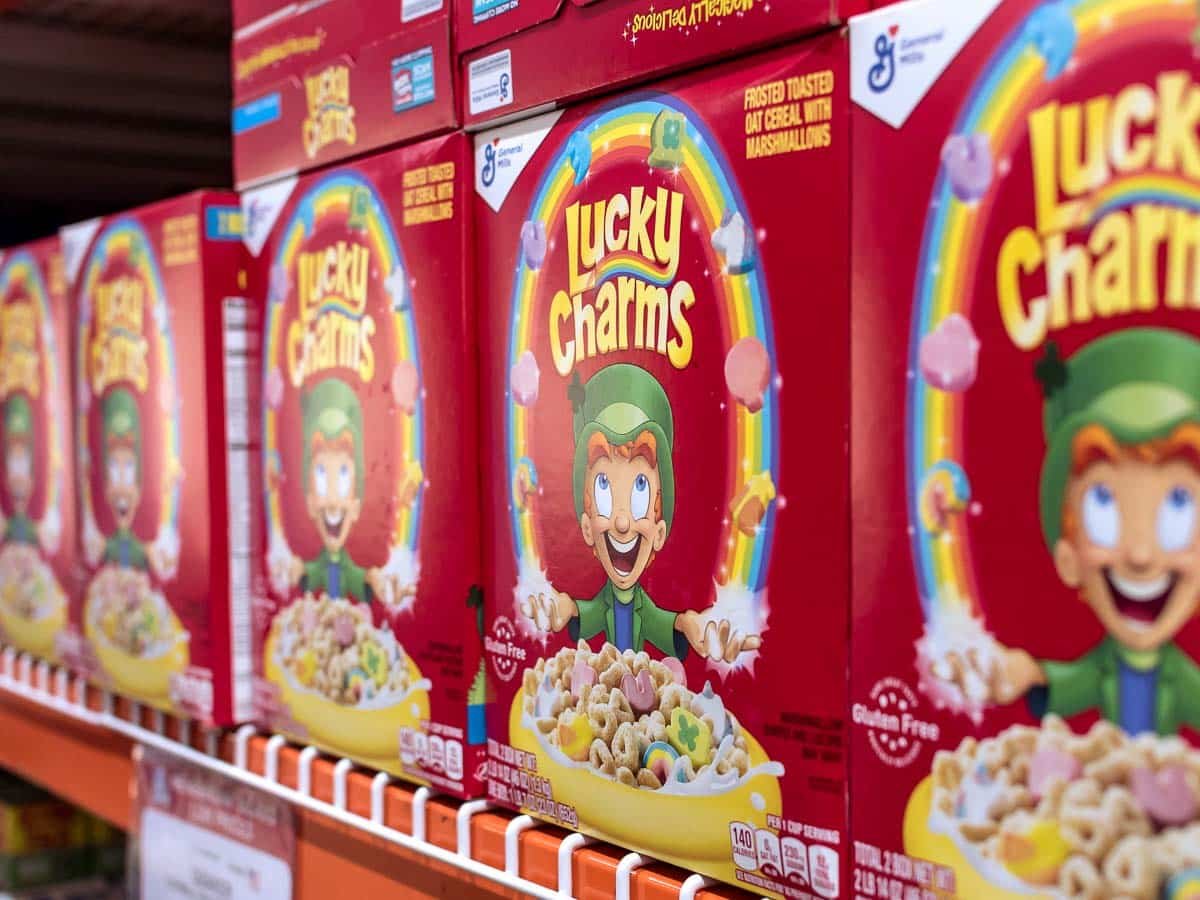
Those magically delicious marshmallows in Lucky Charms get their bright colors from Red 40, Yellow 5, and Blue 1. Without these synthetic dyes, we might be looking at some pretty sad, beige marshmallow shapes floating in our milk.
General Mills will need to figure out how to maintain the magic while switching to natural alternatives.
Honestly, it’s kind of wild that we’ve been feeding kids petroleum-based dyes for breakfast and calling it “part of a complete breakfast.”
Froot Loops
Kellogg’s Froot Loops are basically the poster child for synthetic food dyes. Those multi-colored rings owe their entire visual appeal to a cocktail of artificial colorants. Fun fact: all Froot Loops taste the same regardless of color—the rainbow is purely aesthetic.
The challenge here isn’t just reformulation; it’s maintaining brand recognition. Will kids still want Froot Loops if they’re various shades of brown and tan? That’s a multi-million dollar question.
Jell-O (Strawberry, Cherry, Blue Raspberry Varieties)
Jell-O varieties, such as Strawberry, Cherry, and Blue Raspberry, depend entirely on synthetic dyes for their vibrant appearance. Kraft Heinz will need to reformulate while maintaining that crystal-clear, jewel-tone appearance that makes Jell-O so visually appealing.
The brand’s entire identity revolves around those translucent, bright colors. Natural alternatives might create cloudier, less appealing results.
Kool-Aid
Kool-Aid drink mixes are essentially liquid synthetic dyes with added flavor. Red 40, Yellow 5, and Blue 1 create those impossibly bright colors that have been staining kids’ mouths for generations.
The brand’s iconic status relies heavily on those electric colors that look nothing like anything found in nature. Natural alternatives will need to work overtime to maintain even a fraction of that visual punch.
Pop-Tarts (Frosted Varieties)
Pop-Tarts, especially the frosted varieties kids love, frequently use Red 40, Blue 1, and other dyes for their bold icing and fillings. Kellogg’s faces the challenge of keeping these breakfast pastries visually exciting without their artificial rainbow appeal.
Those neon-bright frosting colors have been part of the Pop-Tarts experience for decades. Natural alternatives might make them look more like actual pastries and less like edible art projects.
Fruity Pebbles
Fruity Pebbles cereal has been coating our bowls with artificial Red 40, Yellow 6, and Blue 1 for decades. Post Consumer Brands will need to find natural ways to create that signature rainbow of tiny cereal pieces that somehow all taste fruity yet indistinct.
The visual appeal of these colorful little pebbles turning milk into a pastel rainbow has been a breakfast selling point since the 1970s.
Doritos (Nacho Cheese, Spicy Sweet Chili)
Those bold, cheesy Doritos flavors, such as Nacho Cheese and Spicy Sweet Chili, derive their intense orange and red colors from Red 40 and Yellow 6. The question is: will Doritos still feel “extreme” if they’re a more muted, natural cheese color?
Frito-Lay will likely need to reformulate not just the colors but potentially adjust flavoring to maintain that punchy, artificial intensity that makes Doritos so addictive.
Hot Cheetos
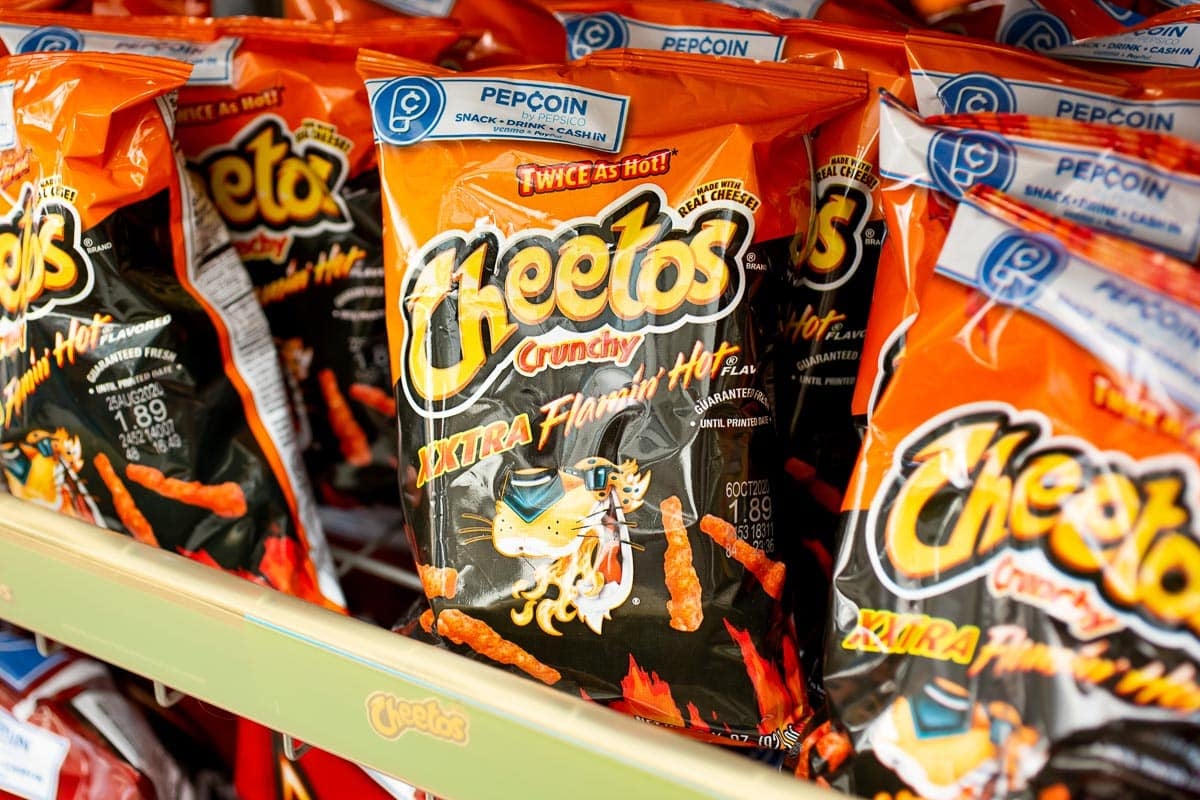
Flamin’ Hot Cheetos are practically glowing with Red 40 and Yellow 6. Part of their appeal is that unnaturally bright red color that screams “danger” and “delicious” simultaneously. Natural red colorants exist (think paprika or beet extract), but achieving that same fire-engine red might be tricky.
IMO, this might actually be a good thing—maybe our fingers won’t look like we’ve been finger-painting after eating a bag 🙂
Circus Animal Cookies
Those adorable frosted circus animal cookies with their signature pink and white icing contain Red 40 for that cotton candy-esque color. Mother’s Cookies will need to find natural ways to maintain that nostalgic, carnival-like appearance.
The cookies have been a childhood staple for generations. Without that bright pink frosting, will they still trigger the same nostalgic response in parents buying them for their kids?
Save this article
Twinkies
Surprisingly, even Twinkies—which you’d think would be naturally that golden color—contain Yellow 5. Hostess will need to figure out how to maintain that iconic golden sponge cake look without synthetic assistance.
The fact that even something as seemingly simple as a golden sponge cake needs artificial coloring really drives home how dependent our food system has become on these synthetic additives.
Pudding Cups (Strawberry, Blueberry)
Flavored pudding cups, available in strawberry and blueberry varieties, contain multiple synthetic dyes. The transition to natural colorants might result in more muted, realistic fruit colors.
Kids might actually be confused when their strawberry pudding looks like it contains real strawberries instead of radioactive pink goo.
Blueberry or Cotton Candy-Flavored Yogurts
Those cotton candy and blueberry-flavored yogurt cups marketed to kids frequently contain Blue 1, Yellow 5, and Red 40. Greek yogurt companies will need to find natural ways to make their products visually appealing to children.
Cotton candy flavoring might become particularly challenging, since there’s no natural equivalent to the electric blue color that visually defines the flavor.
Ice Cream and Popsicles (Birthday Cake, Rainbow)
Multi-colored popsicles and birthday cake ice creams are about to face a major color challenge. These frozen treats often use several synthetic dyes to create their rainbow appeal.
Summer popsicle sales might take a hit if manufacturers can’t replicate those eye-catching, artificial colors that make frozen treats so appealing to kids.
Gatorade (Fruit Punch, Lemon-Lime, Glacier Blue Flavors)
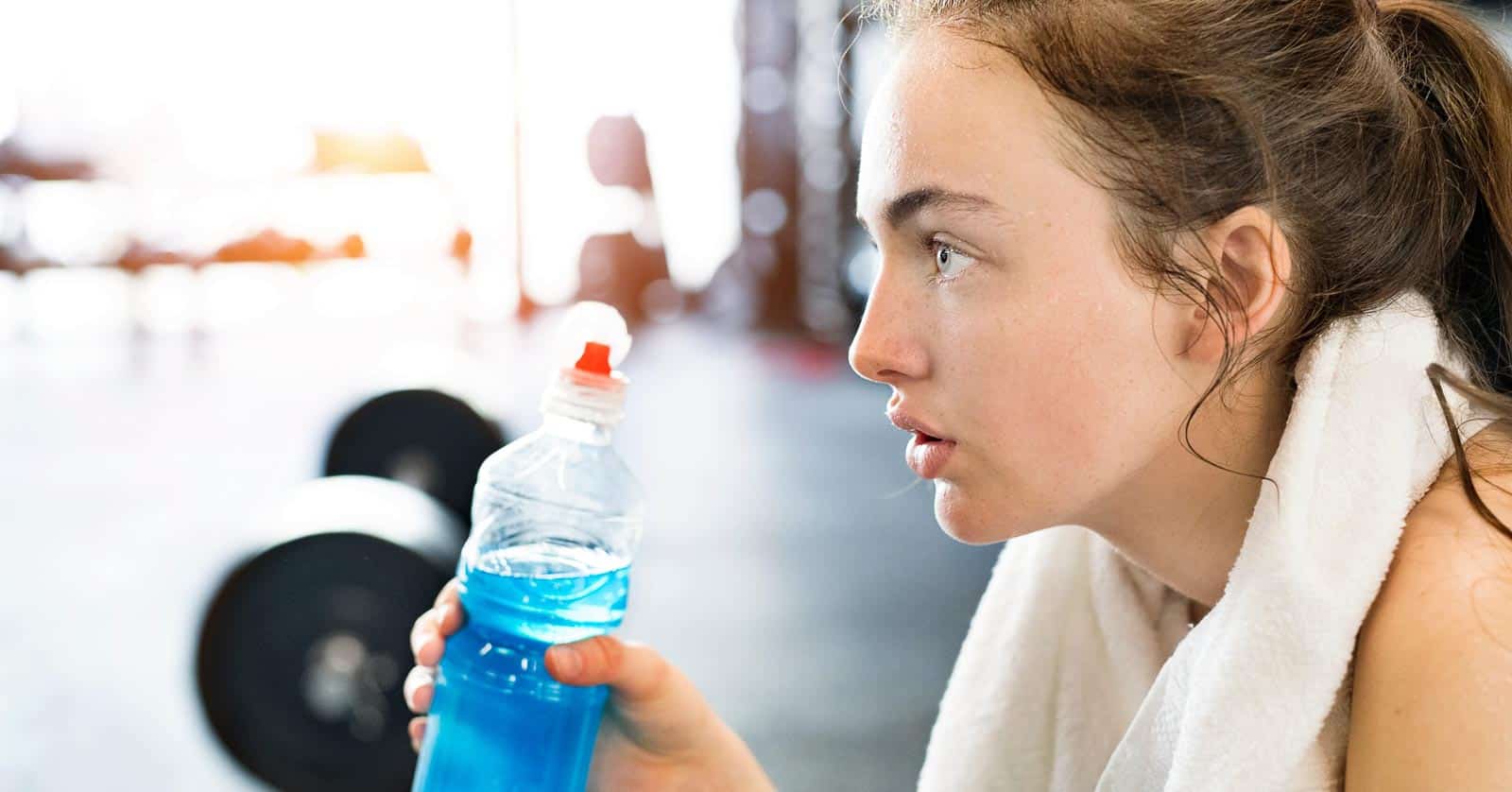
Gatorade’s neon-bright flavors, such as Fruit Punch, Lemon-Lime, and Glacier Blue, rely heavily on Red 40, Yellow 5, and Blue 1. The brand has built its identity around those electric, almost otherworldly colors that suggest peak athletic performance.
The challenge? Natural alternatives might create more muted colors, potentially affecting the psychological impact of these “performance” beverages. Will athletes still feel motivated to “fuel up” with earth-toned sports drinks?
Pink Lemonade Mixes
Traditional pink lemonade mixes use Red 40 or Red 3 to achieve that distinctive blush color. Natural alternatives, such as beet juice or cranberry extract, exist; however, they may produce a different shade of “pink” than consumers expect.
The challenge lies in maintaining the specific shade of pink that consumers associate with pink lemonade, rather than the more natural pinkish-red hue found in actual fruit sources.
What This Means for Your Shopping Experience
Here’s the deal: FDA Commissioner, Dr. Marty Makary, isn’t wrong when he says American children have been “living in a toxic soup of synthetic chemicals.” The data support this—products with synthetic dyes contain, on average, 141% more sugar than those without dyes.
Foods marketed to children contain synthetic dyes 28% of the time compared to just 11% in other food categories. Companies like Ferrero use synthetic dyes in 60% of their products, while Mars uses them in 52%. Think about it: we’ve normalized feeding our kids chemicals that are banned or restricted in other countries.
Key Takeaways
Some products will return looking different but potentially tasting the same. Others might disappear entirely if manufacturers decide the reformulation costs aren’t worth it. The synthetic dye market is expected to capture more than 61% of the food color market share in 2025, primarily because these artificial colors are cheaper and more stable than their natural alternatives.
FYI, this doesn’t mean all your favorite foods are doomed. It simply means they’re about to become a lot more natural-looking. Think earthy tones instead of electric brights. Realistic fruit colors instead of cartoon-bright hues. The transition period through 2026 will be interesting to watch. Some brands might embrace the change as a marketing advantage (“Now with natural colors!”), while others might struggle to maintain their visual brand identity.
Kids who grow up during this transition might actually prefer the more natural-looking foods. We may have just conditioned ourselves to expect our food to look like it belongs in a crayon box. Ready or not, your shopping cart is about to become a lot less neon. And honestly? Maybe it’s time we stopped expecting our food to glow like a rave party anyway.
More articles:
- 12 fruits that contain more vitamin C than oranges
- 12 reasons dragon fruit may be one of the healthiest fruits you’re not eating enough of
- Starting Your First Garden? Here Are the 10 Easiest Vegetables to Grow
The Best Root Vegetables for Better Vision

Around the world, most conversations about eye health focus on things like glasses, screen time, or supplements. But in public-health circles, the story actually starts much deeper—literally underground. Root vegetables, especially the ones loaded with carotenoids, play a major role in keeping our eyes healthy.
Vitamin A deficiency is still the leading cause of preventable childhood blindness around the globe, according to the World Health Organization. It contributes to an estimated 250,000 to 500,000 cases every year, especially in places where people don’t have access to foods rich in provitamin A. Learn more.
Common spices linked to colon cancer prevention

In the quiet routine of seasoning a meal, you may be adding small, powerful defenses against one of the most common cancers.
Your spice rack might actually be hiding some powerful health benefits. It turns out that a handful of common pantry staples pack a serious punch against serious illnesses. Medical researchers are looking closely at how everyday seasonings can fight back against cellular damage in the digestive tract. Learn more.
Which protein is actually better for arthritis, plant or animal?
With more than 53 million Americans living with arthritis, emerging research points to nutrient balance—not protein source alone—as the real driver of bone and joint health.
CDC estimates from 2019–2021 show about 21.2% of US adults (around 53.2 million people) report a doctor’s diagnosis of some form of arthritis (including osteoarthritis, rheumatoid arthritis, gout, lupus, etc.). Osteoarthritis (OA) is the most common joint disorder in the US (over 32.5 million US adults live with it), mainly affecting knees, hips, hands, and spine. Learn more.





