

Parenting in the 1970s was far more relaxed than it is today. Back then, kids roamed freely, rode in cars without seatbelts, and played with toys that would make modern safety inspectors cringe.
According to the National Highway Traffic Safety Administration, seatbelt use wasn’t federally mandated until 1984, leaving millions of kids unrestrained during car rides.
Lawn darts, a popular backyard game, were so dangerous. After causing multiple deaths—including the highly publicized death of a 7-year-old girl in 1987—they were officially banned by the U.S. Consumer Product Safety Commission in 1988. These examples show just how drastically parenting norms and safety standards have changed over the past five decades.
Drinking from the garden hose

On a hot summer day, kids from the 1970s didn’t rush inside for a drink. Instead, they’d grab the nearest garden hose and drink straight from it. Germs? Bacteria? Chemicals? Not a concern. It was a bonding ritual.
Today, though, parents would cringe at the thought of letting their child drink from the hose due to potential contaminants. The Ann Arbor-based ecology center found that when a new garden hose was left in the sun for just a few days, the water inside contained elevated levels of lead, phthalates, and BPA—chemicals known for their toxic effects. Yikes.
Allowing kids to hitchhike

In the 1970s, hitchhiking was a common and often accepted way for people—including teenagers—to get around. It was seen by many as a symbol of freedom and adventure, especially during the era’s countercultural movements.
However, public attitudes began to shift in the late ’70s and early ’80s due to rising concerns about crime and child safety. High-profile abduction cases and media coverage fueled fears, leading to the widespread adoption of “stranger danger” messaging. Today, most parents view hitchhiking as risky and strongly discourage children from accepting rides from strangers.
Riding without seatbelts

It might seem outrageous now, but back in the ’70s, seatbelt use was optional, not mandatory. Kids would roll around in the back seat or even in the truck bed, enjoying the freedom.
CDC reports in 2021, motor vehicle crashes killed more than 26,000 people in passenger vehicles, and about half of those who died were not wearing seat belts. A fact that makes those ’70s road trips look pretty reckless in hindsight.
Partying with parents

It was common for kids in the ’70s to be present at adult social gatherings—including house parties, barbecues, and even some bars—where alcohol and cigarette use were widespread. Smoking indoors was socially acceptable, and alcohol consumption was often seen as a routine part of adult life, even in family settings.
Today, most parents avoid exposing children to environments where drinking and smoking are prevalent. Public health campaigns, changing laws, and evolving norms around child safety have made such exposure far less acceptable. Smoking bans in public spaces and increased awareness of secondhand smoke and alcohol-related risks have reinforced this shift.
Leaving kids home alone

In the ’70s, being a “latchkey kid” was common—kids often came home to an empty house while parents ran errands or socialized. Today, things have changed. Many states now have laws that set a minimum age for leaving kids home alone, though not all make it outright illegal.
Factors such as the duration a child is left alone or any safety risks can lead to legal consequences. Some states have a set age, but most rely on guidelines to help parents decide when it’s safe.
Lack of babyproofing

In the 1970s, the idea of babyproofing didn’t exist. Parents would leave things like sharp objects, cleaning supplies, and even unlocked cabinets within reach of toddlers.
Safety products like baby gates and outlet covers didn’t become widespread until the ’90s, meaning it was all about supervision—and some broken knick-knacks along the way.
Riding bikes without helmets

A bike ride in the ’70s wasn’t complete without the wind in your hair—and no helmet in sight. Helmets weren’t even considered necessary.
These days, parents wouldn’t think twice about ensuring their kids wear helmets before riding, with helmet use now promoted by organizations like the Centers for Disease Control and Prevention (CDC). It emphasizes that while no helmet is concussion-proof, wearing one correctly and consistently can significantly reduce the risk of severe brain or head injuries.
Letting kids play on construction sites

Kids in the ’70s didn’t have to be told twice to find something fun. Abandoned construction sites became their playgrounds.
Safety regulations didn’t exist, and kids often played on exposed beams and piles of dirt. Today, construction sites are usually fenced off to prevent accidents, and parents would never let their kids play there.
No curfew

The ’70s had a much more relaxed approach to curfews. Parents would let their kids roam the streets until they felt like coming home.
Curfews weren’t a given—kids were trusted to know when to return. Today, it’s rare for a teenager to have free rein over their time without parents constantly calling or texting.
Unsupervised sleepovers

Save this article
In the ’70s, sleepovers were a regular weekend event. But they didn’t come with the extensive parent vetting that’s now common.
Parents often didn’t even meet the other family members, and yet, kids would sleep over at a friend’s house. Today, parents tend to meet the host family and have detailed conversations about supervision and safety before sending kids off.
Babysitting siblings at a young age

In the 1970s, it wasn’t unusual for children as young as eight to babysit their younger siblings for extended periods. This early responsibility was often seen as a way to build independence and maturity.
Today, however, parenting norms have shifted toward greater caution. Most child development experts and organizations like the Red Cross recommend that children be at least 12 years old before babysitting, and even then, only if they demonstrate sufficient maturity and training. Safety, preparedness, and the specific needs of the younger child are now key considerations.
Using tools like hammers and saws

In the 1970s, it was common for kids to help with household repairs, often using tools like hammers, saws, and drills with little supervision. This hands-on experience was seen as a regular part of growing up and learning responsibility.
Today, however, safety concerns have reshaped parental attitudes. The risk of injury—especially from power tools—makes most parents hesitant to let children handle them without close supervision. Modern guidelines emphasize age-appropriate tasks, protective gear, and adult oversight to prevent accidents.
Climbing trees

Tree-climbing used to be a staple of childhood play, with parents often cheering it on as a way to get kids outdoors. It fostered independence, physical activity, and a sense of adventure. Today, however, many parents are more cautious.
Concerns about falls, broken bones, and liability have made risky play less acceptable. As a result, activities once seen as character-building are now often discouraged in favor of safer, structured alternatives.
Unprotected playgrounds

In the 1970s, playgrounds were often built with complex metal equipment and unforgiving concrete surfaces. A simple slide could easily end in scrapes, bruises, or worse. Safety standards were minimal, and risk was part of the experience.
Today’s playgrounds prioritize injury prevention, using rubber tiles, rounded edges, and impact-absorbing materials. The shift reflects a broader cultural move toward safer, more supervised childhood environments.
Minimal sunscreen

In past decades, sunscreen was rarely a priority, and kids often spent long summer days outdoors with little or no sun protection. Sunburns were common and largely shrugged off as part of childhood. Today, however, sun safety is a significant concern for parents and health professionals alike.
Sunscreen, hats, and protective clothing are now considered essential for outdoor play. This shift reflects growing awareness of skin cancer risks and the long-term effects of UV exposure.
Walking around barefoot

In the 1970s, kids often roamed barefoot—whether indoors, on sidewalks, or through grassy fields—without much concern. Going shoeless was seen as natural, even freeing, and rarely raised eyebrows.
Today, however, many parents are far more cautious. Concerns about sharp objects, splinters, and infections have made barefoot play less acceptable. Protective footwear is now considered a basic safety measure, especially in public or outdoor spaces.
Feeding caffeine to babies

In the 1970s, some parents gave their babies caffeine to help with breathing issues, and doctors occasionally prescribed it for medical reasons. This practice was based on early research showing that caffeine could stimulate the respiratory system in premature infants.
Today, caffeine is still used in neonatal care—but only in purified, medical forms like caffeine citrate, and under strict supervision. Giving babies everyday caffeinated products like coffee or soda is now considered unsafe and unacceptable. The idea of casually offering caffeine to infants is no longer part of modern parenting norms.
Disclaimer – This list is solely the author’s opinion based on research and publicly available information. It is not intended to be professional advice.
7 Morning Rituals Women Swear By for More Energy and Confidence

7 Morning Rituals Women Swear By for More Energy and Confidence
Morning rituals don’t have to be complicated. A glass of water, a quick stretch, five minutes with your journal — these small things stack up to create significant change. Women who build these habits aren’t just “morning people”; they’re people who decided to take charge of their first hour of the day.
6 gas station chains with food so good it’s worth driving out of your way for
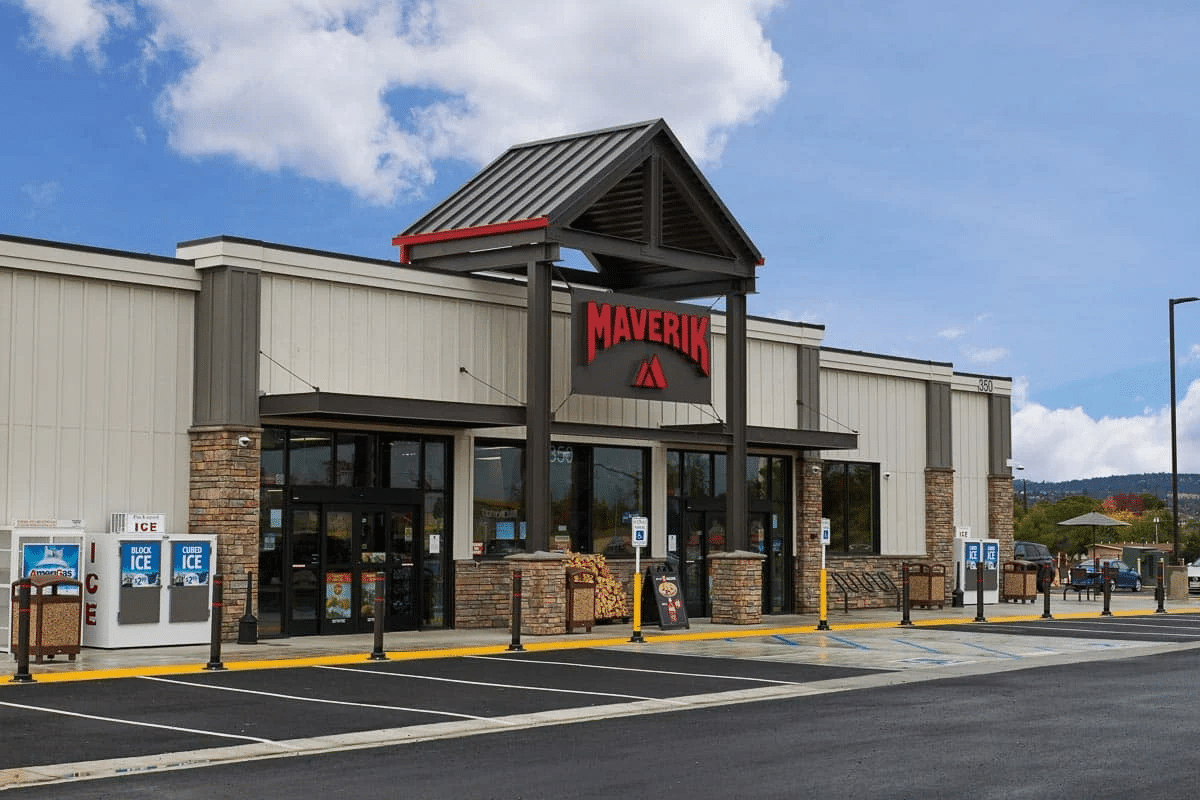
6 Gas Station Chains With Food So Good It’s Worth Driving Out Of Your Way For
We scoured the Internet to see what people had to say about gas station food. If you think the only things available are wrinkled hot dogs of indeterminate age and day-glow slushies, we’ve got great, tasty news for you. Whether it becomes part of a routine or your only resource on a long car trip, we have the food info you need.
Let’s look at six gas stations that folks can’t get enough of and see what they have for you to eat.





