

Ever peeked behind the gates of a wealthy household and thought, “Wait, they do WHAT?” Trust me, you’re not alone. After years of observing how the ultra-rich live compared to how regular folks manage their home life, I’ve noticed some striking differences that would make the average middle-class family do a double-take.
With the median household income sitting around $75,000 and middle-class families making anywhere from $36,000 to $200,000 depending on where they live, the gap between how we live and how the wealthy operate at home is… well, it’s something else entirely. Here are 17 things, from their bizarre money habits to their approach to home maintenance, that’ll make you scratch your head and maybe question everything you thought you knew about “normal” home life.
Allowing Staff to Handle Everything

Wealthy families don’t just hire cleaning ladies twice a month. They’ve got full-time staffers doing literally everything. I mean people who still shop for groceries, cook for them, do their laundry, and even run their errands.
While middle-class families often take pride in DIY weekend projects and handling household tasks together, wealthy households tend to operate more like small businesses. They have housekeepers, personal chefs, and gardeners. Sometimes, even full-time personal assistants living on-site.
The kicker? They’re not seeing this as lazy or extravagant. To them, it is a matter of strategic time management. Who wants to waste their Saturday cleaning when they could be networking, investing, or spending time with family? It’s a state of mind that most middle-class people can hardly even comprehend.
Understated Yet Extremely Expensive Decor

You know those Pinterest-perfect middle-class homes with bold accent walls and statement pieces from Target and HomeGoods? Yeah, wealthy homes are the complete opposite. Their decor screams “boring” until you realize that plain-looking vase costs more than your car payment.
Minimalistic doesn’t mean cheap in wealthy households. That simple wooden dining table? It’s probably handcrafted from rare Brazilian wood. The understated artwork on the walls? Original pieces from artists you’ve never heard of but should probably Google.
Middle-class families love showing off their style with eclectic pieces. Wealthy families prefer investment pieces that appreciate while looking deceptively simple. It’s like they’re playing a different game entirely.
Not Talking About Money

This is fascinating because it contradicts everything middle-class families typically do. In most households, conversations about money occur regularly – from budget discussions and complaining about bills to celebrating raises and stressing about expenses.
Wealthy families? They barely mention money at all. Financial discussions often occur behind closed doors between adults, and children grow up with a sense that money just… exists. No drama, no stress, no celebration.
This creates a culture of financial privacy that middle-class folks find almost alien. We’re used to knowing who got a promotion, who’s struggling with mortgage payments, or who splurged on vacation. Wealthy families keep that information locked down tighter than state secrets.
Prioritizing Ownership Over Consumption

While middle-class families focus on lifestyle upgrades – newer cars, latest gadgets, trendy clothes – wealthy families obsess over acquiring assets that appreciate in value.
They’ll drive a 10-year-old Toyota while simultaneously purchasing rental properties or investing in art collections. This behavior seems counterintuitive to middle-class observers, who expect wealth to be reflected in visible consumption.
The wealthy understand something most of us miss: real wealth comes from what you own, not what you spend. They’d rather look “normal” while building an empire than look rich while staying middle-class.
Having Multiple Designer Wardrobes in Different Homes

Imagine having entire closets full of expensive clothes in different cities. That sounds excessive, right? Wealthy families do this routinely, maintaining fully stocked wardrobes in their various residences.
They’ve got summer clothes in the Hamptons house, business attire in the city penthouse, and casual wear at the mountain cabin. No packing, no forgetting essentials, no “oops I don’t have the right outfit” moments.
Middle-class families find this concept mind-boggling. We are used to carefully packing for trips and making the most with versatile pieces. The idea of having multiple complete wardrobes seems wasteful until you realize it’s just another form of convenience investment.
Hiring Personal Assistants for Even Small Tasks

You’d think personal assistants only handle big, important stuff, right? Wrong. Wealthy families often hire assistants to handle tasks such as scheduling doctor appointments, picking up dry cleaning, or returning Amazon packages.
Tasks that middle-class families consider “just part of life” become someone else’s job in wealthy households. Need groceries? The assistant handles it. Does the car need an oil change? The assistant takes care of it. Want to send a birthday gift to your cousin? You guessed it – assistant territory.
This level of delegation may seem lazy to middle-class sensibilities, but wealthy families view it as optimizing their time for higher-value activities.
Owning Specialized Luxury Rooms

Wine cellars, home theaters, private gyms, meditation rooms, craft rooms, libraries with actual books people read – wealthy homes have dedicated spaces for specific activities that most families cram into basements or spare bedrooms.
These aren’t just fancy add-ons; they’re functional spaces used regularly. The wine cellar isn’t for show – it’s for storing investment-grade wines. The home gym isn’t gathering dust – it’s used daily with personal trainers.
Middle-class families maximize space efficiency, using rooms for multiple purposes. Wealthy families can afford the luxury of single-purpose rooms, creating a lifestyle that feels almost museum-like to the average person.
Waterfall Showers and Gold-Plated Toilets

Okay, this one’s exactly as ridiculous as it sounds, but hear me out. Luxurious bathrooms aren’t just about showing off; They are about creating a spa-like experience at home.
Those massive waterfall showers and heated bathroom floors aren’t just luxury items; they’re investments in health and wellness. The gold-plated fixtures (yes, they’re real) prioritize durability and maintenance reduction, not just aesthetics.
Still sounds excessive to middle-class ears, but when you’re spending $500-$2,000 monthly on utilities anyway for these massive homes, what’s a little extra for the ultimate bathroom experience?
Maintaining Older, Paid-Off Vehicles

Wealthy people often drive older cars. This is not because they can’t afford new ones; It is because they prioritize asset preservation over flashy consumption.
That 2015 Mercedes in the wealthy family’s driveway? It’s completely paid off, well-maintained, and serves its purpose perfectly. Meanwhile, middle-class families often upgrade to newer vehicles with monthly payments, viewing cars as status symbols rather than mere means of transportation.
The wealthy understand that vehicles depreciate rapidly, so they minimize this financial loss by keeping quality cars longer. It’s a strategy that seems “cheap” but actually demonstrates sophisticated financial thinking.
Tracking Every Dollar Spent

It is easy to think wealthy people are careless with money since they have so much, isn’t it? Completely wrong. They track expenses more meticulously than anyone else.
They’ve got detailed budgets, spending analyses, and financial reviews that would make your head spin. Every purchase is categorized, every investment is monitored, and every expense is justified.
Middle-class families often use rough budgeting or make spending decisions on the fly. Wealthy families approach money management as a science, which is likely why they remain wealthy while others struggle to accumulate wealth.
Save this article
Rarely Upgrading Lifestyle Despite Increased Income

Here’s something that’ll mess with your mind: when wealthy people make more money, they don’t automatically upgrade their lifestyle. Their spending remains relatively stable, while any extra income is allocated toward investments.
Made an extra $100K this year? A middle-class family might upgrade their car, take a luxury vacation, or renovate the kitchen. A wealthy family? That money is often invested in accounts, real estate, or business opportunities.
This behavior appears almost miserly to middle-class observers, who expect income increases to be accompanied by lifestyle improvements. But it’s precisely this restraint that builds generational wealth.
Using In-Home Services Regularly

Manicurists, massage therapists, personal chefs, tutors, fitness trainers – wealthy families bring services to their homes instead of going out for them.
This isn’t just about convenience (though it is convenient). It’s about time optimization and privacy. Why spend two hours at a spa when the massage therapist can come to you? Why go to restaurants when a personal chef can create precisely what you want at home?
Middle-class families see these in-home services as occasional luxury splurges. Wealthy families view them as regular lifestyle maintenance, akin to changing the oil in a car.
Keeping Multiple Cars Ready and Serviced in Different Cities

Just like the multiple wardrobes, wealthy families maintain fully functional vehicles in different locations. The beach house has its own car, the city apartment has its own vehicle, and the mountain cabin has its own car.
No rental car hassles, no Uber expenses, no figuring out transportation when you arrive. Everything’s ready, serviced, and waiting. The cars might not be flashy, but they’re strategically positioned for convenience.
This level of redundancy seems wasteful to middle-class families who carefully coordinate single-car logistics. But when your time is worth thousands per hour, convenience becomes a necessity.
Buying and Renting Real Estate for Children’s Education

Here’s a strategy that’ll blow your mind: wealthy families purchase properties near good schools or colleges, let their children live there during education, then rent them out for income afterward.
Instead of paying dorm fees or rent to landlords, they’re building equity while providing housing. After graduation, these properties become income-generating investments in their real estate portfolio.
Middle-class families typically see education expenses as necessary costs. Wealthy families find ways to turn education costs into investment opportunities. It’s an entirely different approach to money management.
Avoiding Debt and Loans Whenever Possible

While middle-class families rely on mortgages, car loans, and credit cards as normal financial tools, wealthy families pay cash for almost everything. House? Cash. Car? Cash. Business investment? Cash.
This isn’t showing off – it’s wealth preservation. They understand that debt payments drain wealth over time, even with “good debt” like mortgages. By avoiding interest payments, they keep more money working for them.
Middle-class families often see debt as a necessary tool for building wealth. Wealthy families see debt as an unnecessary wealth leak to be avoided whenever possible.
Multiple Residences Used Strategically

This isn’t just about having vacation homes for fun. Wealthy families strategically position residences for tax advantages, business opportunities, and lifestyle optimization.
Winter home in Florida for tax benefits, summer home in the mountains for business networking, city apartment for work convenience – each property serves multiple financial and strategic purposes.
Middle-class families dream of vacation homes as luxury items. Wealthy families use multiple residences as integrated business and lifestyle tools.
Proactive Home Maintenance

While middle-class families handle repairs as they arise (often spending $1,000-$2,000 annually on emergency fixes), wealthy families prevent problems before they occur.
They’ve got regular maintenance schedules, professional inspections, and immediate repairs for minor issues. This costs more upfront, but prevents expensive emergency repairs later.
Their approach treats homes like appreciating business assets rather than just places to live. Every maintenance decision considers long-term value preservation, not just immediate functionality.
The Real Difference Is Mindset, Not Money

After examining these behaviors, a pattern becomes clear: wealthy families approach money, time, and resources differently. They prioritize long-term wealth building over short-term lifestyle satisfaction. These “strange” behaviors aren’t about showing off or being wasteful. They focus on strategic resource allocation that prioritizes asset building over consumption.
While middle-class families focus on improving their lifestyle, wealthy families focus on improving their net worth. The gap between middle-class households (median retirement savings often near zero for lower earners) and wealthy households (the top 10% averaging $610,000 in retirement savings) isn’t just about income – it’s about fundamentally different approaches to money management.
Understanding these differences doesn’t mean you need to copy them exactly, but recognizing the underlying strategies may help explain why wealth gaps persist. Sometimes the “strange” behavior actually makes perfect financial sense – even if it seems backward at first glance.
Disclaimer – This list is solely the author’s opinion based on research and publicly available information. It is not intended to be professional advice.
16 Grocery Staples to Stock Up On Before Prices Spike Again

16 Grocery Staples to Stock Up On Before Prices Spike Again
I was in the grocery store the other day, and it hit me—I’m buying the exact same things I always do, but my bill just keeps getting higher. Like, I swear I just blinked, and suddenly eggs are a luxury item. What’s going on?
Inflation, supply-chain delays, and erratic weather conditions have modestly (or, let’s face it, dramatically) pushed the prices of staples ever higher. The USDA reports that food prices climbed an additional 2.9% year over year in May 2025—and that’s after the inflation storm of 2022–2023.
So, if you’ve got room in a pantry, freezer, or even a couple of extra shelves, now might be a good moment to stock up on these staple groceries—before the prices rise later.
6 Gas Station Chains With Food So Good It’s Worth Driving Out Of Your Way For
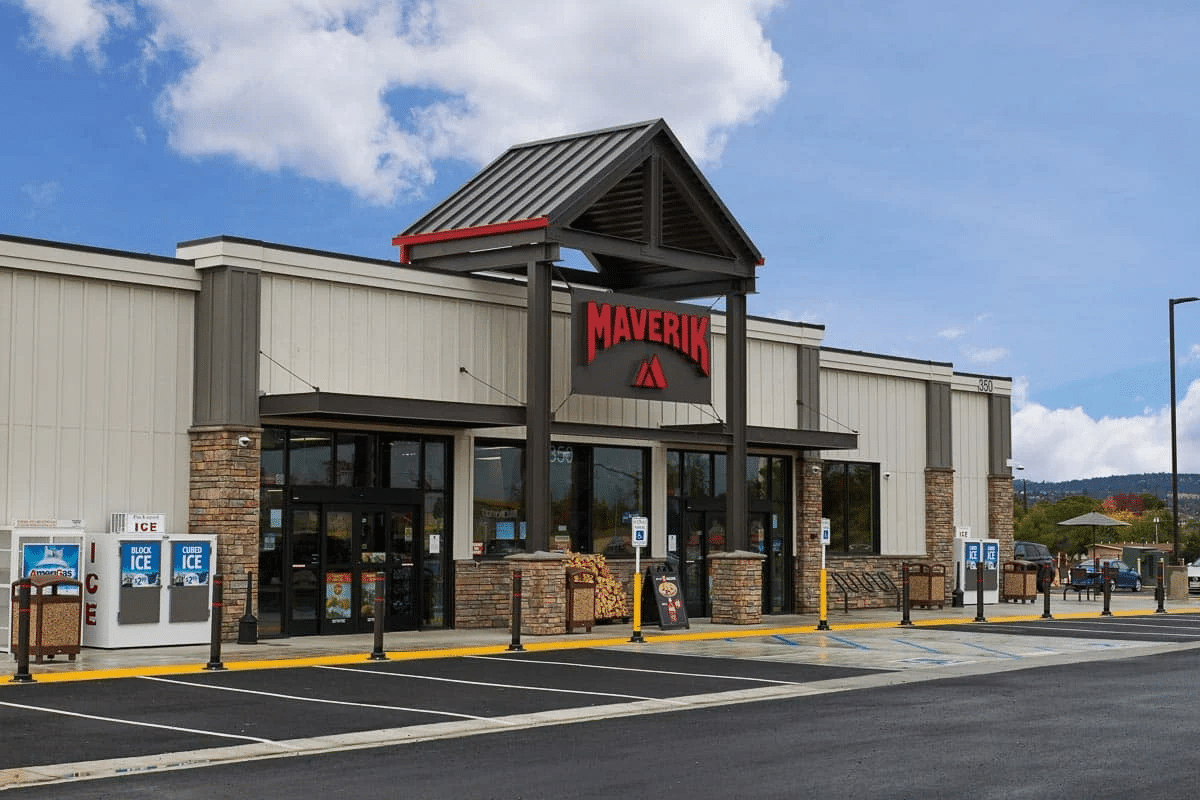
6 Gas Station Chains With Food So Good It’s Worth Driving Out Of Your Way For
We scoured the Internet to see what people had to say about gas station food. If you think the only things available are wrinkled hot dogs of indeterminate age and day-glow slushies, we’ve got great, tasty news for you. Whether it ends up being part of a regular routine or your only resource on a long car trip, we have the food info you need.
Let’s look at 6 gas stations that folks can’t get enough of and see what they have for you to eat.





