When you think of American cuisine, what comes to mind? Juicy burgers? Creamy mac and cheese? Maybe a slice of warm apple pie? These dishes are undeniably iconic, hands down, but they’re just one part of the story.
Long before modern American food became what it is today, Native American cultures were shaping the land (and the dinner table) with ingredients so versatile and enduring that they remain staples in our kitchens.
Amanda Fretts, Ph.D., M.P.H., an epidemiologist at the University of Washington, states, “Rediscovering these traditional foods gives people a sense of pride and history, while at the same time promotes healthier eating habits”.
Corn

Corn isn’t just another grain—it’s the backbone of American food culture.
Native Americans developed corn (or maize) from a wild grass called teosinte around 9,000 years ago. Through careful cultivation, they created hundreds of varieties in every color imaginable: purple, blue, red, white, and yellow.
And it’s incredibly versatile. You can eat it while still fresh, dry it for storage, grind it into flour, or even turn it into beverages. The USDA reports that in 2024, the U.S. produced 14.9 billion bushels of corn, with nearly 70% of Americans eating corn-based products weekly.
Native Americans further invented nixtamalization—a process that treats corn with alkali to boost its nutritional value. This technique gave us hominy, masa, and countless other corn products that are staples today.
Beans
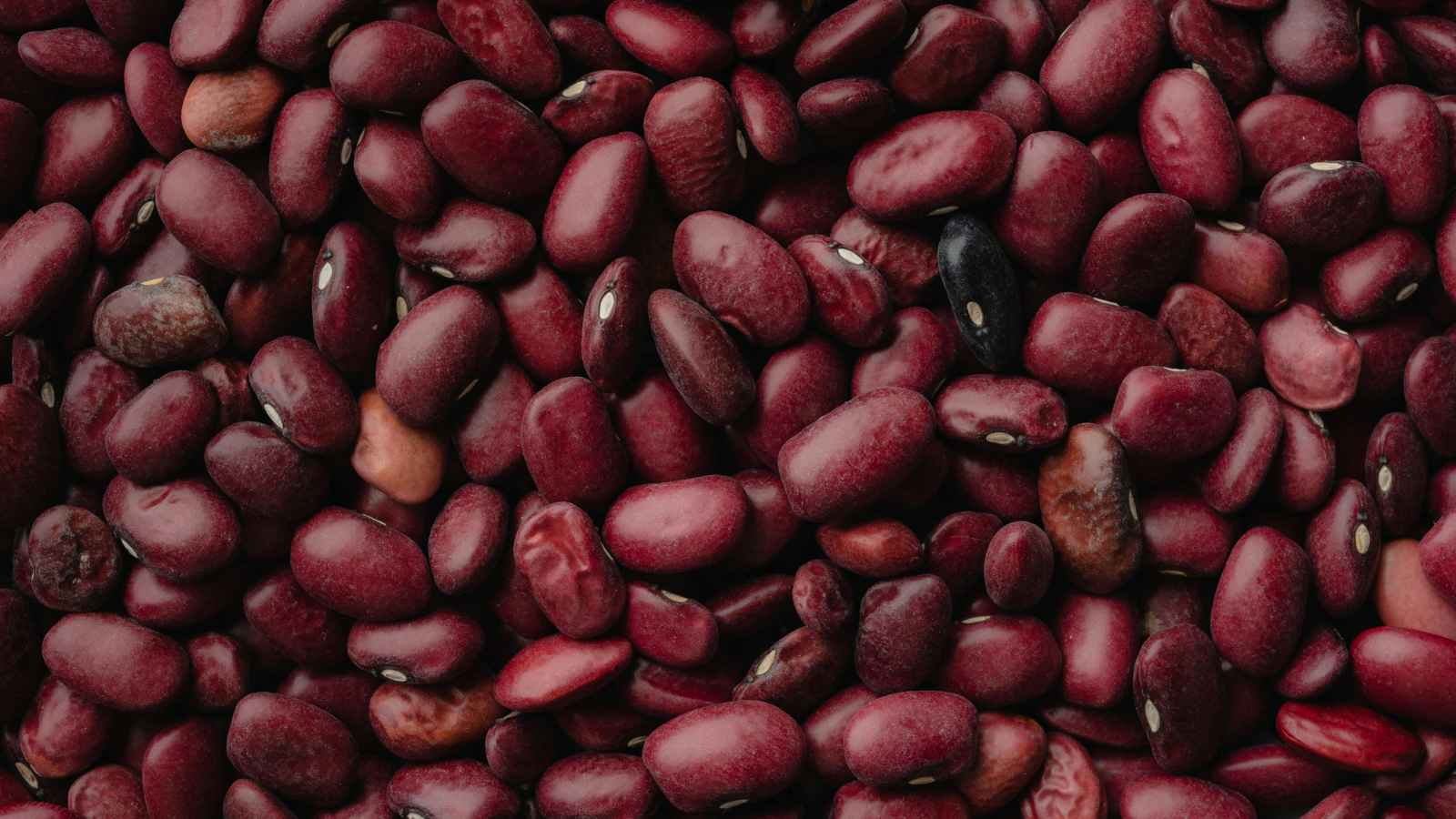
Beans weren’t just food—they were part of an agricultural revolution.
Native Americans figured out something modern nutritionists love: beans and corn together create a complete protein. As part of the “Three Sisters” planting system (corn, beans, and squash), beans provided nitrogen to enrich the soil while climbing up corn stalks.
Registered dietitian Kathryn McMurry points out that changing diets takes time, but the benefits are life-saving. Adding more beans means “more vegetables, fruits, and whole grains” in your diet.
The U.S. dried bean market exceeded $1.2 billion in 2024, driven largely by the plant-based diet trend. Native Americans gave us protein powerhouses —from black turtle beans to lima beans to pintos —that are now essential in kitchens worldwide.
Potatoes

Potatoes aren’t Irish.
Indigenous foodways scholar Devon Mihesuah emphasizes that potatoes are “NOT yams”—they’re a completely different food that originated in the Andes mountains. Native peoples first cultivated potatoes around 8,000 years ago, creating thousands of varieties.
Native varieties came in purple, red, yellow, and blue, with flavors ranging from nutty to sweet.
Today, Americans eat close to 120 pounds of potatoes per person each year. In 2023, potatoes ranked as the country’s top fresh vegetable crop. This Indigenous crop has become so embedded in American culture that most people don’t even think of it as “ethnic” food.
Wild rice

Wild rice is actually the seed of aquatic grass native to the Great Lakes region. It isn’t rice.
For thousands of years, tribes like the Ojibwe and Dakota have harvested wild rice from lakes and rivers. Chef Sean Sherman, a member of the Oglala Lakota Sioux, notes that “wild rice has a rich, earthy flavor and is incredibly versatile, working as a base for many dishes.”
The health food market has taken notice. The organic wild rice market is expanding at a CAGR of 6.1% (from 2025 to 2035) as consumers seek gluten-free, nutrient-dense grains. Wild rice contains more protein, fiber, and minerals than regular white rice, making it a superfood that’s finally getting the recognition it deserves.
Squash

Save this article
Squash was the third member of the “Three Sisters”—and possibly the most versatile.
Native Americans developed dozens of squash varieties, from delicate summer squashes to storage-friendly winter types. They used every part of the plant: the flesh for food, the shells for containers, and even the flowers as vegetables.
Scientific research shows that regular squash consumption reduces the risk of chronic diseases thanks to its high fiber and vitamin content. University of Kansas Cora Lee Beers Price professor Devon Mihesuah calls squash varieties from Indigenous cultures “some of the most nutritious and versatile vegetables on the market.”
Roasted, stuffed, pureed into soups, or baked into pies, squash adapts to any cooking style. Native Americans even used the seeds as protein-rich snacks and ground them into a meal.
The modern renaissance

These five ingredients prove something important: Native American foodways weren’t primitive—they were incredibly sophisticated. Modern indigenous cuisines emphasize naturally gluten-free, dairy-free, and anti-inflammatory foods that offer health benefits far beyond basic nutrition.
Experts like Chef Sean Sherman and Professor Mihesuah encourage people to rediscover native ingredients through specialty stores and farmers’ markets. Most foods on the Thanksgiving table—including turkey, cranberries, sweet potatoes, and cornbread—have roots in Indigenous traditions.
The lasting impact

Every ingredient we’ve discussed continues to transform how Americans eat today. Native American culinary traditions are woven into the fabric of modern American food culture, from the corn in your breakfast cereal to the beans in your chili, from the potatoes in your fries to the wild rice in your pilaf.
Disclaimer – This list is solely the author’s opinion based on research and publicly available information. It is not intended to be professional advice.
Disclosure: This article was developed with the assistance of AI and was subsequently reviewed, revised, and approved by our editorial team.
15 foods from the ’60s most boomers loved with a passion

15 Foods From the ’60s Most Boomers Loved With a Passion
The 1960s were a period of profound social and cultural transformation in America. As the baby boomer generation came of age, they embraced new ideas, fashion trends, and music styles. And when it came to food, some beloved dishes defined this era.
Here are 15 foods from the ’60s that most boomers loved passionately.
The secret to losing weight and keeping it off: The 15 best low-calorie foods

The Secret to Losing Weight and Keeping it Off: The 15 Best Low-Calorie Foods
Alright, listen up, lovely people! You’ve been told countless times that eating less is the secret to shedding those stubborn pounds. But let’s be honest, that’s like telling someone the secret to being rich is simply having more money – it’s not helpful.
So, here’s the deal: losing weight doesn’t necessarily mean you have to eat less; it means you must eat smart. Eating smart means embracing foods that are low in calories but high in satisfaction. Here are the top 15 low-calorie foods that are about to become your new best friends on the journey to sustainable weight loss.