Trash, metal, plastic, construction debris and chemically finished wood are the 5 materials that state rules and legal guidance most often put off limits for a backyard fire. North Carolina bans burning trash, metal, plastic and other man-made materials, Florida bars garbage and construction debris, and Texas and Connecticut allow only clean, untreated wood.
Open burning is regulated mostly at the state and local level, so the exact rule depends on the address. The guidance below comes from North Carolina’s environmental agency, the U.S. Environmental Protection Agency and a legal explainer in Homes & Gardens, and homeowners should still confirm current rules with their own county or fire department.
1. Household Trash
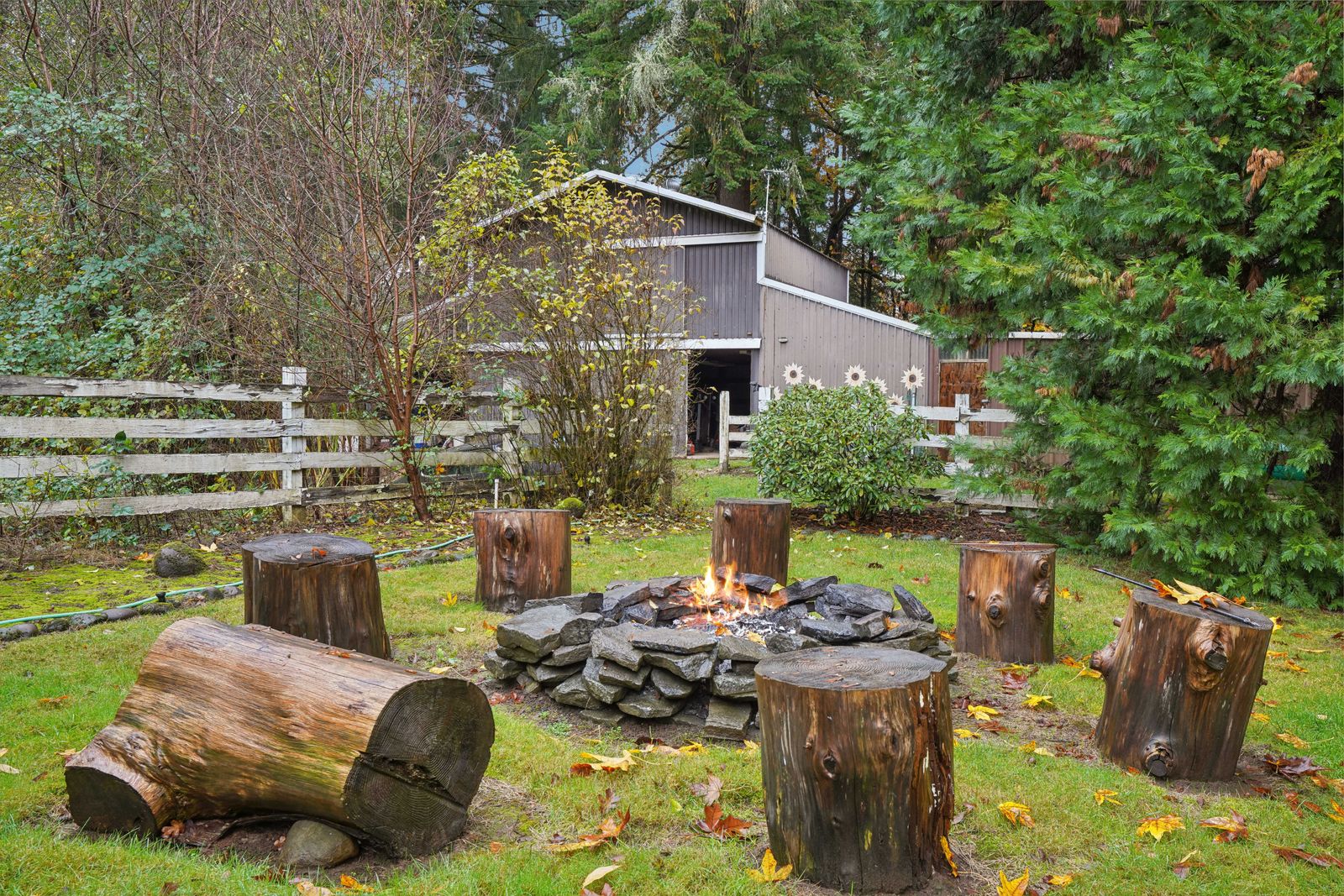
North Carolina’s Division of Air Quality sums up its rule in a slogan: “If it doesn’t grow, don’t burn it.” In an Aug. 14, 2024, news release, the North Carolina Department of Environmental Quality said burning trash and all other man-made materials is against state law, and that violators can be fined up to $25,000 per violation, per day.
The EPA takes a similar line. Its Burn Wise page on backyard recreational fires says never to burn garbage, plastic, construction waste, green wood or yard waste, because those materials create more smoke. Plenty of everyday habits carry legal limits that surprise people, as a list of household actions people do every day without realizing they’re illegal shows.
2. Metal
Metal is the second item on North Carolina’s banned list. The state release groups it with trash and plastic under the rule against burning anything man-made. Old cans, wire and metal scraps belong with the recycling or a scrap dealer instead of a fire pit, and a fire is not a substitute for a trip to the local transfer station.
3. Plastic
Plastic appears in both the North Carolina rule and the EPA’s list of materials never to burn. Packaging, bags and plastic lawn furniture all fall under that heading. Fall yard cleanup often turns up exactly these items, from plastic plant pots to ties and trays, and gardeners setting up elevated garden beds for fall greens and herbs should send that plastic to the curb rather than the fire.
4. Construction Debris
Homes & Gardens, in an article by Alex David, asked attorney Jamie E. Wright, principal of J. Wright Law Group P.C., to explain how the rules differ by state. The article said Florida prohibits burning garbage or construction debris, while yard waste such as leaves and branches is allowed. The EPA also lists construction waste among the materials not to burn.
That difference on yard waste matters. North Carolina allows leaves, limbs and yard debris to be burned under set conditions, while the EPA’s recreational-fire page advises against burning yard waste at all, so the same pile can fall under different guidance depending on where it sits.
5. Stained, Oiled or Glued Wood
In Texas and Connecticut, the Homes & Gardens article said, only clean, untreated wood may be burned, meaning wood the homeowner cut or bought untreated from a lumber yard or store. Wood finished with stain, oil or wood glue cannot be burned, which rules out old wooden furniture. The article also listed old fence panels and wood pallets as things that should stay out of the fire.
Old furniture is often the hardest item to part with, especially pieces with family history, which is why many people hold on to them, much like the priceless items Boomers should hold on to. When a piece truly has to go, donation or bulk trash pickup is the legal route.
Rules on Timing and Air Quality
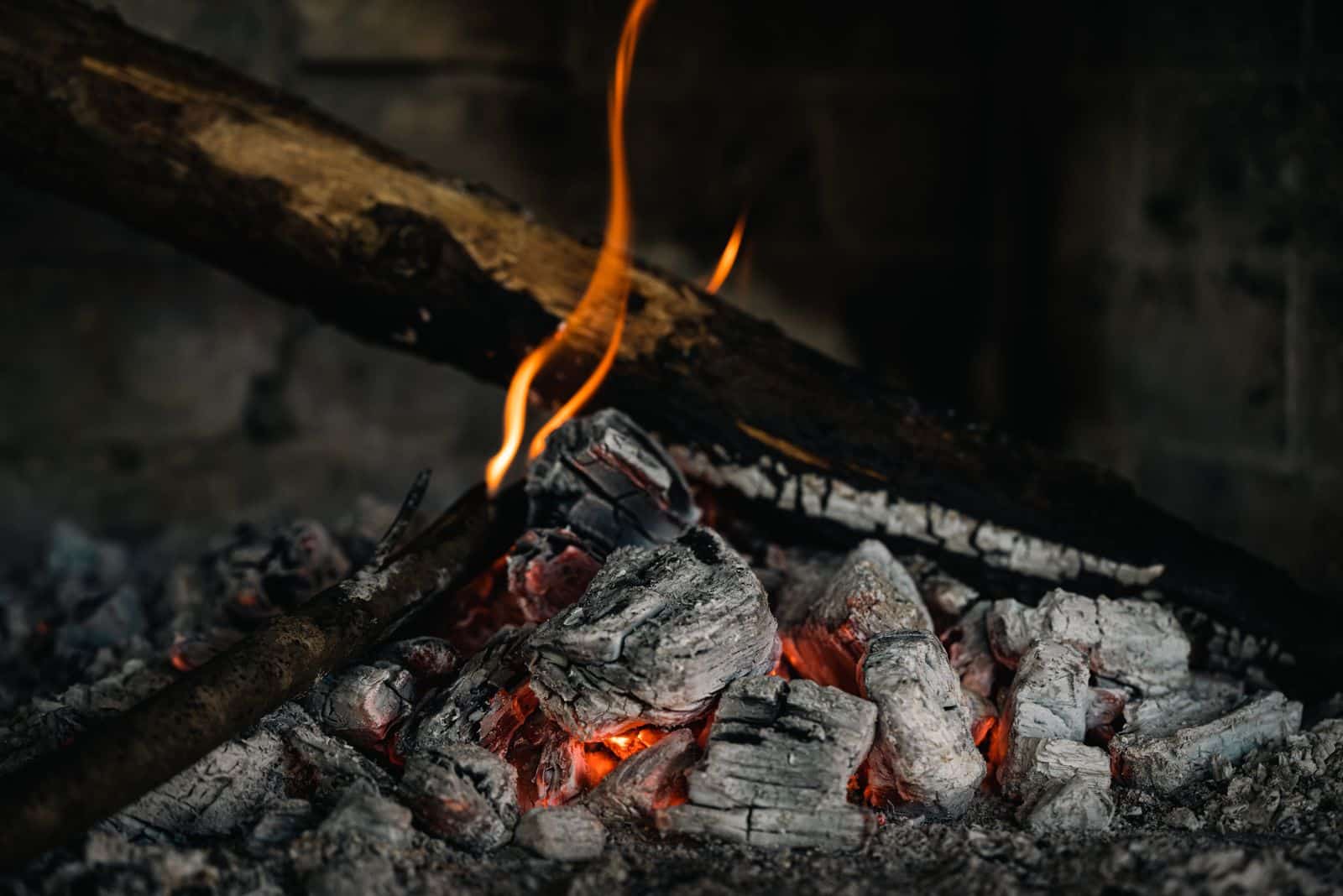
North Carolina’s release also sets a clock. Residential yard waste burns are allowed only from 8 a.m. to 6 p.m., with no new vegetation added after 6 p.m., and burning is allowed only on Code Green or Code Yellow air-quality days. Campfires, outdoor cooking fires and bonfires that burn vegetation such as firewood are not covered by the ban unless a local rule or burn ban applies, and those fires must be attended. The agency added that careless debris burning is the leading cause of wildfires in the state.
Gathering around a fire pit on a cold evening is one of the odd American traditions that confuse the rest of the world for some visitors, and it stays a pleasant one when the fire holds only clean firewood. The common thread in the North Carolina release, the EPA page and the Homes & Gardens article is simple: keep trash, metal, plastic, construction debris and finished wood out of the flames, and check local rules before lighting anything. That habit also fits the slower, Boomer habits that are making a comeback, from backyard evenings to hauling scraps to the dump.
This article was written with the help of AI tools and checked against the sources linked above.