

Ask anyone raised near a Southern grandmother’s kitchen what it held, and the answers tend to come out in a rush: margarine tubs, a butter dish on the counter, a wall of good plates. Southern Living writer Kaitlyn Yarborough listed 7 such staples in an Oct. 3, 2026, piece on what those kitchens never ran out of.
They are reused containers and CorningWare, vintage gadgets, margarine and the butter dish, pastel appliances, plate walls, themed collections and good silver. Here is the tour, item by item, with a little history along the way. Many of these touches belong among the little rituals from the 80s and 90s that disappeared without much notice, and in some homes, earlier still.
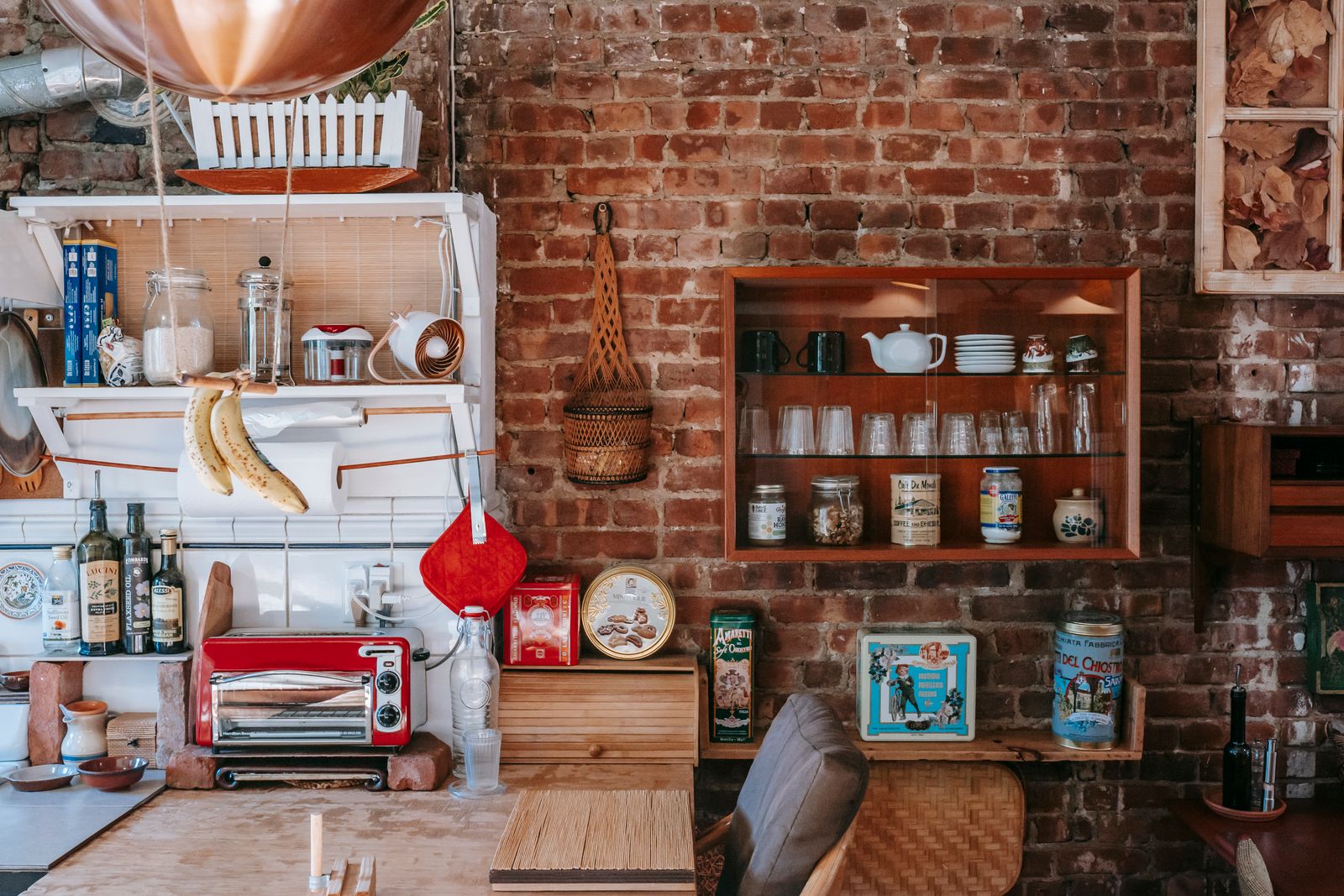
1. Saved Containers and Stacks of CorningWare
The first item is a cabinet of saved containers and bakeware. According to Yarborough, grandmothers saved margarine tubs, jelly jars and coffee canisters for leftovers, and stacks of CorningWare sat right beside them. She writes that she misses the vintage blue-patterned baking dishes that once appeared on the holiday table.
Those dishes have a real history. CorningWare was introduced in 1958 and became famous for its white glass-ceramic dishes with the blue cornflower design, which could go from freezer to oven to table. Saving every container also fits one of the Boomer habits that are making a comeback.
2. A Drawer of Vintage Gadgets
The second item is the kitchen drawer of oddities. Yarborough lists a hand-crank mixer, an egg separator, a flour sifter, an angel food cake breaker and a meat-tenderizer mallet, and notes that many have since been retired or replaced. Part of the charm is how specific the tools were. A drawer like that suggests a cook who made the same recipes for decades and wanted the right tool for each step.
3. Margarine, Oleo and the Butter Dish
Third, a tub of margarine, sometimes called oleo, was kept stocked for the holidays, according to the article. A covered butter dish also lived on the counter, and Yarborough notes that butter can be kept at room temperature. Like the saved jelly jars, the stocked margarine tub says something about planning ahead: a holiday meal needs plenty of spread, and no cook wanted to run out with the rolls already in the oven.
4. Pastel Appliances
The fourth item is color. Southern Living says kitchens once featured pastel and bright appliances, such as a pink mixer beside a green toaster, and that the look has come back in newer forms. The pastel era later gave way to harvest gold and avocado, and the return of colorful appliances is part of a wider taste for kitchens with personality over uniform white.
5. The Plate Wall
Fifth, fine china often hung on a kitchen or dining room wall as decoration, which the article calls a classic Southern design choice. Yarborough describes a beautiful dinnerware set as a work of art, and the plate wall shows that logic at work: the dishes were meant to be seen, not only used.
6. A Themed Collection
Sixth, grandmothers often collected around one theme, such as roosters, owls, dogs or florals. The article’s example is rooster decor, which spread from salt and pepper shakers to cookie jars. A theme gave a collection a reason to grow, since every birthday and holiday brought another piece for the shelf.
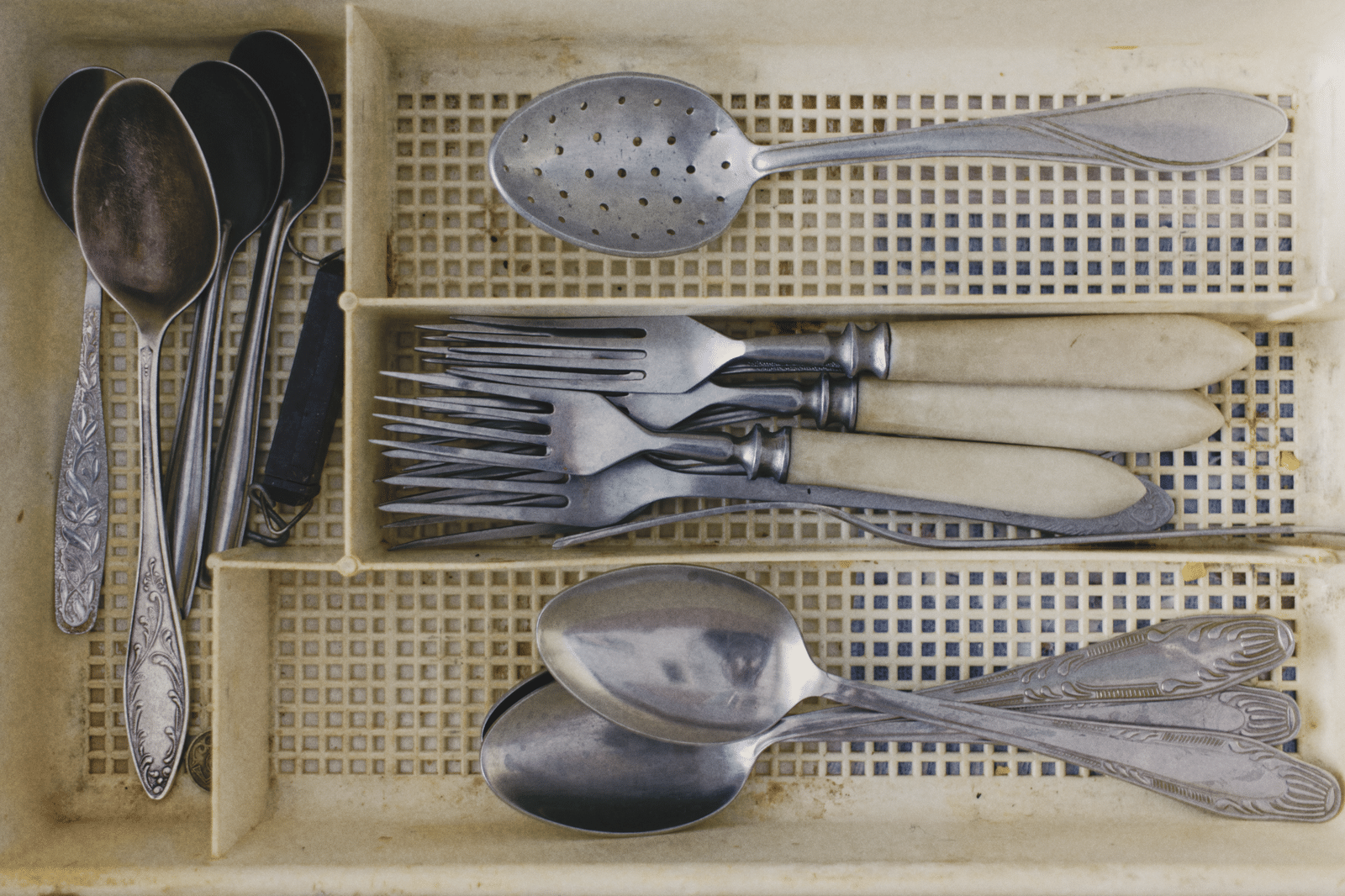
7. The Good Silver
The seventh and final item is the pristine silver collection. Families polished the good silver before holidays, often with grandchildren helping, Southern Living says. Serving pieces and flatware were stored away and sometimes locked up, and the sets are often passed down.
The silver may be the most telling of the seven. Locking pieces away meant they were saved for people, not for everyday use, and polishing them was a job handed to grandchildren as a kind of rite. A child holding a soft cloth next to a grandmother learned which fork went where, and why the set mattered, long before reading any etiquette book.
A Kitchen as a Family Archive
Taken together, the 7 items turned an ordinary kitchen into a small archive of how a family cooked, saved and celebrated. Many of these pieces still turn up at holiday tables today, from inherited silver to a well-used CorningWare dish, and they overlap with the priceless items Boomers should hold on to, no matter the offer.
For younger cooks, the lesson may be less about the objects and more about the habits behind them: planning for a crowd, saving what can be reused and treating a holiday table as something worth preparing for. The dishes those kitchens produced live on in the timeless comfort foods many families never outgrow, and the stories behind them are worth asking about before they fade, since unasked questions show up often in lists of common regrets people often experience in adulthood.
This article was written with the help of AI tools and checked against the sources linked above.




