

In recent years, frustration with tipping culture in the United States has reached new highs. According to a 2023 Pew Research Center survey, nearly 72% of Americans say tipping is expected in more places than it was five years ago, while only about one-third feel confident about when and how much to tip.
Meanwhile, a Bankrate report found that 63% of Americans view tipping negatively, citing pressure, confusion, and rising costs as key concerns. What was once a simple gesture of appreciation has evolved into a widespread source of stress and debate.
Here are 9 reasons why many Americans are growing tired of tipping.
Global Comparison and Confusion

Americans who travel abroad often realize that the U.S. is one of the few countries with such a pervasive tipping system. In many other developed nations, a service charge is built into the menu price, and tipping is a rare gesture for exceptional effort.
This contrast highlights the inefficiency of the American model and makes the domestic experience feel like an unnecessary burden. The all-in pricing model leads to more predictable costs for tourists and locals alike in most foreign cities.
Many people find it refreshing to pay exactly what is listed on the menu without any extra math. Maintaining your financial well-being is much easier in countries where the price you see is exactly what you pay.
The Proliferation of “Tip Creep”

Tipping prompts now appear in places where service has traditionally been included in the item’s base price. Consumers are being asked to leave a gratuity at self-checkout stands, convenience stores, and even online retail shops with zero human interaction.
This expansion makes every transaction feel like a request for more money, regardless of the level of assistance provided.
A major survey shows that roughly 72 percent of Americans feel they are being asked to tip in significantly more places than they were just five years ago. Managing your daily budget is becoming more difficult as every small purchase comes with an unexpected 20 percent surcharge.
Pressure from Pre-Service Prompts

Modern payment systems often require customers to select a tip amount before they have even received their food or experienced any service. This creates discomfort and uncertainty, as patrons must guess the quality of the interaction they are about to have.
Many feel this practice undermines the original purpose of a tip: a reward for a job well done.
According to Lu Lu of Temple University, “Pre-service tipping often triggers negative emotions such as discomfort and uncertainty, especially when customers can’t see the service being performed.” Choosing a healthy lifestyle often involves frequent visits to juice bars where these awkward digital interactions are most prevalent.
The “Watchful Eye” Effect

The physical design of modern point-of-sale tablets often makes it easy for workers to see exactly how much a customer chooses to leave. This leads to a phenomenon known as guilt tipping, where people pay more to avoid a potentially awkward social interaction.
Many Americans resent feeling emotionally blackmailed into giving more than they originally intended for a simple transaction.
Survey data from 2025 reveals that 13 percent of Americans admit to tipping more when they feel the cashier or their peers are watching them. Investing your money into a simple cup of coffee should not come with a side of performance anxiety every morning.
Inflated Suggested Percentages

Standard tip suggestions on digital screens have slowly crept up from the traditional 15 percent to start at 20 or even 25 percent. This “tipflation” makes customers feel as though they are being cheap if they choose a lower, but historically appropriate, amount.
The high percentages are often calculated on the total bill after taxes and fees, which further inflates the final cost.
Save this article
Data show that 63 percent of Americans now view the current tipping system negatively, a significant increase from previous years. Driving to a full-service restaurant now requires a mental calculation of nearly 30 percent extra when factoring in tax and gratuity.
Hidden Service Fees and Surcharges

Many restaurants have started adding mandatory service charges or “wellness fees” to the bill while still prompting for a traditional tip. This double-dipping leaves consumers confused about where their money actually goes and whether staff are being fairly compensated.
Most patrons find it frustrating to navigate a complex bill that hides the true cost of their meal behind multiple line items.
Economic surveys show that 16 percent of respondents would prefer higher menu prices if it meant eliminating the tipping system. Buying a simple meal from a grocery store with a deli counter is one way to avoid these hidden and confusing fees.
Lack of Wage Transparency

Consumers are often left in the dark about how much of their tip actually reaches the worker rather than the business owner. Confusing state laws regarding tip credits and minimum wages vary widely, making it hard for patrons to know when a tip is truly required.
This lack of transparency leads to a general sense of distrust and frustration with the entire compensation model.
Ted Jenkin, a financial expert, says many Americans want to tip for a job well done, but they don’t want to be told what to tip while someone watches them enter their tip. Planning a long trip across state lines often requires researching local wage laws to understand tipping expectations.
Automated and Self-Service Tipping

The rise of automated kiosks that ask for tips has struck a chord with consumers who feel that no service was actually provided. Many find it absurd to be prompted for a 20 percent tip when they did all the work of ordering and carrying their own food.
This technology is often seen as a way for corporations to shift labor costs to customers without providing any human value. These prompts create significant friction and can actually decrease customer loyalty over time for some brands.
Most people feel that tipping should be reserved for genuine human interactions and personal effort. Grabbing a quick snack for a long drive should be a simple transaction without a request for a digital donation.
Inequity Between Front and Back of House
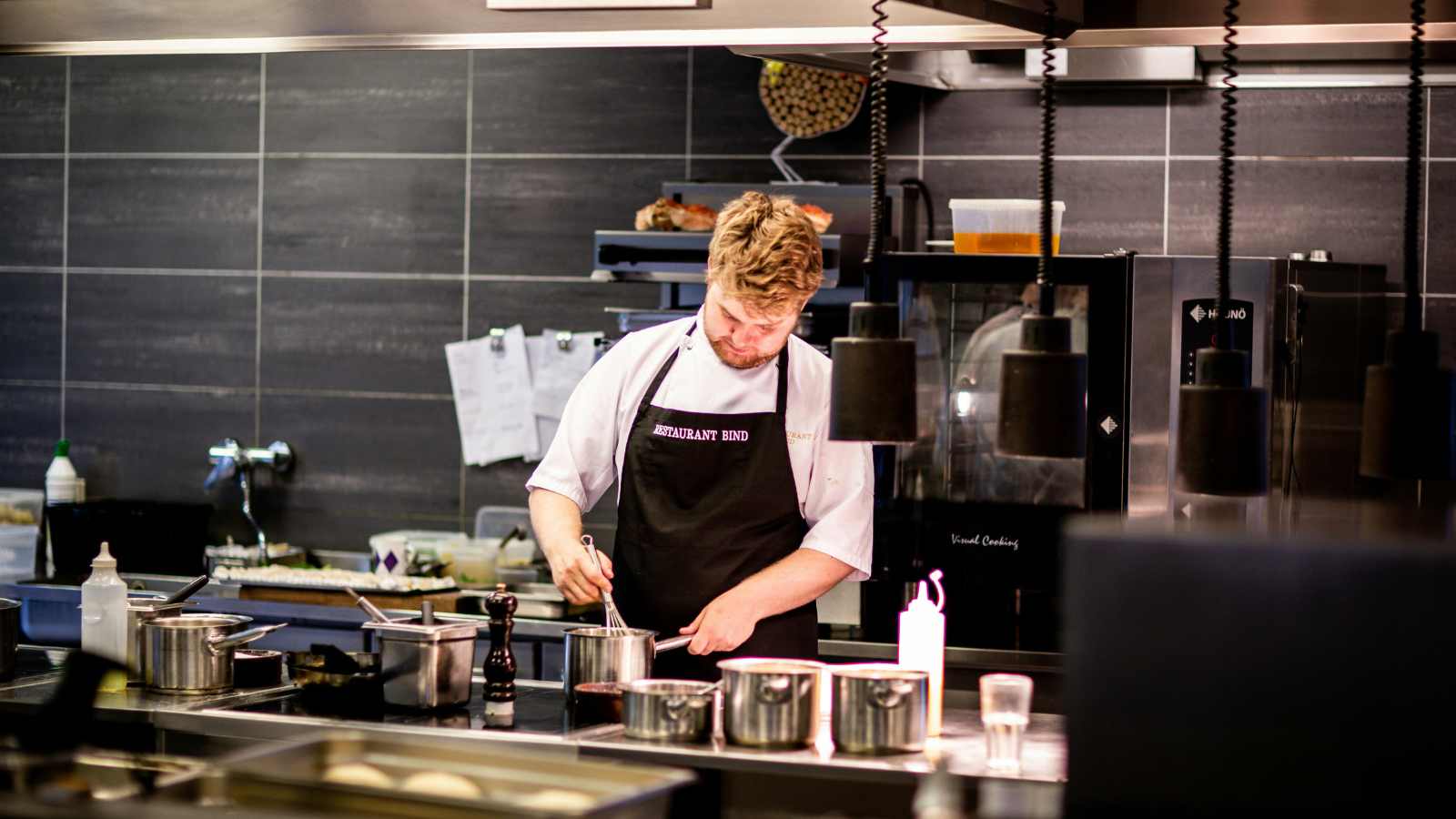
Tipping rewards visible staff, primarily servers and bartenders, leaving kitchen workers with much lower total earnings. This creates a significant wage gap within the same building and can lead to tension and high turnover in the heart of the house.
Many customers find this internal inequality to be a major flaw in the traditional tipping business model. This disparity is one of the primary reasons some restaurants are adopting a mandatory service charge for all staff.
Choosing a high-quality food item at a local market helps ensure your purchase supports a more equitable pay structure. Customers are becoming more aware of how their gratuities are distributed across the entire team.
Key Takeaways

Consumers are increasingly frustrated by the expansion of tipping prompts into non-traditional retail settings and automated kiosks. The pressure of pre-service tipping and the visibility of digital prompts have turned a voluntary reward into an awkward social obligation. Many Americans would prefer a more transparent system in which higher wages are built directly into menu prices, eliminating confusion.
Disclaimer: This list is solely the author’s opinion based on research and publicly available information. It is not intended to be professional advice.
Like our content? Be sure to follow us





