

Leftover rice is not safe. Tens of thousands of Americans suffer from food poisoning incidents associated with starchy leftovers like rice every year.
According to the Cleveland Clinic, approximately 63,400 cases of Bacillus cereus food poisoning occur in the U.S. each year. This particular bacterium is heat-resistant in spore form and will multiply rapidly under inadequate handling. Leftover cooked rice stored without rapid cooling or in shallow containers is tempting fate.
Refrigeration Is Not A Cure All
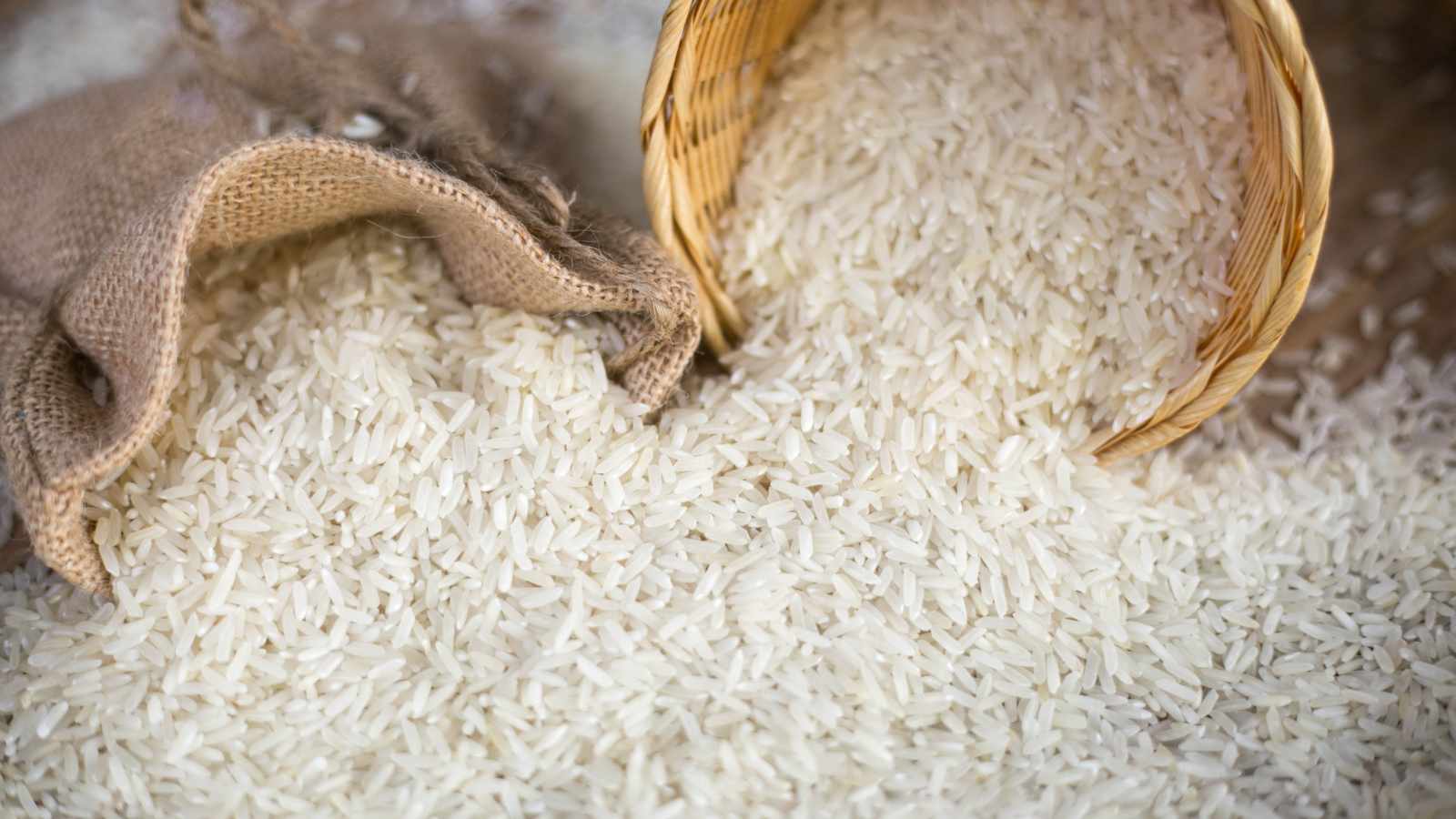
And though you might think refrigeration cures all, the spores of B. cereus can withstand standard cooling and even proliferate at low temperatures. In America, the trend toward big-batch cooking and meal prep leaves more cooked rice sitting in fridges beyond safe storage time limits.
So yes—you can safely store cooked rice in the fridge—but only after taking very stringent measures. Here are nine reasons you should never store cooked rice without precautions.
Risk of B. cereus contamination

Cooked rice often harbors spores of B. cereus because raw grains are likely to retain them. The spores are heat-resistant and may germinate if the cooled rice is stored at unsafe temperatures. For example, a review noted that B. cereus “can grow in temperature conditions as low as 4 °C in rice-based foods.
Because home refrigerators usually linger close to ideal “safe” temperatures, the threat is very real. In essence, you can be harboring bacteria that synthesize toxins in your refrigerator, thinking that it is safe.
Improper cooling leads to toxin formation

Even if you keep rice in the refrigerator, cooling it is significant. Rice kept in the “danger zone” (around 40-140 °F or 4-60 °C) for a period of time will have B. cereus spores develop into active bacteria that produce toxins. It took less than 10 hours at 24 °C to reach the “critical value” of 5 log cfu/g (a hazardous bacterial count) in a study published on ResearchGate.
Therefore, simply putting a pot of rice in a large bowl and not even bothering with it for several hours is asking for trouble.
Fried rice syndrome is a real threat

“Fried rice syndrome” is the informal name for food poisoning caused by B. cereus in starchy, reheated leftovers—especially rice. Symptoms can include vomiting within 30 minutes to 6 hours (emetic type) or diarrhea within 6–15 hours (diarrheal type).
Because most American meal-preppers think rice is “safe” in the fridge, this syndrome sneaks in unnoticed.
Spores resist refrigeration

You might think “keeping rice in the fridge solves it,” but that’s not true. B. cereus spores are resistant to cooking and to refrigeration. Even if the cells are repelled, the toxins they’ve already produced cannot always be destroyed by refrigeration or heating. Thus, refrigeration is necessitated, but alone, not enough.
Moisture in rice promotes bacterial growth

Cooked rice has a preserved surface area and moisture—both of which are conducive to bacterial growth. A professional, Dr. Lee clarified that the many small grains in rice have more surface area than, say, a steak, which means there are more places for germs to grow.
If you put rice away in a deep pan or with stifled steam, the internal temperature could be higher longer, and bacteria multiply. So the way you store is just as crucial as the storage itself.
Reheating does not eliminate toxins

You may believe that reheating leftover rice is safe. Not exactly. While reheating will kill some bacteria, it will not consistently eliminate toxins already produced by B. cereus.
Save this article
The toxins may still be present even if the rice looks, smells, and tastes fine. So reheating is not a guarantee of safety.
Bulk storage increases risk

Large servings of cooked rice cool irregularly. The center of a large pot may take longer to cool, giving bacteria a chance to multiply. Scientists demonstrated that cooked rice held in large amounts was more susceptible to contamination.
Most homes cook large servings for ease, so that problem is exacerbated. Cooling the rice faster with smaller trays reduces that threat.
Fridge temperature fluctuations undermine safety

Your fridge will never be safe at that temperature. When the door is opened frequently or the appliance is overloaded, internal temperatures can rise above safe levels.
Rice should be placed in shallow dishes and refrigerated rapidly to below 5 °C, according to an expert. It can raise the internal temperature and possibly spoil nearby contents by storing warm or hot rice in the fridge. Fridge use is not adequate if the entire process is not regulated.
Safer alternatives exist

Rather than keeping reheated rice in the refrigerator for hours, you can adopt safer practices. For example: serve the rice immediately, or quickly cool it in shallow containers; keep within 1 hour, and consume within 1–2 days, or freeze for longer. By doing so, you have convenience and safety.
Key takeaway

Cooling cooked rice may be safe—but only if you act fast, refrigerate properly, and stay on a tight schedule. The actual danger is leaving rice to soak, cool slowly, or stay wet and covered for hours or more. Sticking to prudent handling (shallow containers, refrigerate below 5 °C, use within a day or freeze) ensures you can eat rice without risking food poisoning.
So next time you’re cooking a great pot of rice, don’t shovel it into the fridge and forget about it. Treat it like the speedy, high-risk leftover that it is—and make the safe choice.
ALSO ON MSN: The Hidden Reasons Veganism May Not Work for Everyone
Disclaimer – This list is solely the author’s opinion based on research and publicly available information. It is not intended to be professional advice.
Disclosure: This article was developed with the assistance of AI and was subsequently reviewed, revised, and approved by our editorial team.
12 laws and rules about food in other countries

12 Laws And Rules About Food In Other Countries
Food is more than just nourishment; it’s a reflection of culture, tradition, and, in many cases, the law. Around the world, various countries have established distinct food regulations that may surprise travelers and food enthusiasts alike.
These laws reveal how deeply societies value what ends up on their plates. Here are 12 fascinating food laws and rules from around the globe that show just how diverse and sometimes unexpected our relationship with food can be.
16 grocery staples to stock up on before prices spike again
16 Grocery Staples to Stock Up On Before Prices Spike Again
I was in the grocery store the other day, and it hit me—I’m buying the same things I always do, but my bill keeps getting higher. Like, I swear I just blinked, and suddenly eggs are a luxury item. What’s going on?
Inflation, supply-chain delays, and erratic weather conditions have modestly (or, let’s face it, dramatically) pushed the prices of staples ever higher. The USDA reports that food prices climbed an additional 2.9% year over year in May 2025—and that’s after the inflation storm of 2022–2023.
So, if you’ve got room in a pantry, freezer, or even a couple of extra shelves, now might be a good moment to stock up on these staple groceries—before the prices rise later.





