

A Kroger checkout lane looks simple from the customer side of the belt. Items roll forward, the scanner beeps, a total appears and the receipt prints. Behind the register, though, cashiers are tracking a surprising number of details at once, from how fast they are moving to whether a coupon is legitimate to whether that green vegetable is a zucchini or a cucumber.
Grant Rynders, who wrote an unofficial training series called Kroger Cashiering for Humans based on his own time at the register, lays out many of those details in plain language. The guide is clearly labeled as not endorsed by Kroger, but it offers a rare look at the job. Combined with Kroger’s own policies and a few viral moments from the checkout lane, it points to 9 things Kroger cashiers pay close attention to. Shoppers looking to trim the grocery bill may also find ideas in these clever frugal living tips.
1. How Fast the Items Are Moving
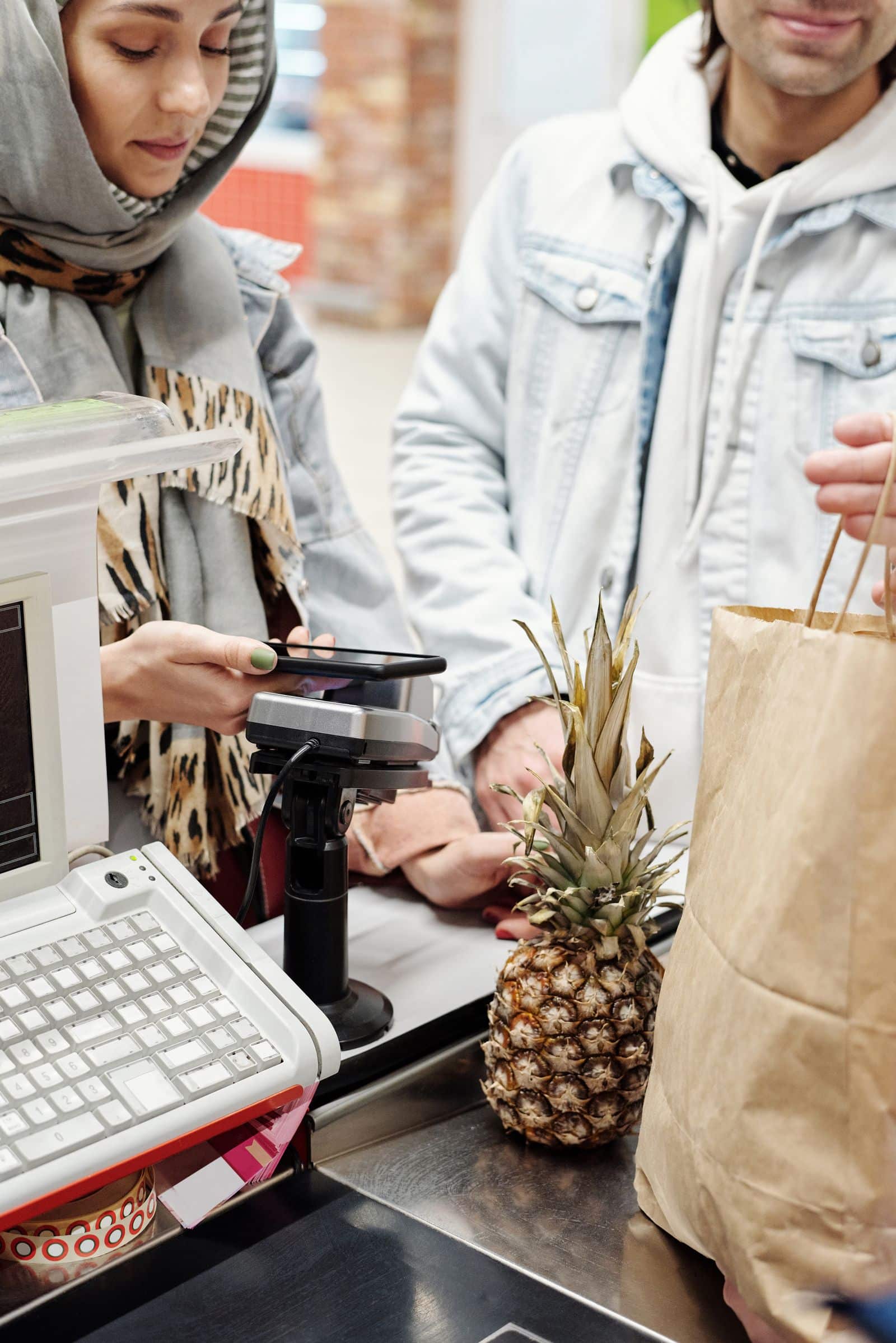
Speed is not just a matter of pride. Rynders refers to IPM, or items per minute, throughout the guide and offers tips for keeping that number high during slow stretches, such as totaling between items or locking the drawer during downtime so the timer pauses. Cashiers are aware of their pace in a way most shoppers never think about.
Some take it to an extreme. A clip of a Kroger cashier scanning and bagging about 20 items in roughly 21 seconds drew more than 2 million views, according to a report syndicated on inkl. The shopper who filmed it said the cashier finished before she even had her money out.
2. Whether the Shopper’s Card Gets Scanned
Much of Kroger’s sale pricing depends on the loyalty card. Rynders notes that cashiers can scan the card or type in the phone number tied to it, known as an Alt ID, and that shoppers can also enter that number on the pin pad themselves. Kroger’s coupon policy explains why timing matters: digital discounts are applied when the card is scanned and cannot be changed afterward.
That is why many cashiers ask for the card or phone number early. A shopper who remembers it only after paying may have already missed the savings. The same habit of checking every discount shows up in this list of easy tips to save money fast.
3. Digital Coupons That Did Not Come Off
When a clipped deal fails to apply, the cashier is often the one who has to sort it out. Rynders advises checking the Kroger app, the shelf label and the list of clipped coupons to track down a missing digital discount, and notes that many digital coupons carry a use limit, often 5. He also flags that the store’s “Make It Right” approach can conflict with digital coupon rules, which is why cashiers are told to follow their managers on close calls.
Kroger’s policy adds that it only accepts digital coupons found in its own app or website.
4. Expired, Copied or Blurry Paper Coupons
Paper coupons get a close look. Kroger’s policy states plainly that expired coupons will not be accepted, and it also refuses coupons that are copied, blurry, out of proportion or altered. The same policy limits shoppers to one coupon per item and caps redemptions of the same coupon at three per day per household unless the coupon says otherwise.
Rynders adds that flat-dollar offers, such as a set amount off a larger purchase, should not be keyed in by hand. Cashiers notice when a stack of coupons does not match the rules, and the store manager has the final say on any offer, according to the policy.
5. Produce That Looks Like Something Else
Ringing up fruits and vegetables takes real attention. Rynders points out that zucchini has a rooty cap and ridges while cucumbers are smooth with no cap, and that broccoli crowns are sold by weight while bunched broccoli is usually sold by quantity under a different code. He also notes that green bell peppers are cheaper than the other colors, which are priced the same as one another.
A wrong guess at the register can change the price. Cashiers who know their produce codes catch these mix-ups before the receipt prints. Smart storage helps that produce last once it gets home, as this list of essential items to keep in the refrigerator suggests.
6. Stickers Buried Under Plastic Bags
Produce stickers are small, and they often end up wrinkled inside a plastic bag. Rynders recommends scanning a barcode whenever one is available, taking produce out of the bag or flattening the bag over the tag, and panning the handheld scanner slowly. If that fails, cashiers type in the 4- or 5-digit code from the sticker or search for the item by name or category.
Shoppers who leave stickers facing outward, or bag loose items so the label is visible, make that step much faster.
7. Barcodes That Will Not Scan
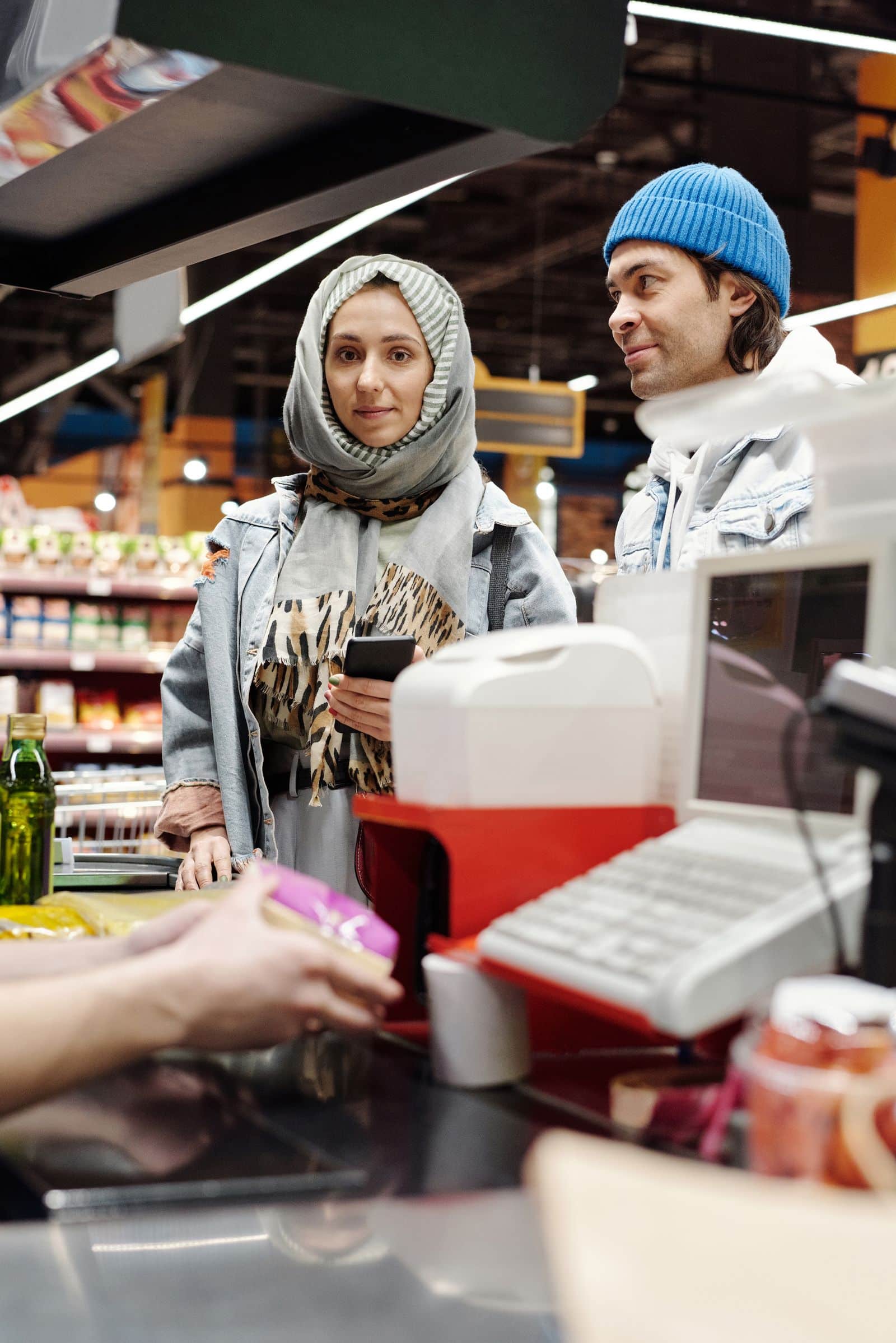
Torn packaging and smudged labels happen constantly. In the FAQ section of his guide, Rynders explains that cashiers can type in the numbers from a damaged barcode, grab a duplicate item, scan a photo of the shelf tag, or look up the product code in the Kroger app. Manually entering a department price for an item that is not found requires a manager’s approval.
He is especially firm on one point: age-restricted products such as alcohol and cigarettes should never be entered manually.
8. Cash That Does Not Feel Right
Cashiers are also on the lookout for counterfeit bills. Rynders lists several warning signs, including unusually large bills used for very small orders, requests to break bills over $20, gift cards paid for in cash, and customers who seem nervous or pushy. He advises checking a bill’s transparency features and texture and asking a manager, who has a detection light, when something seems off.
Large bills also get special handling once they are accepted. The guide notes that $50 and $100 bills are tucked under the drawer tray rather than left on top.
9. Instacart Shoppers in the Lane
Not every customer at a Kroger register is shopping for themselves. Rynders notes that Instacart is not affiliated with Kroger, that Instacart shoppers complete their own orders, and that cashiers should not do that work for them. Instacart orders use a separate payment step, and he warns that the online payment option cannot be undone, so cashiers confirm the order is ready first.
Scanning the Instacart barcode at the wrong point can force the cashier to void the whole transaction and start over, which is one reason cashiers watch closely when a shopper pulls out a delivery-app order.
What Shoppers Can Take From These 9 Details
Much of what cashiers notice comes down to accuracy. Correct produce codes, valid coupons and a properly scanned loyalty card all affect what shows up on the receipt. Shoppers have their own role to play, too. In one TikTok covered by the Daily Dot, a shopper said he found about $8 more than expected on his total at a Kroger self-checkout. A cashier removed the charge, and the shopper urged others to check their receipts.
A little preparation, such as having the loyalty card or phone number ready, clipping digital coupons ahead of time and keeping produce stickers visible, tends to make the lane move faster for everyone. For more on what goes on behind the scenes at grocery stores, see these subtle grocery store tricks customers rarely catch and these red flags to watch out for when grocery shopping.
This article was written with the help of AI tools and checked against the sources linked above.




