

We’ve all been stuck in a conversation we secretly don’t care about, wishing for a polite escape hatch.
Not every conversation requires your full emotional investment. Sometimes people overshare, vent, or go on tangents that don’t involve you, and it’s natural not to care deeply about them. The problem is that if you show it too bluntly, you risk sounding cold or dismissive. That’s where subtle phrasing and a bit of charm come in handy, helping you disengage without creating tension.
The trick isn’t about faking interest forever; it’s about exiting gracefully. Politeness serves as a social shield, especially in situations where you want to avoid unnecessary drama. Whether it’s a coworker ranting about office politics, a relative rambling about gossip, or a stranger pulling you into their personal saga, knowing how to step back without offense can make your life easier. Here’s how to do it.
I Hear You

Sometimes people want acknowledgment, not your input. Saying “I hear you” signals that you’ve listened without committing to caring too much about the details. It wraps things up without inviting more conversation. The key is tone; if you say it warmly, it comes across as respectful instead of dismissive.
That’s Interesting

This phrase works as a conversational parachute. It buys you an exit because it doesn’t add fuel to the discussion. Linguistics research refers to these as “polite-isms.” The other person feels validated, but you don’t have to take a stance. Use it when you’re in a group and don’t want to extend the topic further.
I Get What You Mean

People often explain things because they want to feel understood. Saying “I get what you mean” satisfies that need without requiring you to care deeply about it. Phrases like this help to validate feelings and help de-escalate tensions, according to Annak Law. It closes the loop while keeping the mood light. It’s perfect for situations where someone repeats themselves and you need to move on.
Fair Enough

Short and tidy, “fair enough” acknowledges the other person’s point without agreeing or disagreeing. It’s neutral and brings the back-and-forth to an end. Politeness theory suggests such neutral responses minimize face-threatening communication and preserve civility, especially in conversations where further engagement isn’t desired.
The beauty of this phrase is its versatility. It works in casual chats, debates, and even light arguments where you want to stop caring without sounding dismissive.
You Might Be Right

Deflection can be powerful. Saying “you might be right” shifts responsibility back to the speaker, giving them the satisfaction of being heard while freeing you from the need to argue or invest further. It’s polite, but it suggests you’re not investing more energy in the discussion.
That Makes Sense

This is the classic neutral closer. It acknowledges logic, even if you don’t care about the subject. People appreciate being told they’re making sense, and it lets you bow out without looking detached. Add a slight nod or smile, and the conversation naturally slows down.
I Appreciate You Sharing That

Save this article
This one works well in professional or polite settings. It shows gratitude without promising to care beyond the moment. It softens the exchange and makes you look thoughtful, even when you’re not invested. Use it with coworkers or acquaintances when you need to end politely.
Let’s See How It Goes
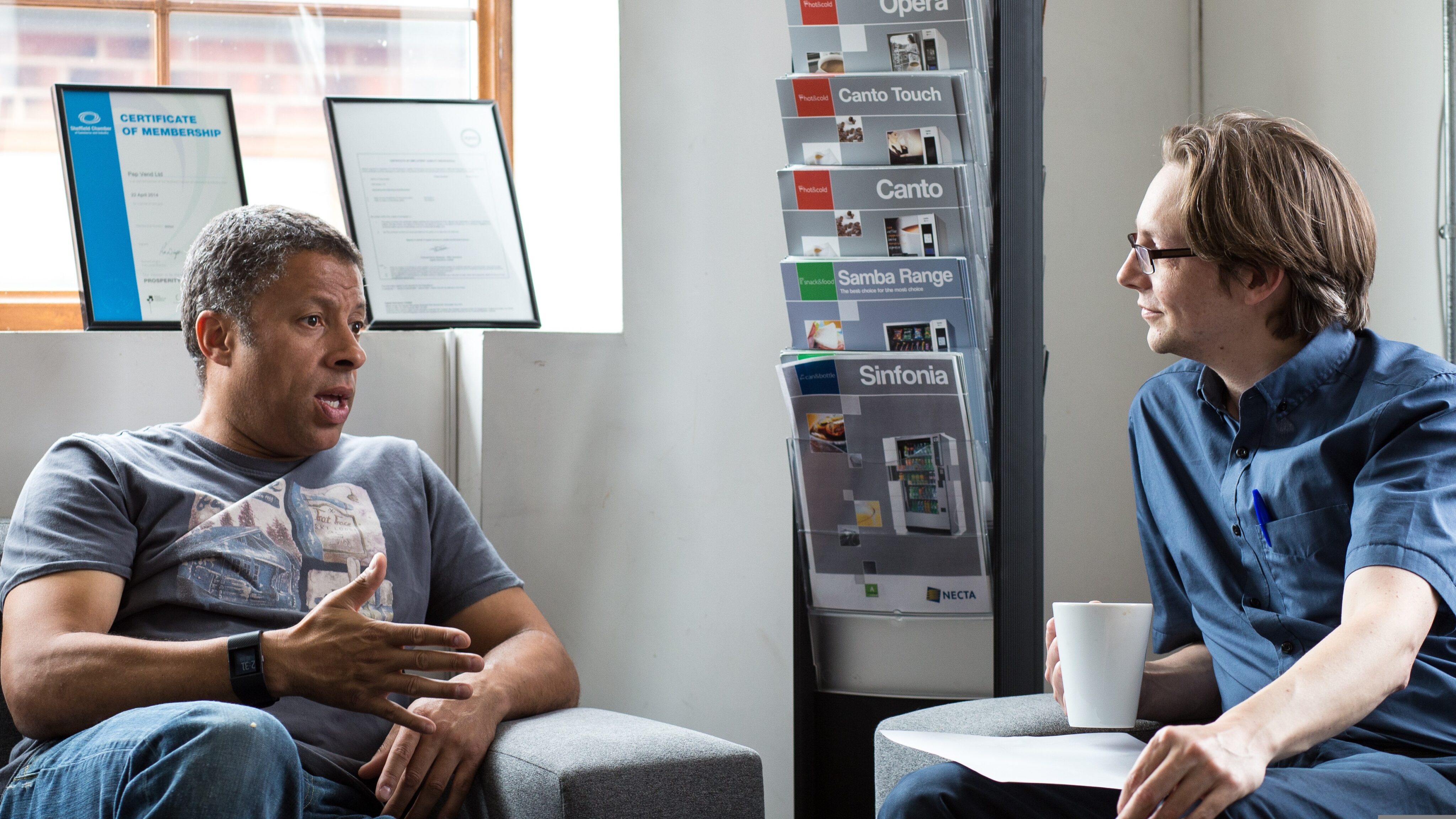
If someone is going on about their plans or predictions, this phrase helps you step back gracefully. You’re acknowledging their excitement but not pledging your own. It’s especially useful for topics you find unimportant, such as lengthy discussions about minor decisions or future speculation.
That’s One Way to Look At It

This phrase gives the other person space without requiring you to join them emotionally. It doesn’t shut them down, but it signals you won’t be diving into a long debate. It’s polite but also creates distance, keeping things neutral while still sounding engaged.
I’ll Keep That in Mind

Ending with this line works for advice, opinions, or unsolicited input. It makes the speaker feel valued, but you’re not promising to act on it. It’s polite, neutral, and wraps up the conversation neatly. Often, it’s the last step before smoothly transitioning to a new topic.
Disclaimer – This list is solely the author’s opinion based on research and publicly available information. It is not intended to be professional advice.
Like our content? Be sure to follow us.
How Total Beginners Are Building Wealth Fast in 2025—No Experience Needed

How Total Beginners Are Building Wealth Fast in 2025
I used to think investing was something you did after you were already rich. Like, you needed $10,000 in a suit pocket and a guy named Chad at some fancy firm who knew how to “diversify your portfolio.” Meanwhile, I was just trying to figure out how to stretch $43 to payday.
But a lot has changed. And fast. In 2025, building wealth doesn’t require a finance degree—or even a lot of money. The tools are simpler. The entry points are lower. And believe it or not, total beginners are stacking wins just by starting small and staying consistent.
Click here and let’s break down how.
5 Easy Steps to Change Any Habit

5 Easy Steps to Change Any Habit
We all click on them with the hope that just THIS time the secret to changing a bad habit or adopting a healthy one will be revealed and we’ll finally be able to stick to that diet, stop that one or ten things that might in the moment make us feel temporarily good but really just make us fat, unhealthy, sad, mad or just frustrated with ourselves.





