

The best meals don’t come from secret recipes, but from small, deliberate habits that transform everyday cooking.
You know that moment when you’re scrolling through social media and see someone making restaurant-quality food in their regular home kitchen? Yeah, that used to make me feel pretty defeated, too. But here’s the thing – those amazing home cooks aren’t using some secret magic. They just know a few key tricks that transform ordinary cooking into something special.
After years of burning dinner and wondering why my food never looked like the pictures, I finally cracked the code. These 15 tips are the real game-changers that separate good home cooks from great ones.
Keep your knives sharp

This one’s huge, and honestly, most people get it completely wrong. A sharp knife isn’t just safer – it’s your ticket to actually enjoying prep work. When your blade glides through ingredients instead of crushing them, everything changes.
Sharp knives need way less pressure, which means you have better control and fewer accidents. Kitchens that stay on top of knife maintenance see 50% fewer cutting injuries compared to places that ignore this basic step. But here’s what really sold me on keeping my knives razor-sharp: the flavor difference. When you hack at herbs with a dull blade, you’re basically bruising them and letting all those essential oils escape. Sharp cuts preserve the good stuff.
Season as you go
Forget everything you think you know about seasoning. That final sprinkle of salt at the end? That’s amateur hour. Real flavor development happens throughout the cooking process, not as an afterthought.
When you add salt and spices gradually, you’re building layers of taste that penetrate deep into your ingredients. Salt needs time to work its magic – drawing out moisture, breaking down proteins, and amplifying natural flavors. Waiting until the end leaves you with food that tastes like it’s wearing a salt costume instead of being genuinely well-seasoned.
Taste often
Here’s something that changed my cooking forever: tasting your food constantly while you cook. I used to think this was just about checking if it needed more salt, but it’s so much more than that.
Every time you taste, you’re gathering intel about texture, balance, and doneness. Is that sauce too acidic? Add a pinch of sugar. Are the vegetables getting mushy? Time to pull them off the heat. Professional chefs taste their food dozens of times during service because they know that small adjustments made early prevent big disasters later.
Read the recipe first
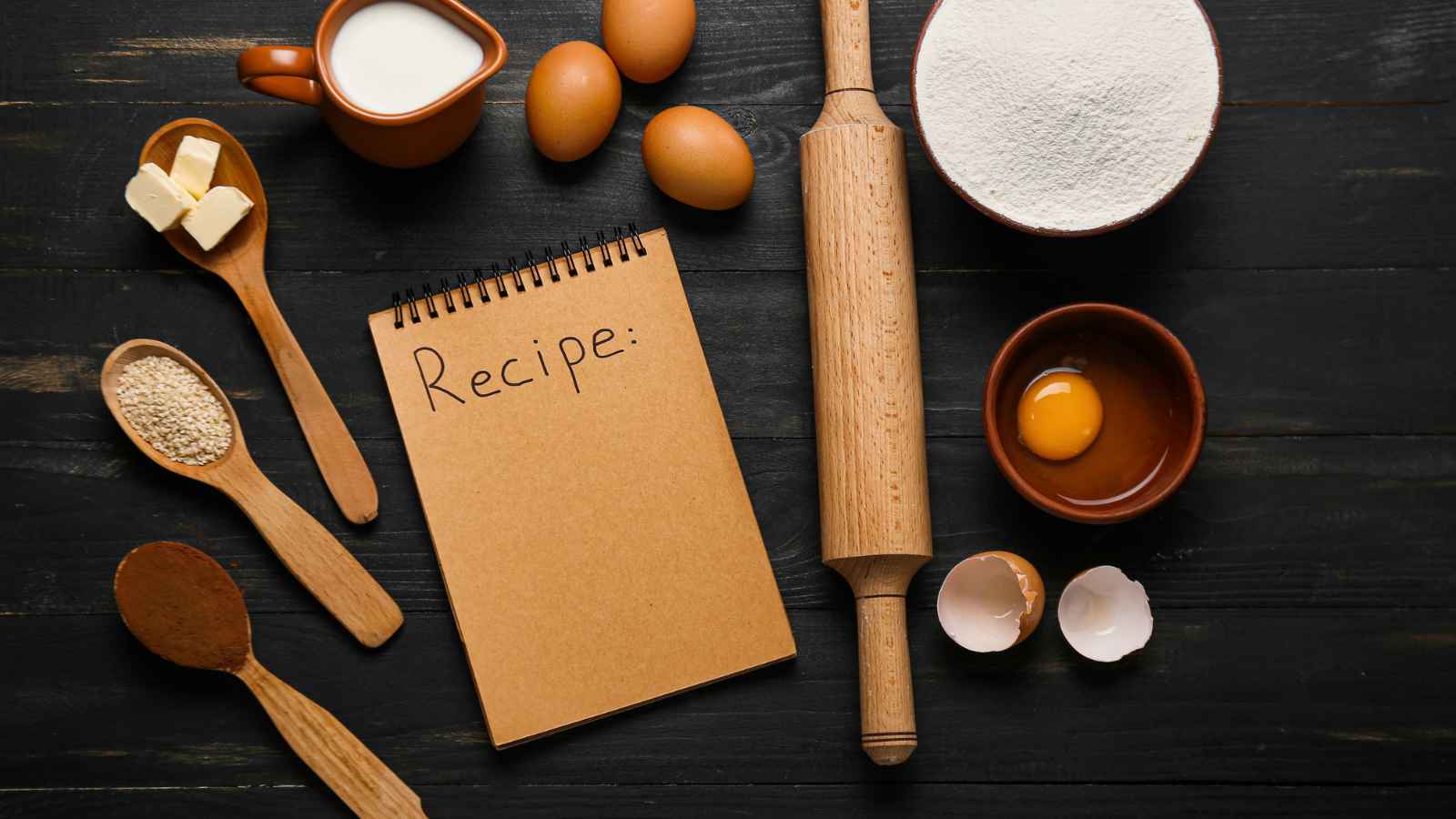
This sounds obvious, but you’d be amazed at how many people skip this step. I used to dive right in, only to discover halfway through that I needed to marinate something overnight or that my oven should have been preheating for 30 minutes.
Reading the entire recipe before you start isn’t just about avoiding surprises – it helps you understand the rhythm and flow of the dish. You’ll spot potential timing issues, realize when you need to multitask, and catch any special techniques or equipment you’ll need. It’s like having a roadmap for success.
Mise en place (Prep ahead)
The French have this concept called mise en place, which literally means “everything in its place.” It’s basically having all your ingredients prepped, measured, and ready to go before you turn on a single burner.
This isn’t just fancy chef stuff – it’s practical magic for home cooks. When you’re not scrambling to chop onions while your garlic burns, cooking becomes way more enjoyable. Research backs this up, too: organized prep leads to fewer mistakes and better results, even for beginners. Plus, you’ll feel like you’re starring in your own cooking show.
Don’t overcrowd the pan
This mistake kills more potentially great dishes than I can count. When you cram too much food into a pan, you’re not searing – you’re steaming. And steamed food is rarely what you’re going for when you want that beautiful golden-brown color.
Give your ingredients room to breathe. The pan needs space for moisture to escape and heat to circulate properly. Yes, this means cooking in batches sometimes, but trust me – the extra few minutes are worth it when your vegetables actually caramelize instead of turning into sad, soggy disappointments.
Let the meat rest
This tip always seems to spark debates, but the science is pretty clear. When you let meat rest after cooking, you’re giving the proteins time to relax and reabsorb their juices. Cut into a steak immediately, and watch all those flavorful juices run onto your cutting board instead of staying in the meat.
A controlled experiment by Cook’s Illustrated found that boneless pork loins sliced immediately after cooking lost an average of 10 tablespoons of liquid. Letting them rest for just 10 minutes reduced that loss to 4 tablespoons, a 60% decrease in moisture loss. I know it’s tempting to dig in immediately, but a little patience here pays off with every single bite. Cover it with foil if you’re worried about it getting cold.
Use a thermometer
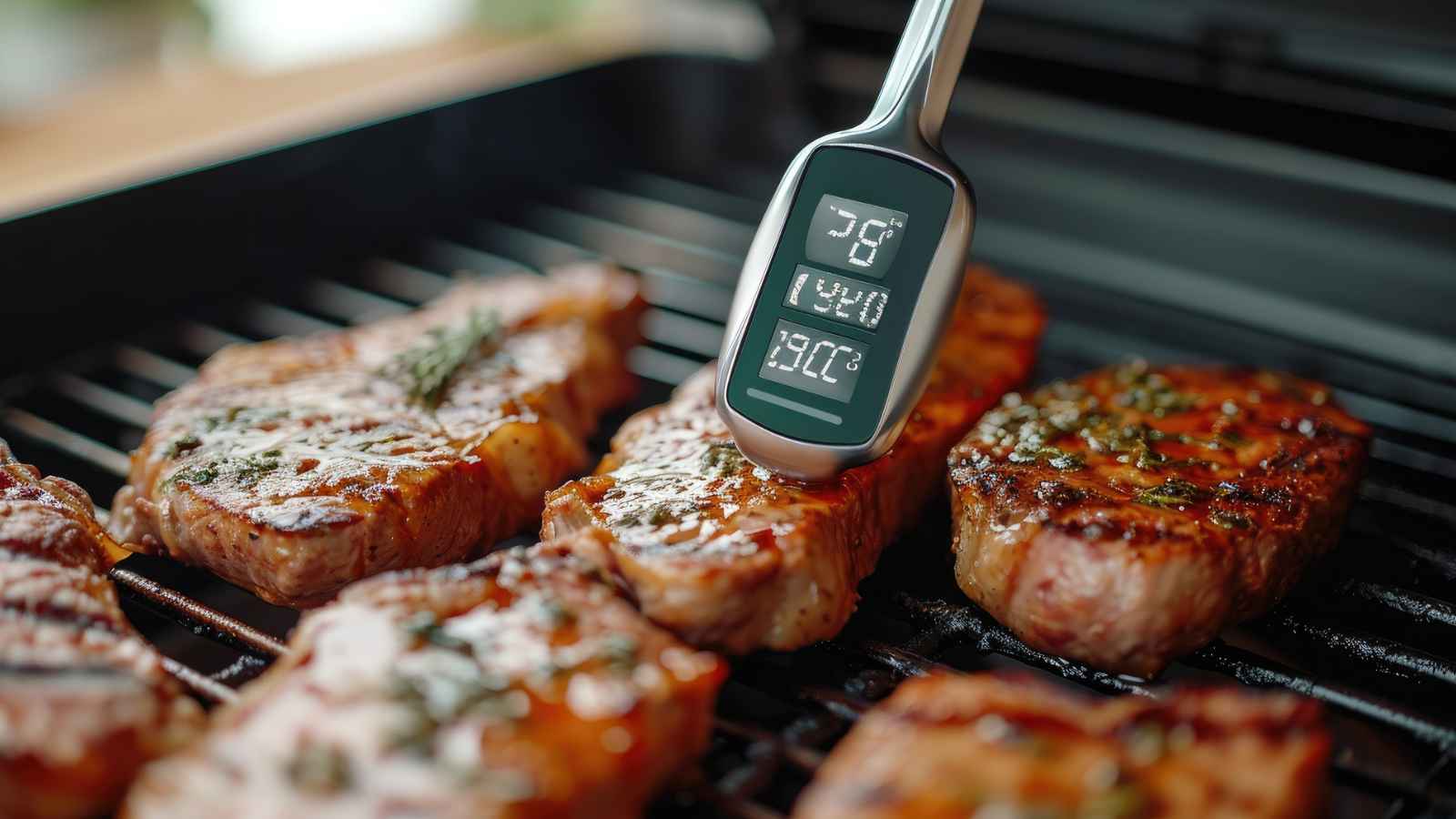
According to the Association of Nutrition & Foodservice Professionals, a 2014–2016 USDA study found that only 13.7% of home cooks used a food thermometer weekly. This is wild because they take all the guesswork out of cooking meat perfectly. No more cutting into chicken to check if it’s done or playing the “is this beef medium-rare or still mooing” guessing game.
Digital thermometers are cheap, fast, and incredibly accurate. They’re also your insurance policy against both overcooked disasters and food safety issues. Once you start using one consistently, you’ll wonder how you ever cooked without it.
Deglaze for flavor
Those brown bits stuck to your pan after searing? That’s not mess – that’s pure flavor gold waiting to be rescued. Adding a splash of wine, broth, or even just water to dissolve those caramelized bits creates an instant sauce base that’s better than anything from a bottle.
Deglazing is probably the easiest way to make your cooking taste more professional. Just make sure your pan is hot when you add the liquid – you want that satisfying sizzle that tells you you’re doing it right. Scrape up all those tasty bits and suddenly you’ve got a pan sauce that’ll make people think you’re some kind of culinary genius.
Save pasta water
That starchy, cloudy pasta water you usually dump down the drain? Keep some of it. It’s basically liquid gold for making sauces that actually stick to your noodles instead of sliding off.
The starch in pasta water acts as a natural thickener and emulsifier. Research shows that as pasta cooks, the starch content in the water increases, making it even better for creating silky, restaurant-quality sauces. A ladle or two added to your finished sauce will transform the texture completely.
Save this article
Store Herbs Properly
Fresh herbs can go from beautiful to brown faster than you can say “basil,” but proper storage can keep them fresh for up to two weeks. The trick? Treat them like the delicate plants they are.
For most herbs, trimming the stems and placing them in water (like a bouquet) works wonders. For more delicate ones like basil, wrap them gently in slightly damp paper towels before refrigerating. This keeps just enough moisture around them without creating the swamp conditions that lead to rot.
Invest in cast iron
I’m not saying you need to throw out all your other pans, but a good cast-iron skillet will change your cooking game. These things have been around forever because they work – they distribute heat evenly, retain it like crazy, and get better with age.
Unlike those non-stick pans that start flaking after a year, a well-maintained cast iron skillet can literally last generations. They’re perfect for everything from searing steaks to baking cornbread, and they actually add a tiny bit of iron to your food (which is actually good for you).
Clean as you cook
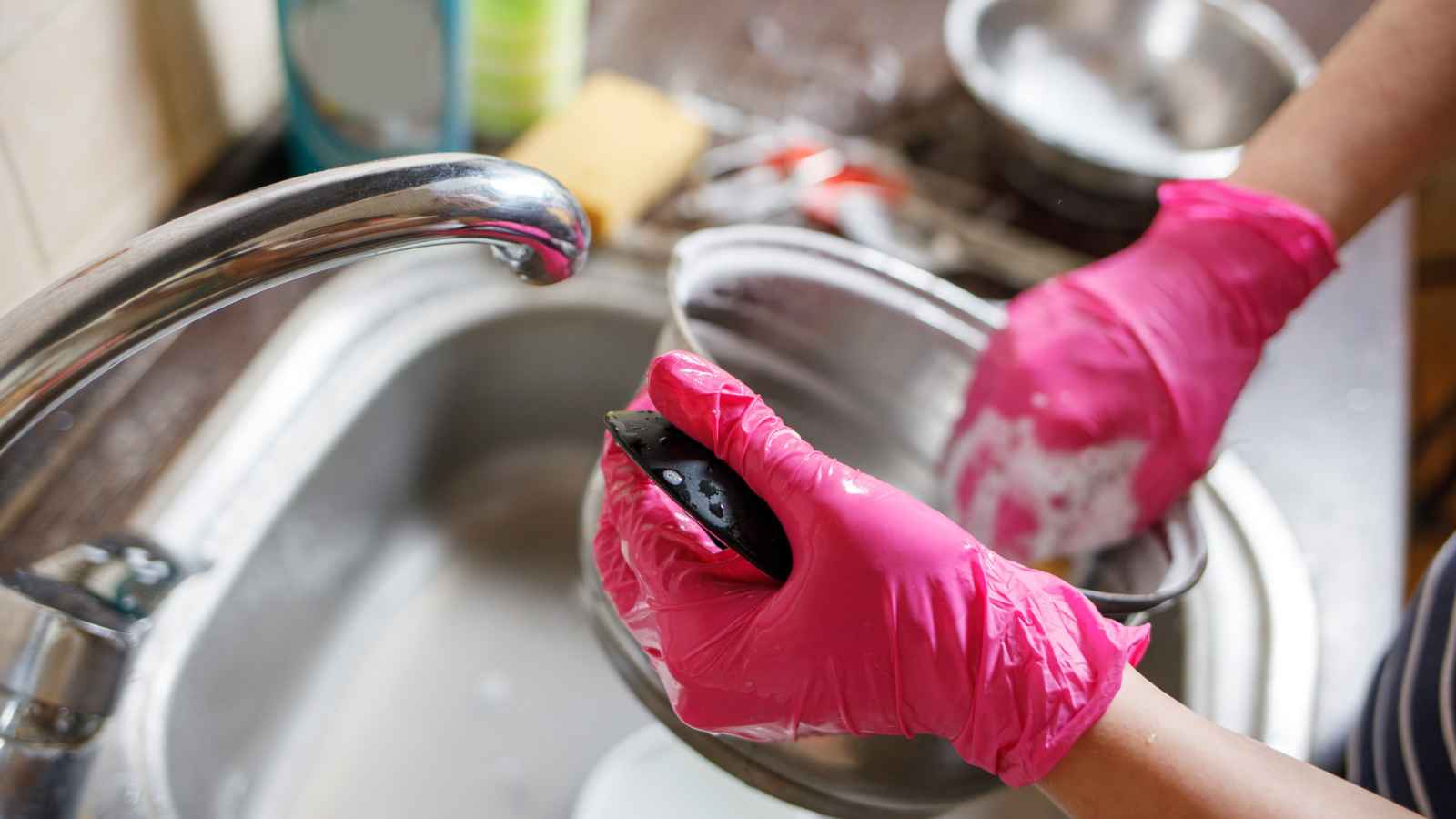
Nobody wants to face a mountain of dirty dishes after eating an amazing meal. The solution? Clean as you go. It’s not just about tidiness – it actually makes you a better cook.
A clean workspace helps you stay organized and focused. You’re less likely to accidentally grab the wrong ingredient or knock over something important when your counter isn’t covered in chaos. Plus, research shows that organized cooking environments lead to fewer accidents and better results overall.
Use acid to brighten flavors
When a dish tastes “flat” or “missing something,” acid is often the answer. A squeeze of lemon juice, a splash of vinegar, or even a tiny bit of pickle juice can wake up all the other flavors in your dish.
Acid doesn’t just add its own flavor – it actually makes other flavors taste more vibrant. It’s like turning up the volume on everything else in your dish. Professional chefs reach for acid constantly because they know it’s one of the fastest ways to make good food taste great.
Trust your senses
All the timers and thermometers in the world can’t replace your own senses. Learning to cook by smell, sound, and sight makes you more confident and creative in the kitchen.
That sizzling sound tells you if your pan is hot enough. The smell lets you know when garlic is perfectly fragrant versus when it’s about to burn. Your eyes can spot when onions hit that perfect golden color. These sensory cues are often more reliable than any recipe timing, and developing this intuition is what separates good cooks from great ones.
Disclaimer – This list is solely the author’s opinion based on research and publicly available information. It is not intended to be professional advice.
How to Save on International Money Transfers: What Banks Don’t Tell You

How to Save on International Money Transfers
Normally, I’d question the secret fees that are hidden in my bank’s international money transfer services. While banks sometimes advertise low transfer fees, they usually do not mention the substantial exchange rate margins that quietly siphon money out of your funds. It shouldn’t be expensive to send money overseas.
I’ve discovered seven practical strategies anyone can use to save on international money transfers. Whether you’re sending a hundred dollars to a family member or paying for a service in a foreign country, these tactics will help you hold onto more of your hard-earned cash.





