What was once America’s most affordable meal has quietly transformed into a reminder of how much everyday life has grown more expensive.
I remember grabbing a quick drive-thru dinner for my family, thinking it would be the “cheap” option, only to stare at the receipt and realize I could have made a full home-cooked meal for less. Fast food used to be the ultimate budget hack. But lately, those “value menus” don’t feel all that valuable, and people are noticing.
As per a LendingTree survey of over 2,000 Americans, a whopping 78% now consider fast food a luxury, not a budget-friendly convenience. Just under two-thirds (65%) said they were shocked by a recent fast food bill, and that figure jumps to 72% among parents with children under 18. When asked what they do for an “easy, inexpensive meal,” 56% said they cook at home, while only 28% still opt for fast food.
So, why has the land of $1 cheeseburgers turned into a place where lunch can cost as much as a sit-down meal?
Rising wages for workers

One big reason is wages. Many fast-food workers have fought for higher pay, with some states raising minimum wages to $15 an hour or more. While it’s good news for employees, restaurants pass those costs to customers.
In California, for example, the new minimum wage for fast-food workers of $20 has made headlines for pushing menu prices higher. Fair pay is important, but it doesn’t appear on your receipt.
Supply chain disruptions

Have you forgotten when supply chain issues were all over the news during the pandemic? Well, some of those problems never fully went away. Transportation costs, packaging delays, and ingredient shortages continue to increase expenses for restaurants.
For fast food chains that buy in massive bulk, even a tiny increase per ingredient adds up quickly. The end result is higher prices for us.
Beef prices are skyrocketing
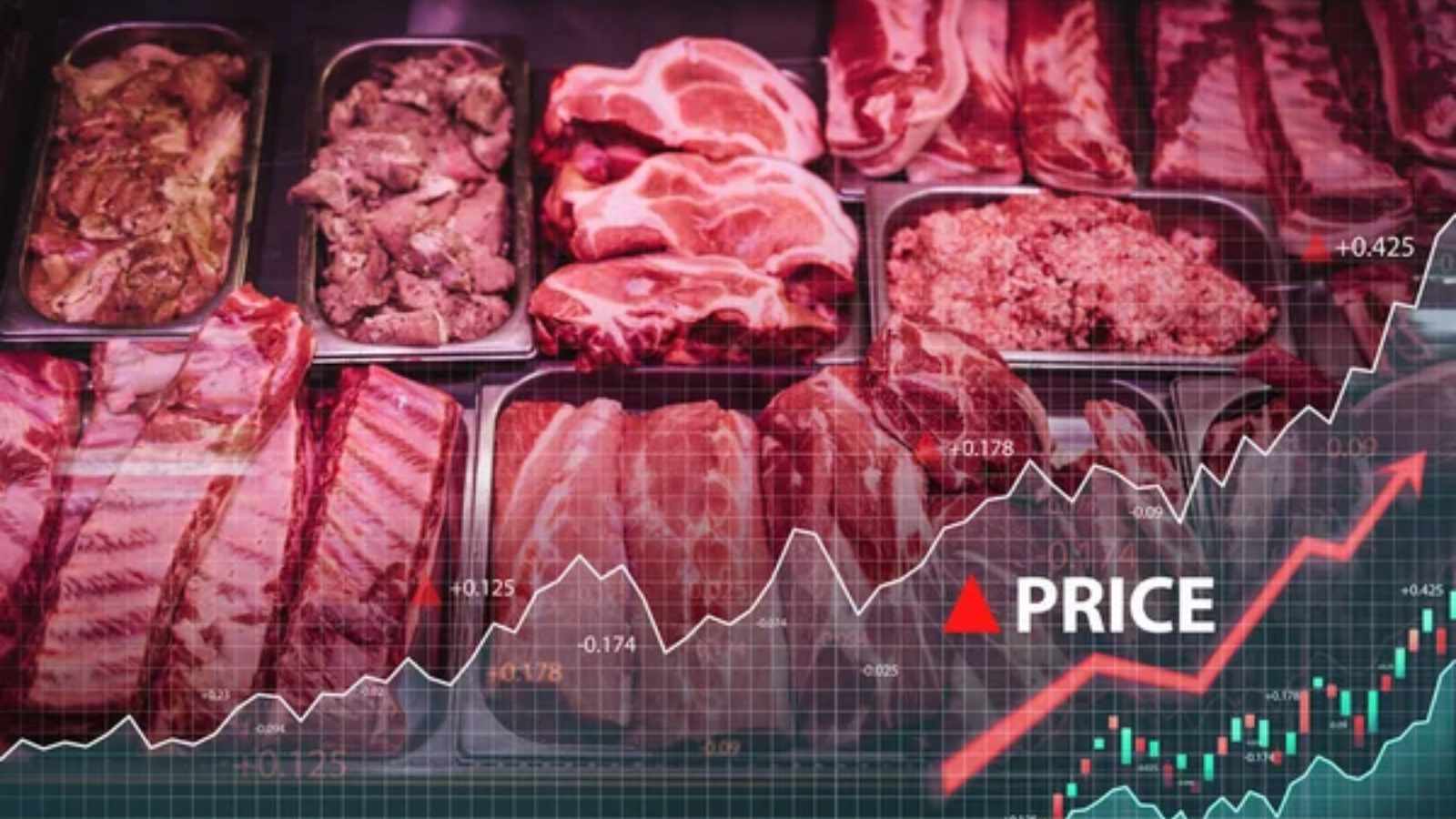
Research shows that nearly three-quarters of Americans consume beef at least once a week, and more than one-third rank it as their preferred source of protein. If you’ve noticed burgers getting pricier, you’re not wrong.
Beef prices in the U.S. hit record highs in 2023 due to droughts, smaller cattle herds, and rising feed costs. Since burgers are the backbone of many fast-food menus, the cost is passed directly to customers.
Healthier menu items aren’t cheap

Fast food chains have tried to rebrand themselves as healthier. Salads, grilled chicken, and plant-based options are now regular menu items. But producing those foods costs more than the old-school fries and nuggets.
Fresh vegetables, whole grains, and meat alternatives, such as Beyond Meat, all have higher price tags. So, ironically, “eating better” at fast food spots often feels like a splurge.
Inflation is hitting everything

It’s not just fast food; it’s the entire economy. Inflation in the U.S. surged over 9% in mid-2022, the highest in four decades, and though it has cooled, prices remain sticky. Food away from home is one category that hasn’t really dropped back down.
A FinanceBuzz analysis reveals that since 2014, fast-food menu prices have increased by 60%—nearly twice the rate of overall inflation during that period. That adds up fast when you’re used to dollar menus.
Delivery apps drive up costs

As of 2025, approximately 61% of Americans order food delivery at least once a week, with a significant portion of these orders comprising fast food. Ordering through Uber Eats, DoorDash, or Grubhub?
That “$10 meal” can suddenly look like $20 once fees, tips, and service charges are added. Even when restaurants partner with apps, they often raise menu prices online to cover commission fees. It’s the convenience tax we all grumble about but still pay.
The truth is, fast food wasn’t designed to come with a delivery surcharge. However, by 2025, many of us will be eating it that way.
Rent and utilities for franchises

Running a fast-food restaurant isn’t just about flipping burgers. Franchise owners pay high rents, as well as electricity, water, and maintenance bills.
Rising commercial real estate costs have put pressure on these small business operators. In cities, especially, landlords are charging a premium. Those costs don’t vanish, they get passed right into the menu.
Shrinking “value menus”
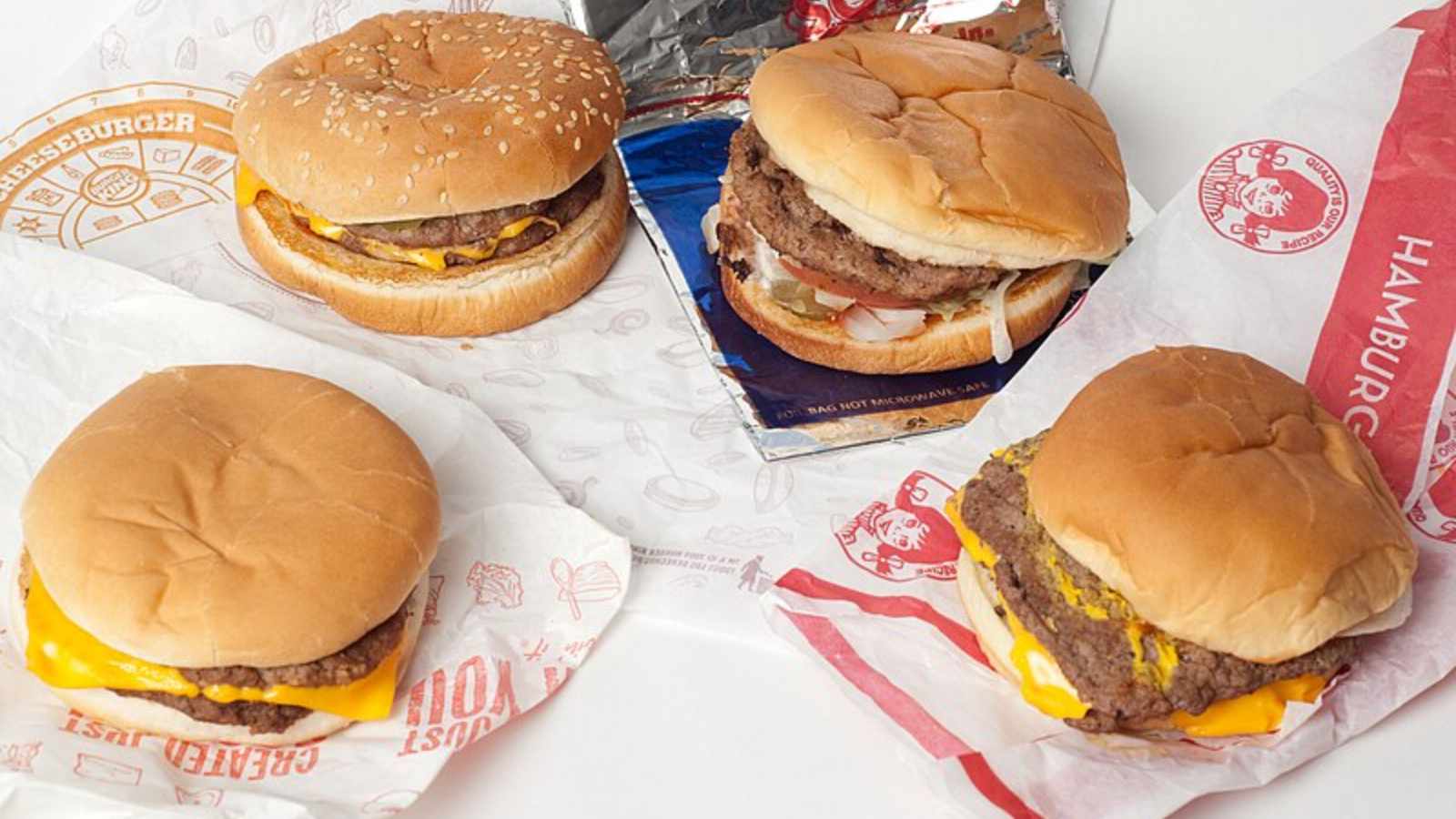
The days of true dollar menus are a thing of the past. McDonald’s, for example, retired its famous Dollar Menu years ago because it wasn’t profitable. Now, “value” often means $3 or $5 items, which just doesn’t feel the same.
Chains argue they can’t keep margins with $1 burgers when ingredients and labor cost more. Nostalgia may say otherwise, but reality prevails.
Marketing and tech upgrades
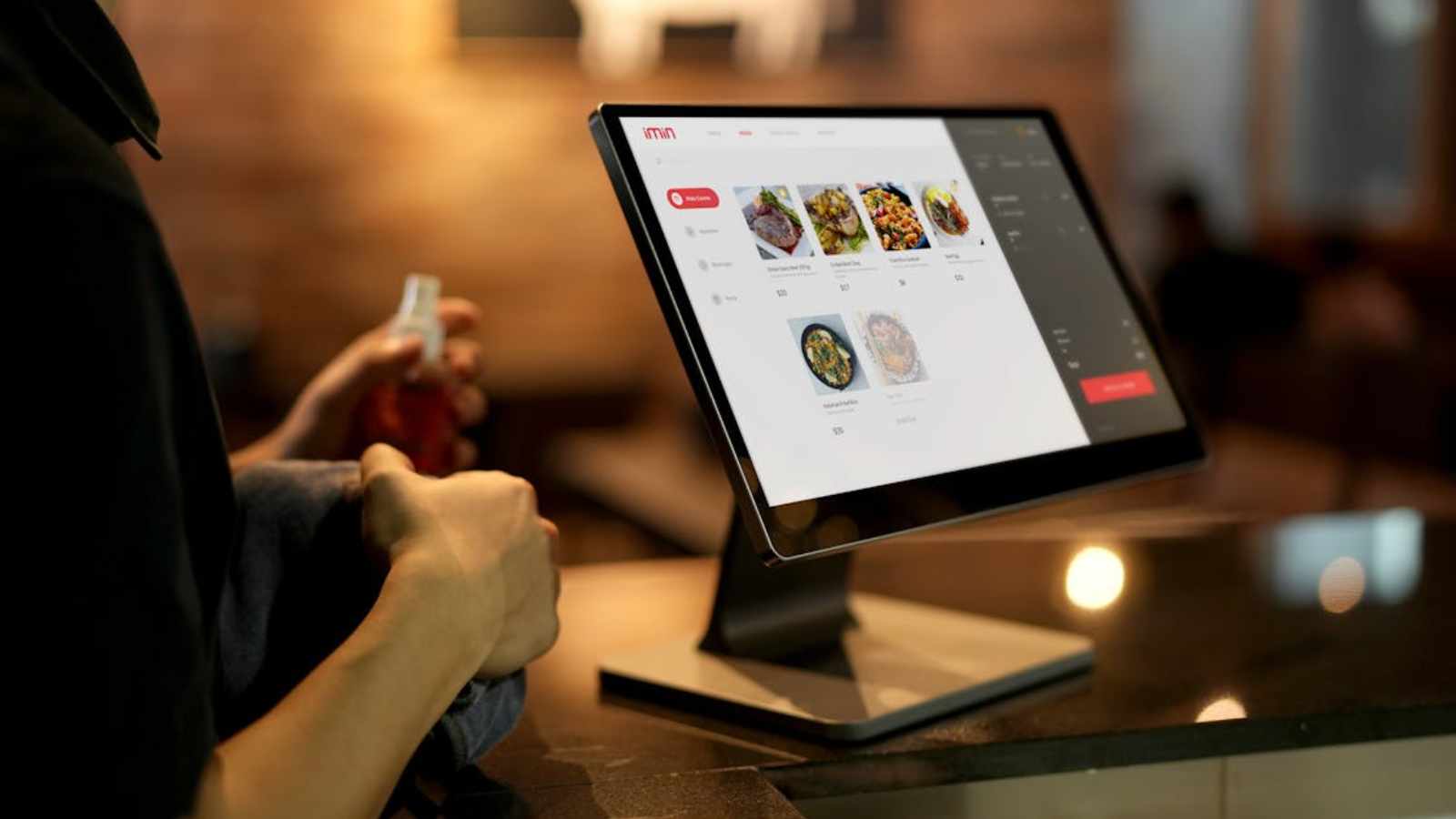
Ever noticed how flashy fast food menus look now, with touchscreens, rewards apps, and digital ordering boards? Those upgrades cost money. Big chains have invested billions in tech to speed up service and track customer data.
It’s convenient, sure, but the bill gets rolled into your fries. Fast food’s tech glow-up doesn’t come free.
Save this article
Portion sizes quietly changed
Some restaurants have chosen another route: shrinkflation. That means slightly smaller sandwiches, fewer fries in the carton, or thinner patties. The idea is that customers notice price hikes more than size changes. However, when both occur, smaller portions and higher prices, it feels like a double whammy.
CivicScience reports that 36% of consumers switch brands when they notice shrinkflation, while 16% stop buying the product entirely. The trend is extending beyond groceries; 60% of Americans say they’ve noticed shrinkflation in non-grocery items, including restaurant meals.
Competition isn’t as cheap

In the past, fast food establishments competed aggressively on price. Chains wanted to be the cheapest option to lure customers in. Now, with inflation, supply chain costs, and higher wages, it’s more about convenience than pure affordability.
Some chains are even positioning themselves closer to fast-casual restaurants, such as Chipotle or Panera. The “cheap eats” race just isn’t what it used to be.
People are eating out more

Ironically, demand for fast food remains strong. Americans spend about 5.6% of their disposable income on food away from home, according to the USDA.
When demand is high, there’s less pressure to keep prices rock bottom. Chains know people will still buy, even with higher costs. It’s simple economics: when you’ve got steady demand, prices don’t need to drop.
Rising chicken prices
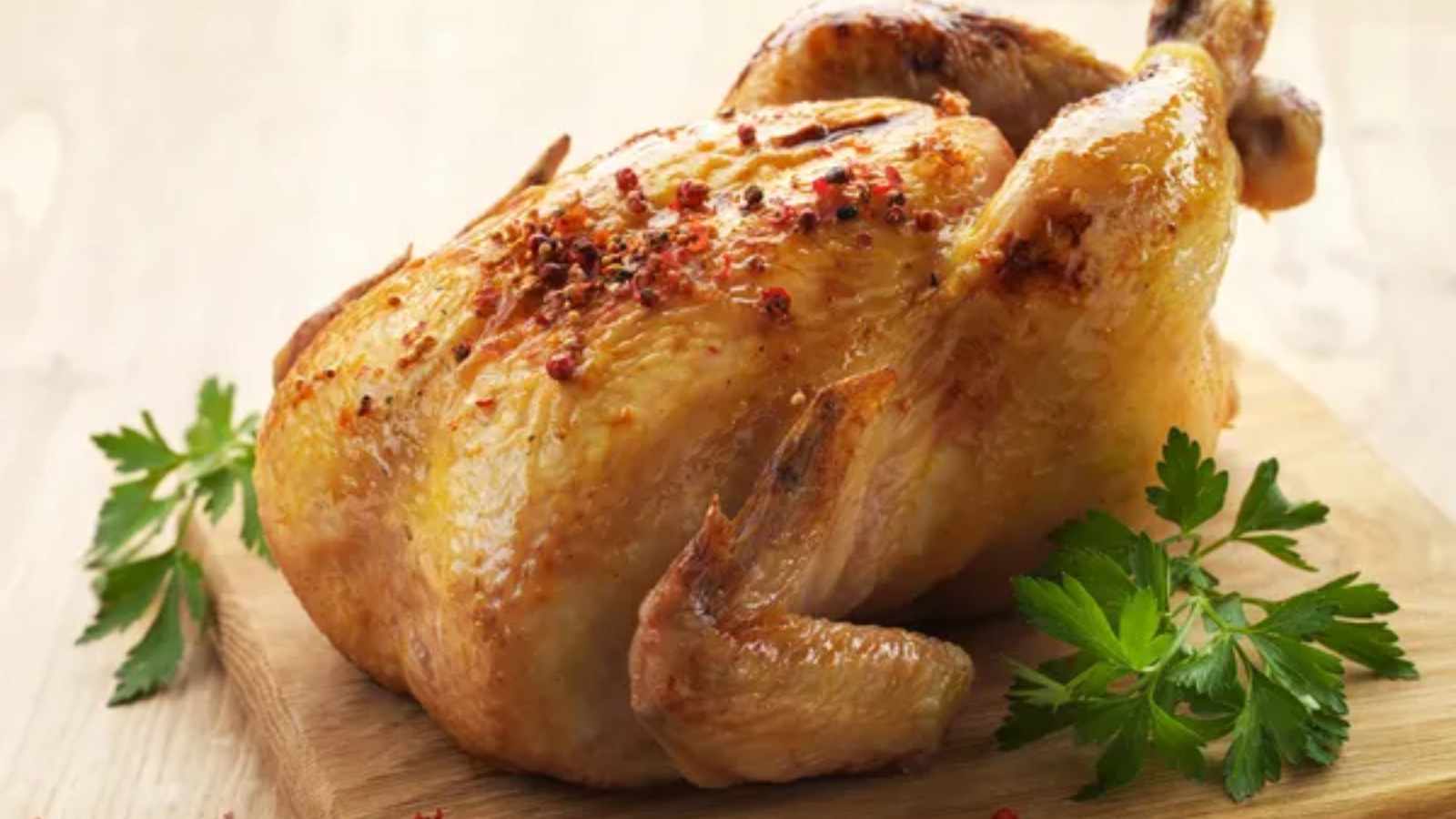
It’s not just beef; chicken has had its own supply issues. The bird flu outbreak in 2022–23 resulted in the loss of millions of chickens, leading to increased egg and poultry prices.
Since chicken sandwiches and nuggets are fast food staples, costs have been passed down. Even if you don’t eat beef, the price of poultry isn’t cutting you a break. Fried chicken is no longer the bargain it once was.
Convenience has become the product

Fast food used to sell cheap food, but now it sells speed and convenience. Busy parents, late-night workers, and students rely on drive-thrus more than ever. Chains know this and charge accordingly.
We’re not just paying for a burger, we’re paying for not having to cook, shop, or wait long. In a way, the affordability shifted from the food itself to the time it saves.
Loyalty programs aren’t always saving you money

Rewards apps sound like they’re giving you discounts, but in reality, they often push you to spend more. You might order extra just to “unlock” points or a freebie.
It’s a clever marketing strategy that increases sales while making customers feel like they’re getting a good deal. So yes, you may get that free fry, but you’ve probably paid more overall.
Key takeaways

Rising costs across the board are driving prices up. Higher wages, supply chain problems, and surging beef and chicken costs mean fast food isn’t the cheap option it once was.
Menus and portions have quietly shifted. Dollar menus are gone, “value” items now cost several dollars, and shrinkflation means customers often get less food for more money.
Technology and convenience now carry a price tag. Delivery apps, loyalty programs, and digital upgrades make fast food more convenient but also more expensive in the long run.
Fast food has rebranded itself. Instead of competing only on price, many chains now sell speed, healthier options, and lifestyle appeal, making affordability less of a priority.
Disclaimer – This list is solely the author’s opinion based on research and publicly available information. It is not intended to be professional advice.
16 grocery staples to stock up on before prices spike again
16 Grocery Staples to Stock Up On Before Prices Spike Again
I was in the grocery store the other day, and it hit me—I’m buying the same things I always do, but my bill just keeps getting higher. Like, I swear I just blinked, and suddenly eggs are a luxury item. What’s going on?
Inflation, supply-chain delays, and erratic weather conditions have modestly (or, let’s face it, dramatically) pushed the prices of staples ever higher. The USDA reports that food prices climbed an additional 2.9% year over year in May 2025—and that’s after the inflation storm of 2022–2023.
So, if you’ve got room in a pantry, freezer, or even a couple of extra shelves, now might be a good moment to stock up on these staple groceries—before the prices rise later.
6 gas station chains with food so good it’s worth driving out of your way for
6 Gas Station Chains With Food So Good It’s Worth Driving Out Of Your Way For
We scoured the Internet to see what people had to say about gas station food. If you think the only things available are wrinkled hot dogs of indeterminate age and day-glow slushies, we’ve got great, tasty news for you. Whether it becomes part of a routine or your only resource on a long car trip, we have the food information you need.
Let’s look at six gas stations that folks can’t get enough of and see what they have for you to eat.