Once the gold standard of financial success, $100,000 a year now buys little more than survival for many American families.
Based on a report from AccountingInsights, only about 13% of U.S. workers earn more than $100,000 annually, while roughly 34–41% of U.S. households bring in over $100,000 per year. Let’s be honest. Growing up, $100,000 sounded like winning the money game.
It was that magic six-figure number everyone whispered about as the golden ticket to comfort, security, and a slice of the good life. But today, the dream feels like it slipped a few steps ahead while paychecks stayed stubbornly behind.
I remember talking to a friend who finally hit the six-figure mark, and instead of celebrating, she sighed and said, “It feels like I’m barely keeping up.” That’s the reality for so many households right now. So let’s dig into why $100k just doesn’t stretch the way it used to.
Housing eats up more than it gives back

Owning a home was once the cornerstone of the American dream, but the math has shifted. The median U.S. home price is now $462,206, meaning even a solid down payment feels out of reach for many. Mortgage rates, currently sitting around 6–7%, only add to the squeeze, making monthly payments shockingly high.
Even renters aren’t catching a break, with national rents up 29% since 2019. A salary of $100k disappears quickly once you’re covering four-figure housing bills month after month.
Child care is practically another mortgage

For parents, childcare isn’t just expensive; it’s staggering. The average cost of center-based care is approximately $1,230 per month per child, and in some states, it exceeds $20,000 annually.
That means families with two little ones are essentially paying for a second mortgage or rent. And unlike housing, this bill doesn’t build equity; it just keeps coming. Parents trying to balance career and care often feel like $100k doesn’t even scratch the surface of what they need.
Inflation keeps moving the goalpost

Even when wages go up, the purchasing power doesn’t quite keep pace. Inflation since 2020 has hovered between 3% and 9%, depending on the year, eroding the value of every paycheck.
It’s the reason $100k in 2010 feels more like $70k today. People see the number in their bank account and wonder why it doesn’t buy the same lifestyle. The dream hasn’t disappeared; it’s just gotten a lot more expensive to chase.
Healthcare feels like a luxury purchase

One unexpected trip to the ER can leave a dent that takes months to recover from. Premiums for employer-sponsored health insurance have climbed past $8,400 a year for individuals and over $23,000 for families.
Then there are deductibles, copays, and prescriptions that always seem to add up. Even with insurance, many people delay care because the costs are overwhelming. The American dream was never supposed to mean crossing your fingers before opening a medical bill.
Retirement savings eat into the present

Putting away for retirement feels smart, but it also chips away at what’s left for today. Financial advisors recommend saving 15% of your income, which translates to approximately $15,000 per year on a $100k salary. That’s a huge bite when you’re already balancing housing, food, and family expenses.
It leaves many households feeling squeezed in both the present and the future. The American Dream was supposed to be about enjoying the present while preparing for the future, not choosing one over the other.
Groceries don’t match the receipt total anymore

A trip to the grocery store feels like a mini heart attack these days. The USDA reports that food prices have increased by 23.6% since 2020, with essentials such as eggs, milk, and bread all noticeably higher. What once felt like a $100 cart is now $160, without any extras included.
Families trying to eat healthy often feel the pinch even more, as fresh produce and protein are among the steepest increases. It’s not just inflation, it’s lifestyle creep in the most essential part of life: eating.
Travel is no longer carefree

Vacations used to be a reset button, but now they often feel like a luxury for the ultra-wealthy. Flights are up more than 20% compared to pre-pandemic levels, and hotels aren’t far behind.
Even a modest family getaway can easily cross $5,000 once you factor in food, tickets, and transportation. For many, that means trading travel for staycations just to make the budget work. The dream of “seeing the world” is harder to reach when your paycheck is already spoken for.
Student debt keeps hanging around

For millennials and Gen Z, the weight of student loans is still a defining feature of adulthood. The average borrower carries about $37,200 in debt, and monthly payments can easily rival those of a car loan. With interest stacking, many borrowers feel like they’re not making progress, but rather just treading water.
That $100k salary doesn’t shine as brightly when hundreds (or thousands) go straight to debt every month. The promise of higher education hasn’t quite matched the financial tradeoff for many.
Taxes nibble more than expected

Six figures may look nice on paper, but taxes quietly take their share before you ever see it. Depending on where you live, federal, state, and local taxes can strip away 25–35% of that salary.
That means your actual take-home pay might be closer to $70k, or even lower. Factor in social security and Medicare deductions, and the shrinkage gets even more noticeable. Suddenly, six figures don’t feel nearly as powerful in practice.
Cars are no longer just cars—they’re budgets

It used to be that a reliable car was within reach, but average prices have soared past $48,699 for new vehicles. Even used cars now hover near $28,000, which would’ve been considered luxury not long ago.
Save this article
Add in insurance, gas, and maintenance, and suddenly, transportation becomes another significant line item. For families with two drivers, the costs can be crushing. Having wheels today often means taking on years of debt just to keep moving.
Lifestyle costs keep creeping higher

It’s not just the big ticket items; it’s the everyday little things. Streaming services, gym memberships, phone plans, and internet bills all add up faster than most people realize.
Ten years ago, these costs might have totaled $100 per month; today, they can exceed $400 per month. These aren’t “luxuries” anymore; they’ve become part of modern living. But together, they eat away at that six-figure salary until it feels stretched thin.
Education for kids isn’t cheap

Even before college, schooling comes with hefty costs. Private school tuition averages $14,973 a year nationally, and in major cities, it can rival college tuition. Add in after-school activities, sports, and tutoring, and families can spend thousands just trying to give their kids opportunities.
Public school families aren’t immune either, facing rising fees for extracurriculars and supplies. Parents often feel the pressure to provide, but the budget doesn’t always agree.
Emergencies aren’t optional

Life has a way of throwing curveballs: car repairs, medical issues, and home maintenance. Experts recommend keeping 3–6 months of expenses saved, which could mean $25,000 to $50,000 in the bank.
For many households, that’s simply not possible on $100k while also covering daily costs. Without a cushion, emergencies often push people into credit card debt. The American dream starts to feel fragile when one surprise bill can unravel the whole thing.
Credit card debt keeps climbing

Speaking of debt, credit card balances have hit record highs—over $1.21 trillion, CNBC reports. With interest rates hovering around 20%, balances spiral quickly if you can’t pay them off.
Families who lean on cards for essentials like gas or groceries end up losing hundreds to interest each month. That makes it harder to save, invest, or plan ahead. It’s another way $100k gets stretched too thin before it ever builds security.
Healthcare for aging parents adds pressure

Many Gen Xers and millennials are part of the “sandwich generation,” caring for children and aging parents simultaneously. Long-term care can cost over $100,000 a year, and even part-time help isn’t cheap.
Families often contribute financially to keep their parents comfortable, adding to the stress of already tight budgets. It’s a hidden expense many don’t think about until it lands on their doorstep. Suddenly, $100k isn’t just for one household; it’s stretched across generations.
The dream itself has changed

Perhaps the most overlooked piece is that the definition of the American dream has shifted. It’s no longer just about owning a home, raising kids, and retiring comfortably; it’s about flexibility, wellness, and experiences.
Those goals often come with their own price tags, whether it’s pursuing a passion, starting a business, or simply having more free time. Chasing this updated dream takes more resources than the old blueprint ever demanded. And $100k, while solid, isn’t built to cover it all anymore.
Key takeaways

Six figures don’t go as far as they used to. Between housing prices topping $420,000, rent increases of nearly 30% since 2019, and groceries up 23.6% since 2020, everyday essentials swallow up a six-figure salary before you even get to the “extras.”
Rising hidden costs chip away at income. $100k looks good on paper, but feels much smaller in practice, from childcare rivaling a mortgage, to healthcare premiums surpassing $23,000 a year for families, to taxes that slice 25–35% of gross pay.
Debt and responsibilities stretch paychecks thin. Student loans, record-high credit card balances, care for aging parents, and retirement contributions all drain income, leaving families feeling like they’re stuck treading water instead of moving ahead.
The American dream itself has evolved. It’s no longer just about owning a home; it’s about experiences, balance, and flexibility. But with travel, education, and lifestyle costs climbing, chasing this modern version of the dream requires more than just six figures.
Disclaimer – This list is solely the author’s opinion based on research and publicly available information. It is not intended to be professional advice.
16 grocery staples to stock up on before prices spike again

16 Grocery Staples to Stock Up On Before Prices Spike Again
I was in the grocery store the other day, and it hit me—I’m buying the same things I always do, but my bill just keeps getting higher. Like, I swear I just blinked, and suddenly eggs are a luxury item. What’s going on?
Inflation, supply-chain delays, and erratic weather conditions have modestly (or, let’s face it, dramatically) pushed the prices of staples ever higher. The USDA reports that food prices climbed an additional 2.9% year over year in May 2025—and that’s after the inflation storm of 2022–2023.
So, if you’ve got room in a pantry, freezer, or even a couple of extra shelves, now might be a good moment to stock up on these staple groceries—before the prices rise later.
6 gas station chains with food so good it’s worth driving out of your way for
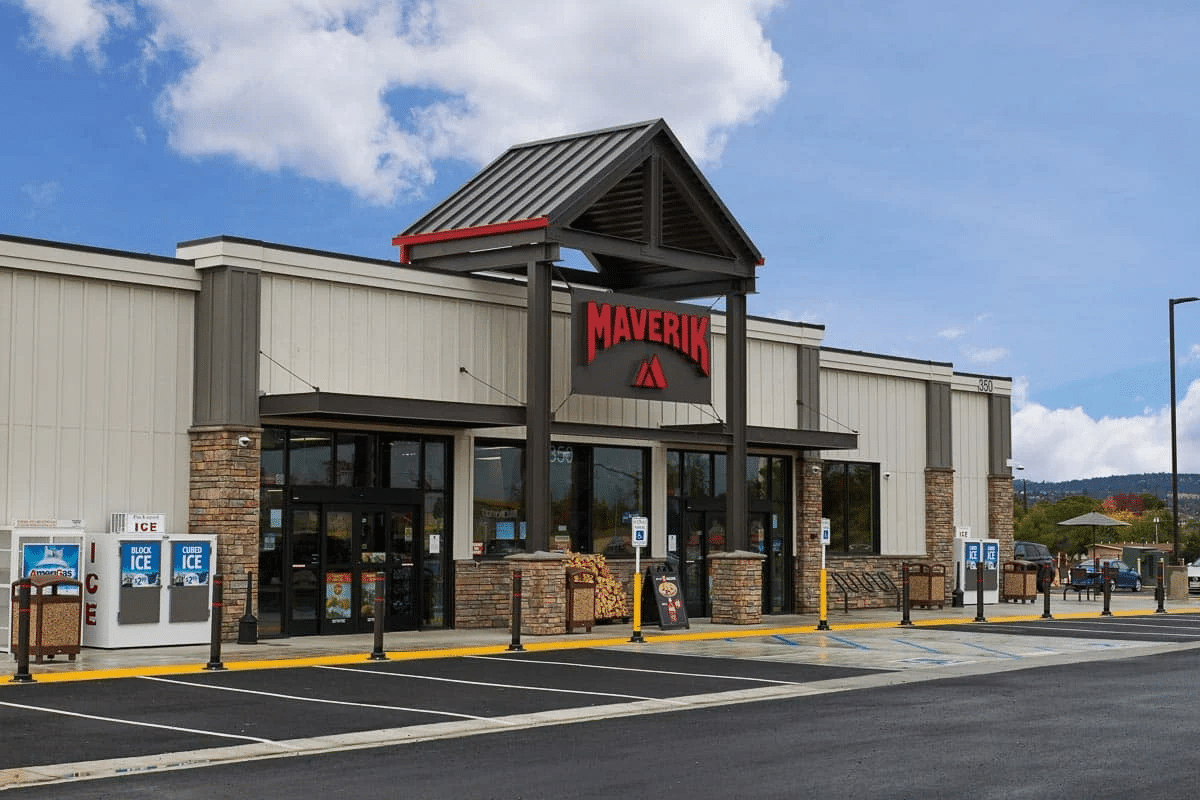
6 Gas Station Chains With Food So Good It’s Worth Driving Out Of Your Way For
We scoured the Internet to see what people had to say about gas station food. If you think the only things available are wrinkled hot dogs of indeterminate age and day-glow slushies, we’ve got great, tasty news for you. Whether it becomes part of a routine or your only resource on a long car trip, we have the food information you need.
Let’s look at six gas stations that folks can’t get enough of and see what they have for you to eat.