We all have a secret life—the one we live when nobody’s watching. It’s filled with tiny, quirky, and sometimes questionable habits that we’d never admit to in a work meeting or on a first date.
So, why the secrecy? It boils down to a powerful psychological phenomenon known as social desirability bias. It’s our natural tendency to act in ways that we think others will approve of. We’re social creatures, hardwired to seek acceptance, so we often over-report our “good” behaviors (like flossing daily) and conveniently forget to mention the “bad” ones.
Psychologists often discuss the distinction between our “public self” and our “private self.” Your public self is the curated version you present to the world—polished, polite, and probably not picking its nose. Your private self is who you are behind closed doors, where your unedited thoughts and behaviors are free to run. As the writer Virginia Woolf once said, “The public and private worlds are inseparably connected”.
This list offers a glimpse into the private world we all share but rarely discuss. By hiding these habits, we create a strange illusion where millions of us are doing the same thing while feeling uniquely weird about it. Let’s break that cycle.
You Pick Your Nose (And You’re Not the Only One)

Let’s just get this one out of the way first, shall we? A study in the Netherlands among healthcare workers found that 85% of respondents admitted to nose‐picking at least occasionally (monthly, weekly, or daily). What’s even more telling is that only a percentage of those people believed it was a universal habit.
That gap is where the shame lives. It’s a perfect statistical snapshot of social desirability bias in action—even people who do it can’t quite believe that almost everyone else does, too.
It’s not always just a gross compulsion. For many, it’s a simple response to irritation from allergies, dry air, or a sinus infection. For others, it’s a nervous habit, no different than biting your nails or tapping your foot. In some cases, it can be a coping mechanism for anxiety, a condition known as rhinotillexomania, where the repetitive act provides a brief moment of calm.
You Pee in the Shower More Often Than You Admit

This is a habit that lives squarely in the “efficiency” category. According to a recent survey by Talker Research, 45% of Americans pee in the shower at some point during the year, with nearly a quarter (24%) doing it regularly.
There’s a clear generational divide here. Millennials are the champions of this habit, with 25% admitting to doing it daily, compared to just 13% of Gen X and 6% of Boomers. This might reflect a broader cultural shift, with younger generations raised in a “life hack” culture that values multitasking and efficiency above all else.
This can be a mix of things: a modern obsession with multitasking, “sheer efficiency,” or even a “cheeky rebellion” against social norms in a private space. However, some experts caution against it. Urogynecologist Dr. Teresa Irwin warns that it can train your brain to associate the sound of running water with the urge to urinate—a kind of Pavlovian response that could lead to bladder control issues down the line.
You Don’t Actually Shower Every Single Day

The daily shower is a cultural expectation in the U.S., where an estimated two-thirds of people lather up every day. But behind closed doors, many of us are skipping days, and our skin might be thanking us for it.
Dermatologists are actually divided on the issue. Some, like Dr. Shilpi Khetarpal of the Cleveland Clinic, recommend a daily rinse to wash off allergens and prevent acne. But many others argue that showering two to three times a week is perfectly fine for most people.
Over-showering, especially with hot water, can strip your skin of its natural oils and disrupt its microbiome—the community of good bacteria that helps protect your immune system. This pressure to be squeaky clean every 24 hours seems to owe less to health than what some critics are calling “hygiene theater.” It’s driven by a deep-seated social anxiety about body odor—a fear so potent that some people have isolated themselves because they were worried they smelled unpleasant.
You Check Up on Your Ex’s Social Media

If you’ve ever found yourself deep in your ex’s Instagram feed at midnight, you’re in good company. A survey by NortonLifeLock found that 37% of Americans admit to “stalking” an ex or current partner online.
Psychologists say this behavior is often a misguided search for closure. When a relationship ends without clear answers, we become detectives, scanning for clues that they miss us or are miserable without us. It’s a modern, digital version of what sociologists call the “looking-glass self,” where we attempt to see ourselves through someone else’s eyes to determine our own worth.
The problem is, social media is a curated highlight reel, not reality. We end up basing our self-worth on a distorted, idealized reflection of their life, which only prolongs the heartbreak. This habit can also escalate, with the creation of fake profiles and the use of tracking apps to monitor a partner.
You Have Full-Blown Conversations With Yourself
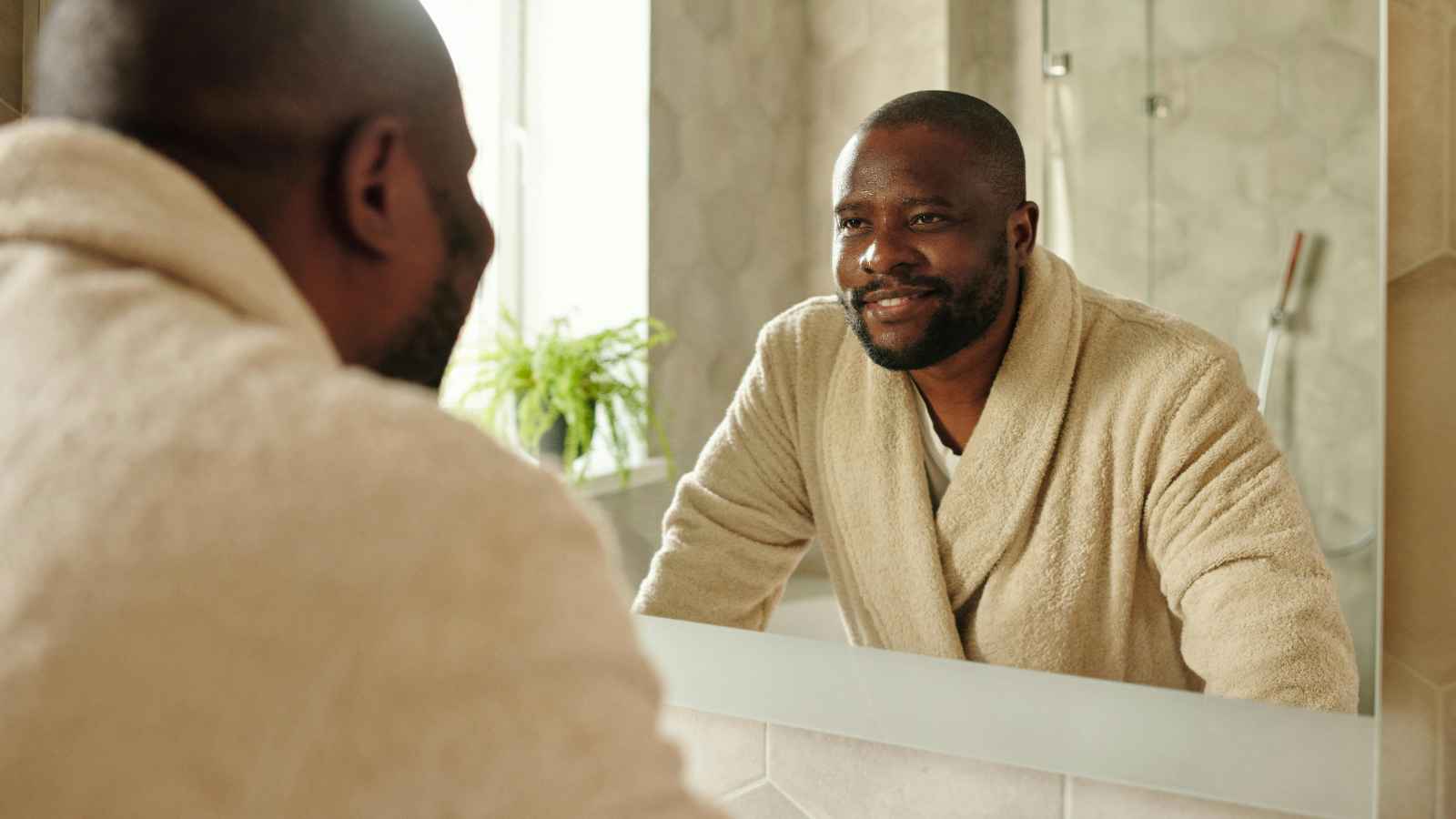
It doesn’t mean you’re “crazy.” In fact, psychologists see it as a highly effective cognitive tool. Talking to yourself helps organize your thoughts, solidify memories, and regulate your emotions. When you’re working through a complex task, like assembling furniture, saying the steps out loud (“Okay, insert tab A into slot B…”) actually offloads the mental burden from your working memory, freeing up brainpower and reducing errors.
It’s also a powerful way to manage stress and motivate yourself. People are more likely to engage in self-talk during anxious moments, using it to calm down or offer encouragement. As renowned researcher and author Dr. Brené Brown advises, “Talk to yourself like you would to someone you love”.
You’re a Solo Concert Singer (In the Car or Shower)

More than half of all Americans (52%) regularly sing in the shower or when no one else is around, according to a poll by Americans for the Arts. This habit is one of the purest expressions of our “private self”—an act done not for an audience, but for pure, unadulterated joy.
The reason it feels so good is purely chemical. Singing floods your brain with a cocktail of “feel-good” neurotransmitters, including dopamine (the pleasure and reward chemical) and endorphins (the body’s natural painkillers). This creates a sense of euphoria similar to a “runner’s high” and can be incredibly effective at relieving stress.
It’s also a powerful form of emotional release. As the writer Miguel de Cervantes put it, “He who sings scares away his woes”. It allows us to express feelings—joy, sadness, frustration—that simple words often can’t capture. It’s a moment of freedom where we can be perfectly imperfect and connect with ourselves without fear of judgment.
You Pretend to Be on Your Phone to Avoid Talking to Someone

Your phone is the ultimate social get-out-of-jail-free card. The top reasons are incredibly relatable: avoiding other passengers on public transport, dodging salespeople, and escaping awkward conversations at family gatherings. It’s a low-confrontation way to create a personal bubble and conserve your mental energy.
However, this convenient crutch might be creating a vicious cycle. The more we use our phones to avoid brief, low-stakes social interactions, the less practice we get at navigating them. This can erode social skills over time, to the point where future interactions feel increasingly awkward and lead us to turn more to our phones as an escape. It’s a modern paradox where the tool we use to manage social anxiety may actually be feeding it.
You’ve Definitely Eaten Food off the Floor
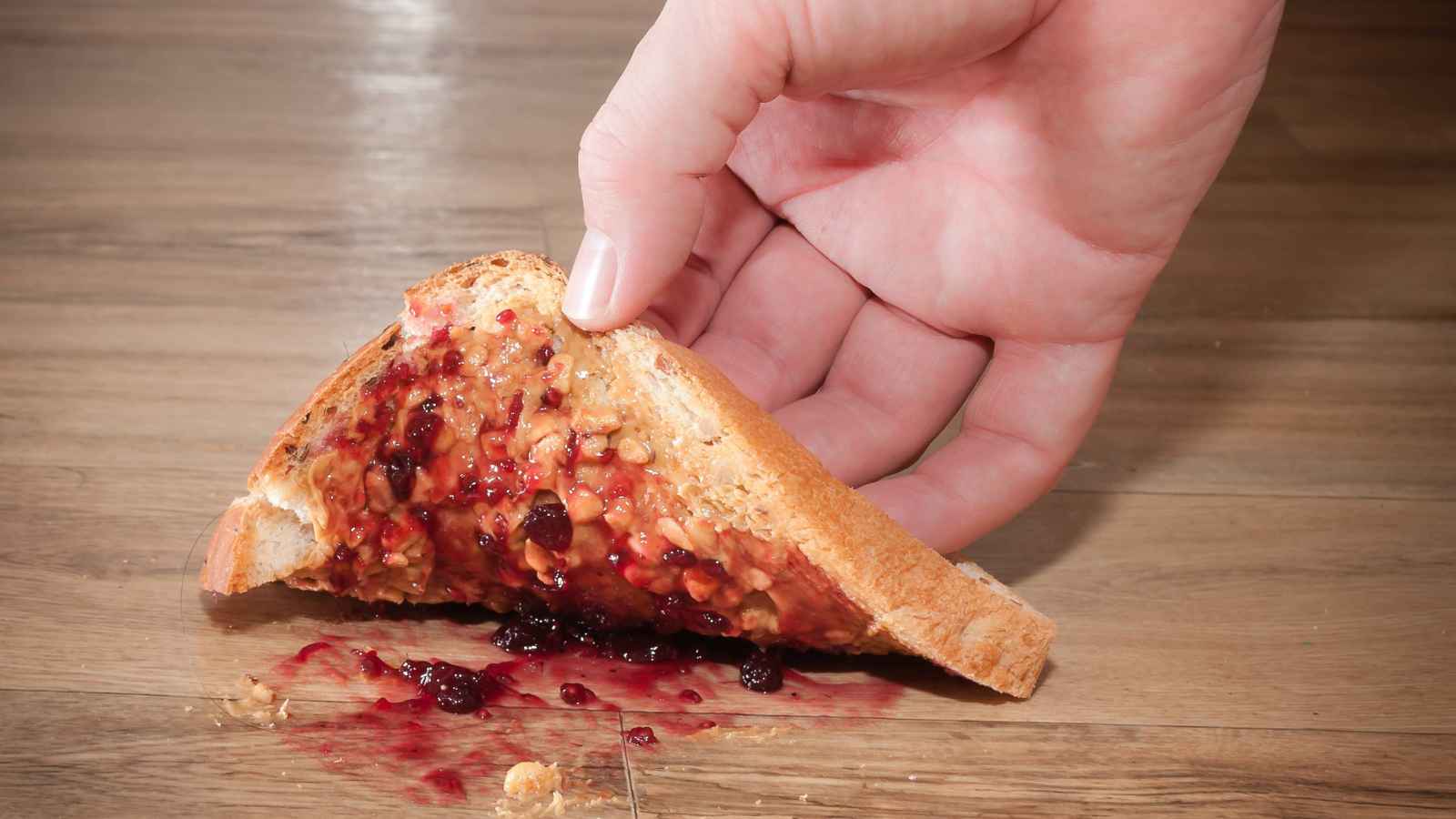
We’ve all been there: your last piece of pizza, your favorite cookie, tragically tumbling to the ground. Many of us invoke the “five-second rule,” a widely held belief.
Sorry to be the bearer of bad news. Science has officially debunked the rule. Researchers at Rutgers University have found that bacteria can transfer to food in under a second. The key factors aren’t time alone, but moisture (wetter foods pick up germs faster) and the type of surface (carpet, surprisingly, transfers fewer bacteria than tile or steel).
So why do we cling to the rule? It’s a classic case of cognitive dissonance. We’re caught between two conflicting thoughts: “This food is now dirty” and “I still really want to eat this food.” The five-second rule is a convenient mental loophole we create to resolve that conflict, allowing us to do what we wanted to do all along.
You Secretly Smell Yourself to Check for Body Odor

The fear of having foul body odor is a powerful social driver. So, that quick, surreptitious sniff of your armpit is an entirely regular self-check. But there’s more to it than just hygiene. Our brains are biologically wired to be less repulsed by our own scents; it’s an evolutionary adaptation to prevent us from being in a constant state of disgust with ourselves.
Our unique body odor is also a complex chemical signature that carries information about our immune system, health, and genetics. Smelling ourselves is a primal, subconscious act of self-recognition—a way of confirming our own physical identity. It’s a fascinating contradiction: in private, we instinctively monitor the very biological signature that we work so hard to erase with soaps and deodorants for our public lives.
You’ve Made Up an Excuse to Get Out of Plans

Save this article
If you’ve ever blamed a sudden “migraine” for why you couldn’t make it to a party, you’re part of a massive club. This trend has become so common that it has even earned a name: “JOMO,” or the Joy of Missing Out.
Psychologist Robert Feldman argues that these little white lies serve a central social purpose. They’re a sign of good social graces, designed to protect the other person’s feelings and maintain healthy relationships. Saying “I’m so sorry, something came up!” is much kinder than the blunt truth: “I’d rather sit on my couch in my pajamas than go to your event.”
It’s become an unspoken social contract. The person making the excuse knows it’s flimsy, and the person receiving it often suspects it. Still, both parties tacitly agree to accept the fiction to avoid a more painful, relationship-damaging truth. It’s a coded way of saying, “I need to prioritize myself right now, but I value you enough not to be rude about it.”
You Binge-Watch an Entire Season of a Show in One Weekend

This is no longer a niche habit; it has become the new normal. The impulse to click “Next Episode” is pure brain chemistry. Your brain releases dopamine, the chemical associated with pleasure and reward, when you watch a show you love. According to clinical psychologist Dr. Renee Carr, this creates a “pseudo-addiction to the show because you develop cravings for dopamine”.
It’s also a powerful form of modern escapism. Studies consistently link binge-watching to higher levels of stress, anxiety, and depression once the show is over—a phenomenon dubbed the “post-binge malaise”.
You Procrastinate by Doing Anything but the Task You’re Supposed to Do

Procrastination is one of the most common and misunderstood human behaviors. Studies show that it affects about 20% of adults chronically and a staggering 80% to 95% of college students.
For years, we’ve chalked it up to laziness or poor time management. But psychologists now understand that procrastination is primarily an emotion-regulation problem. We put off tasks not because we can’t do them, but because they make us feel bad—bored, anxious, insecure, or resentful. Putting the task off gives us a temporary mood boost.
This habit is deeply connected to other traits, such as impulsivity and poor goal management. We give in to the impulse for immediate gratification (watching one more YouTube video) over the delayed reward of completing our work. This creates a cycle of self-sabotage, where avoidance leads to increased stress, which in turn triggers further avoidance.
You Rehearse Entire Conversations That Might Never Happen
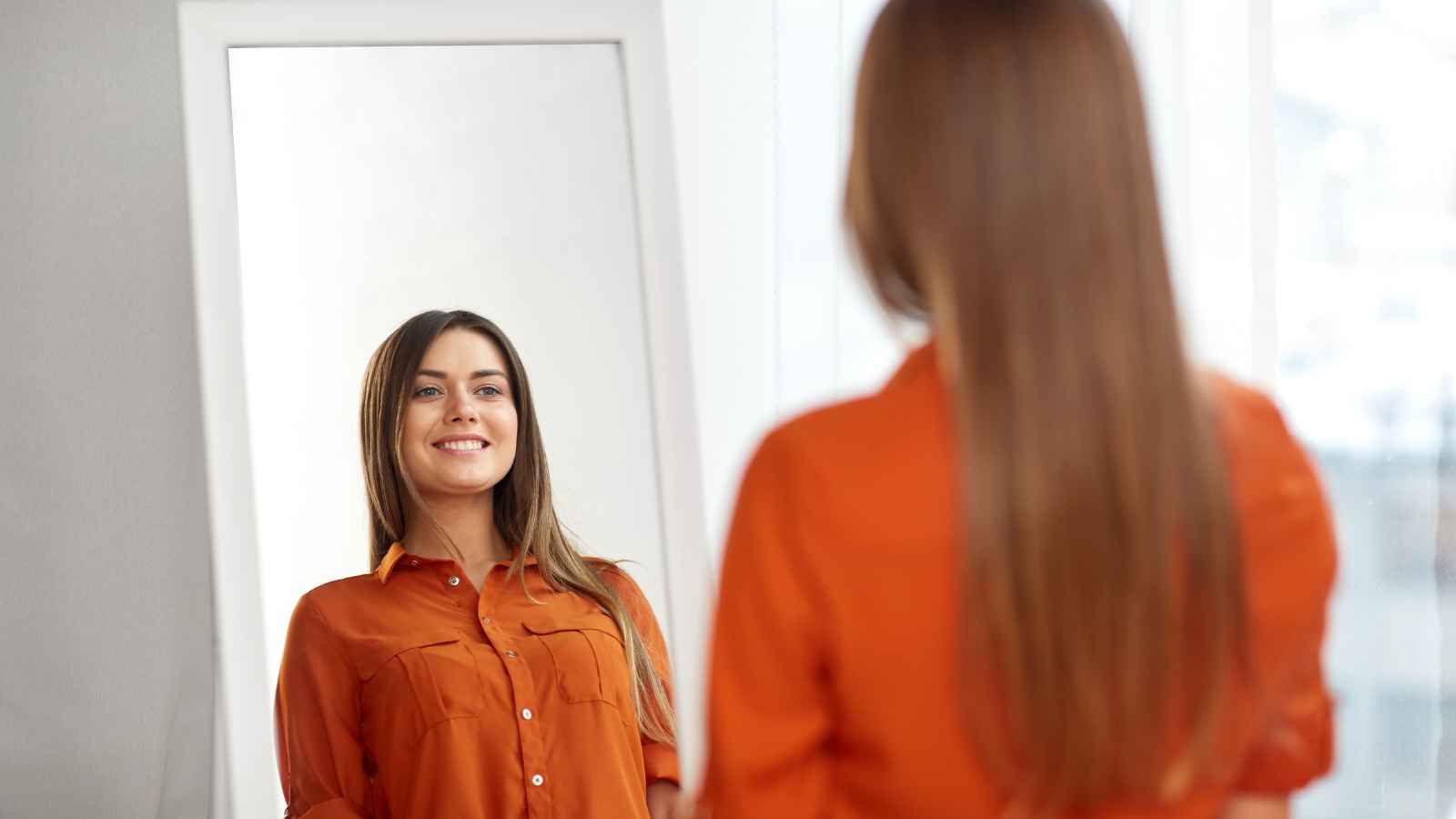
Ever stand in the shower for 10 minutes coming up with great responses to a fight you hadn’t even had yet? That’s your brain simulating a few runs of what might happen, threatening both sides of the paradox and promising that one side or the other will play out. It’s like an “emotional fire drill,” you’re being trained for what to expect in the worst possible social situations.
This habit is a direct product of what neuroscientists call the “default mode network” (DMN)—the part of your brain that creates an inner narrative when your mind is wandering. The DMN is essential for creativity and future planning, but it also tends to connect old hurts with future worries, trapping us in a loop of rumination.
We also replay past conversations in an effort to find closure or to identify areas for self-improvement and avoid future social rejection. Mentally rehearsing conversations is our brain’s natural attempt to widen that space.
You’ve Pretended Not to See an Acquaintance in Public

That sudden urge to study a fascinating crack in the pavement when you spot a semi-familiar face across the street is a classic avoidance maneuver. This isn’t necessarily a sign of rudeness or antisocial behavior. More often, it’s an act of “social energy budgeting.”
For many people, especially introverts, social energy is a finite resource, and small talk can feel like a high-cost, low-return transaction. Dodging an unplanned chat with an acquaintance is a strategic decision to conserve that energy for more meaningful interactions with close friends or family later on. It’s an act of self-preservation, protecting your mental and emotional reserves.
But it’s worth remembering the flip side: brain scans show that being ignored or socially excluded, even by a stranger, activates the same neural pathways as physical pain. So while you’re protecting your energy, the person you’re avoiding might be feeling a genuine sting of rejection.
You’ve Stretched the Truth on Your Resume

In a hyper-competitive job market, the temptation to embellish is strong—and many people give in. The most common fibs include exaggerating skills, embellishing job responsibilities, and claiming to have a college degree.
This habit may be a symptom of our modern “embellishment economy.” We are constantly encouraged to present a curated, optimized version of ourselves on social media. The resume has become the professional extension of this performance, a marketing document in a culture that often rewards the best-packaged version of reality.
You Pick at Your Skin When You’re Stressed or Bored

While most of us have picked at a scab or a pimple, for some, it’s a compulsive and damaging habit. Skin picking disorder, also known as dermatillomania, affects between 1.4% and 5.4% of the population, and most of those affected are female, according to Mental Health America.
This behavior is strongly linked to anxiety, stress, and boredom. The repetitive motion can serve as a self-soothing mechanism or a distraction from overwhelming emotions. It can also be driven by a misplaced sense of perfectionism—a compulsion to “smooth” or “fix” any perceived imperfection on the skin.
It’s a paradoxical habit. A person engages in picking to gain a sense of control over their skin’s appearance or their internal emotional state. Yet the action itself leads to a loss of power, causing physical damage and triggering a cycle of shame and guilt that only fuels the urge to pick more.
Key Takeaway

So, what’s the common thread? These “secret” habits aren’t random quirks. They’re predictable patterns of human behavior driven by a few core psychological forces: our deep-seated need for social approval, our clumsy attempts to regulate difficult emotions like stress and anxiety, our brain’s clever shortcuts for processing information, and its relentless pursuit of a dopamine rush.
Understanding the “why” behind these behaviors can help us be a little kinder and less judgmental—both with ourselves and with others. After all, as author Stephen Covey said, “Our character is basically a composite of our habits”. Embracing our shared, secret humanity, quirks and all, is the first step toward managing them with compassion.
Disclaimer – This list is solely the author’s opinion based on research and publicly available information. It is not intended to be professional advice.
Like our content? Be sure to follow us
Best Jobs for Pregnant Women

16 Best Jobs for Pregnant Women
Pregnancy is a transformative and joyous period in a woman’s life, but it comes with unique challenges and demands. One of the most crucial aspects during this time is ensuring a healthy work-life balance.
Finding the right job during pregnancy is not just about earning an income; it’s about maintaining your health, well-being, and peace of mind.
How Total Beginners Are Building Wealth Fast in 2025—No Experience Needed

How Total Beginners Are Building Wealth Fast in 2025
I used to think investing was something you did after you were already rich. Like, you needed $10,000 in a suit pocket and a guy named Chad at some fancy firm who knew how to “diversify your portfolio.” Meanwhile, I was trying to figure out how to stretch $43 to payday.
But a lot has changed. And fast. In 2025, building wealth doesn’t require a finance degree—or even a lot of money. The tools are simpler. The entry points are lower. And believe it or not, total beginners are stacking wins just by starting small and staying consistent.
Click here, and let’s break down how.