Let’s be honest, we’ve all been seduced by that viral TikTok of someone effortlessly baking a perfect sourdough loaf from scratch, only to end up with a kitchen disaster and a takeout menu in hand.
The great “make vs. buy” debate isn’t about your skill or passion for cooking. It’s a modern-day strategic battle for your most precious resources: time and money. University of Chicago study valued time at roughly $19 per hour—that three-hour recipe just became a $57 time investment before you even buy groceries.
It’s no wonder we’re leaning on convenience. We’re not getting lazier; we’re getting smarter about where we spend our energy.
This isn’t about giving up on cooking; it’s about cooking smarter by outsourcing the tasks that give you the least return on your investment of time, money, and sanity. Here are 15 foods that the pros agree you should just add to your grocery list.
Puff Pastry (and by Extension, Croissants)

If you’ve ever thought about making your own puff pastry, here’s some advice from a chef who has worked in Michelin-starred kitchens: “make [it] once just to know that you can. And then bring it in as a roll made in an industrial kitchen”.
Puff pastry gets its magic from lamination—a painstaking process of folding a sheet of dough around a block of cold butter, then rolling and folding it again and again to create hundreds of whisper-thin layers. It’s a multi-day affair that requires a perfectly chilled environment.
There’s absolutely no shame in grabbing a box from the freezer aisle. Culinary icons like Alton Brown use it. While the ingredients for a homemade batch might only cost around $2, compared to about $4.70 for a store-bought box, that doesn’t account for your time or the high cost of a buttery, smoky failure.
Leave this one to the machines; they’re better at it.
Authentic Ramen or Pho

The heart and soul of a truly great bowl of ramen or pho isn’t the noodles or the toppings—it’s the broth. And that broth is a labor of love that, frankly, you don’t have time for.
Authentic broths are simmered for an astonishing 12 to 24 hours to extract every last bit of collagen and flavor from the bones..
It’s also not just about time; it’s about complexity. A rich tonkotsu ramen broth is made up of a specific blend of pork bones (including knuckle, rib, and leg), charred aromatics, and separately prepared components such as a concentrated seasoning base (tare) and a flavored oil (koumi abura). One home cook tallied the cost for a single large batch of pho at around $100.
It makes sense for a restaurant to keep a giant pot brewing for days to serve hundreds of customers, but the process “just doesn’t scale down” for a family of one.
Paying $18 for a bowl isn’t just buying soup; it’s buying back 24 hours of your life.
Sushi
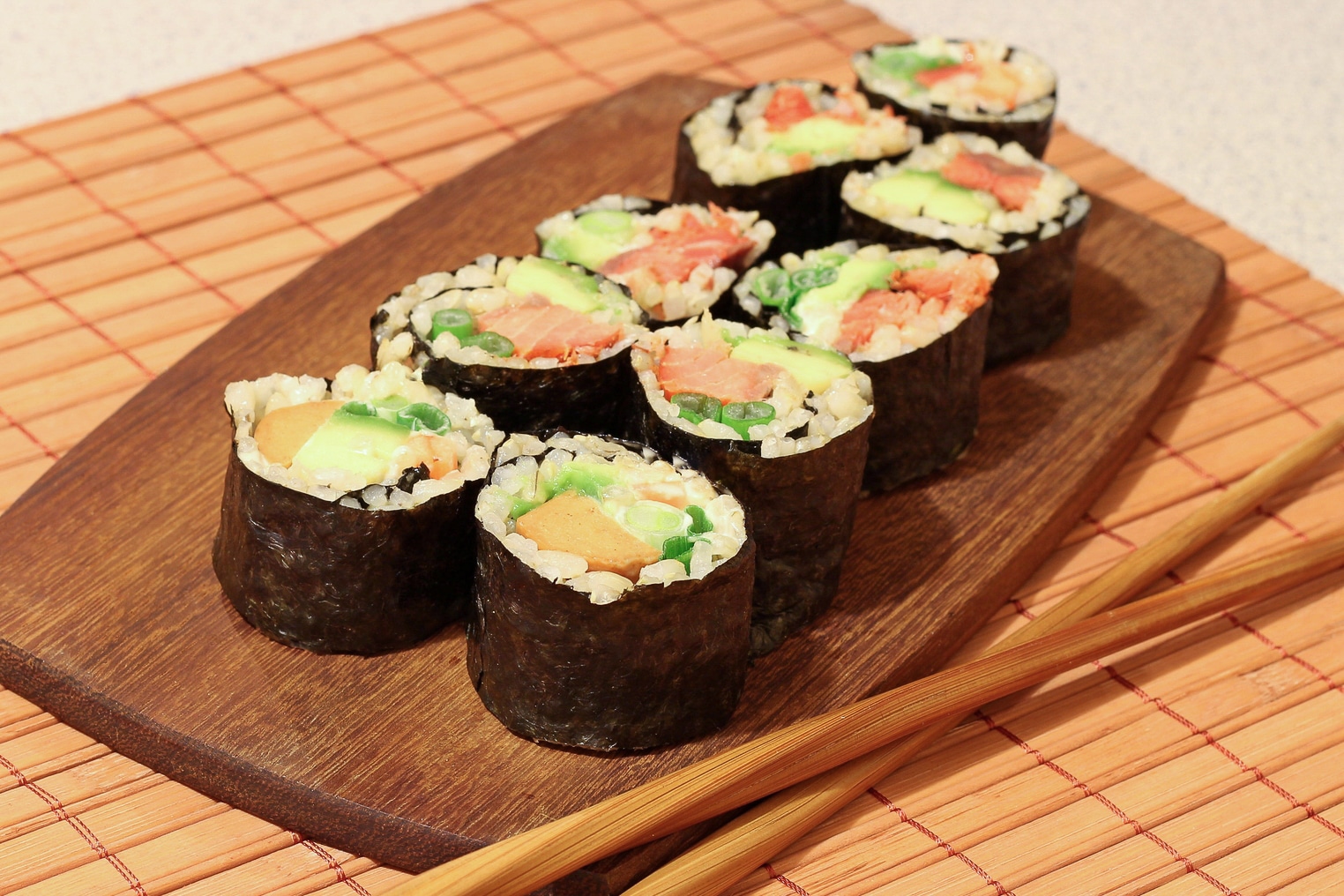
Think you can whip up some restaurant-quality sushi at home? It takes a professional sushi chef, or itamae, approximately 10 years to master their craft, and they often spend the first year solely learning how to prepare the rice.
The rice is the most critical and complex part of sushi, not the fish. Achieving that perfect texture—where each grain is distinct yet cohesive, seasoned with the perfect balance of vinegar, sugar, and salt—is an art form that consistently eludes home cooks.
Then there’s the fish. You can’t just grab any salmon fillet. You need “sushi-grade” fish, a term that indicates it’s high-quality and safe to eat raw. Sourcing a variety of fish for a satisfying meal is a huge challenge; you have to buy a whole block of fish, leading to high upfront costs and a lot of waste.
Save yourself the headache and the money; this is one meal that’s worth paying an expert for.
Rotisserie Chicken

Here’s one of the greatest paradoxes of the modern grocery store: a fully cooked, hot, and ready-to-eat rotisserie chicken is almost always cheaper than a raw one.
At Costco, a 3-pound cooked chicken is famously priced at $4.99, while a single raw chicken from a two-pack can cost nearly double that. At Safeway, a hot chicken was about $10 while a raw one was $13-$18. This isn’t a mistake; it’s a brilliant business strategy.
Many stores also use chickens that are nearing their “sell-by” date for the rotisserie, turning a potential loss into a hot, delicious bargain for you. Add in the fact that they use commercial-grade rotisserie ovens for a perfect, crispy-skinned result that’s hard to replicate at home, and the choice is clear.
You literally can’t afford to make this one yourself.
French Macarons

These delicate, beautiful French cookies are the diva of the pastry world. They may look simple, but they are notoriously tricky to get right, with a high failure rate even for experienced bakers.
The process is a minefield of potential mistakes. The batter, made from expensive almond flour, must be folded to the perfect “lava-like” consistency in a process called macaronage. Under-mix, and they’re lumpy. Over-mix, and they won’t develop their signature ruffled “feet.” Common home-baking disasters include cracked tops, hollow shells, and cookies that are fused to the baking sheet.
Not every pastry chef hired in a regular bakery is trained to make this specialized treat. If even some pros struggle, it’s a sign that this is one culinary challenge you’re better off outsourcing.
Beef Wellington
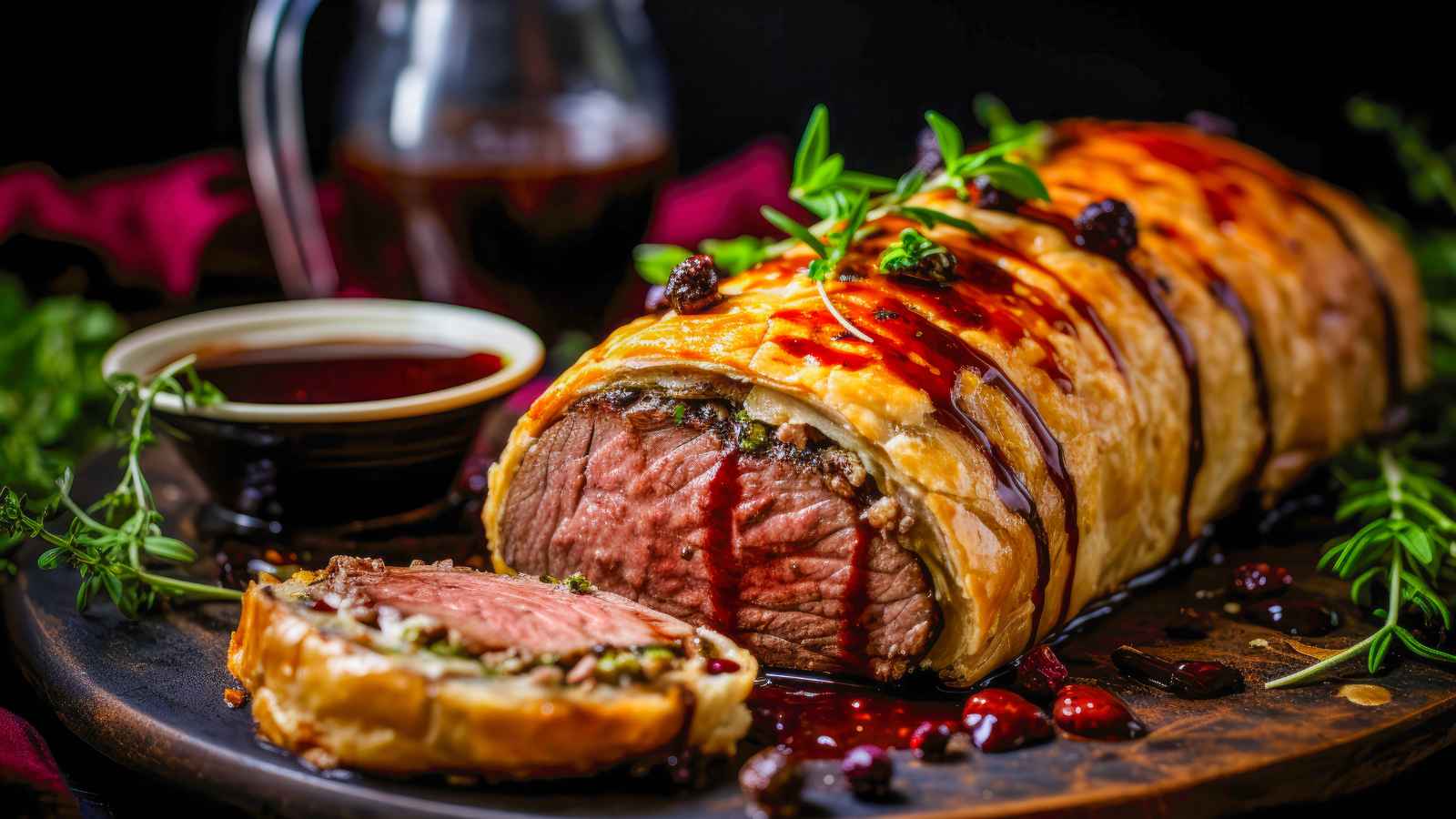
Beef Wellington is the ultimate showstopper, a dish practically synonymous with celebration. It’s also famously complex, expensive, and incredibly easy to mess up, making it a high-stakes gamble for a special occasion.
The process is a culinary marathon: you have to perfectly sear a pricey beef tenderloin, prepare a mushroom duxelles (and cook out all the moisture to avoid a soggy bottom), wrap it all in prosciutto and puff pastry, and bake it blind, praying the inside isn’t raw while the outside burns.
The most considerable risk is financial. The main ingredient is a center-cut beef tenderloin, which can cost $20-$25 per pound. A homemade Wellington for two can easily cost $55 in ingredients. Overcooking that beautiful piece of meat is a heartbreakingly expensive mistake.
For comparison, a single serving at Gordon Ramsay’s Hell’s Kitchen costs around $72, while a version for two can be $150 or more. While making it at home is cheaper on paper, that price doesn’t factor in the hours of labor, the stress, and the very real possibility of serving a soggy, overcooked disaster at your holiday dinner.
Artisan Sourdough Bread

Let’s be clear: making sourdough bread isn’t just cooking, it’s a hobby that requires a lifestyle commitment. You have to feed your starter like a pet, and the entire process from mixing to baking can take a full 24 hours.
The cost savings are often an illusion for the casual baker. While the raw ingredients are cheap—about $1.50 to $2.00 for a beautiful homemade loaf—a good artisan loaf from a bakery might cost $5 to $8.
However, the ingredient cost doesn’t include the necessary equipment, such as a Dutch oven, a digital scale, a proofing basket (banneton), and a special blade for scoring (lame). Once you factor in those startup costs and the significant time investment, the financial benefit shrinks dramatically.
You only start saving money if you bake frequently, a commitment most busy professionals can’t make.
Gnocchi
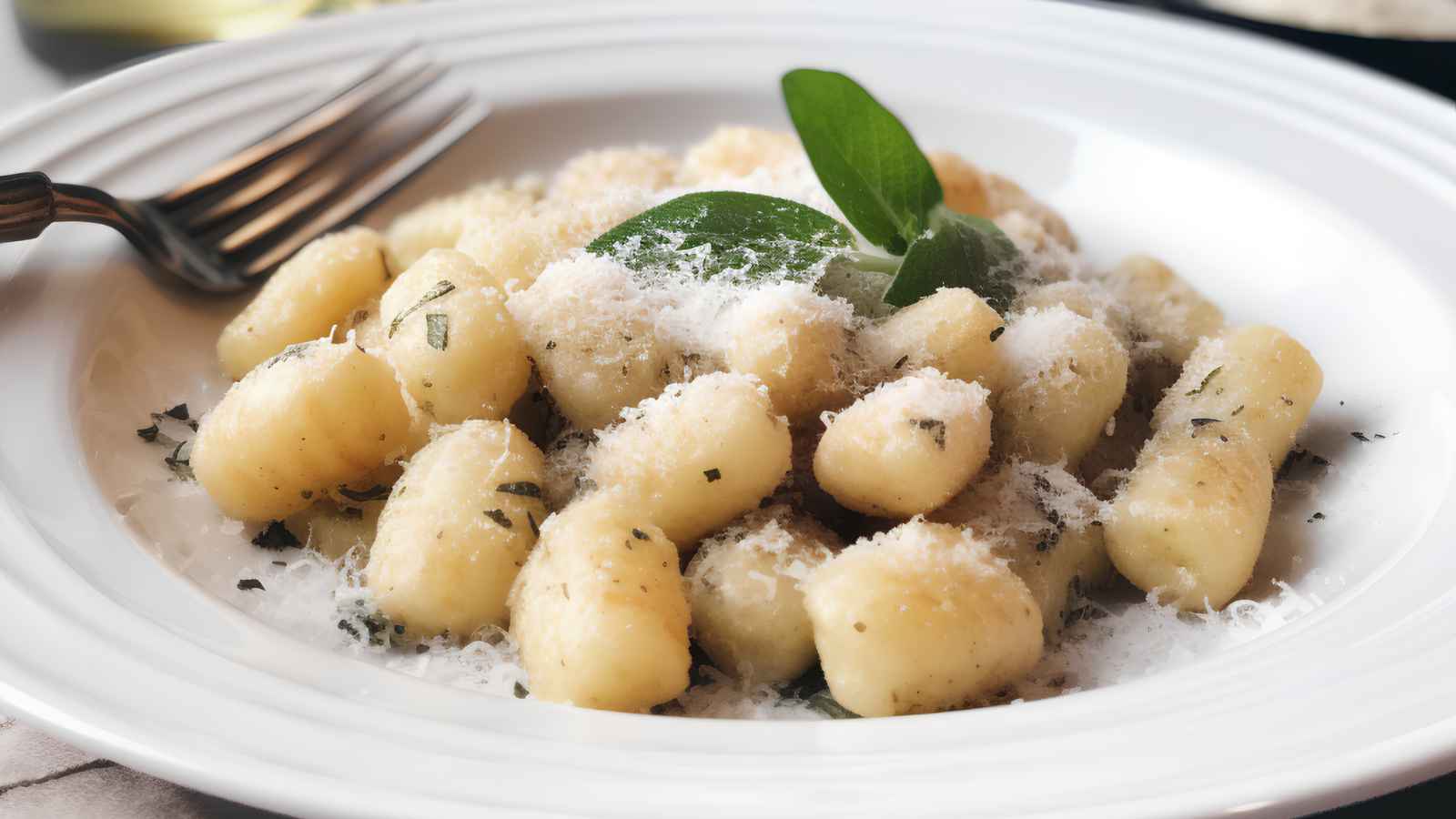
These little potato dumplings seem so simple—just potatoes, flour, and maybe an egg. But in reality, they are one of the trickiest pastas to perfect. The line between light, fluffy pillows and dense, gummy little rocks is terrifyingly thin.
The number one enemy of good gnocchi is moisture. According to Casa Local Aromas, the type of potato you use is critical; you need a dry, starchy variety, such as a Russet. It is recommended to bake, not boil, them to prevent waterlogging.
Even then, the amount of flour needed can vary each time, depending on the humidity in the air and the moisture content of your specific potatoes. Add too little flour, and they’ll dissolve in the boiling water. Add too much, or knead it for a second too long, and you’ll develop too much gluten, resulting in a tough, chewy texture.
This is a dish of “feel,” not precise measurements, which is tough for anyone but an Italian nonna to master.
Deep-Fried Foods

Save this article
Whether it’s crispy French fries, delicate tempura, or homemade falafel, deep-frying at home is seldom worth the monumental hassle.
First, there’s the sheer volume of oil required—often a bottle and a half just to get started. This isn’t just expensive; it’s also a pain to dispose of properly afterward. Then comes the mess. No matter how careful you are, tiny splatters of grease will inevitably coat your stovetop, backsplash, and floor.
But the worst part is the smell. The scent of hot oil clings to everything. When you weigh the cost, the mess, and the lingering odor against a perfect, professionally fried basket of fries, the choice is easy.
French Onion Soup
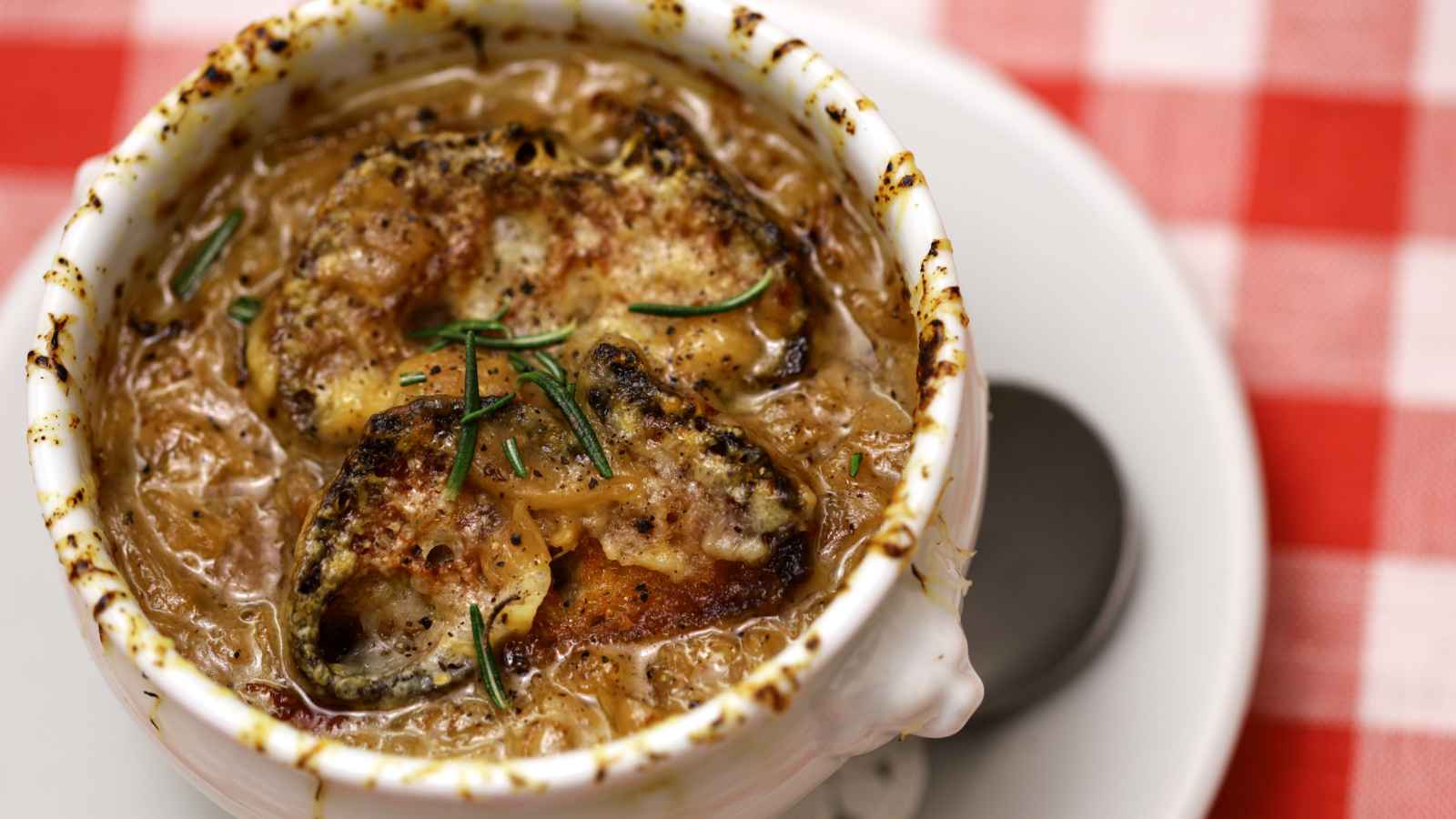
According to experts, the secret to a truly sublime French onion soup is one thing: patience. The deep, rich, sweet flavor comes from slowly caramelizing onions, a process that requires near-constant attention for 45 minutes to an hour.
It’s a simple recipe, but it’s not a quick one. Many home cooks make the mistake of rushing this key step, turning up the heat to expedite the process. The result? Burnt, bitter onions and a thin, disappointing broth that no amount of melted cheese can save.
A good quality beef broth is also essential, which adds another layer of time and expense if you make your own, or just expense if you buy a premium store-bought version.
This is a classic case where the “simple” ingredient list hides a time-consuming technique that restaurants are set up to do perfectly.
Gummy Candies and Marshmallows

Making your own gummy bears or marshmallows might sound like a fun, whimsical kitchen project, but the reality is often a sticky, dangerous mess.
You need specialty ingredients that you probably don’t have, like pectin, gelatin, and citric acid, not to mention special molds to shape them.
The process for both involves boiling sugar to precise temperatures, which is a serious burn hazard for the inexperienced. Marshmallows, in particular, are described as a “very messy endeavor” that requires several hours of waiting for the sticky concoction to set, and they often go stale much faster than the store-bought kind. Given that a bag of gummy bears or marshmallows costs just a few dollars, this is one DIY project to skip.
Fresh Mozzarella
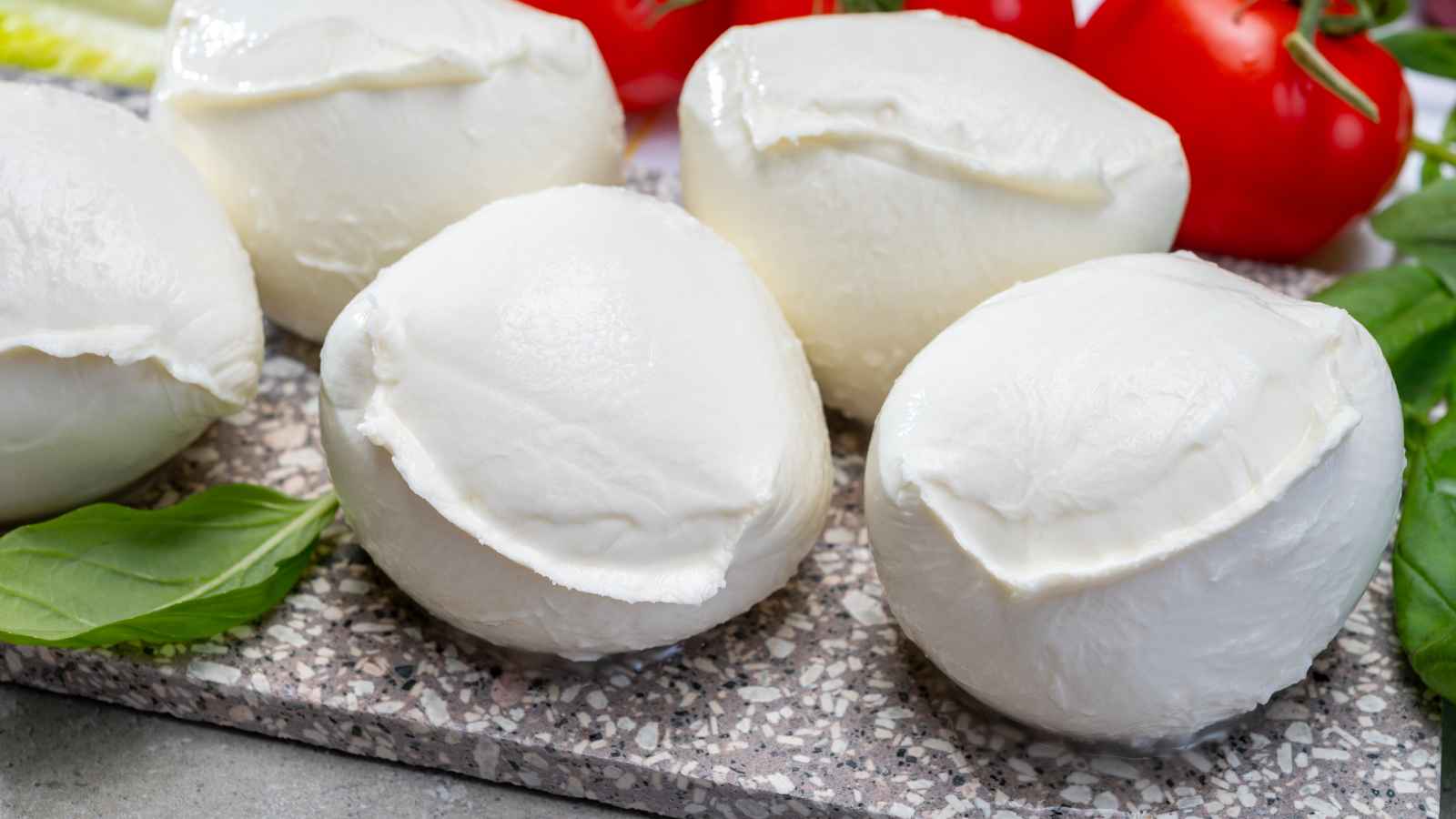
Yes, you can make a form of fresh cheese at home with just milk and vinegar for a fraction of the cost of store-bought mozzarella. But here’s the catch: it’s not actually mozzarella.
That simple, quick-curdled cheese won’t have the characteristic stretch and melt of authentic mozzarella, which requires specific ingredients like rennet and citric acid, plus a delicate process of heating and stretching the curds to develop the correct protein structure.
If you’re looking for a fresh, soft cheese for a Caprese salad, the homemade version might be a good option. But if you’re looking for that perfect, gooey cheese pull on a pizza or lasagna, you’ll be sorely disappointed. For actual mozzarella performance, you’re better off buying the real deal.
Jam and Jelly (Unless the Fruit Is Free)

Making your own jam sounds like a charming, rustic way to save money. But unless you have a fruit tree in your backyard or a secret spot for foraging wild berries, it’s often more expensive than buying a jar from the store.
The cost-effectiveness of homemade jam hinges entirely on the price of the fruit. If you have to buy several pounds of fresh berries at supermarket prices, especially out of season, the cost quickly adds up.
According to a recent FarmstandApp analysis, if you’re buying fruit, sugar, pectin, and jars, homemade preserves typically cost under $1.50 – 2.50 a jar, while premium store-bought jars often run $4–$7. But when the fruit comes straight from your own garden, the cost drops dramatically.
You’re essentially paying to do the work yourself unless you can source the fruit for free.
Chicken Stock

There is no debate that homemade chicken stock is richer, more nutritious, and more flavorful than the watery stuff in a carton. It’s packed with collagen that gives soups and sauces an incredible body.
But it also requires several hours of simmering on your stove. For busy people, that’s a significant time investment for a background ingredient. While store-bought stock used to be a sad, salty substitute, the market has exploded with high-quality options.
Many chefs and home cooks now rely on premium, store-bought stocks or concentrated pastes, such as Better Than Bouillon. These products offer a fantastic depth of flavor and are a clever compromise, giving you 90% of the taste for 10% of the effort.
Save the stock-making for a lazy Sunday and use a high-quality store-bought version for weeknight meals.
A Wedding Cake

This is the ultimate high-stakes DIY. The pressure of baking, constructing, decorating, and safely transporting a multi-tiered cake for what is supposed to be one of the most important days of your life is a recipe for a complete meltdown.
The logistics are a nightmare for a home baker. You need a massive amount of refrigerator and freezer space, specialized equipment for stacking and support (like dowels), and nerves of steel for the drive to the venue. One amateur baker trying to save money could still spend hundreds on ingredients and practice runs, not to mention the immense stress that comes with it.
What you’re paying a professional baker for isn’t just a cake; it’s peace of mind. You’re paying for their expertise, their commercial-grade equipment, and their experience in ensuring your cake arrives beautiful and intact. Don’t spend the morning of your wedding having a panic attack over collapsing buttercream. Just don’t.
Key Takeaway

The choice to buy certain foods instead of making them isn’t a sign of defeat in the kitchen. It’s a strategic move in the game of modern life. By outsourcing the most time-consuming, technically challenging, and high-risk culinary tasks, you’re not giving up on cooking—you’re buying back precious time and energy. This allows you to focus on the parts of cooking that bring you joy, whether that’s grilling the perfect steak or tossing a quick, delicious weeknight pasta.
The goal is to cook smarter, not harder, and to make your time in the kitchen a pleasure, not a pressure-filled chore.
Disclaimer – This list is solely the author’s opinion based on research and publicly available information. It is not intended to be professional advice.
Like our content? Be sure to follow us.
How Total Beginners Are Building Wealth Fast in 2025—No Experience Needed

How Total Beginners Are Building Wealth Fast in 2025
I used to think investing was something you did after you were already rich. Like, you needed $10,000 in a suit pocket and a guy named Chad at some fancy firm who knew how to “diversify your portfolio.” Meanwhile, I was trying to figure out how to stretch $43 to payday.
But a lot has changed. And fast. In 2025, building wealth doesn’t require a finance degree—or even a lot of money. The tools are simpler. The entry points are lower. And believe it or not, total beginners are stacking wins just by starting small and staying consistent.
Click here, and let’s break down how.
5 Easy Steps to Change Any Habit

5 Easy Steps to Change Any Habit
We all click on them with the hope that this time, the secret to changing a bad habit or adopting a healthy one will be revealed. We’ll finally be able to stick to that diet, stop those one or ten things that might in the moment make us feel temporarily good but really make us fat, unhealthy, sad, mad, or just frustrated with ourselves.