Quiet resentments—born of unequal mental load, emotional neglect, and money power gaps—are pushing marriages toward contempt, the leading predictor of divorce, with women now initiating nearly 70% of splits.
It’s the little things we swallow—handling the calendar, repeating ourselves, feeling like the mom—that slowly turn love heavy and hard. What ends most marriages isn’t fury but the slow arithmetic of unmet needs adding up to contempt.
Across households, women shoulder roughly twice the combined childcare and housework, a burden that compounds into contempt—the strongest predictor of divorce—helping explain why they file nearly 70% of separations.
The truth is, the biggest relationship-enders aren’t explosive arguments; they’re the quiet resentments that build brick by brick until the wall between you is too high to climb. So, what are those bricks? Here are the ten most common things women quietly hold onto but secretly resent forever.
That she’s not just your partner; she’s the household project manager

This isn’t just about who does the dishes; it’s about who carries the entire mental checklist for the household. This invisible, unpaid work is known as the “mental load,” and it’s a primary driver of female burnout and resentment in modern relationships.
A Gallup poll from 2020 found that in heterosexual couples, women are still primarily responsible for laundry (58%), cleaning (51%), and preparing meals (51%). A 2022 analysis from the Gender Equity Policy Institute found that women spend twice as much time as men on combined household work and childcare.
But the physical chores are only half the story. The real weight comes from what author Gemma Hartley calls the “unpaid invisible work we do to keep those around us comfortable and happy”. This is the cognitive labor of managing a family: anticipating needs, planning the social calendar, scheduling doctors’ appointments, and overseeing everything to ensure it all gets done.
Research by sociologist Allison Daminger found that in a majority of different-sex couples, women take on the “anticipate” and “monitor” stages of household tasks. This means she’s not only thinking about what needs to be done but also following up to ensure it happens—even for chores that are supposedly his responsibility. Ultimately, she doesn’t want an assistant she has to manage; she wants a partner who takes equal ownership.
That feeling unheard is worse than fighting

For many women, the silence that follows a dismissed concern is far more damaging than a heated argument. This is because emotional invalidation—the act of rejecting, ignoring, or judging someone’s feelings—sends a devastating message: “You don’t matter”.
Poor communication is a massive factor in relationship failure, with 53% of separating couples citing it as a key reason for their divorce. And what’s the number one communication complaint from women? A YouGov survey found that 20% of people in relationships feel their partner doesn’t pay them enough attention. Women were more likely (24%) than men (15%) to feel this way.
This is where renowned relationship researcher Dr. John Gottman’s concept of “stonewalling” comes in. It’s one of his “Four Horsemen” that predict divorce and involves completely withdrawing from a conversation. It can manifest as dismissing her concerns (“You’re overreacting”), refusing to make eye contact, or simply walking away from a difficult discussion.
The silence that follows isn’t peace; it’s the sound of the emotional connection slowly dying.
That she feels more like your mom than your lover

One of the fastest ways to extinguish romantic desire is for the relationship to shift from an equal partnership to a parent-child dynamic. When a woman finds herself constantly reminding, nagging, and managing her partner’s life, she starts to feel less like his lover and more like his mother.
This “maternalizing dynamic” is characterized by her taking on his responsibilities, such as reminding him to pay bills, managing his social calendar, cleaning up his messes, and even correcting his mistakes. She becomes his primary emotional regulator, feeling anxious that things will fall apart unless she intervenes.
Experts are clear on the outcome of this pattern: when the relationship transforms from an adult-to-adult bond to a maternal-child bond, sexual intimacy erodes. It’s challenging to feel desire for someone you are parenting. The partner in the “parent” role feels exhausted and unappreciated, while the one in the “child” role feels controlled and micromanaged, leading to resentment on both sides.
That “thank you” is more valuable than you think

Feeling consistently unappreciated is like a slow emotional starvation. It’s not about needing a parade for every little thing she does. It’s about the daily absence of acknowledgment that makes her feel invisible and taken for granted. This is one of the most common complaints from unhappy wives.
In a survey of 7,000 people, when asked how they felt during a conflict, 72% of women reported feeling “unloved.” This feeling is often deeply rooted in a chronic lack of appreciation. A study from the University of Illinois confirmed this, finding that individuals who felt less appreciated by their partner were more likely to be female, married, and have children.
According to relationship expert Dr. Jamie Turndorf, this often stems from a simple misunderstanding—a partner may not know how to show appreciation in a way that lands. The solution is clarity. It sounds unromantic, but spelling out what makes you feel valued—whether it’s a simple “thank you for making dinner,” a passionate kiss, or just acknowledging her hard work—is significant.
Without this acknowledgment, the consequences are severe. Feeling undervalued can lead to a lack of motivation to continue investing in the relationship, as well as feelings of loneliness and deep-seated resentment. It slowly erodes the affection and respect she once had.
The resentment builds from the slow, painful realization that her efforts have become nothing more than an expectation.
That your hobbies feel like a bigger priority than she is

It’s not the hobby she hates; it’s the feeling of being abandoned for it. When a partner’s personal interests turn into all-consuming obsessions, it can make a woman feel like she cannot compete and can’t win, and it breeds a powerful sense of resentment.
The problem arises when a hobby starts demanding a disproportionate amount of time, money, and energy, taking focus and attention away from the marriage. The neglected partner is often left wondering: Why does he have to play so frequently? Who is helping me with the kids and the house?
And most importantly, “What about us?” She starts to feel like a mere “placeholder” in his life, someone who is there to manage things while he pursues his “best life”.
Relationship expert Drs. Les and Leslie Parrott explain that the issue needs to be addressed with clear boundaries. They suggest communicating needs with love, not accusation, for example: “I love that you have this passion… But it’s almost like you’re absent because your hobby is getting all your good energy”. The goal isn’t to take away his joy but to protect dedicated time for the relationship.
That she feels emotionally alone, even when you’re in the same room

There is a unique and profound loneliness that comes from feeling disconnected from the person sleeping next to you. Emotional neglect in a relationship is not about fighting or being busy; it’s the chronic absence of emotional awareness, empathy, and support that leaves a woman feeling invisible.
This “invisible relationship killer” is about what’s missing, and it leads to deep feelings of dissatisfaction and resentment. Core emotional needs in a partnership include affection, validation, security, and trust. When these needs are consistently unmet, a partner can feel profoundly unloved and misunderstood, creating a significant emotional chasm. Research has even linked these unfulfilled expectations in a relationship to higher rates of depression and anger.
Some of the key red flags of emotional neglect include: avoiding difficult conversations, talking only about logistics (kids’ schedules, bills), not being the first person your partner turns to with good or bad news, and, most tellingly, feeling completely alone even when you’re physically together.
It’s not just that he doesn’t ask about her day; it’s that he seems utterly unaware of her entire emotional existence, making her feel like a ghost in her own life.
That she’s tired of being the only one making plans

Save this article
When a woman is the default planner for every date night, vacation, and social gathering, it can make the relationship feel less like a partnership and more like a job. A lack of initiative from a partner is often interpreted as a lack of investment and desire, which can build a quiet but powerful resentment over time.
A Pew Research survey revealed that in 43% of heterosexual couples, the woman makes more of the decisions than the man, compared to only 26% of couples where the man takes the lead. Specifically, when one partner is the primary decision-maker, it’s more often the woman who plans weekend activities (28% vs. 16% for men) and decides on major household purchases (30% vs. 19% for men).
This isn’t about her wanting control; it’s about the emotional and mental burden of always having to be the one to initiate. It ties directly back to the “mental load,” where she is responsible for managing the family’s social calendar. Many women express a deep desire for their partner to take the reins and surprise them with a planned night out—an evening where she doesn’t have to “plan, cook, or organize anything”.
The resentment stems from the exhausting and lonely feeling that if she stopped planning, the relationship would falter.
That affection shouldn’t just be a prelude to lovemaking

For many women, physical touch that only happens when making love feels transactional, not intimate. There’s a deep need for different affection—hugs, holding hands, a simple cuddle on the couch—that makes her feel cherished and secure, and its absence is a significant source of hidden resentment.
This is a top complaint among women in long-term relationships, who often feel that their partner only shows physical affection when he’s looking to initiate intimacy. They express a powerful wish that their partners understand their desire for intimacy that isn’t just about making love.
Science confirms how important this is. Non-sexual physical touch is a biological bonding agent. It boosts the release of oxytocin, often referred to as the “bonding hormone” or “cuddle hormone,” which enhances feelings of trust and connection. At the same time, it reduces cortisol, the body’s primary stress hormone, creating a sense of safety and calm. One study even found that being gently stroked on the arm by a partner has a measurable calming effect, slowing the receiver’s heart rate.
The resentment builds because her fundamental need for simple, non-demanding affection is being completely ignored, making her feel more like an object for his gratification than a partner to be cherished.
That she’s keeping a silent tally of the sacrifices she’s made

Every relationship requires sacrifice, but when one partner’s sacrifices are consistently overlooked, they don’t just disappear—they curdle into resentment. This could be a significant life change, such as giving up a career to raise children or relocating for a partner’s job, or the thousand tiny daily sacrifices of her personal time.
Resentment often arises from a perceived lack of fairness or equality in a relationship, where one partner feels they are constantly giving more than they receive in return. A typical example is when a woman puts her career on hold to support her husband or to be the primary caregiver for their children. If that massive sacrifice goes unappreciated, she can begin to feel as though her own dreams and ambitions were deemed unimportant.
This isn’t just about big life decisions. The data on daily life is stark. The Gender Equity Policy Institute found that, on average, women have 13% less free time than men, and mothers have a staggering 19% less free time than fathers. This “leisure gap” represents a constant, daily sacrifice of her personal time and well-being for the good of the family.
This resentment can rewrite the history of the relationship, turning what was once a joint decision into a deep and personal grievance.
That money isn’t just about dollars; it’s about power and respect

Arguments about money are rarely actually about money. They are proxy wars for deeper issues of power, freedom, security, and respect within the relationship. When a significant financial imbalance exists, it can create a toxic dynamic that leaves the lower-earning partner feeling controlled, devalued, and resentful.
Money is a significant source of conflict for a reason. According to the American Psychological Association, 31% of adults in a partnership say that money is a significant source of tension. Financial inequality can lead to severe power imbalances, where the partner with more economic resources holds more influence in decision-making, sometimes even using “coercive control” to dictate what the other partner does.
As financial expert Suze Orman bluntly puts it, “Men want money for power and women want it for comfort”. While this is a generalization, it highlights that men and women can attach different emotional meanings to money. The key to navigating this is ensuring that “both partners have an equal say in financial matters and feel valued and respected,” regardless of who earns more.
The resentment here is a rebellion against being made to feel “less than” in a partnership that is supposed to be built on equality.
Key Takeaway

If there’s one thing to take away from all this, it’s that the most dangerous issues in a relationship are the ones that go unspoken.
- Resentment is a symptom, not the disease. It’s a flashing red light on your relationship dashboard, signaling deeper, recurring patterns of disconnection, inequality, and unmet needs that have been ignored for too long.
- Silence is the enemy. Resentment thrives in the quiet spaces where difficult conversations are supposed to happen. Being vulnerable and openly communicating your needs and frustrations is the only antidote.
- The small things are the big things. A healthy, lasting relationship isn’t built on grand, infrequent gestures. It’s built on the foundation of daily appreciation, shared responsibility, and consistent emotional connection.
Disclaimer – This list is solely the author’s opinion based on research and publicly available information. It is not intended to be professional advice.
16 Grocery Staples to Stock Up On Before Prices Spike Again
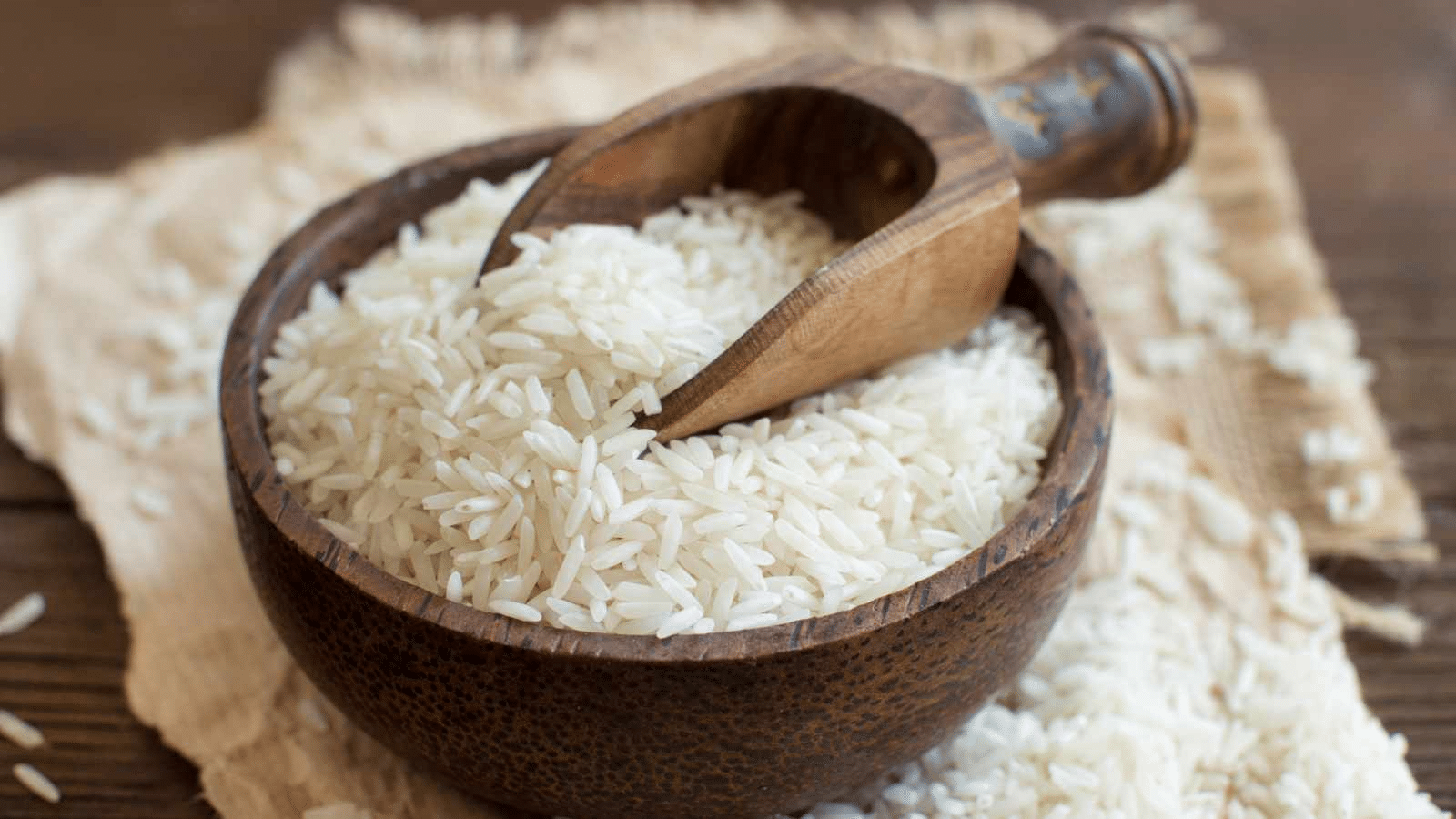
16 Grocery Staples to Stock Up On Before Prices Spike Again
I was in the grocery store the other day, and it hit me—I’m buying the same things I always do, but my bill keeps getting higher. Like, I swear I just blinked, and suddenly eggs are a luxury item. What’s going on?
Inflation, supply-chain delays, and erratic weather conditions have modestly (or, let’s face it, dramatically) pushed the prices of staples ever higher. The USDA reports that food prices climbed an additional 2.9% year over year in May 2025—and that’s after the inflation storm of 2022–2023.
So, if you’ve got room in a pantry, freezer, or even a couple of extra shelves, now might be a good moment to stock up on these staple groceries—before the prices rise later.
6 Gas Station Chains With Food So Good It’s Worth Driving Out Of Your Way For

6 Gas Station Chains With Food So Good It’s Worth Driving Out Of Your Way For
We scoured the Internet to see what people had to say about gas station food. If you think the only things available are wrinkled hot dogs of indeterminate age and day-glow slushies, we’ve got great, tasty news for you. Whether it becomes part of a routine or your only resource on a long car trip, we have the food information you need.
Let’s look at 6 gas stations that folks can’t get enough of and see what they have for you to eat.
Like our content? Be sure to follow us.