

Forget the lazy stereotypes—Gen Z is rewriting the playbook on work, money, and identity with data that proves the myths wrong.
Every generation has a reputation, but let’s be honest—most of them are built on half-truths or things that just get repeated until they sound real. Gen Z, born roughly between 1997 and 2012, is no exception. This generation makes up approximately 20.8% of the U.S. population, as Statista highlights.
Depending on who you ask, they’re either glued to their phones, don’t want to work, or are single-handedly reinventing the world. The reality? They’re a mix of ambition, pragmatism, and quirks like every generation before them. Let’s pull apart a few of the myths that just don’t stand up once you look at the bigger picture.
Gen Z doesn’t want to work

It’s a popular talking point, but studies show Gen Z actually values work deeply—they just expect it to look different. In fact, 88% of Gen Z prioritize financial security and community when job hunting, making long-term stability with a single employer a key factor in their decision-making process.
They’re not against work; they’re against burnout. Many simply prefer jobs that respect their time and offer opportunities for growth. That sounds less like laziness and more like learning from the struggles of older generations.
They’re addicted to their phones

Sure, they spend plenty of time online, but who doesn’t these days? Statistics show that 99% of Gen Z own or have access to a smartphone, but that doesn’t mean they’re “addicted.”
Many use their devices for side hustles, studying, and creative outlets. Social media is as much a career tool as it is a form of entertainment. Calling it addiction misses the way technology is reshaping modern life for everyone.
They don’t want relationships

It’s easy to assume all they care about is casual connections, but that’s not true. Gen Z still values long-term relationships and family, just with different timelines.
Fewer under 25 are married, but many cite financial readiness as the reason. They’re not rejecting relationships; they’re postponing them until they feel stable. Practicality is driving their choices.
They don’t care about money

This one couldn’t be further from the truth. With student loan debt looming and the cost of living rising, Gen Z is particularly mindful of its finances. In fact, a Bank of America report found 73% of Gen Zers have modified their lifestyles to cope with rising costs.
Common changes include cooking at home more often, cutting back on non-essential spending, and seeking out discounts. They’re using apps, online investing platforms, and budgeting tools earlier than previous generations.
They’re not politically engaged

Gen Z has shown up in record numbers for elections, protests, and social causes. In 2024, Gen Z’s voting power expanded significantly, with over 40 million eligible voters, accounting for nearly 1 in 6 of all voters.
They care deeply about issues like climate change, equality, and gun safety. Political engagement doesn’t always involve sitting in city hall meetings; sometimes it takes the form of digital activism and online organizing. That still counts, and it’s effective.
They avoid face-to-face conversations

People often assume that Gen Z is too screen-focused to engage in face-to-face conversations. Yet they value authenticity and personal connections more than many think.
They may be selective about who they share time with, but that’s not the same as avoiding people. Many balance online and offline friendships with surprising ease.
They can’t stay at one job

The myth says they’re job hoppers, but reality shows something more nuanced. Gen Z does switch roles more frequently, but it’s often due to low pay or a lack of advancement opportunities.
Gen Z employees prioritize financial security and a sense of community when job hunting, and a significant portion express a strong preference for staying with employers who invest in their career growth.
They’re loyal when workplaces meet their expectations. What appears to be restlessness is actually a drive for better conditions.
They’re glued to trends

Yes, TikTok trends come and go fast, but that doesn’t mean Gen Z blindly follows them. Many enjoy experimenting with aesthetics or ideas without locking themselves into one.
They’re actually more brand-skeptical than Millennials. That means trends are more about fun and creativity than blind conformity. Individuality still shines through.
They don’t value education

While fewer are following the traditional four-year college path, it doesn’t mean they’ve abandoned learning. Many are opting for trade schools, online certifications, and alternative credentials.
According to the National Student Clearinghouse Research Center, enrollment in undergraduate certificate programs has increased by 20% compared to 2020, with public two-year vocational institutions experiencing a 11.7% rise this spring alone.
They still value knowledge; they’re just questioning the rising cost of degrees. In many ways, that’s financial wisdom, not apathy.
They’re too sensitive

Save this article
The “snowflake” label gets thrown around, but Gen Z’s empathy levels are rising. They’re more likely than previous generations to support friends’ mental health, volunteer, or advocate for inclusivity.
Being sensitive doesn’t mean being weak—it can fuel strong leadership and community building. Their ability to empathize is a strength in workplaces and relationships. It’s a cultural shift, not fragility.
They’re entitled

This word is often used loosely, but it typically means they want fairness. Gen Z grew up watching layoffs, recessions, and rising housing prices. Asking for decent pay or mental health support isn’t entitlement—it’s adapting to harsh realities.
They’re more than twice as likely to have a side job compared to older generations, the Visual Capitalist notes. It’s resilience framed unfairly as entitlement.
They’re always negative

Spend time with Gen Z, and you’ll find a mix of humor, hope, and sarcasm, not constant doom. While they’re candid about struggles like climate anxiety, they also foster strong communities centered on positivity and support.
Platforms like TikTok are filled with motivational content and peer advice. Mental health awareness doesn’t equal negativity—it reflects a desire to face reality head-on. Their honesty is often refreshing.
They don’t read

Because they’re digital, people assume Gen Z has abandoned books altogether. Yet, publishing industry data show that Gen Z is driving a boom in book sales, especially in fiction genres like fantasy and romance.
Data shows that 55% of Gen Zs read weekly or more, and 40% read daily. Many also engage with long-form articles and audiobooks. The format may change, but the love of stories remains unchanged.
They’re not loyal consumers

Older critics sometimes say Gen Z won’t stick with one brand. The truth is, they’re loyal when brands reflect their values.
That’s not disloyalty; it’s mindful shopping. They want their money to mean something. Companies that get this earn long-term support.
They only care about social media fame

While some dream of being influencers, most Gen Zers view it as a hobby rather than a career. Only a few teens say becoming an influencer is their primary goal.
The majority are focused on stable jobs in tech, healthcare, and creative industries. Social media is often just a side project. Fame may look appealing, but it’s not the whole story.
They’re all the same

Perhaps the biggest myth is painting Gen Z with one broad brush. They’re a diverse generation, encompassing a wide range of races, cultures, geographies, and values. In the U.S. alone, Gen Z is the most diverse generation in history—48% identify as racial or ethnic minorities, according to Forbes.
That diversity brings a wide range of perspectives and lifestyles. Treating them as a monolithic group misses the richness of their individual experiences.
Key takeaways

Gen Z works hard—they want it on better terms. Stability, growth, and balance matter more to them than sticking with outdated workplace norms.
They’re financially and socially aware. From saving early to supporting brands and causes they believe in, Gen Z is far from careless with money or values.
Technology doesn’t define them—it empowers them. Smartphones, social media, and trends are tools for creativity, connection, and careers, not signs of addiction or conformity.
Diversity and empathy are their biggest strengths. They’re politically engaged, relationship-minded, and more inclusive than previous generations, which proves that the stereotypes don’t hold up.
Disclaimer – This list is solely the author’s opinion based on research and publicly available information. It is not intended to be professional advice.
16 grocery staples to stock up on before prices spike again

16 Grocery Staples to Stock Up On Before Prices Spike Again
I was in the grocery store the other day, and it hit me—I’m buying the same things I always do, but my bill keeps getting higher. Like, I swear I just blinked, and suddenly eggs are a luxury item. What’s going on?
Inflation, supply-chain delays, and erratic weather conditions have modestly (or, let’s face it, dramatically) pushed the prices of staples ever higher. The USDA reports that food prices climbed an additional 2.9% year over year in May 2025—and that’s after the inflation storm of 2022–2023.
So, if you’ve got room in a pantry, freezer, or even a couple of extra shelves, now might be a good moment to stock up on these staple groceries—before the prices rise later.
6 gas station chains with food so good it’s worth driving out of your way for
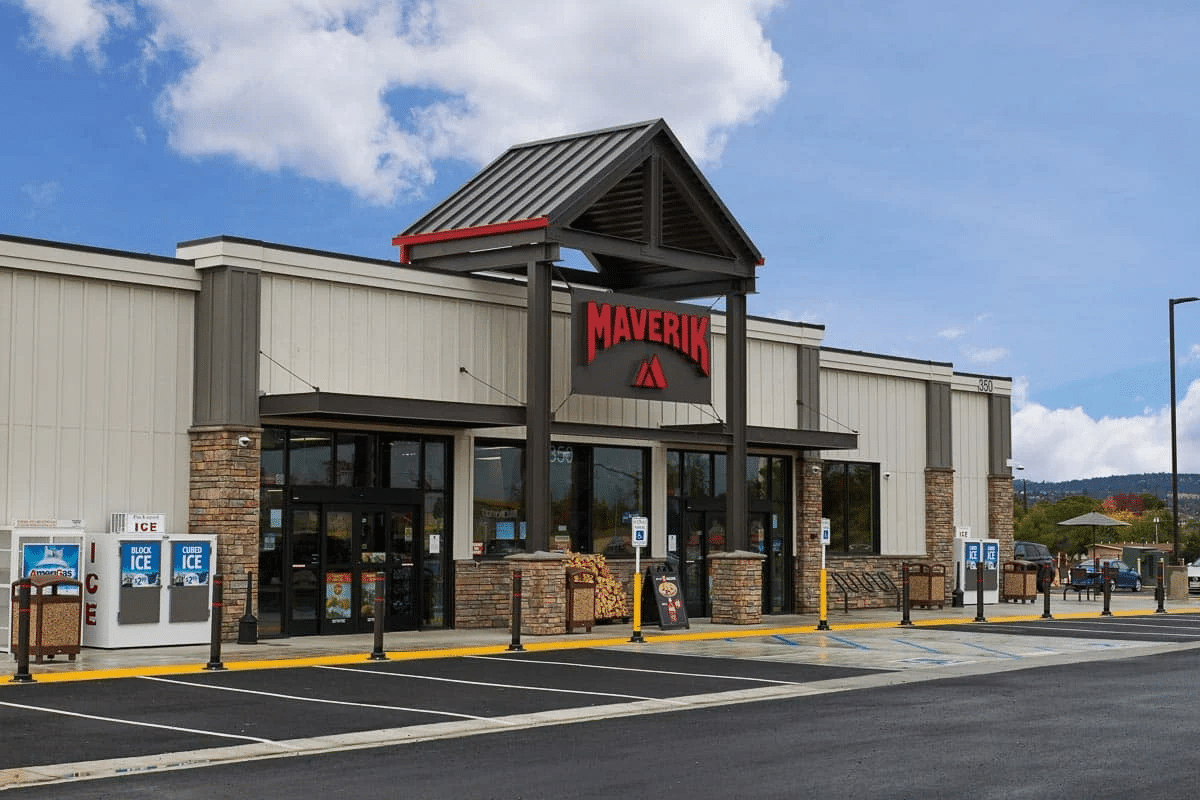
6 Gas Station Chains With Food So Good It’s Worth Driving Out Of Your Way For
We scoured the Internet to see what people had to say about gas station food. If you think the only things available are wrinkled hot dogs of indeterminate age and day-glow slushies, we’ve got great, tasty news for you. Whether it becomes part of a routine or your only resource on a long car trip, we have the food information you need.
Let’s look at six gas stations that folks can’t get enough of and see what they have for you to eat.