What once seemed like the safe path—staying loyal to one job for decades—now feels like a trap few are willing to endure.
Not too long ago, the idea of staying in one job for decades was seen as the “responsible” thing to do. But today? Workers across all ages are asking themselves big questions about their careers, happiness, and what really matters. A Forbes report notes that approximately 50% of American workers are actively considering a career change.
Additionally, about 28% of full-time American employees expect “revenge quitting” to occur at their workplace, according to a study by Software Finder. This term refers to abrupt resignations driven by frustration over issues such as return-to-office mandates, lack of recognition, burnout, or a toxic work culture. It’s not just about quitting jobs; it’s about reshaping what work even means.
Burnout has reached a tipping point

People are tired—and not just in the “need another cup of coffee” way. Burnout has become so widespread that the World Health Organization officially recognized it as an occupational phenomenon in 2019.
The Global Wellness Institute reports that 44% of employees experience stress at work daily. That kind of exhaustion makes workers pause and think: Is this worth it? Many are realizing that protecting their energy isn’t laziness—it’s a matter of survival.
Remote work changed expectations

Once people got a taste of working in sweatpants without a commute, it was hard to go back to wearing formal attire. Remote and hybrid setups showed workers that productivity doesn’t require a cubicle. Psychology Today highlights that remote workers are, on average, 5-9% more productive and report higher job satisfaction.
That shift prompted many to reassess what they value most—flexibility, freedom, or the sense of being trusted. Suddenly, the daily office grind no longer seems as appealing.
Gig work is reshaping expectations

Driving for Uber, delivering groceries, or freelancing online has given workers more independence than traditional jobs. However, it has also exposed the instability that comes with no benefits or guaranteed hours.
For some, the freedom is worth the trade-off. For others, it’s a reminder of why job security and benefits matter more than ever.
Pay isn’t keeping up with prices

It’s hard to stay motivated when your paycheck doesn’t stretch as far as it used to. Inflation hit a 40-year high in 2022, and even though it’s cooled a bit, the cost of basics like rent and groceries is still climbing faster than wages in many industries.
Workers are noticing, and they’re asking for more. According to Pew Research, 63% of employees who quit in 2021 cited low pay as their primary reason for leaving. When bills pile up, the hunt for a better deal begins.
Retirement feels out of reach

Many workers are realizing they can’t count on traditional retirement timelines. Rising costs, disappearing pensions, and shaky 401(k) balances make the idea of retiring at 65 look unrealistic.
Many workers expect to work past 70 or never retire at all. That reality has people rethinking what kind of work they want to do in the long term. If you’re working for decades more, it had better be something you can stand.
Health care costs are too high

Even people with “good” jobs are feeling crushed by medical bills. Employer-sponsored insurance has become more expensive every year, with the average worker paying over $7,000 annually for premiums and out-of-pocket costs, according to KFF.
For families, the number is almost double. It’s no wonder workers are rethinking jobs based on benefits, not just salary. The fear of one emergency wiping out savings makes health care a deciding factor in career moves.
Technology is reshaping roles

AI and automation aren’t just buzzwords—they’re changing jobs in real time. Some workers are concerned about being replaced, while others see opportunities to transition into new, tech-driven roles.
That uncertainty is prompting people to reassess which skills to develop and which industries to trust. The future feels both exciting and unstable.
Mental health is finally on the table

Talking about mental health at work was once taboo, but that’s changing fast. Younger generations, especially, are demanding workplaces that acknowledge stress, anxiety, and depression instead of sweeping them under the rug.
In one survey, 61% of Gen Z workers say they would strongly consider leaving their current job if offered a new one with significantly better mental health benefits. Even older employees are joining the conversation, realizing that peace of mind is priceless. Work is no longer just about survival—it’s about sanity.
Job security isn’t what it used to be

Layoffs are no longer rare—they’re routine headlines. Tech companies alone cut more than 260,000 jobs in 2023, and other industries followed. Workers are realizing that even “safe” jobs can disappear overnight.
Instead of clinging to stability that might not exist, many are rethinking how to spread their risk. For some, that means moving industries. For others, it means learning new skills just in case.
People want time, not just money

It’s not only about getting paid—it’s about having time, actually, to live. The pandemic reminded many workers how precious time with family and personal passions really is.
Save this article
Workers who feel they have a healthy work-life balance demonstrate a 21% boost in productivity and experience a 33% increase in job satisfaction. More people are opting for flexibility over higher paychecks, even if it means making trade-offs. The message is clear: time is the ultimate currency.
Career ladders look broken

The traditional concept of rung by rung advancement up a corporate ladder no longer appears to be true. Layoffs, flat structures, and fewer middle-management jobs have made promotions more challenging to attain.
Workers are finding that loyalty no longer pays. Thus, they’re rethinking whether it’s smarter to switch jobs instead of waiting for a promotion that might never occur.
Values matter more than ever

It’s not what a company pays, it’s what a company thinks. People want to align themselves with their employer’s ethics, whether that involves sustainability, diversity, or social responsibility.
Data show that nearly half of younger workers have rejected a job or assignment because it didn’t align with their values. People are starting to see jobs not just as paychecks, but as reflections of what they care about. And when values clash, it’s hard to stay motivated.
Side hustles are becoming main hustles

For many, the side project that began as a creative outlet or a means to earn extra money has evolved into a full-fledged career path. Platforms like Etsy, Substack, and TikTok have made it easier than ever to turn hobbies into a source of income.
Almost half of U.S. adults now have a side hustle, and a growing number are leaving traditional jobs to focus on them. Workers are realizing they don’t have to rely on one employer anymore—they can build their own patchwork of income.
Commuting feels outdated
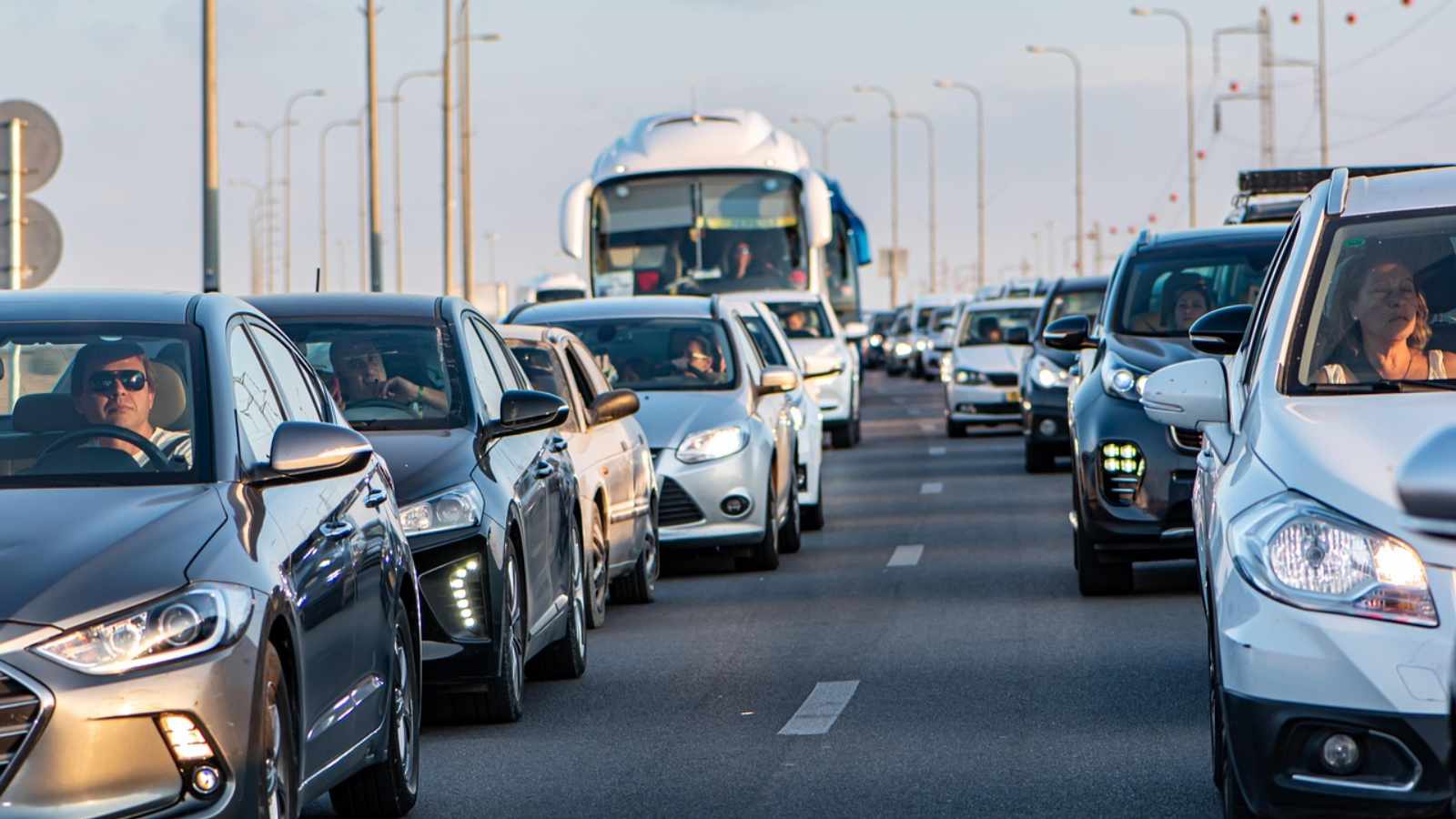
After years of skipping the morning traffic, sitting bumper-to-bumper feels unnecessary. Americans lost an average of 54 hours a year commuting before the pandemic, according to a CNN report.
That’s more than a full workweek wasted in the car or on a train. No wonder many workers are rethinking jobs that require long commutes. The extra time at home feels too valuable to give back.
Education debt changes everything

For younger workers, especially, student loans shape nearly every financial decision. That kind of debt makes it harder to accept low-paying jobs or careers that take years to pay off.
Workers are rethinking whether traditional job paths are worth the investment at all. It’s forcing a generation to be strategic and sometimes skeptical about their careers.
Happiness matters more than prestige

Chasing titles and corner offices isn’t as appealing as it once was. Workers now prioritize happiness, purpose, and flexibility over prestige or even pay bumps.
In fact, the majority of workers say happiness at work is just as important as a paycheck. That shift is reshaping what people look for in a career. At the end of the day, many are choosing joy over job titles.
Key takeaways
Burnout, mental health, and balance are driving priorities. Workers aren’t just looking for a paycheck—they’re looking for jobs that respect their energy, time, and well-being.
Financial pressures are reshaping decisions. Stagnant wages, high healthcare costs, student debt, and uncertain retirement: money concerns are pushing workers to demand more.
Workplace expectations have shifted. Remote work, shorter commutes, and broken career ladders have people rethinking what “success” looks like and where they want to invest their time.
Personal values and independence matter more than ever. Workers want jobs that align with their values, allow for creativity, and offer flexibility—sometimes through side hustles, gig work, or entirely new career paths.
Disclaimer – This list is solely the author’s opinion based on research and publicly available information. It is not intended to be professional advice.
16 grocery staples to stock up on before prices spike again

16 Grocery Staples to Stock Up On Before Prices Spike Again
I was in the grocery store the other day, and it hit me—I’m buying the same things I always do, but my bill keeps getting higher. Like, I swear I just blinked, and suddenly eggs are a luxury item. What’s going on?
Inflation, supply-chain delays, and erratic weather conditions have modestly (or, let’s face it, dramatically) pushed the prices of staples ever higher. The USDA reports that food prices climbed an additional 2.9% year over year in May 2025—and that’s after the inflation storm of 2022–2023.
So, if you’ve got room in a pantry, freezer, or even a couple of extra shelves, now might be a good moment to stock up on these staple groceries—before the prices rise later.
6 gas station chains with food so good it’s worth driving out of your way for
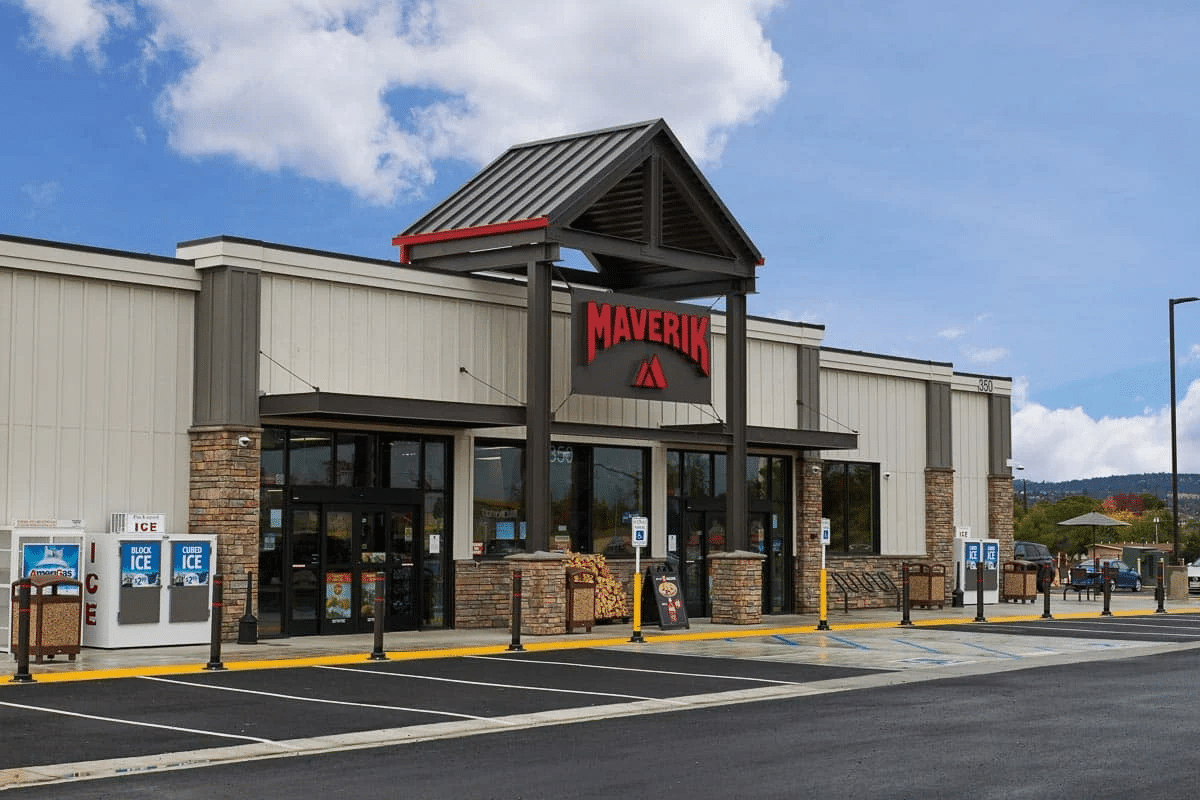
6 Gas Station Chains With Food So Good It’s Worth Driving Out Of Your Way For
We scoured the Internet to see what people had to say about gas station food. If you think the only things available are wrinkled hot dogs of indeterminate age and day-glow slushies, we’ve got great, tasty news for you. Whether it becomes part of a routine or your only resource on a long car trip, we have the food information you need.
Let’s look at six gas stations that folks can’t get enough of and see what they have for you to eat.